Rider-matched picks
Pumps for riders with back pain
Size-matched pumps picks for riders with back pain, with fit and feature priorities curated for how riders with back pain actually ride.
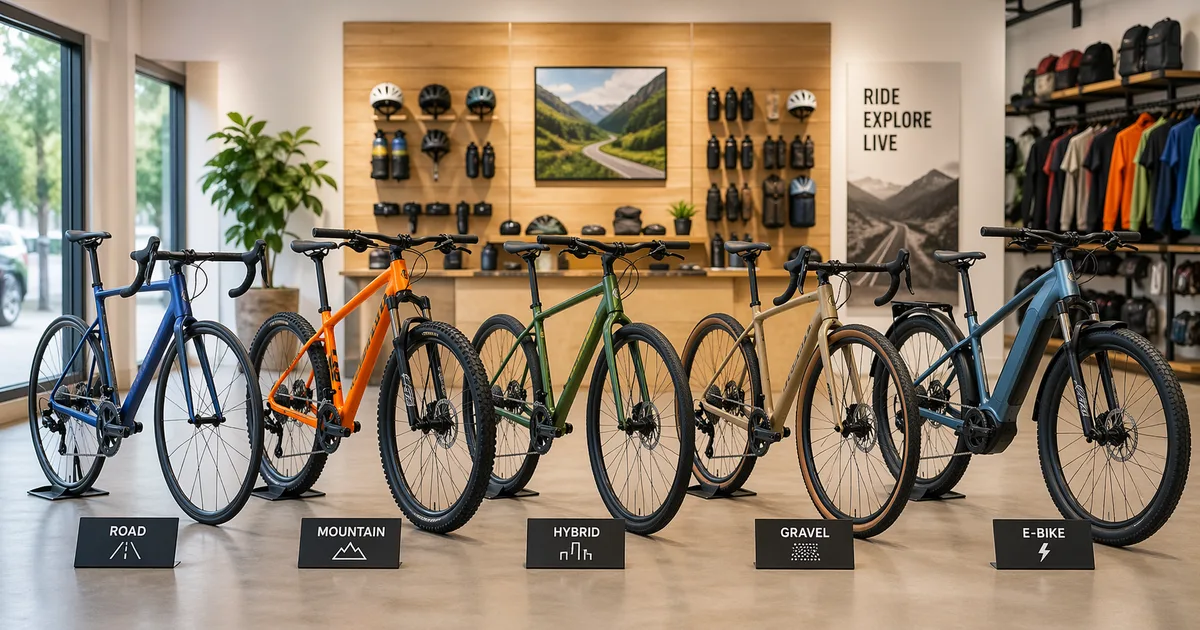
Pumps picks for riders with back pain
Check Amazon for current pricing and availability.
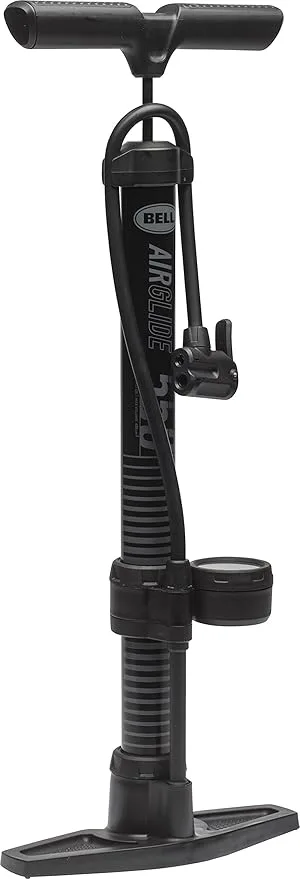
Bell
Bell Air Glide Floor Pump
General-purpose home pump for road, hybrid, cruiser, and many mountain-bike tires.
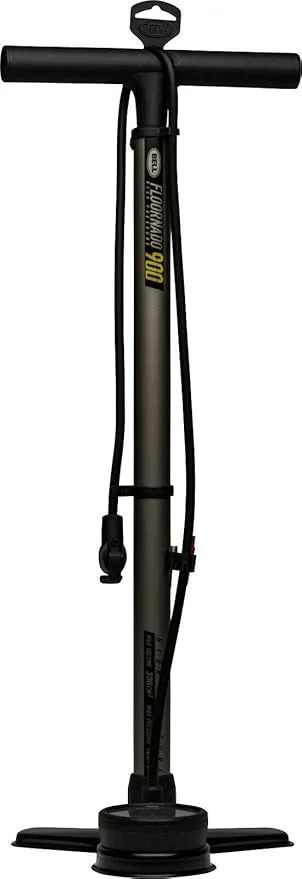
Bell
Bell Floornado High Volume Floor Pump
High-volume layout favors wider hybrid, cruiser, and mountain-bike tires over narrow road tires.
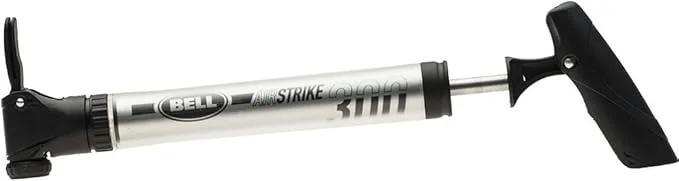
Bell
Bell Airstrike Dual Action Frame Pump
Frame-pump format for on-bike carry; suitable for emergency inflation rather than high-volume shop use.
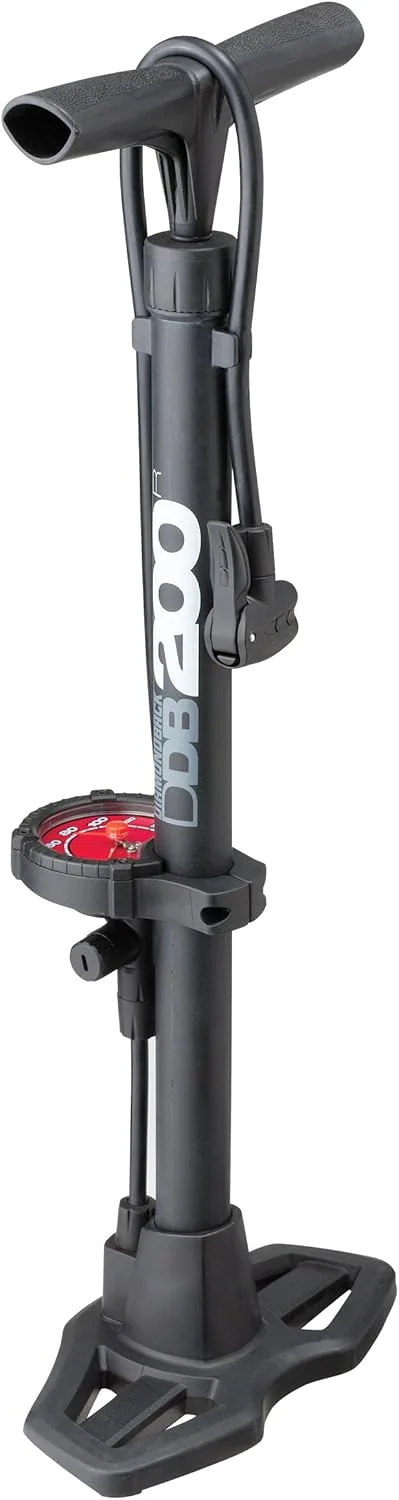
Diamondback
Diamondback DDB200R Bicycle Floor Pump
Standard upright floor pump - fits both Schrader and Presta valves with no adapter swap.
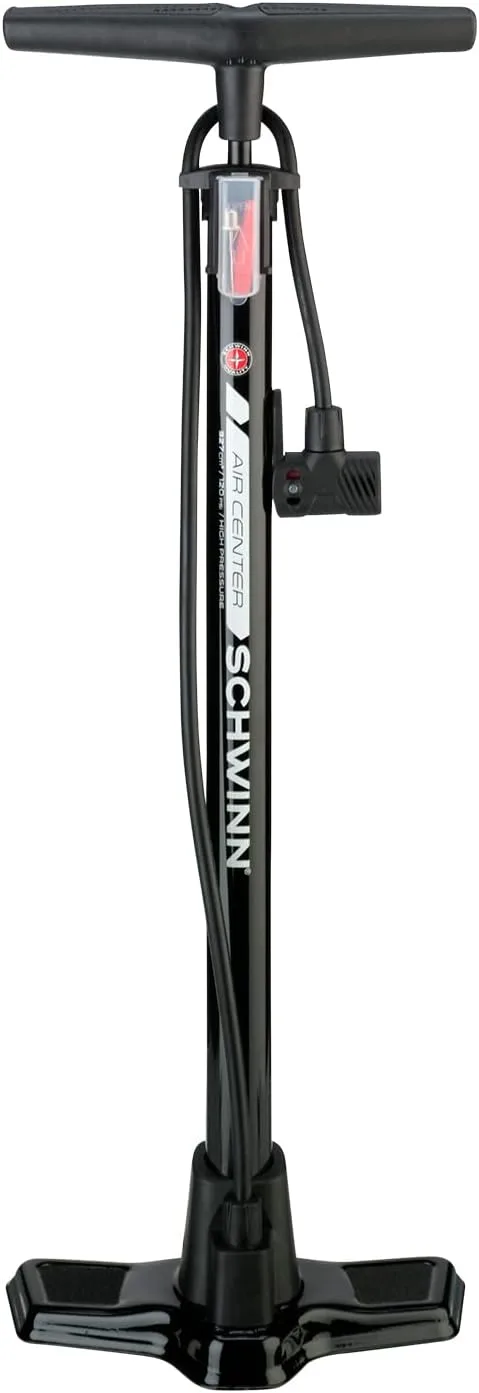
Schwinn
Schwinn Air Center Floor Pump
Multi-purpose floor pump - handles bikes, sports balls and inflatables. Pick the PSI variant (100/120/160) that matches the highest pressure tire you'll inflate.
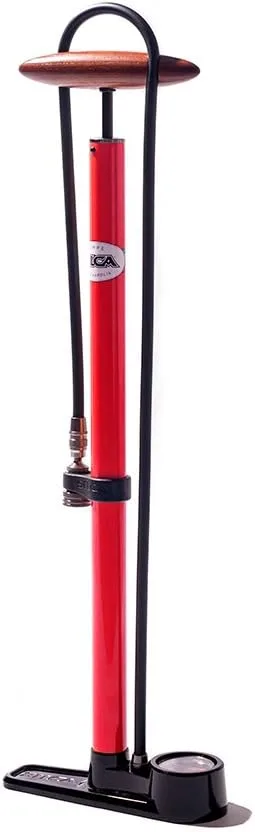
Silca
Silca Pista Floor Pump
The Pista is for riders who want an old-school workshop pump with rebuildable parts, not a plastic consumer floor pump. It makes the most sense in a home garage where durability matters more than convenience features like a smart head.
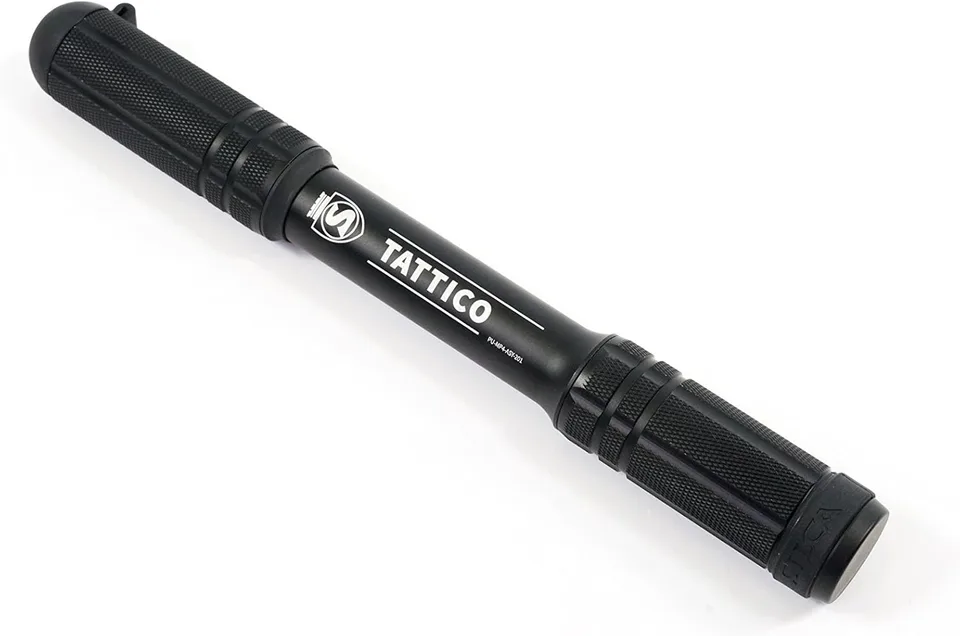
Silca
Silca Tattico Mini Pump
Tattico is the premium roadside pump for riders who hate fighting tiny pumps on the shoulder. It is still small enough to mount under a bottle cage, but the hose-and-chuck setup feels much more controlled than most mini pumps.
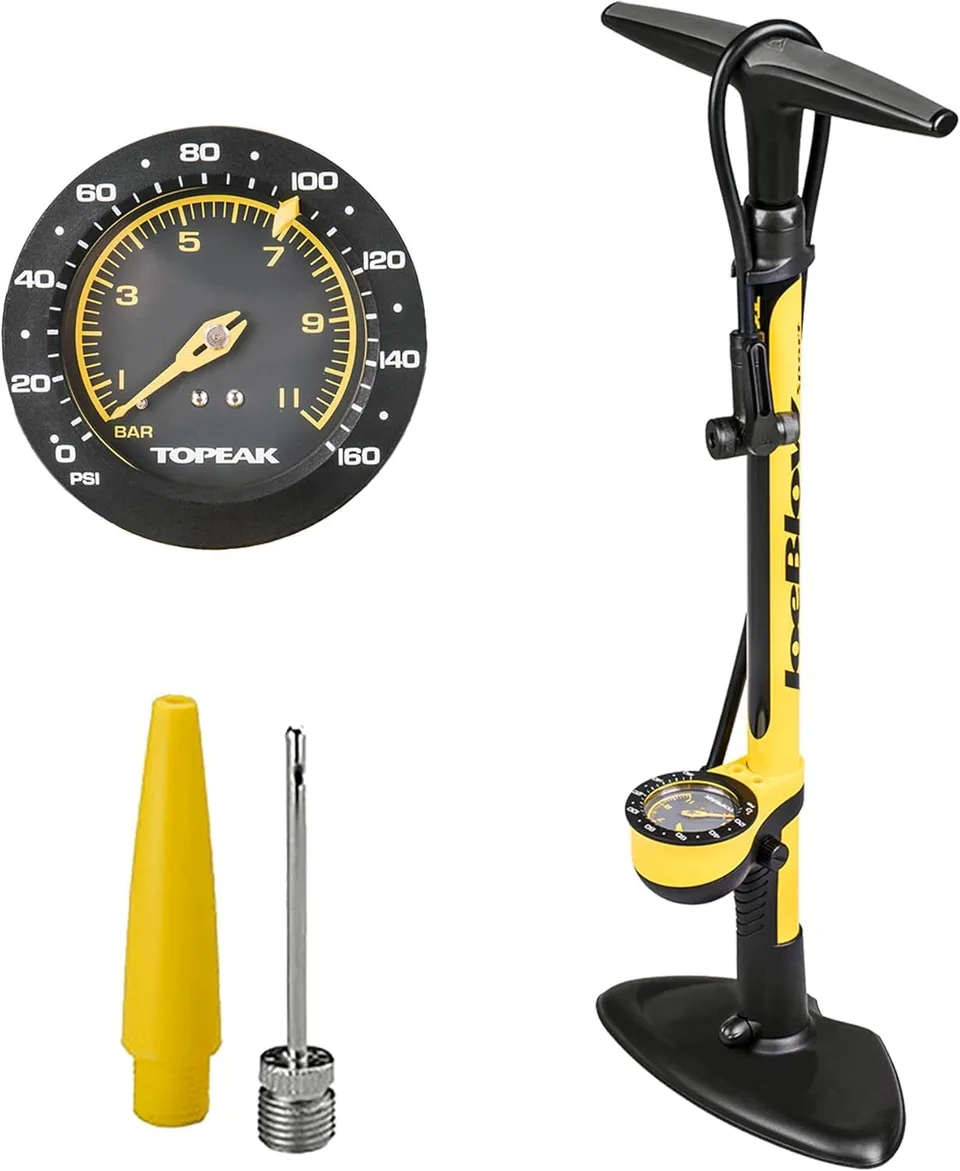
Topeak
Topeak JoeBlow Sport III Floor Pump
Floor pump suits all standard road, MTB, gravel, and hybrid valves. Long hose reaches both wheels without repositioning the bike.

Topeak
Topeak Road Morph Bike Pump
Mini frame pump with fold-out foot pedal that lets you pump like a floor pump on the side of the road. Includes frame mount bracket.
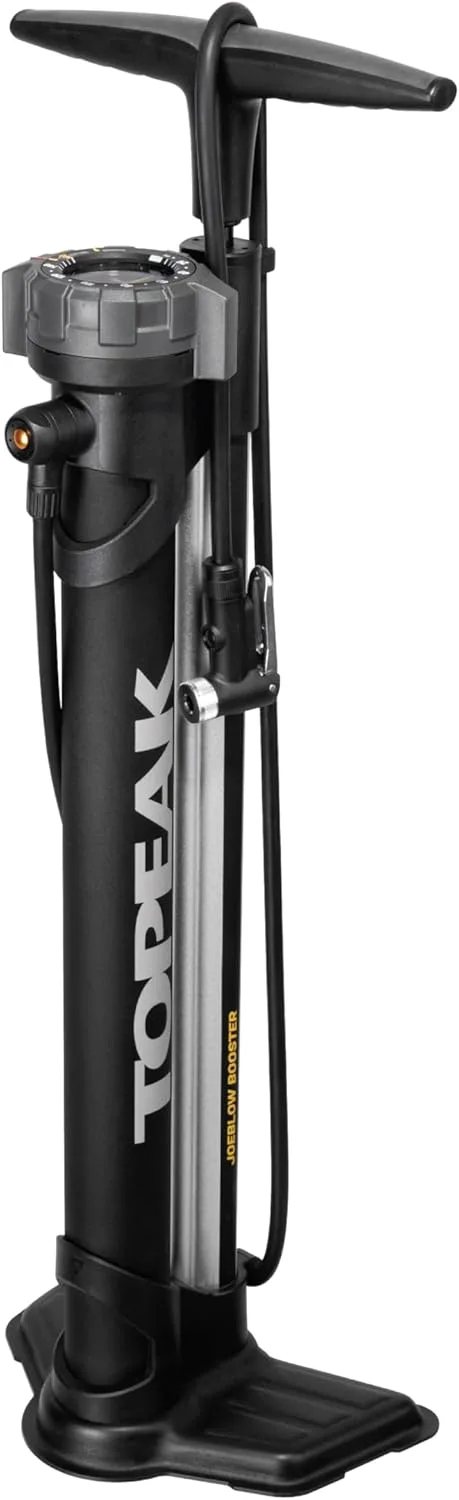
Topeak
Topeak JoeBlow Booster Floor Pump
Floor pump with a 2 L charge chamber that releases a high-volume blast to seat stubborn tubeless beads. Switch lever toggles between standard inflation and charge-then-blast modes. Best in-class home option for road, gravel, and MTB tubeless setups.
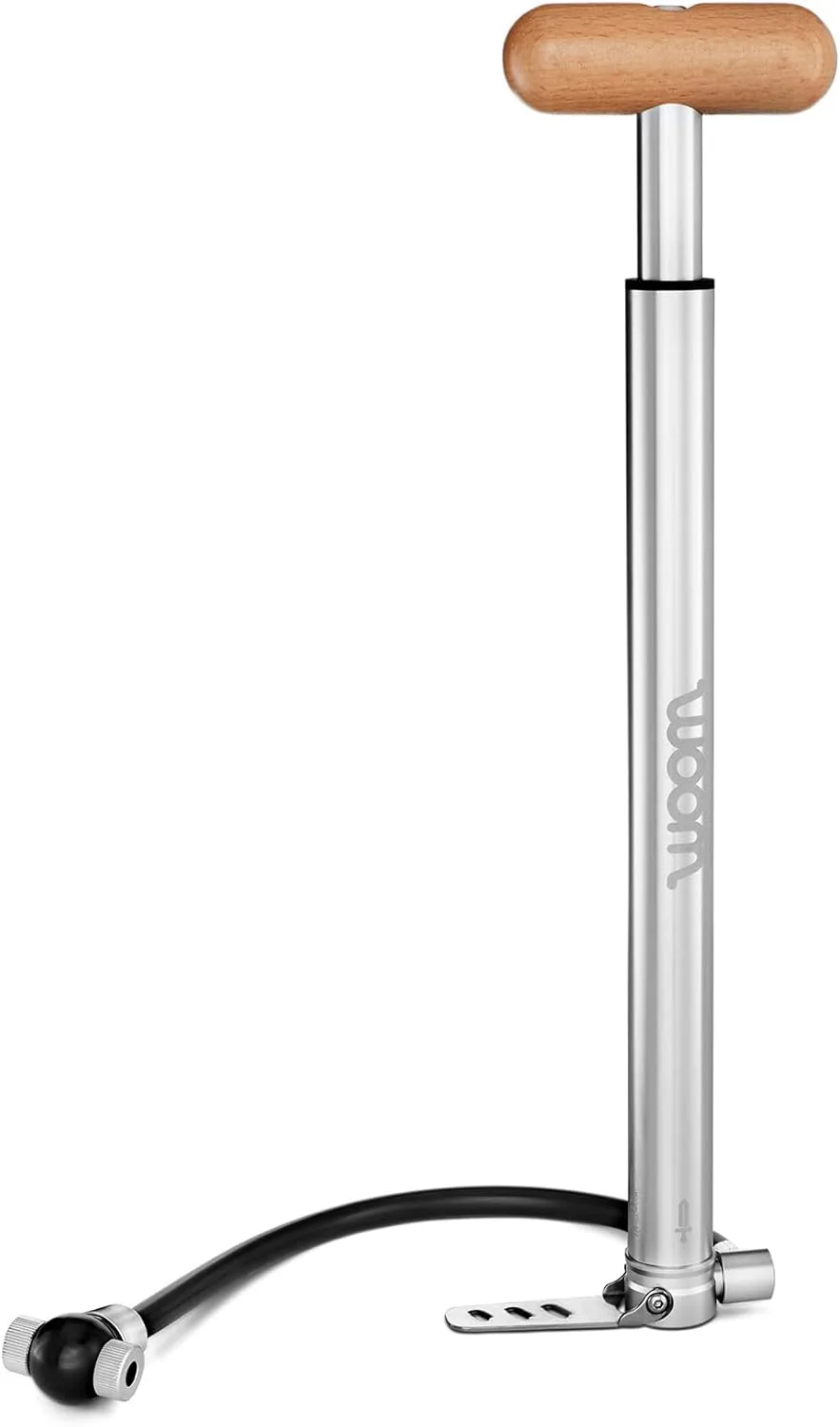
Woom
Woom AIRFLO Bike Pump
Compact mini pump that mounts to most kids and adult bike frames. Multi-valve head means no adapter swaps for Schrader or Presta.
As an Amazon Associate we earn from qualifying purchases. Purchases made through these links help support our free calculators.
What matters for riders with back pain
Riders with back problems need geometry that minimizes spinal stress through a more upright riding posture. This typically means handlebars positioned 2-4 inches above saddle height, a shorter reach of 10-20mm less than standard recommendations to avoid hunching, and careful attention to saddle tilt - a slight nose-down angle of 1-2 degrees can relieve pressure on the lower back. A more upright position distributes weight more evenly between hands, sit bones, and feet, reducing lower back strain. Avoid aggressive, hunched positions that compress the lumbar vertebrae. Consider bikes with taller head tubes, adjustable stems with positive rise (10-17 degrees), and suspension seatposts that absorb road vibration before it reaches your spine. Stack height should be prioritized over reach when choosing frame size.
Pumps sizing guidance
Pumps don't size to riders, but three specs decide whether a pump actually fits your bike. First is valve compatibility - Schrader (the fat car-style valve, common on kids and department-store bikes), Presta (the slim threaded valve on most road, gravel, and modern MTB), and Dunlop (rare in the US, common in Europe and on some kids bikes). Modern pump heads handle multiple valves either with a reversible internal cartridge (Lezyne Flip-Thread) or a smart twin-port head that auto-detects (Topeak SmartHead). Second is the pump's maximum pressure: aim for 50 PSI for fat bikes, 80 PSI for MTB, 120 PSI for road, and 160 PSI if you're running tubular or TT setups. Pick a pump rated comfortably above your highest target so you're not fighting the last 20 PSI. Third is form factor - a tall floor (track) pump for the garage, a compact mini pump or frame pump for the saddlebag, and CO2 inflators for racers who'll trade re-usability for a 10-second fix. The hose vs. head distinction matters: hose-equipped pumps let you hold the head straight onto the valve without bending the stem, which is what destroys most cheap valves. A twin-port head reads the valve and adapts; a reversible chuck has one chamber you flip. Twin-port heads are faster; reversibles are usually narrower and lighter.
Most riders with back pain choosing pumps also compare bags & panniers for riders with back pain, grips & bar tape for riders with back pain, and helmets for riders with back pain.
Expert tips
- Raise handlebars using stem risers, adjustable stems, or bikes with taller head tubes
- Keep saddle level or slightly nose-up to support your pelvis and maintain neutral spine
- Consider flat or riser bars instead of drops-they naturally create a more upright position
- Suspension seatposts (Thudbuster, Redshift) absorb shocks that aggravate back problems
Pumps head-to-head comparisons
Cross-shop the pumps riders with back pain actually consider - specs, fit, and the deciding factor.