Bike Size Guide for Riders with Back Problems
GuideStarting range, not final fit. Verify the exact model before buying.
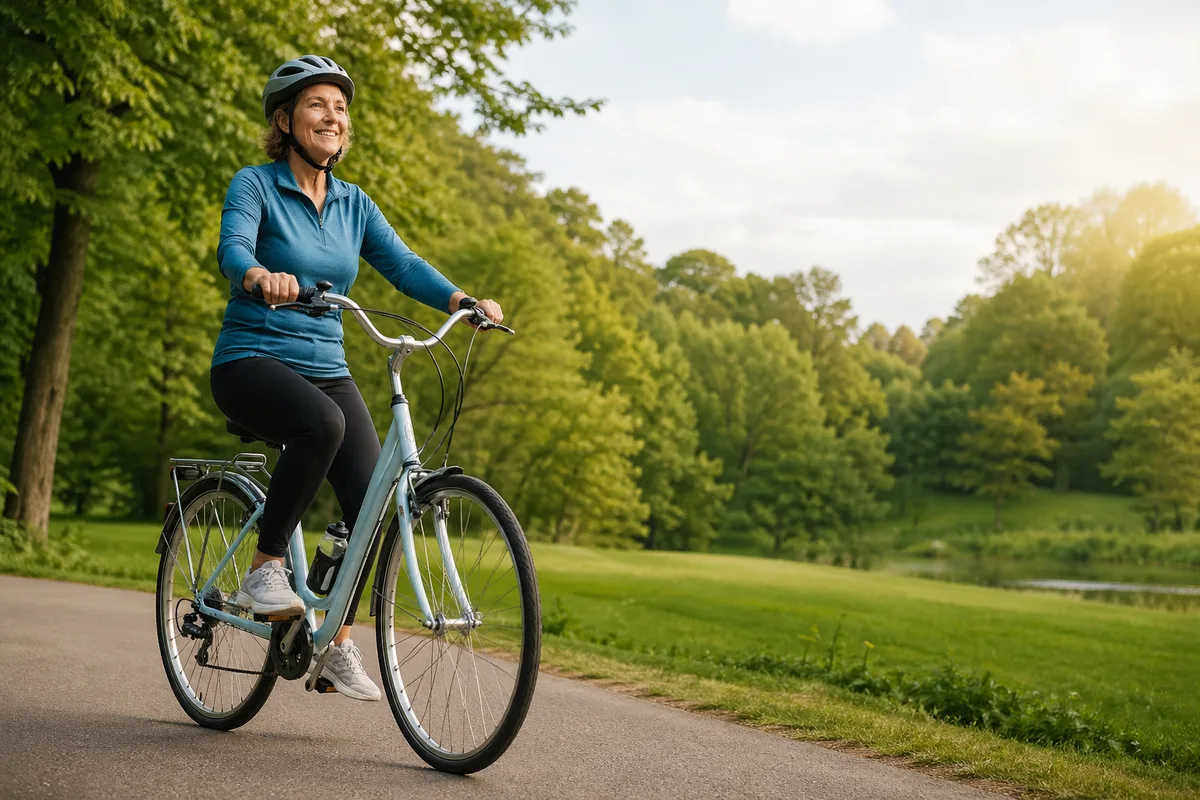
Cycling can actually help with back pain when done correctly - it's low-impact and strengthens the core muscles that support your spine. However, poor bike fit is one of the most common causes of cycling-related back pain, turning a therapeutic activity into an aggravating one. This guide helps riders with chronic back issues, herniated discs, sciatica, or general lower back stiffness find ergonomic bike positions that allow comfortable, pain-free cycling. We cover handlebar height, saddle positioning, frame geometry, and specific adjustments recommended by sports physiotherapists for spinal health.
A starting range, not final fit
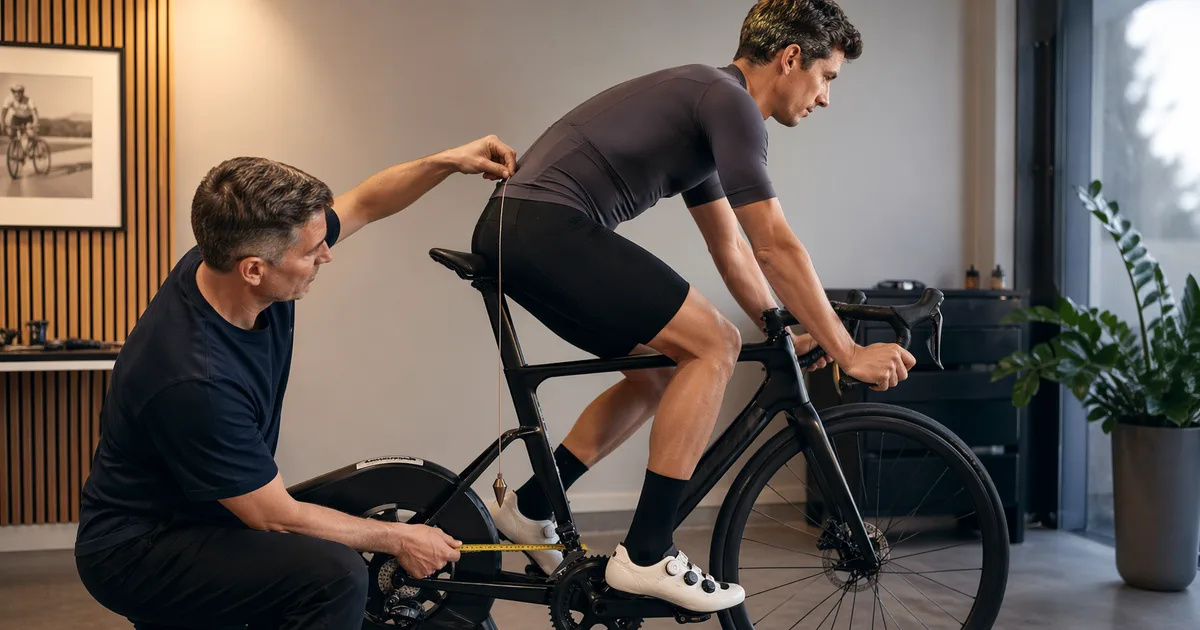
A rider profile does not determine one exact frame or guarantee comfort. Measure height and cycling inseam, and keep any chart overlap or disagreement visible. Torso and arm proportions, mobility and intended riding can change which model works within the starting range.
Check both candidate sizes for standover, saddle range, sustainable cockpit reach and brake access. Respect seatpost, saddle rail and cockpit adjustment limits. Use the recommended brand links below to locate the exact model-year chart; brand-wide ranges and representative geometry are not verification of every model. Missing or conflicting dimensions call for a shop check, test ride or professional fit, not an automatic size-up or size-down rule.
Start the first-bike workflow or use the two-size worksheet and fit checklist before buying. Compare exact geometry when both model sizes have usable source data.
How to size a bike for riders with back pain
Riders with back problems need geometry that minimizes spinal stress through a more upright riding posture. This typically means handlebars positioned 2-4 inches above saddle height, a shorter reach of 10-20mm less than standard recommendations to avoid hunching, and careful attention to saddle tilt - a slight nose-down angle of 1-2 degrees can relieve pressure on the lower back. A more upright position distributes weight more evenly between hands, sit bones, and feet, reducing lower back strain. Avoid aggressive, hunched positions that compress the lumbar vertebrae. Consider bikes with taller head tubes, adjustable stems with positive rise (10-17 degrees), and suspension seatposts that absorb road vibration before it reaches your spine. Stack height should be prioritized over reach when choosing frame size.
Recommended Geometry Preferences
higher
shorter
shorter
taller
moderate
Which brands fit riders with back pain best?
These brands are known for offering excellent options for riders with back pain.
Electra
Flat Foot Technology allows very upright, comfortable positioning
What are the common sizing mistakes for riders with back pain?
- 1Choosing aggressive racing geometry that forces excessive forward lean
- 2Ignoring handlebar height-too low causes constant back flexion
- 3Using a saddle that tilts nose-down, which forces you to slide forward and hunch
- 4Riding with locked elbows, transmitting every shock directly to your spine
- 5Not considering suspension or vibration-damping features that reduce spinal stress
- 6Avoiding cycling entirely instead of finding an ergonomic setup that works
Expert tips for riders with back pain
- 1Raise handlebars using stem risers, adjustable stems, or bikes with taller head tubes
- 2Keep saddle level or slightly nose-up to support your pelvis and maintain neutral spine
- 3Consider flat or riser bars instead of drops-they naturally create a more upright position
- 4Suspension seatposts (Thudbuster, Redshift) absorb shocks that aggravate back problems
- 5Padded bar tape or ergonomic grips reduce vibration transmitted through your arms
- 6Get a professional bike fit specifically addressing your back issues-communicate clearly with the fitter
- 7Core strengthening exercises off the bike help support your spine during rides
Calculate Your Size
Use our calculator with preset values optimized for riders with back pain. Adjust as needed based on your exact measurements.
Measure from the ground to your crotch while standing.
Riders with Back Pain Sizing FAQ
Recommended Bikes for Riders with Back Pain
Picks from our partner retailers, matched to this rider profile.
sixthreezero
sixthreezero EVRYjourney
The flagship hybrid cruiser with forward-pedaling design that places pedals about 3 inches ahead of the seat tube. This lets riders keep the seat lower while achieving full leg extension, making it easier to put both feet flat on the ground when stopped. Available in step-through frames for both men and women. Fits riders 5'0" to 6'4" on the 26" model.
sixthreezero
sixthreezero Around the Block
Classic beach cruiser available in single-speed, 7-speed, and 21-speed configurations. Upright riding position with swept-back handlebars and a wide padded seat. The step-through frame makes mounting and dismounting easy. Best for flat terrain, boardwalks, and casual neighborhood rides.
sixthreezero
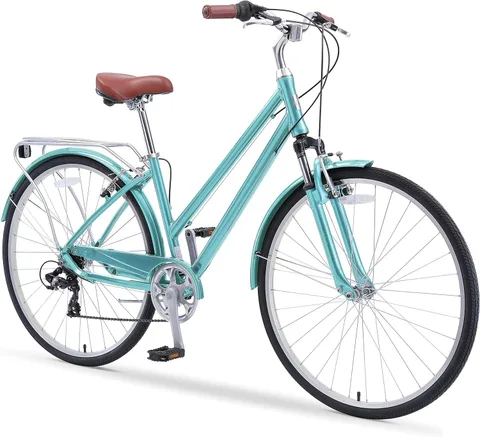
sixthreezero Pave n' Trail
Versatile hybrid designed for both paved roads and packed trails. Features a front suspension fork for bump absorption, Shimano 7 or 21-speed gearing, and slightly more forward-leaning geometry than the EVRYjourney. A good choice for riders who want one bike for mixed terrain without sacrificing comfort.
Firmstrong
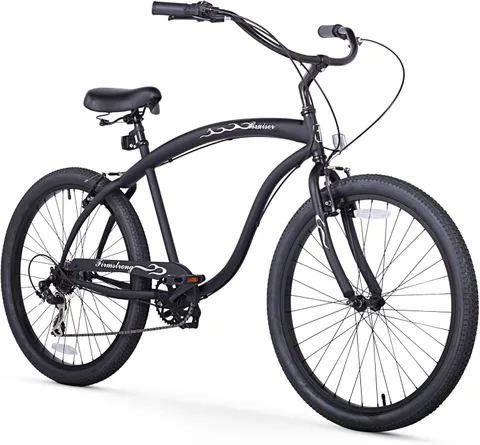
Firmstrong Bruiser Man 7-Speed
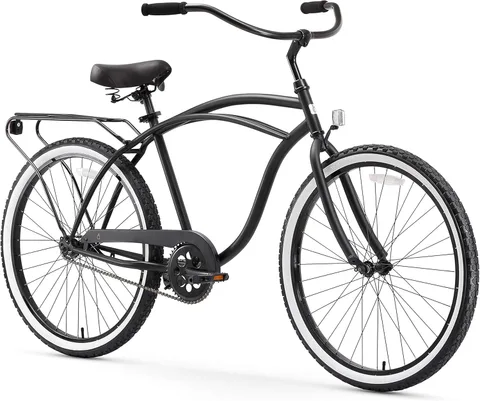
Firmstrong's flagship 26" beach cruiser with a 7-speed Shimano drivetrain for hills and headwinds the single-speed version can't handle. Steel cruiser frame, swept-back handlebars, oversized cushioned saddle. One frame size fits 5'5" to 6'2" via seatpost adjustment.
Firmstrong
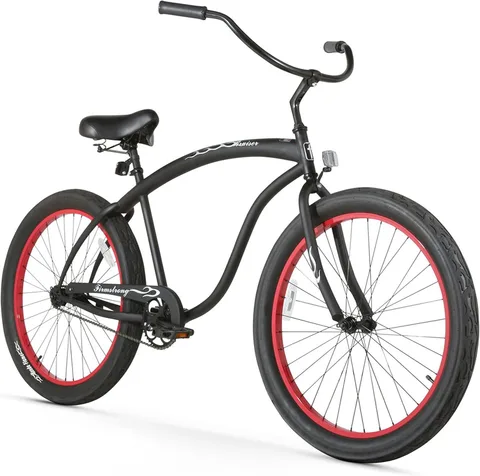
Firmstrong Bruiser Man 3.0 Single-Speed
The single-speed version of the Bruiser - coaster brake, no shifters, nothing to maintain. Best for flat boardwalks, neighborhoods, and beach paths. Same 26" steel cruiser frame and upright geometry as the 7-speed; fits 5'5"-6'3" via seatpost.
Firmstrong
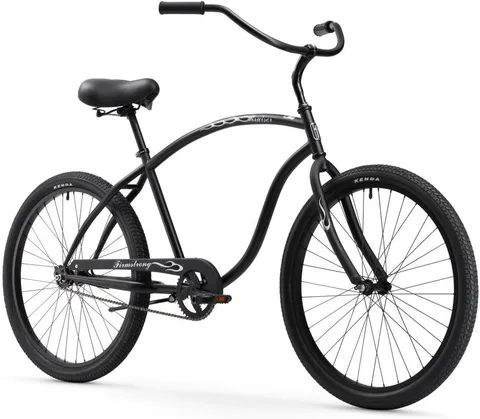
Firmstrong Chief Man Single-Speed
Forward-pedal cruiser geometry: the bottom bracket is shifted forward of the seat tube so a tall rider can run a low saddle and still get full leg extension. Lets riders 5'5"-6'4" put both feet flat on the ground at stops while keeping a comfortable knee bend. Coaster brake, single-speed.
As an Amazon Associate we earn from qualifying purchases. Purchases made through these links help support our free calculators.
Once the frame size is set, match the contact and safety gear to this rider profile: compare bags & panniers for riders with back pain, grips & bar tape for riders with back pain, and helmets for riders with back pain.
Recommended accessories for Riders with Back Pain
Helmets, lights and gear that match this rider profile.
Bell
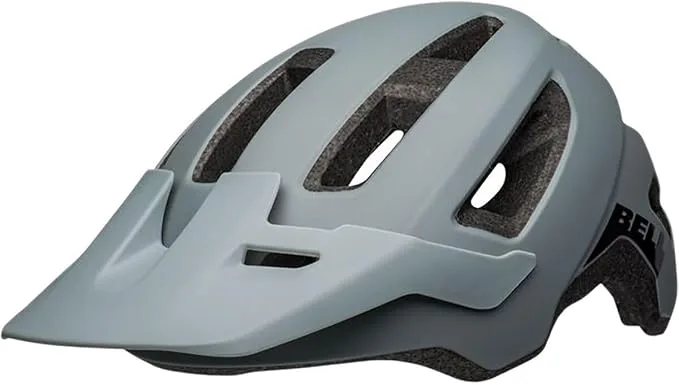
Bell Nomad 2 MIPS
This ASIN is Small/Medium 52-57 cm. Check the selected Amazon size/color before checkout.
Bell
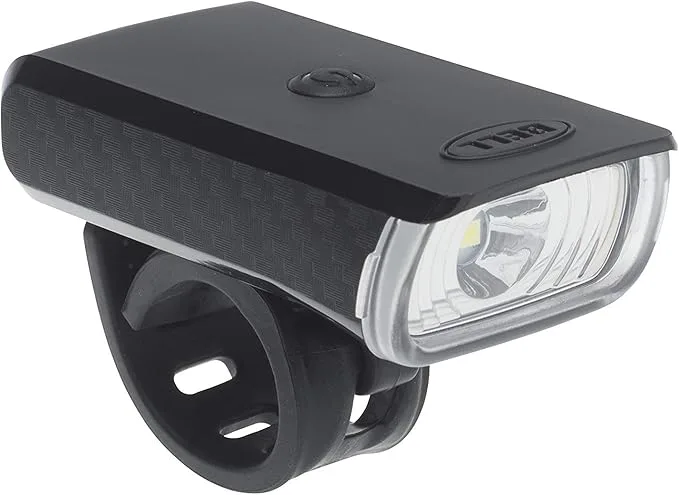
Bell Lumina 300 Headlight
Tool-free handlebar mount; check bar space around computers, bells, and baskets.
Abus
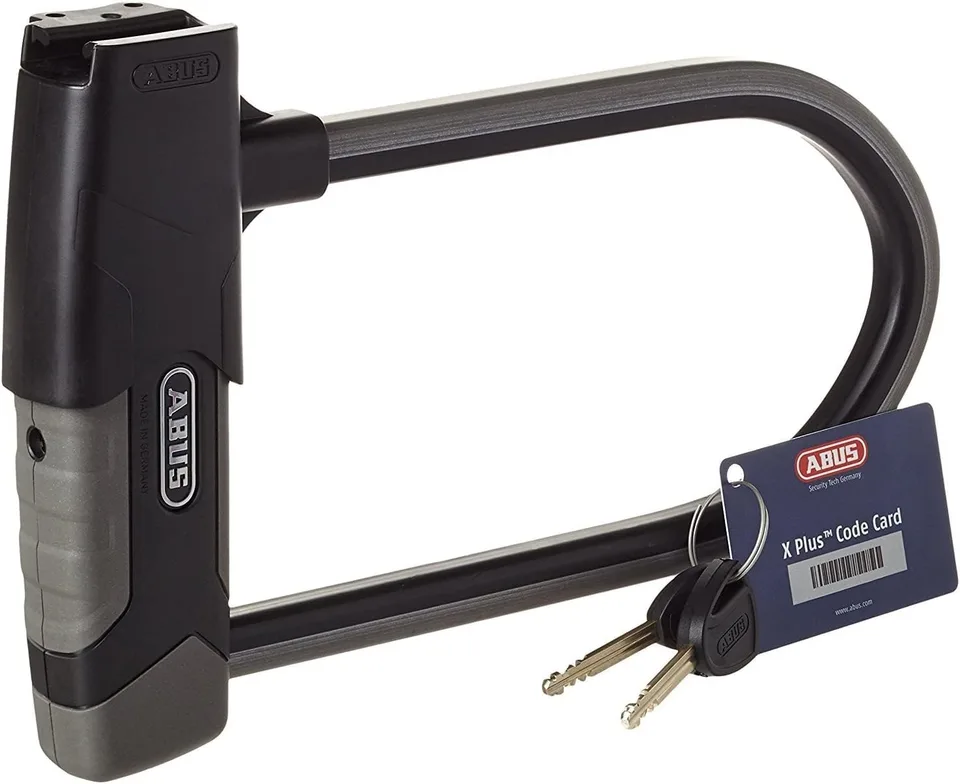
ABUS Granit X-Plus 540
Inner dimensions: 5.5" x 8" (14 x 20cm). Premium size for frame + wheel security. Heavy-duty for high-theft areas.
Banjo Brothers
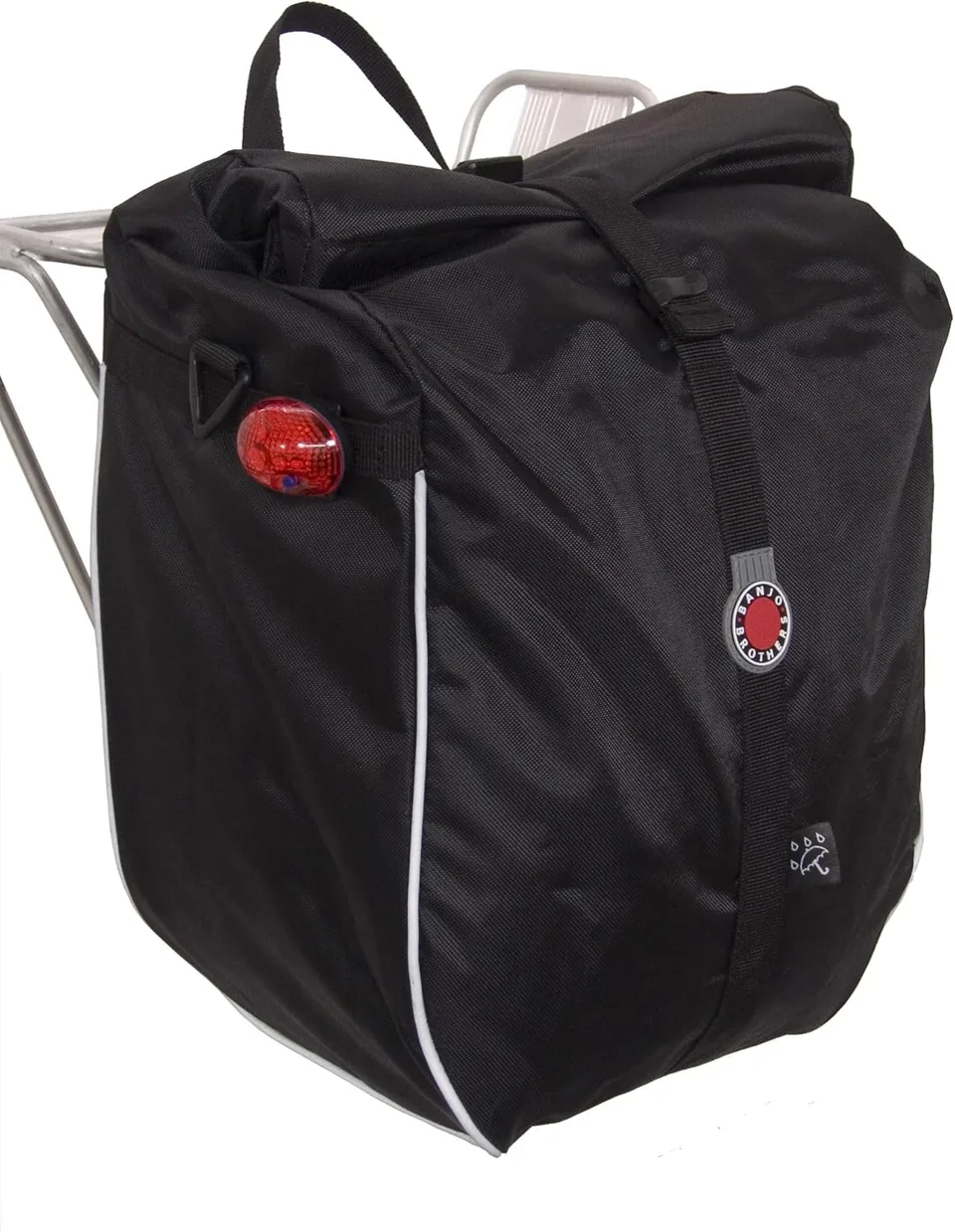
Banjo Brothers Waterproof Pannier
Pair recommended for full touring. Convertible handles allow backpack use. Lifetime warranty.
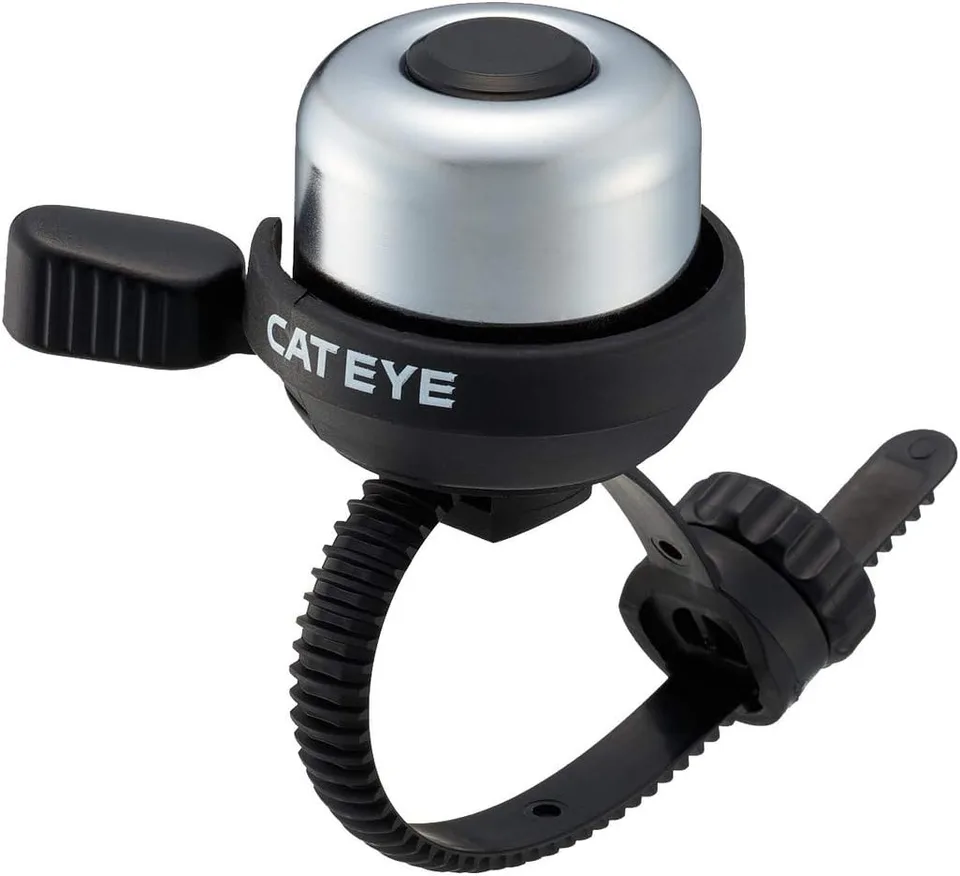
Cateye
CatEye Bell PB-200
Mid-range option; fits drop-bar primarily; 23.8 mm optimized mount
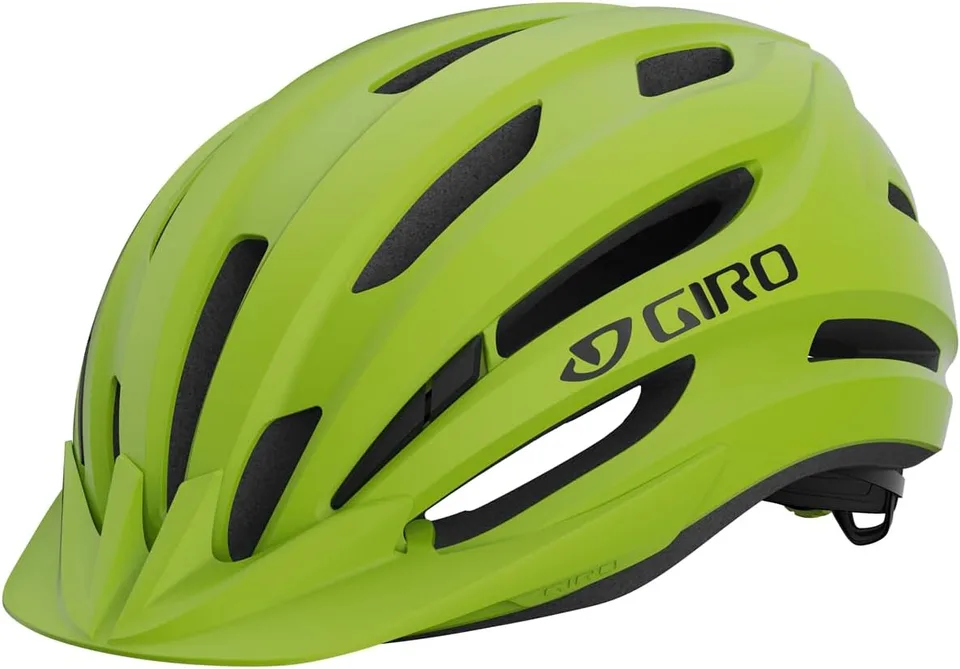
Giro
Giro Register MIPS
S 51-55 cm, M 55-59 cm, L 59-63 cm
Keep Exploring
Bike comparisons for riders with back pain
Know the rules where you ride
Bike laws - helmets, sidewalk riding, lights, right of way - vary by state. Check the basics before you head out: