Find the right bike for how you ride
Explore bike types, compare models and geometry, check brand size charts, and confirm your fit when you are ready to choose.
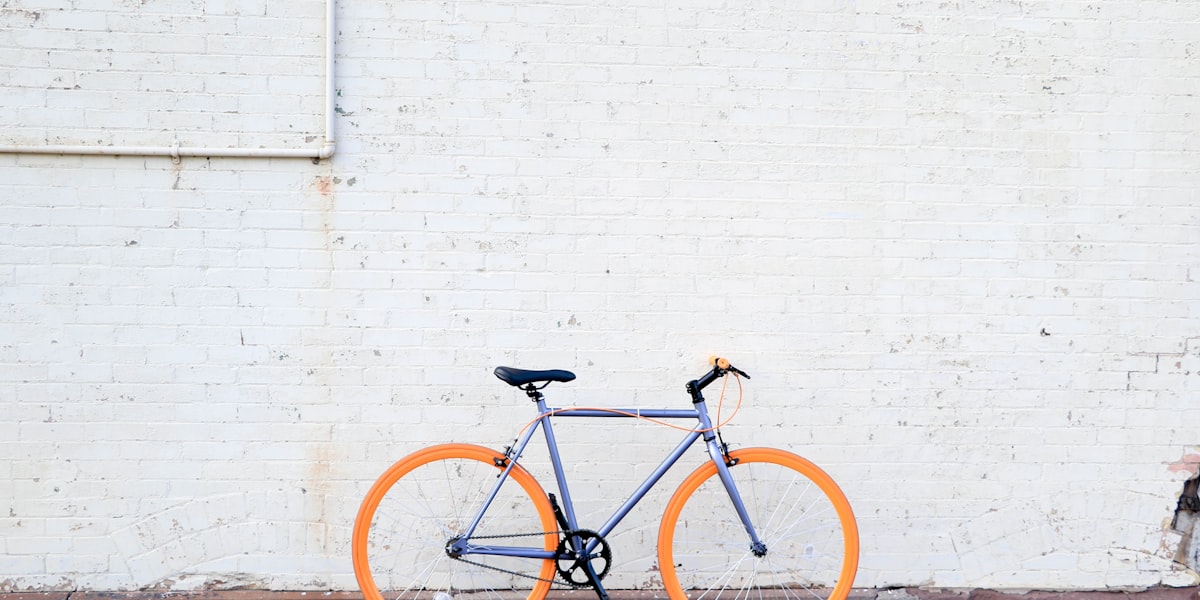
Choose your bike
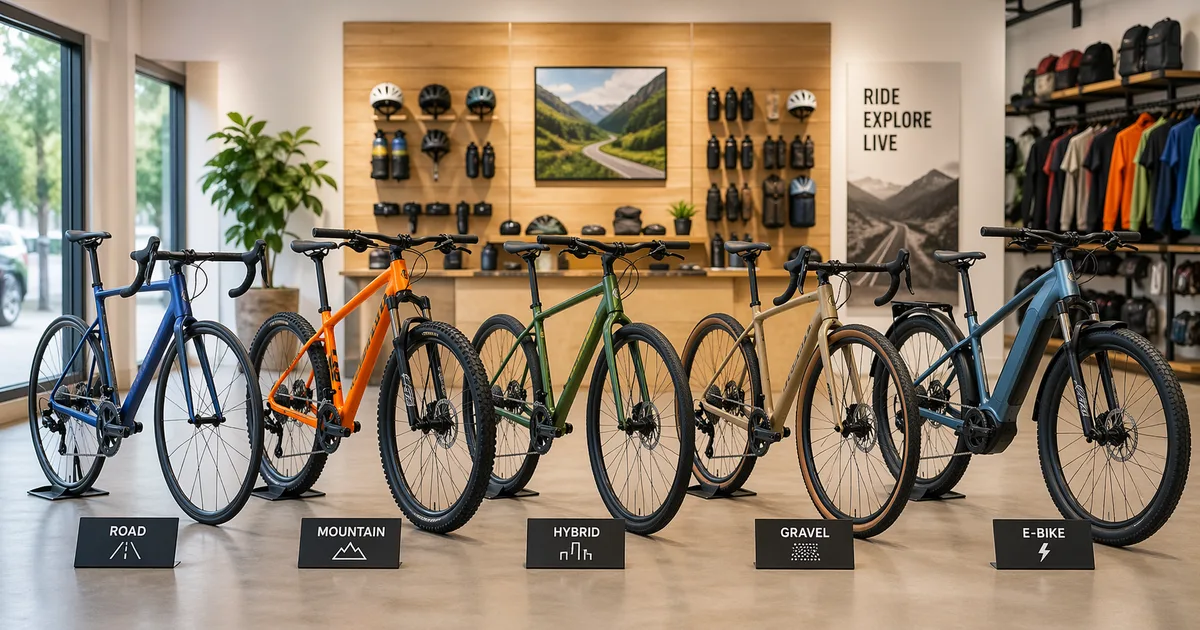
Every bike is built for a different kind of ride. Start with the surface, pace, and confidence you want from it.

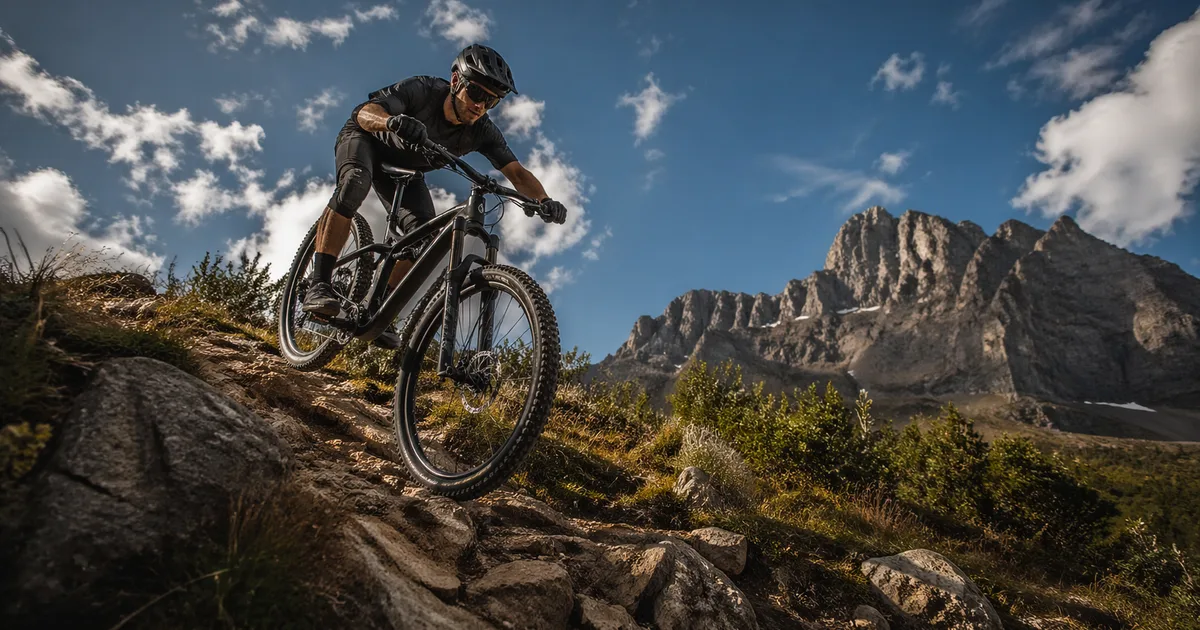

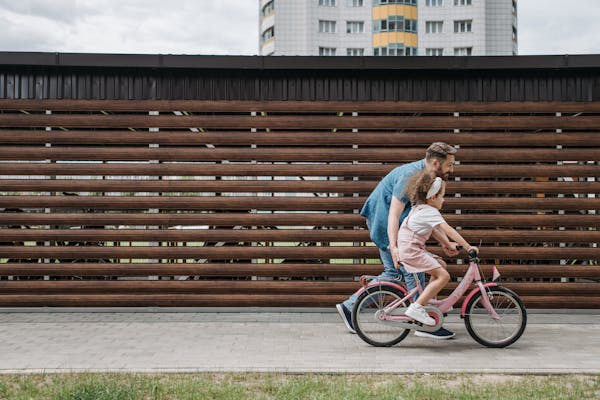
Find the right bike for your ride
Whether you are buying your first bike, commuting, heading onto trails, or adding electric help, begin with what you want the bike to do.

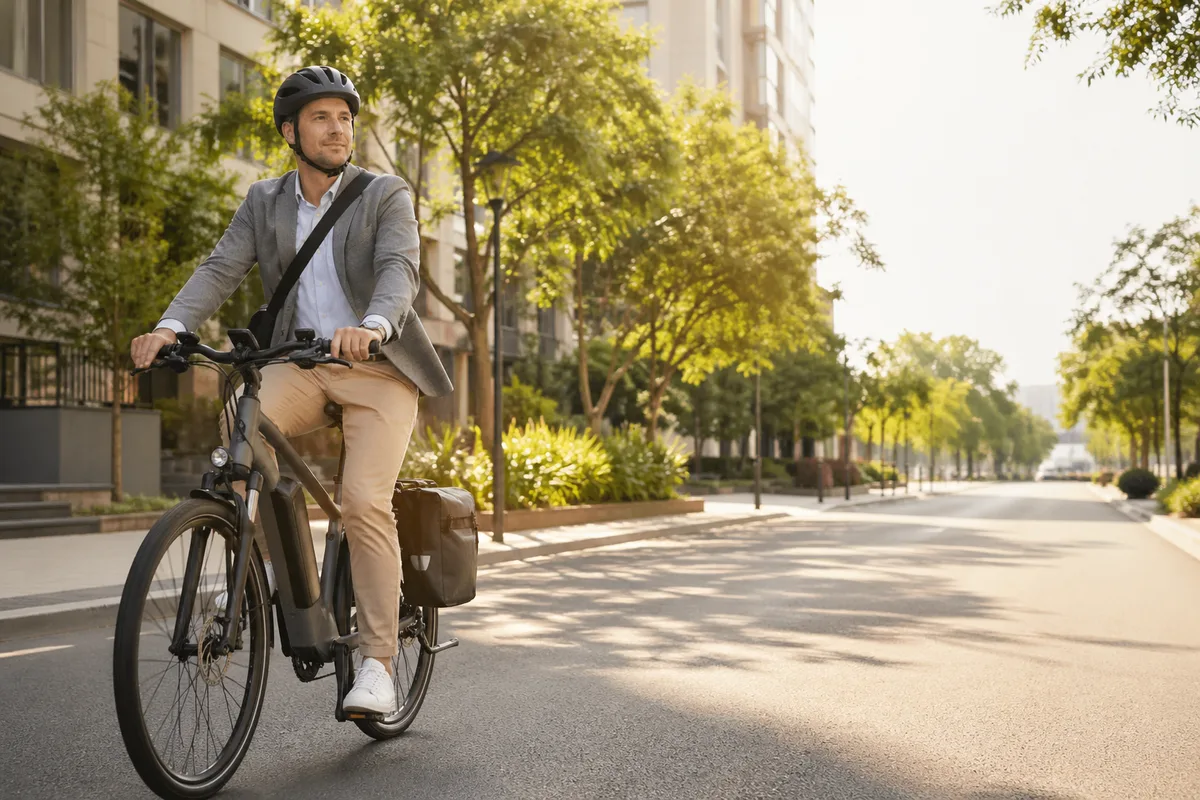
Guidance for your riding context
Use these practical guides when your proportions, experience, or riding priorities should shape the bike and size you consider.
- BeginnersNew to cycling? Find a practical bike size range with our beginner guide. Learn about inseam measurement, standover height, and how to choose your first bike.
- Tall RidersBike sizing guide for cyclists 6 ft 2 in and taller. Find frames with proper reach, stack height, and components for a comfortable, powerful riding position.
- Short RidersBike sizing guide for riders under 5 ft 4 in. Find frames with compact geometry, proper standover clearance, and comfortable reach for shorter cyclists.
- Women CyclistsWomen's bike sizing guide covering WSD frames, shorter reach, narrower bars, and saddle fit. Find bikes designed for women's body proportions and comfort.
Research the bike you are considering
After you choose a category, use a current brand chart and a geometry comparison to understand the specific frame.
Check the brand chart
Brands can recommend different sizes for the same rider.
Compare bikes and geometry
- AVASTA Earth 26/27.5 Mountain Bike vs HILAND Hardtail 26 V-BrakeCompare the Avasta Earth and HILAND Hardtail 26 V-Brake budget hardtails. We break down frame material, brakes, components, and value to help you pick the right entry-level mountain bike for under $300.
- AVASTA Govet 20" Kids Mountain Bike vs WEIZE Kids Mountain 6-SpeedCompare the Avasta Govet 20" and WEIZE Kids Mountain 6-Speed budget youth mountain bikes. Suspension, gearing, frame, and brakes compared so parents can pick the right 20-inch trail bike for ages 6-12.
Once you know the bike, make sure the size is right
Use a sizing tool to confirm the frame you are considering, or browse all 41 free calculators for geometry, equipment, and performance.
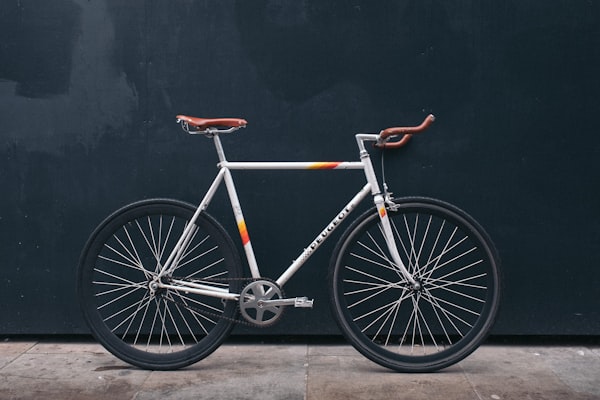
Start with a practical size range
The general bike size calculator turns height and inseam into a road, mountain, and hybrid starting size. Then check the specific brand chart and geometry before buying.
Find my sizeAlready know the bike type?
Skip straight to the size check that matches the frame you are considering.
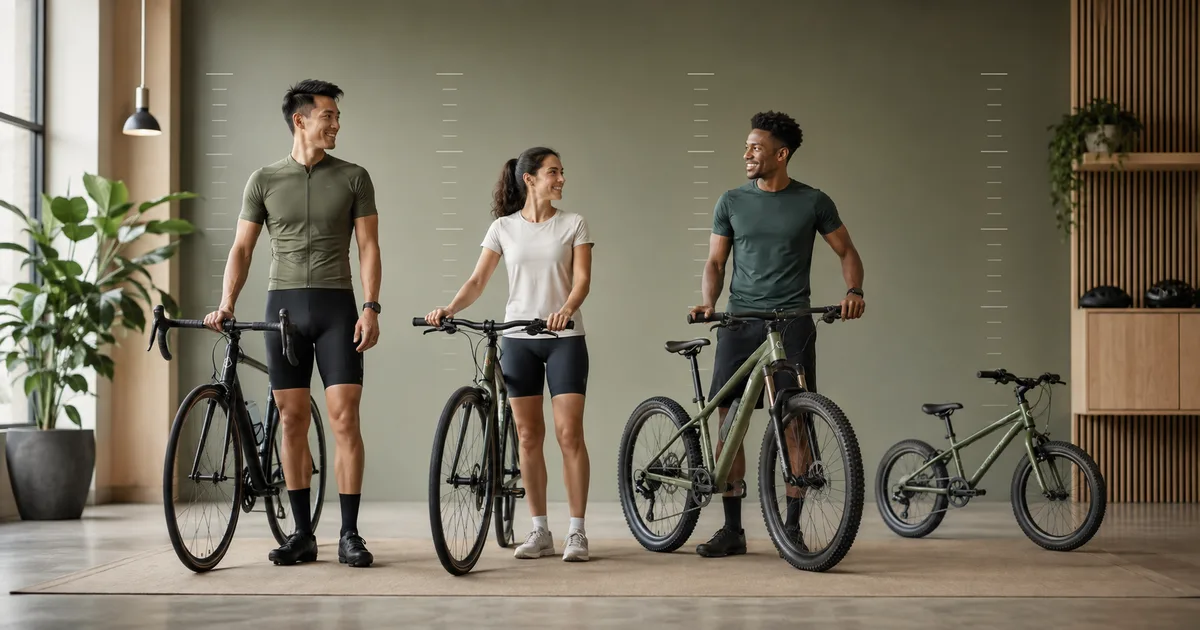
Learn before you buy
Quick-reference sizing chart for every bike type — find your frame size by height in one glance.
Read guideWhen the number is not enough
Use these guides to choose a bike, understand how it rides, and make sense of sizing or comfort details before you commit.
Gear for safer, more comfortable riding
Helmets, lights, locks, and hydration are the purchases that most often change safety or comfort. Start here before browsing every accessory category.
Safety first
Helmet, light, and lock are the first upgrades for most riders.
Fit still matters
Saddles, pedals, and bags should match your body and ride length.
Buy fewer things
Start with essentials that solve a real comfort or safety problem.
The shortlist
Four practical picks across the essentials. Each one earns its place before a rider buys nice-to-have kit.
Niterider
Niterider Lumina Micro 950
950 lm: excellent for unlit roads and trails; 24-hour Femto mode for commuting.
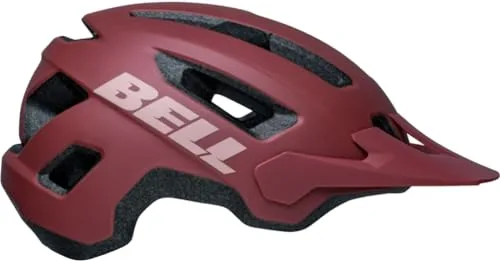
Bell
Bell Nomad 2 Jr. MIPS Youth Bike Helmet - Matte Pink (2022), Universal Youth (52-57 cm)
Universal Youth, 52-57 cm.
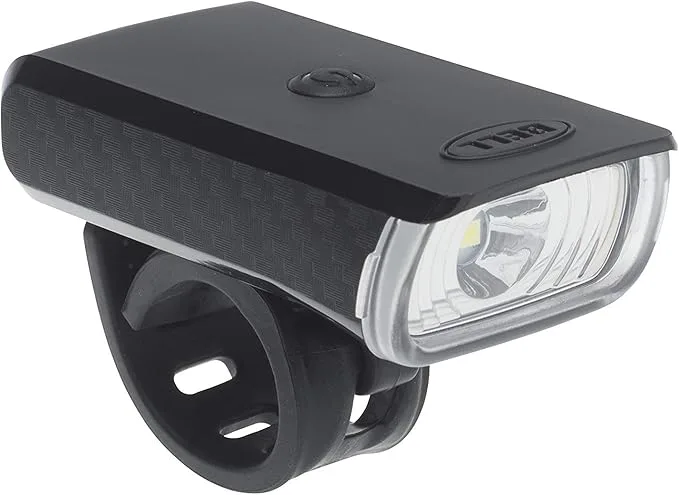
Bell
Bell Lumina 300 Headlight
Tool-free handlebar mount; check bar space around computers, bells, and baskets.
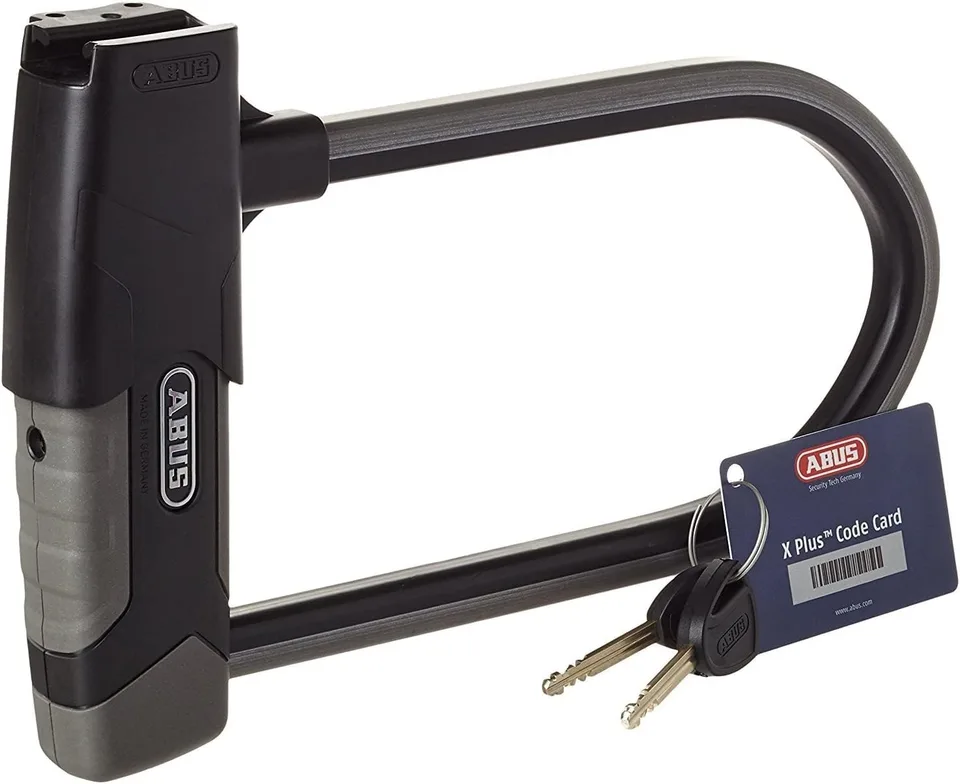
Abus
ABUS Granit X-Plus 540 - 9-Inch with USH Holder
Selected 9-inch shackle version with USH frame holder. Holder fits frame tubes 0.59-1.38 inches in diameter. Check clearance around the frame, wheel and fixed rack before ordering.
As an Amazon Associate we earn from qualifying purchases. Purchases made through these links help support our free calculators.
How to choose a bike with confidence
Start with how and where you want to ride, then use the right research and sizing checks before you buy.
Choose the bike type first
Road, mountain, gravel, hybrid, kids, and e-bikes solve different problems. A Bike Finder recommendation or category guide gives sizing research useful context.
Pick the calculator that matches the bike
Road, mountain, gravel, hybrid, BMX, and kids bikes use different sizing systems. If you are unsure, start with Bike Finder; otherwise choose the calculator for your bike type.
Confirm the result against the current brand chart
A medium in one brand may overlap a small or large in another. Check the current model's chart, then compare height range, stack, and reach when sizes overlap.
Use a test ride to settle close calls
Check standover, reach, control position, and your normal riding posture. For pain, numbness, injury history, or unusual proportions, see a qualified fitter or healthcare professional.
Start with the bike you are considering
Explore the bike type, compare it with alternatives, and check its size before you buy. BikeSize keeps the next useful step close.