Rider-matched picks
Tools for beginners
Size-matched tools picks for beginners, with fit and feature priorities curated for how beginners actually ride.
Tools picks for beginners
Check Amazon for current pricing and availability.
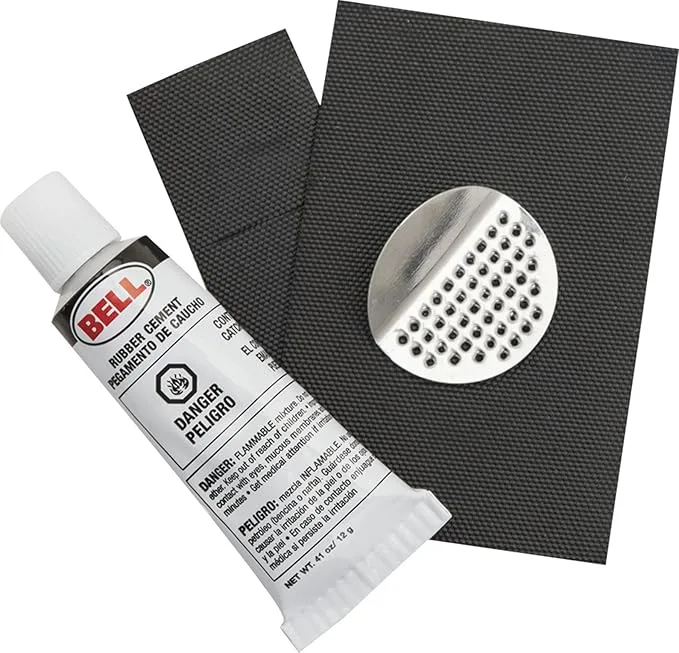
Bell
Bell Patch-It Tube Repair Kit
Carry with tire levers and a pump; works best for repairable tube punctures.
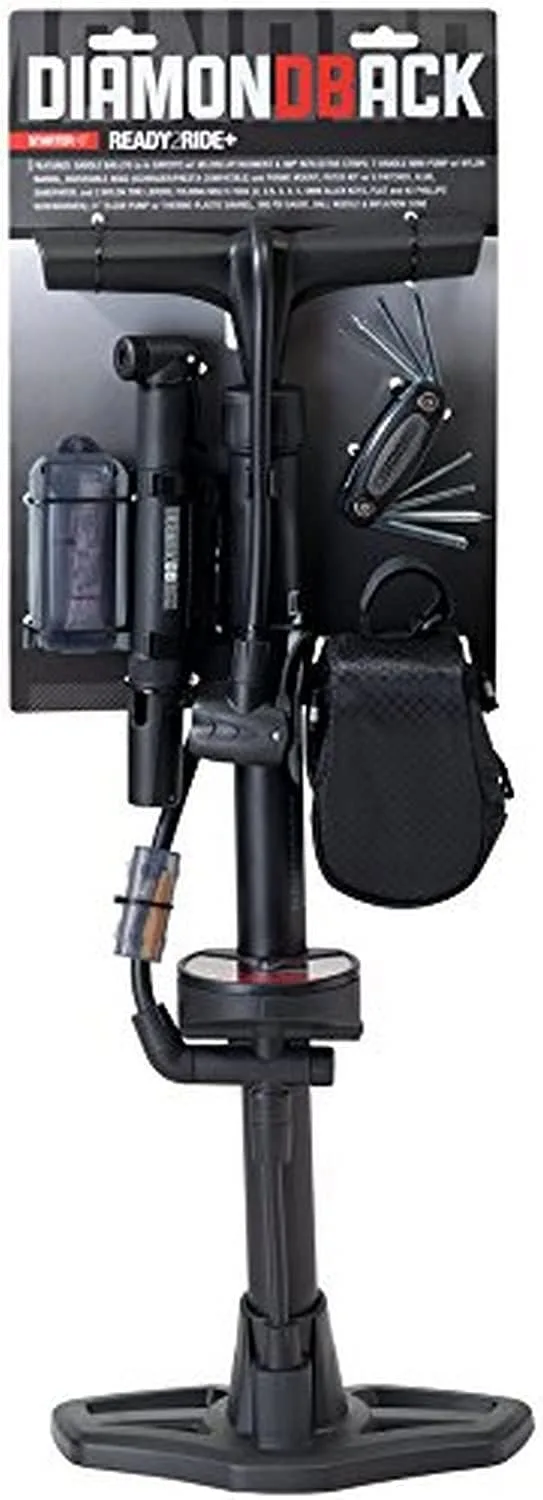
Diamondback
Diamondback Ready 2 Ride Toolkit
Home-mechanic toolkit - covers brake, derailleur and bolt adjustments on most modern bikes with hex hardware.
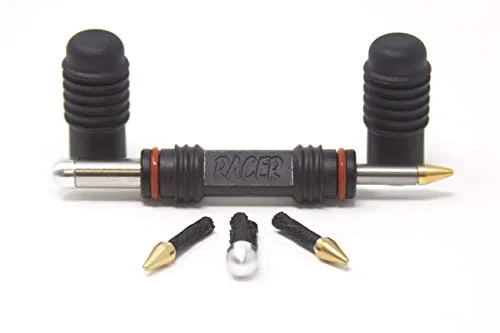
Dynaplug
Dynaplug Carbon Racer Tubeless Repair Tool
Best for road and smoother gravel tubeless setups where a tiny plug tool can live under a bottle cage. Dynaplug warns the holder can dislodge on rugged trails, so MTB riders should pocket it or store it in a bag.
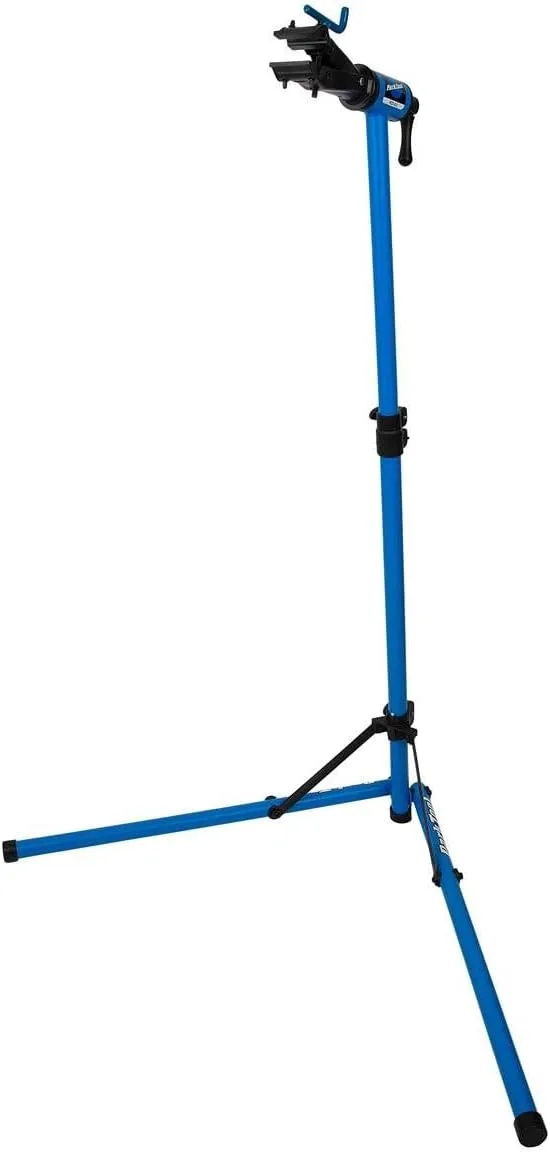
Park Tool
Park Tool PCS-9.3 Home Mechanic Repair Stand
Designed for home use - bench-friendly footprint and folds flat. Clamps any standard round seatpost or top tube. Not as tall as the PCS-10.3 (height adjusts up to ~57" vs 60").
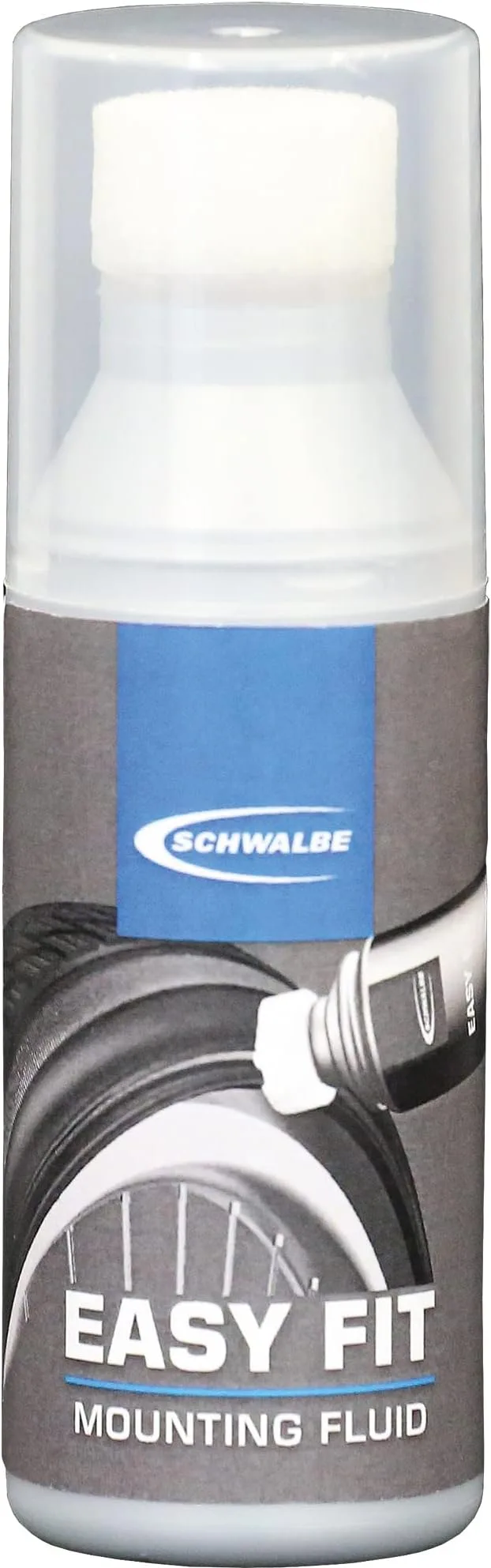
Schwalbe
Schwalbe Easy Fit Tire Mounting Fluid
One bottle does dozens of tire changes. Especially useful for stubborn tubeless setups (Schwalbe Pro One, Magic Mary etc.) where the bead needs help seating.
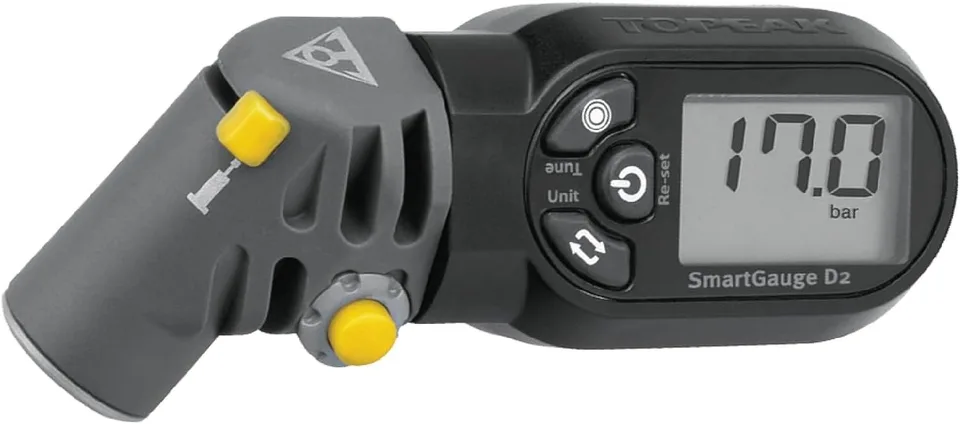
Topeak
Topeak SmartGauge D2 Digital Tire Pressure Gauge
Pocket-sized digital gauge. Reads tire, suspension fork, and rear shock pressures. No valve adapter swap required.
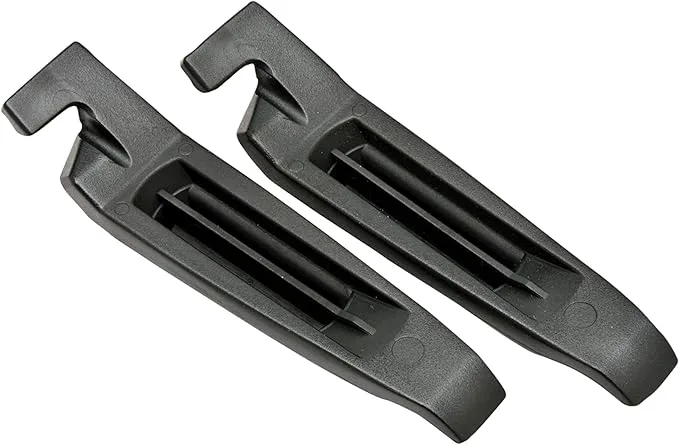
Bell
Bell Persuader 200 Tire Levers
Pair with a spare tube or patch kit; useful for most clincher tire setups.
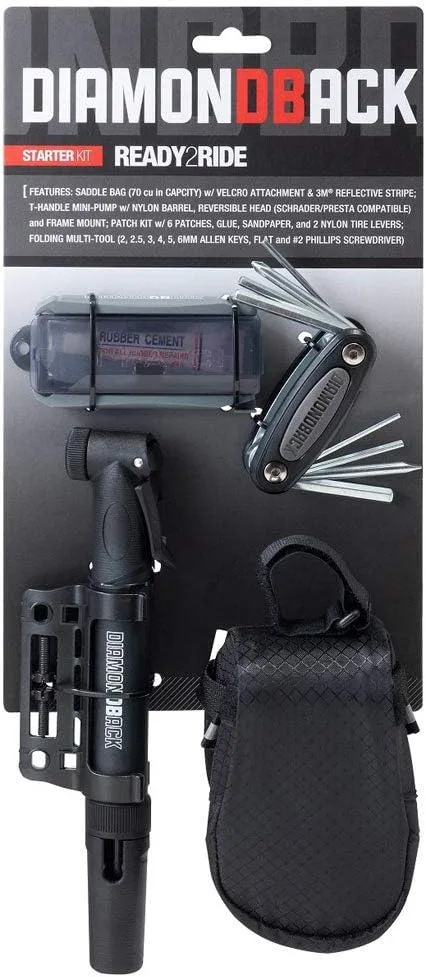
Diamondback
Diamondback Ready 2 Ride Toolkit (Deluxe)
Slightly more comprehensive variant of the Ready 2 Ride kit - same target use but with a few extra tools.
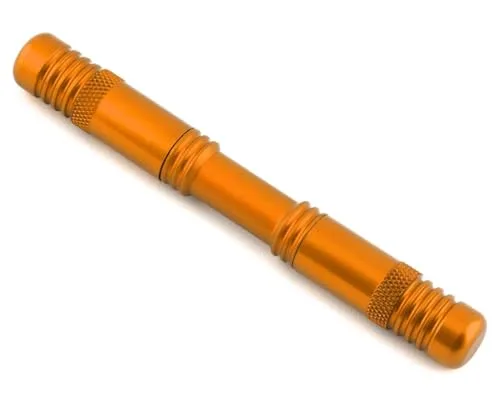
Dynaplug
Dynaplug Racer Pro Bicycle Tire Repair Tool
Pick Racer Pro if you want more loaded plugs and a metal body. It is still pocket-small but feels more like a long-term tool than an emergency-only spare.
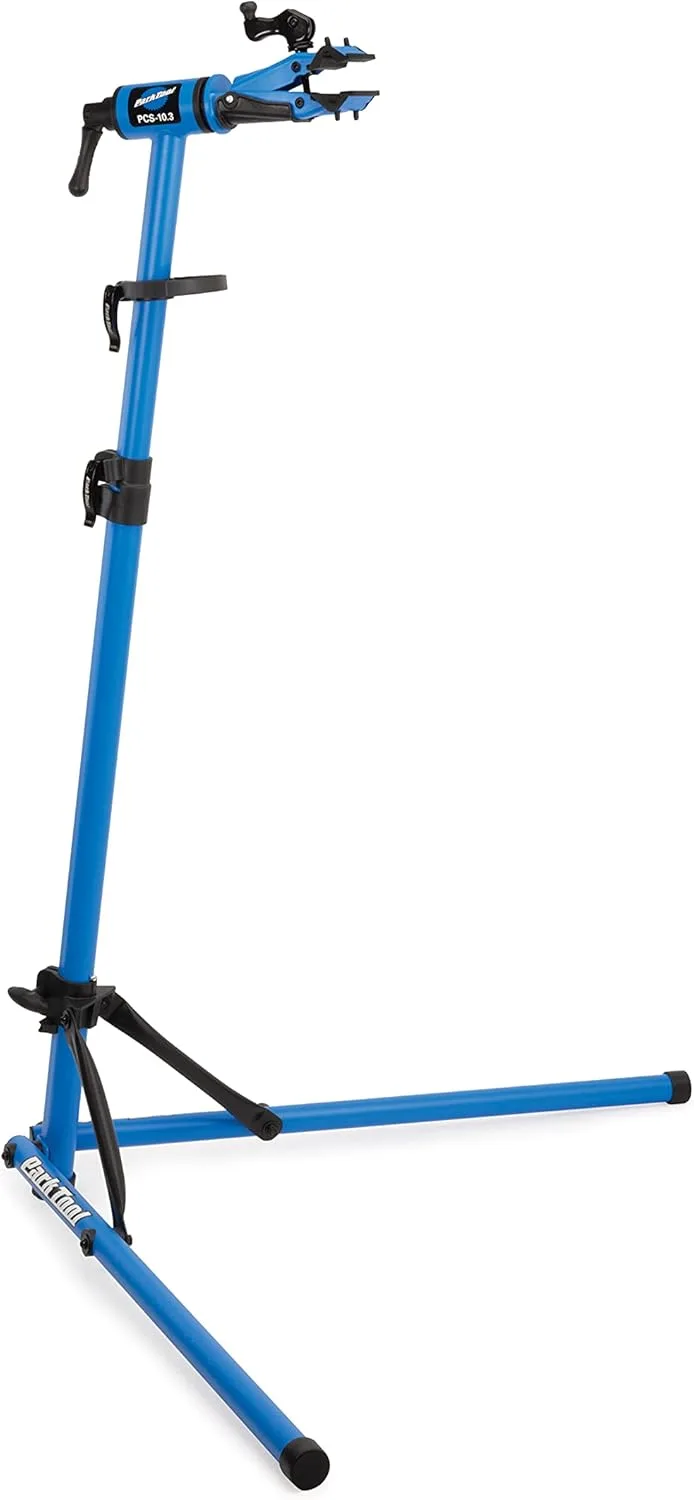
Park Tool
Park Tool PCS-10.3 Deluxe Home Mechanic Repair Stand
The deluxe big brother to the PCS-9.3 - wider clamping range, taller maximum height, and micro-adjustable cam. A better pick for tall riders who want bottom-bracket-height clamping or anyone working on aero/oval seatposts.
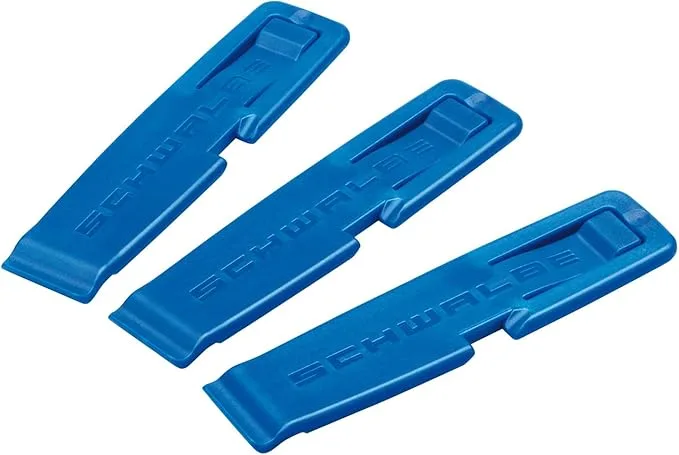
Schwalbe
Schwalbe Tire Lever Set (3-pack)
The reference set of plastic levers - fits virtually all clincher and tubeless rims. Compact enough for a saddle-bag or jersey pocket.
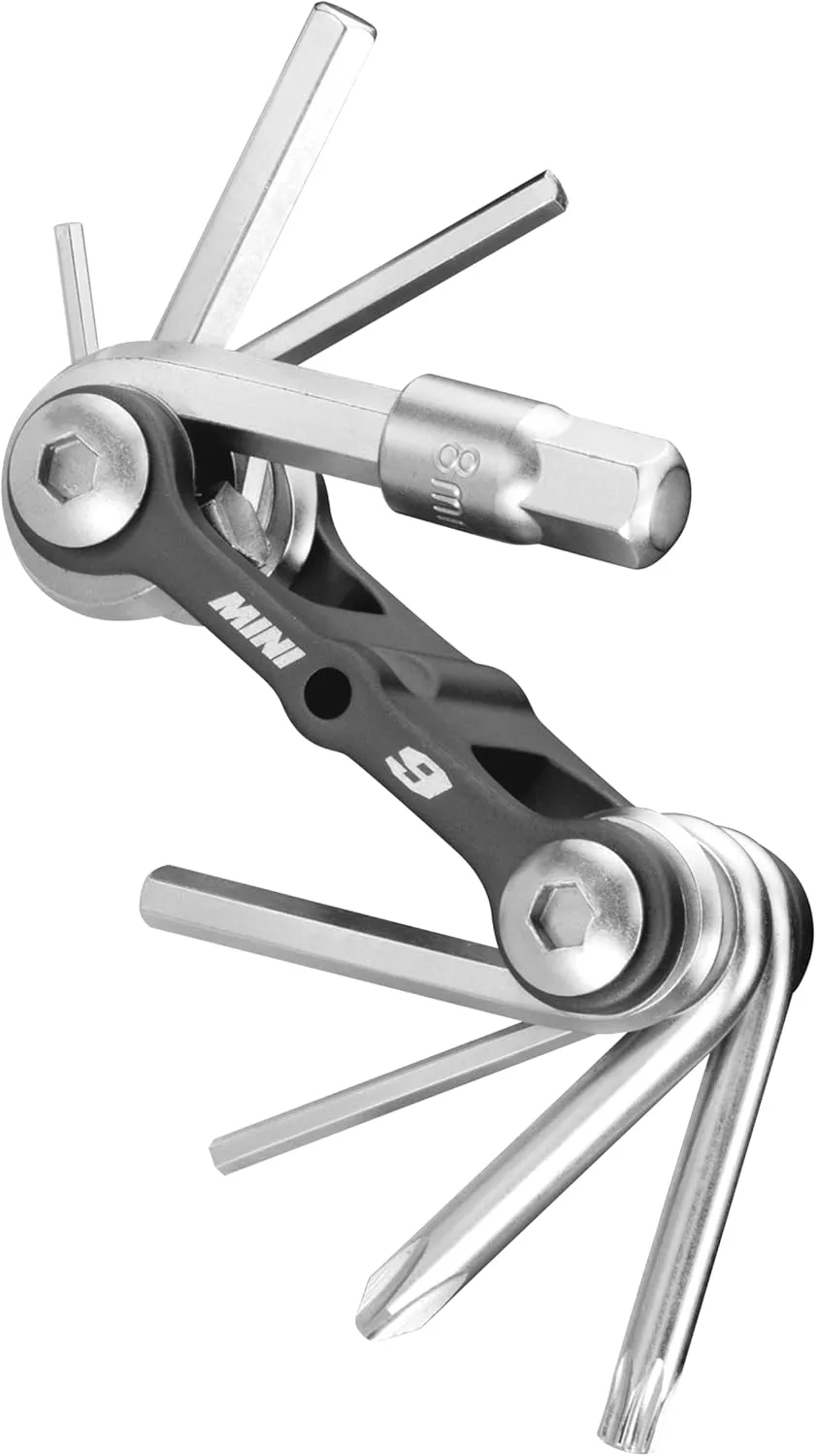
Topeak
Topeak Mini 9 Multi-Tool
Compact saddlebag/jersey-pocket multi-tool. Covers the most common trailside adjustments. Includes neoprene carry pouch.
As an Amazon Associate we earn from qualifying purchases. Purchases made through these links help support our free calculators.
What matters for beginners
Choose a position you can sustain now, with comfortable mounting and reliable access to brakes and shifters. Measure height and cycling inseam; relatively shorter or longer torso and arm proportions may change the cockpit you need. If the chart suggests two sizes, compare the exact model-year reach, stack, standover and saddle range. Size down only when the smaller candidate passes and the larger cannot; size up when the reverse is true. Either may work within adjustment limits, or there may not be enough evidence to choose. Set the saddle for pedaling, not simply to reach the ground while seated or to shorten handlebar reach. Check stopping and dismounting separately. Respect seatpost insertion, saddle rail and fork/spacer limits, and ask a shop or fitter to resolve missing data, unsafe controls or persistent discomfort.
Tools sizing guidance
Bike tools don't size to riders, but they do size to the job. A ride-along multi-tool needs to live in a saddle bag or jersey pocket - look for 8-15 functions, sub-150 g, with a hex range of 2-8 mm plus Torx T25 (the standard for modern disc-brake rotor bolts). A home workshop kit can be heavier and more specialised: a dedicated chain tool, a 14/15 G spoke wrench (3.23 mm / 3.45 mm nipples are the two common sizes), a pedal wrench (15 mm flats and a long handle), and crucially a click-type torque wrench in the 2-14 Nm range for any carbon component. Carbon stems, handlebars, and seatposts have stamped torque specs (typically 4-6 Nm) and over-torquing crushes the carbon - eyeballing it isn't an option.
Most beginners choosing tools also compare bags & panniers for beginners, baskets for beginners, and bells & horns for beginners.
Expert tips
- Ask a local bike shop what sizing, assembly and follow-up services are included before buying
- When test riding, ride for at least 10-15 minutes to feel how the bike really fits
- Start with a hybrid or fitness bike if unsure-they're versatile and forgiving
- Practice controlled stopping and dismounting in a safe area; a suitable pedaling saddle height does not necessarily allow both feet flat while seated