Rider-matched picks
Tools for e-bike riders
Size-matched tools picks for e-bike riders, with fit and feature priorities curated for how e-bike riders actually ride.
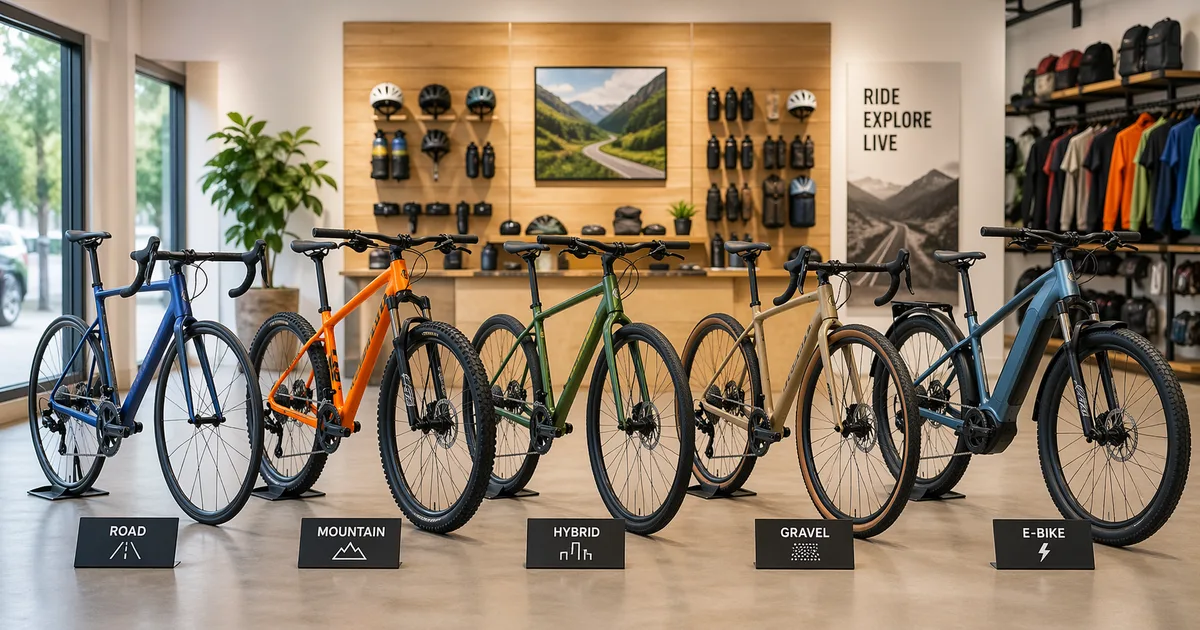
Tools picks for e-bike riders
Check Amazon for current pricing and availability.
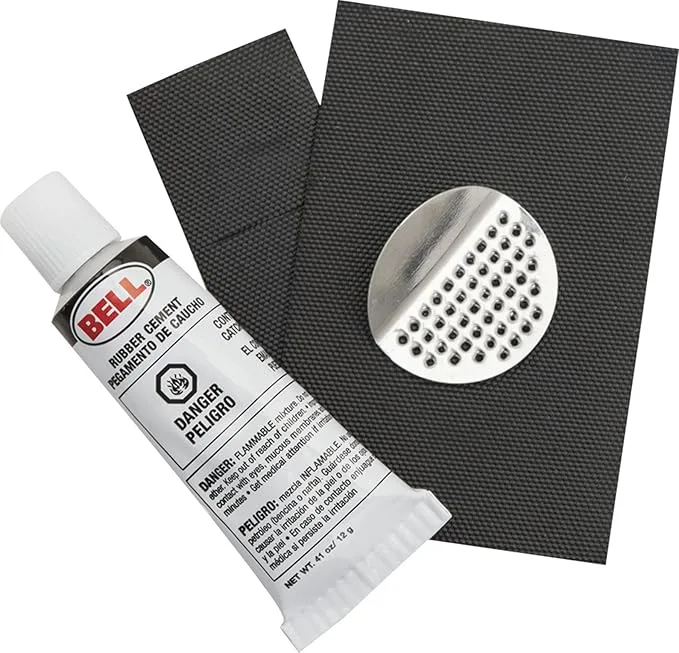
Bell
Bell Patch-It Tube Repair Kit
Carry with tire levers and a pump; works best for repairable tube punctures.
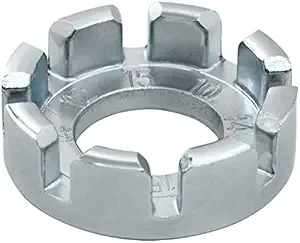
Diamondback
Diamondback Forged Round Spoke Wrench
Multi-size spoke wrench for tweaking wheel trueness - match the slot to your nipple size to avoid rounding.
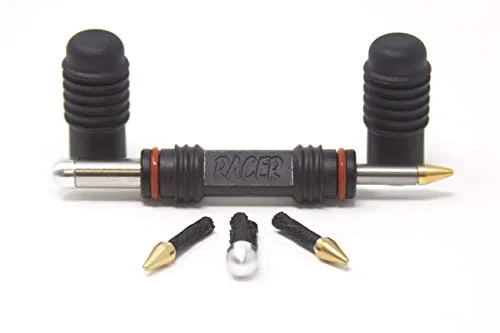
Dynaplug
Dynaplug Carbon Racer Tubeless Repair Tool
Best for road and smoother gravel tubeless setups where a tiny plug tool can live under a bottle cage. Dynaplug warns the holder can dislodge on rugged trails, so MTB riders should pocket it or store it in a bag.
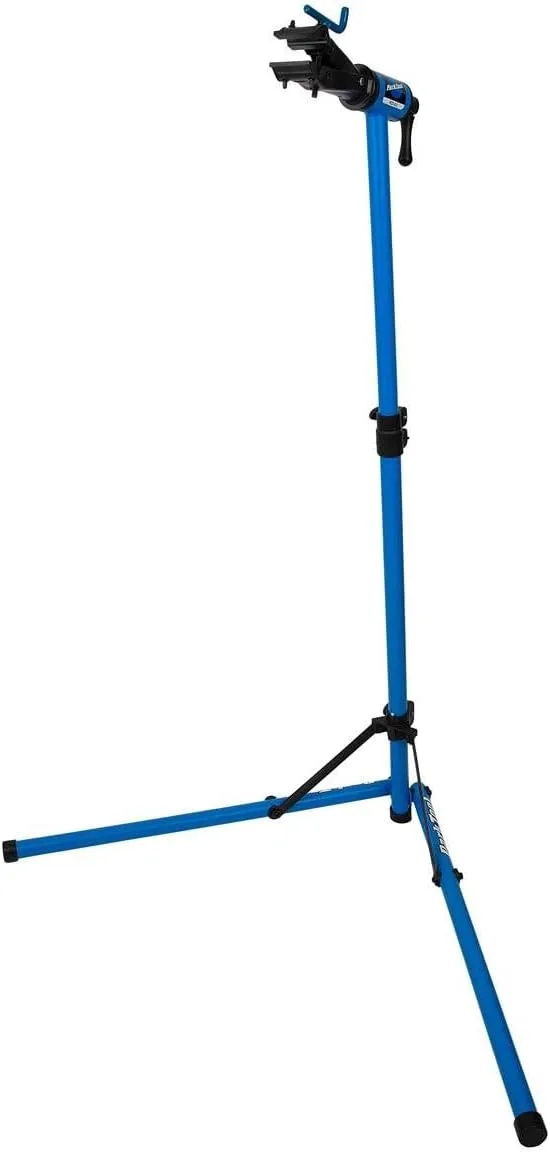
Park Tool
Park Tool PCS-9.3 Home Mechanic Repair Stand
Designed for home use - bench-friendly footprint and folds flat. Clamps any standard round seatpost or top tube. Not as tall as the PCS-10.3 (height adjusts up to ~57" vs 60").

Schwalbe
Schwalbe Easy Fit Tire Mounting Fluid
One bottle does dozens of tire changes. Especially useful for stubborn tubeless setups (Schwalbe Pro One, Magic Mary etc.) where the bead needs help seating.
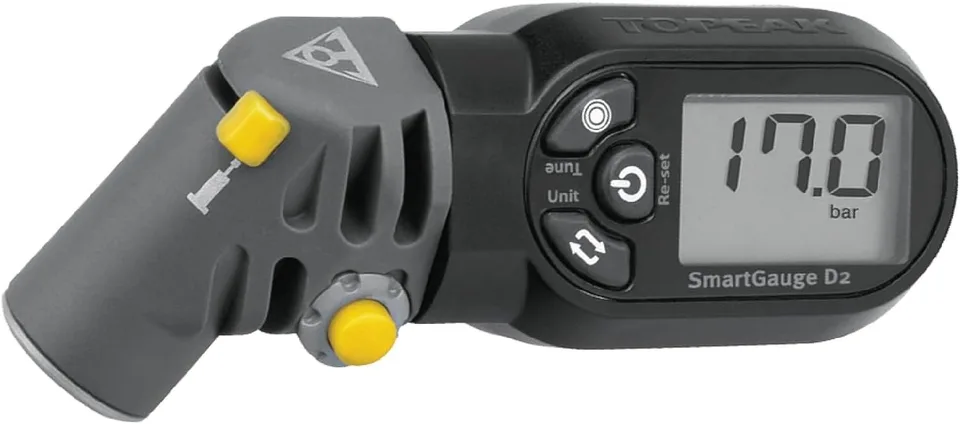
Topeak
Topeak SmartGauge D2 Digital Tire Pressure Gauge
Pocket-sized digital gauge. Reads tire, suspension fork, and rear shock pressures. No valve adapter swap required.
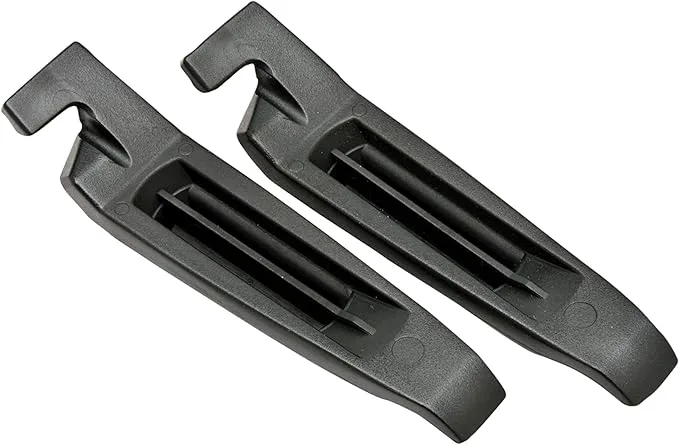
Bell
Bell Persuader 200 Tire Levers
Pair with a spare tube or patch kit; useful for most clincher tire setups.
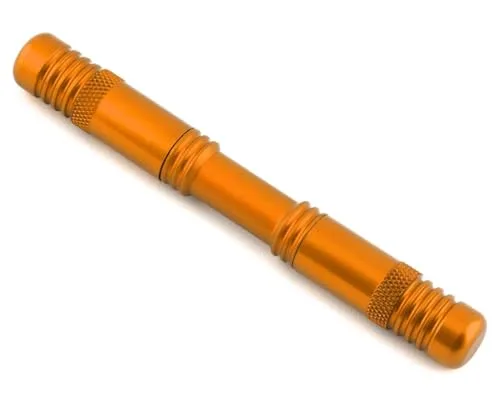
Dynaplug
Dynaplug Racer Pro Bicycle Tire Repair Tool
Pick Racer Pro if you want more loaded plugs and a metal body. It is still pocket-small but feels more like a long-term tool than an emergency-only spare.
Park Tool
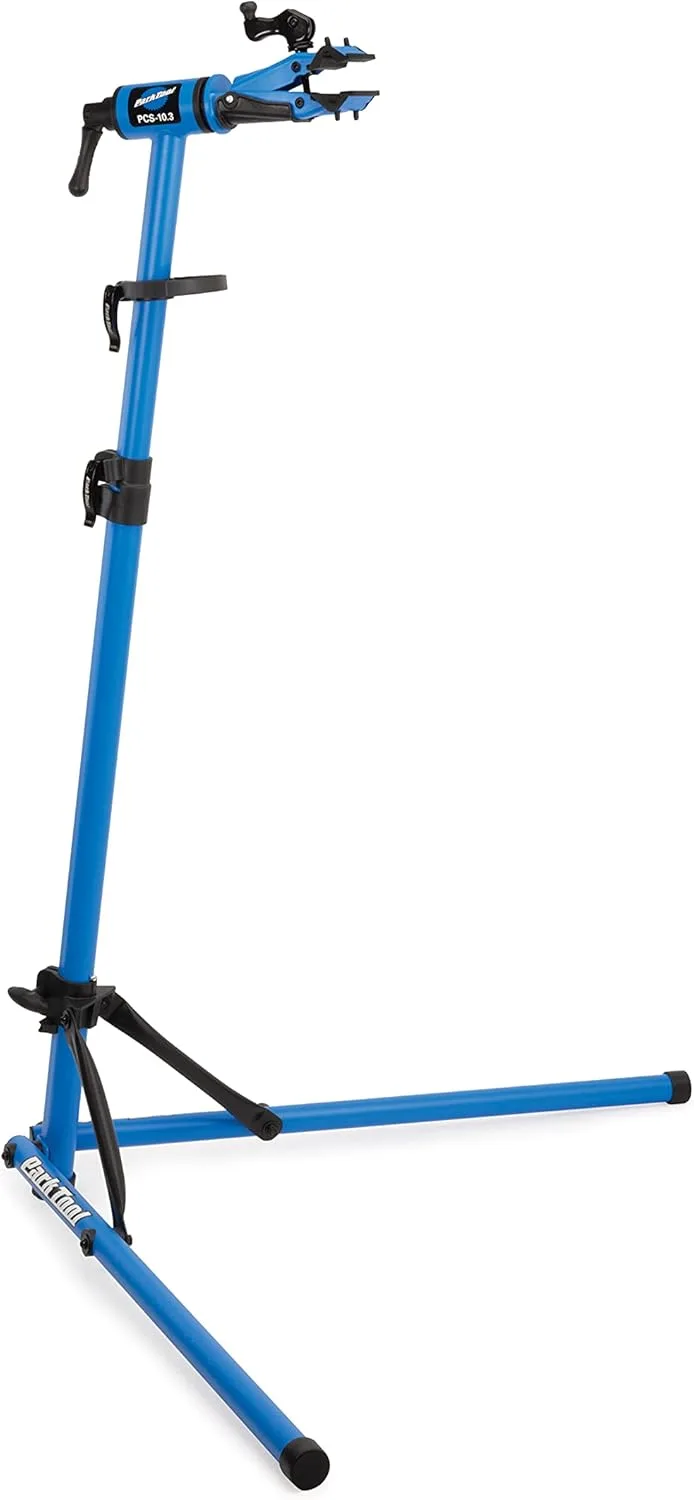
Park Tool PCS-10.3 Deluxe Home Mechanic Repair Stand
The deluxe big brother to the PCS-9.3 - wider clamping range, taller maximum height, and micro-adjustable cam. A better pick for tall riders who want bottom-bracket-height clamping or anyone working on aero/oval seatposts.
Schwalbe
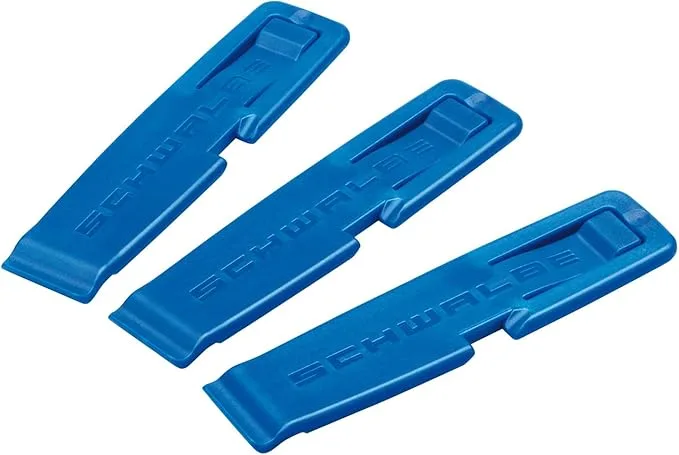
Schwalbe Tire Lever Set (3-pack)
The reference set of plastic levers - fits virtually all clincher and tubeless rims. Compact enough for a saddle-bag or jersey pocket.
Topeak
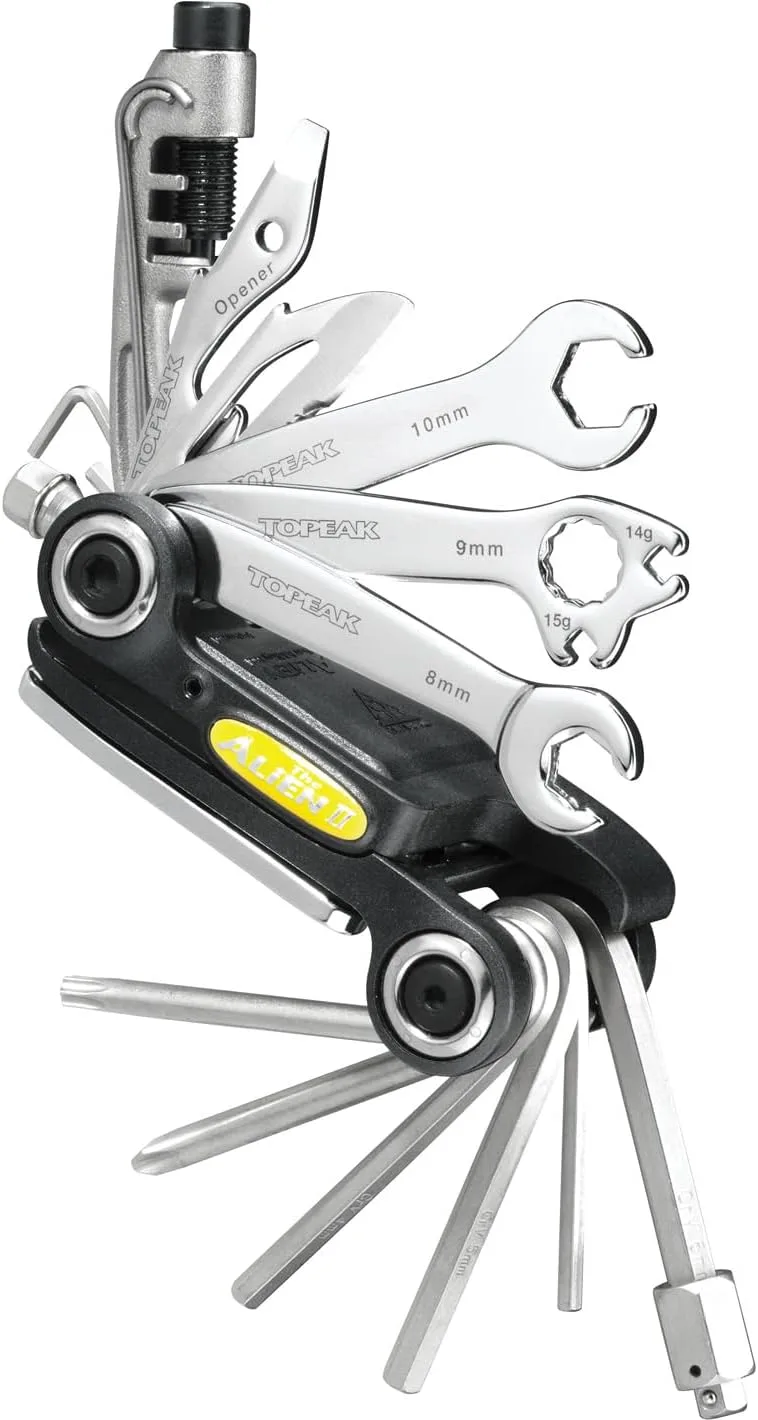
Topeak Alien II 31-Function Multi-Tool
All-in-one mechanic's kit for touring, bikepacking, or shop use. Heavier than the Mini 9 but covers chain repair and serious wrenching. Comes with nylon belt-clip pouch.
Park Tool
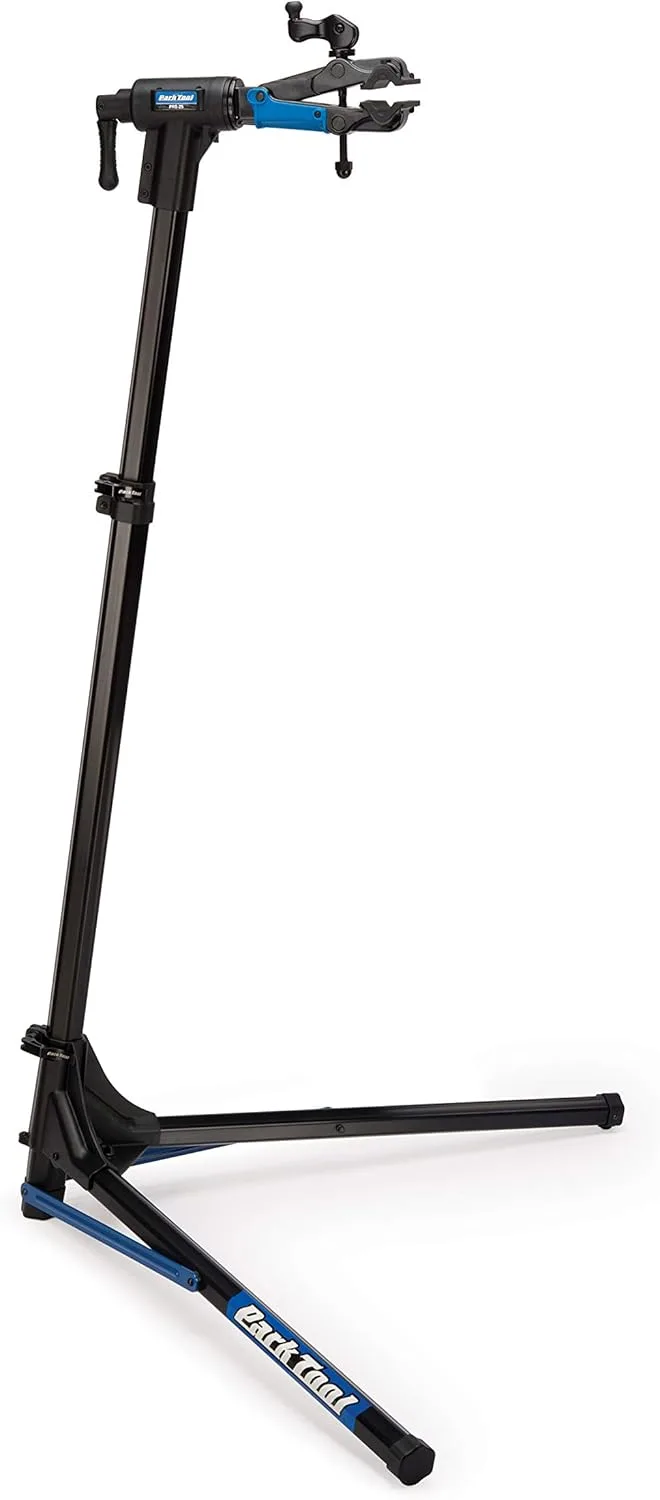
Park Tool PRS-25 Team Issue Portable Repair Stand
Pro-grade portable stand used by World Tour service crews. Significantly more stable than budget portable stands but pricier than the home-mechanic PCS series. Best for travel, race-day, and event mechanics.
As an Amazon Associate we earn from qualifying purchases. Purchases made through these links help support our free calculators.
What matters for e-bike riders
E-bikes weigh 20-30 kg compared to 8-12 kg for acoustic bikes, which fundamentally changes how sizing affects handling. The extra weight actually improves stability at speed but makes low-speed maneuvering and stopping more critical - ensure you can confidently put both feet flat on the ground when stopping, especially if you're new to cycling. Step-through frames are strongly recommended for riders with any flexibility limitations, as swinging a leg over a heavy e-bike is significantly harder than a standard bicycle. Mid-drive motors (Bosch, Shimano, Brose) center weight low near the bottom bracket, providing better balance than hub motors which place weight in the wheel. Battery placement (downtube integrated vs rear rack) also affects weight distribution - integrated downtube batteries provide the most natural handling. When sizing, use the same frame size you'd ride on an acoustic bike of the same type - e-road bikes size like road bikes, e-MTBs size like mountain bikes. The motor assist actually makes sizing slightly more forgiving, as you're less reliant on optimal pedaling efficiency.
Tools sizing guidance
Bike tools don't size to riders, but they do size to the job. A ride-along multi-tool needs to live in a saddle bag or jersey pocket - look for 8-15 functions, sub-150 g, with a hex range of 2-8 mm plus Torx T25 (the standard for modern disc-brake rotor bolts). A home workshop kit can be heavier and more specialised: a dedicated chain tool, a 14/15 G spoke wrench (3.23 mm / 3.45 mm nipples are the two common sizes), a pedal wrench (15 mm flats and a long handle), and crucially a click-type torque wrench in the 2-14 Nm range for any carbon component. Carbon stems, handlebars, and seatposts have stamped torque specs (typically 4-6 Nm) and over-torquing crushes the carbon - eyeballing it isn't an option.
Most e-bike riders choosing tools also compare bags & panniers for e-bike riders, baskets for e-bike riders, and bells & horns for e-bike riders.
Expert tips
- Size your e-bike the same as you would the acoustic version - a Trek Rail sizes like a Trek Fuel EX
- Step-through frames aren't just for seniors - they're practical for anyone who stops frequently in traffic
- Mid-drive motors (Bosch, Shimano, Specialized) provide the most natural pedal feel and better hill climbing
- Test ride with the battery fully charged AND nearly empty - the bike handles differently with 3-4 kg less weight
Tools head-to-head comparisons
Cross-shop the tools e-bike riders actually consider - specs, fit, and the deciding factor.