Rider-matched picks
Tools for competitive cyclists
Size-matched tools picks for competitive cyclists, with fit and feature priorities curated for how competitive cyclists actually ride.
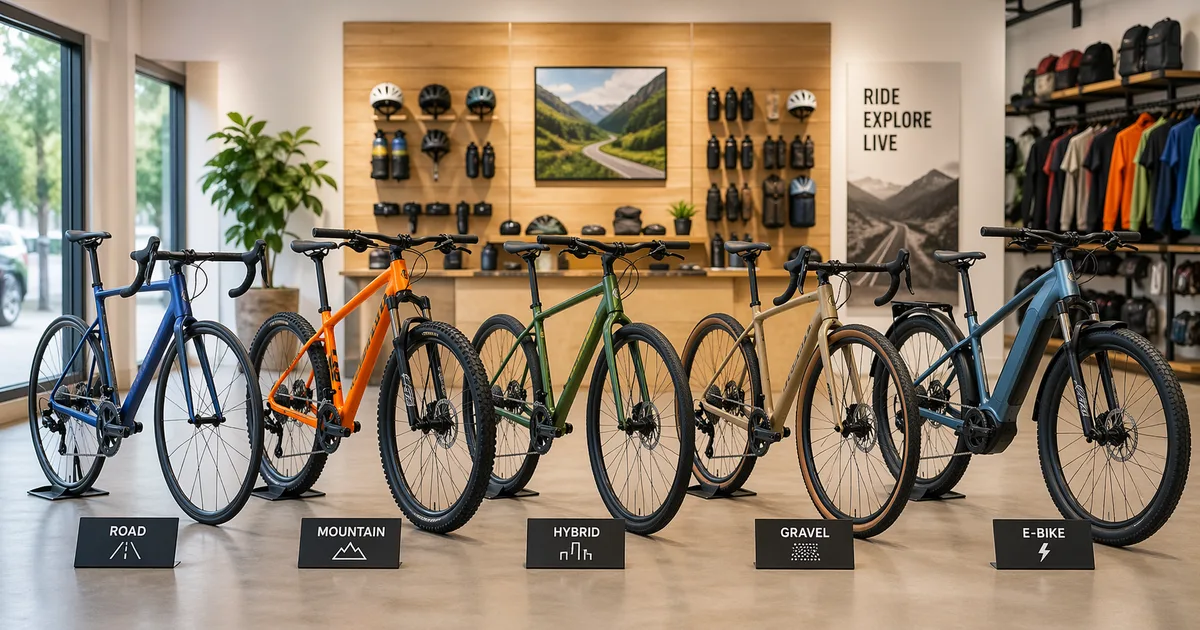
Tools picks for competitive cyclists
Check Amazon for current pricing and availability.
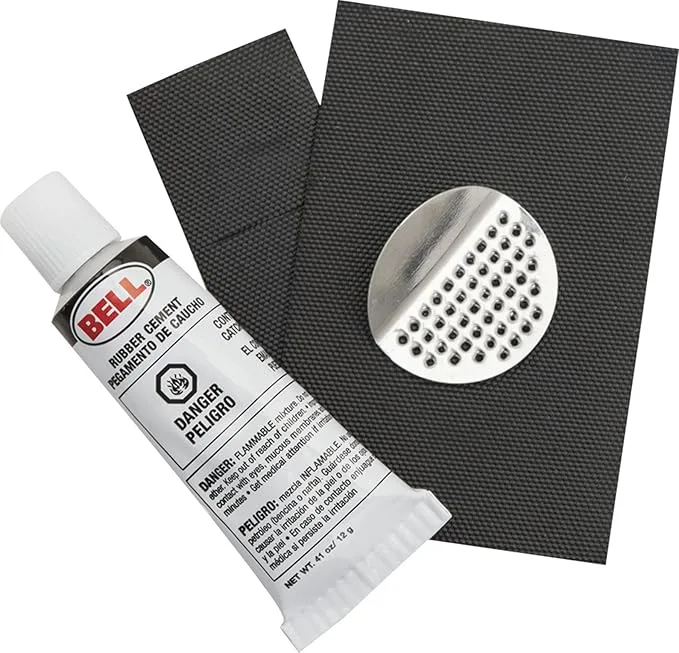
Bell
Bell Patch-It Tube Repair Kit
Carry with tire levers and a pump; works best for repairable tube punctures.
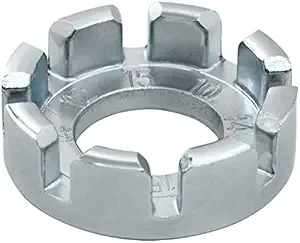
Diamondback
Diamondback Forged Round Spoke Wrench
Multi-size spoke wrench for tweaking wheel trueness - match the slot to your nipple size to avoid rounding.
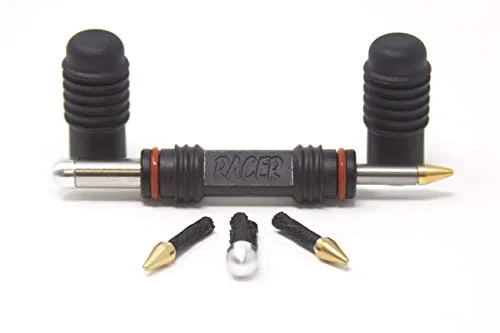
Dynaplug
Dynaplug Carbon Racer Tubeless Repair Tool
Best for road and smoother gravel tubeless setups where a tiny plug tool can live under a bottle cage. Dynaplug warns the holder can dislodge on rugged trails, so MTB riders should pocket it or store it in a bag.
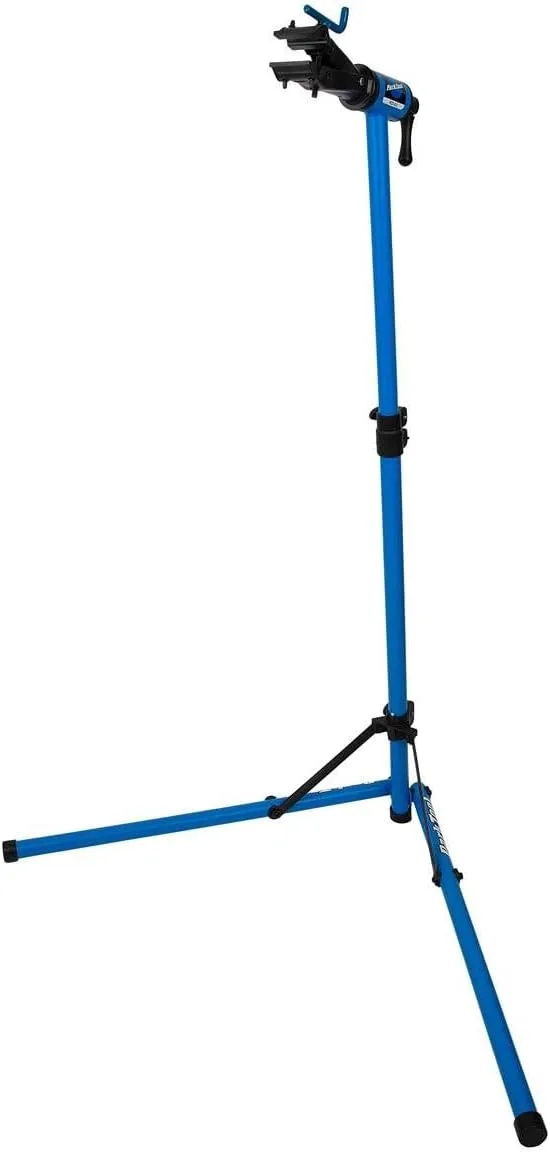
Park Tool
Park Tool PCS-9.3 Home Mechanic Repair Stand
Designed for home use - bench-friendly footprint and folds flat. Clamps any standard round seatpost or top tube. Not as tall as the PCS-10.3 (height adjusts up to ~57" vs 60").
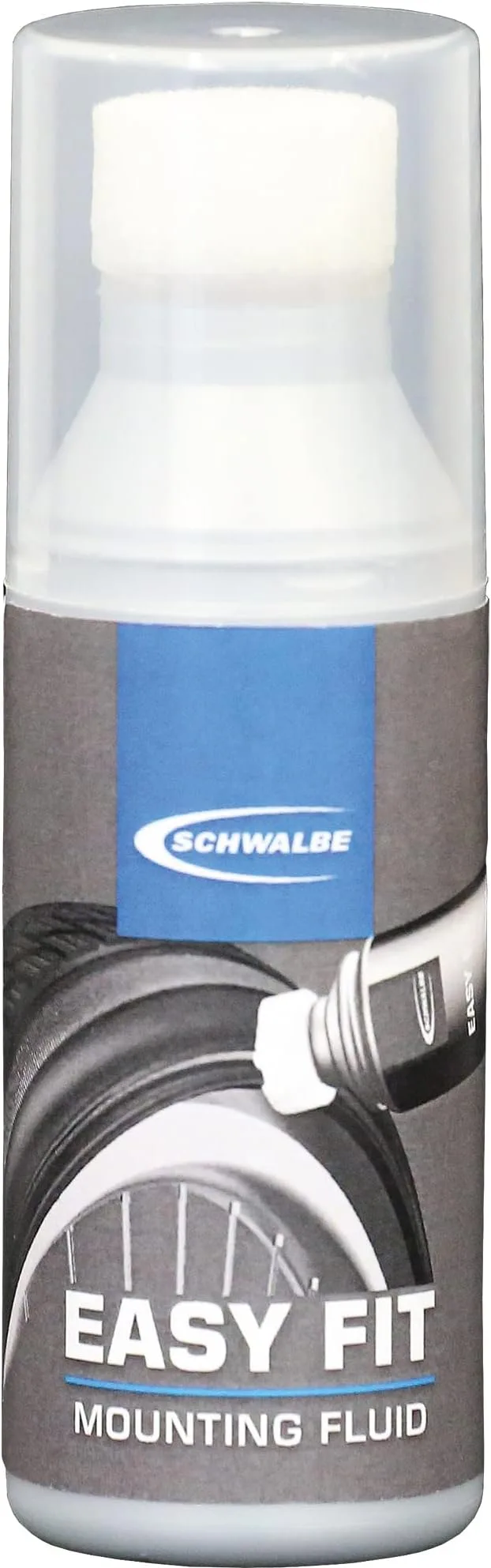
Schwalbe
Schwalbe Easy Fit Tire Mounting Fluid
One bottle does dozens of tire changes. Especially useful for stubborn tubeless setups (Schwalbe Pro One, Magic Mary etc.) where the bead needs help seating.
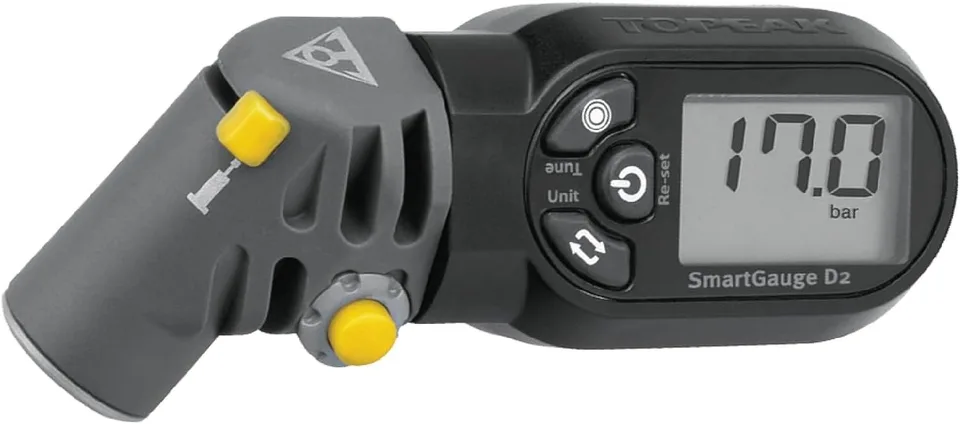
Topeak
Topeak SmartGauge D2 Digital Tire Pressure Gauge
Pocket-sized digital gauge. Reads tire, suspension fork, and rear shock pressures. No valve adapter swap required.
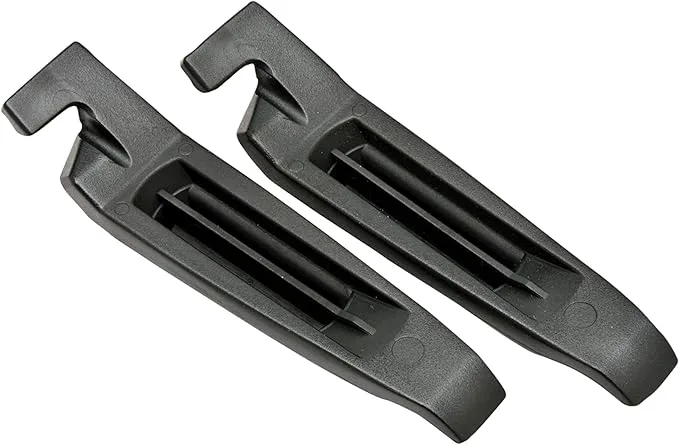
Bell
Bell Persuader 200 Tire Levers
Pair with a spare tube or patch kit; useful for most clincher tire setups.
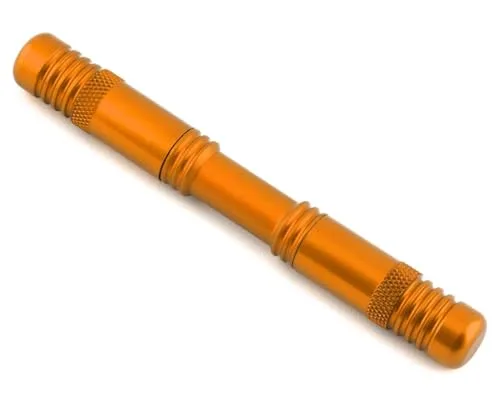
Dynaplug
Dynaplug Racer Pro Bicycle Tire Repair Tool
Pick Racer Pro if you want more loaded plugs and a metal body. It is still pocket-small but feels more like a long-term tool than an emergency-only spare.
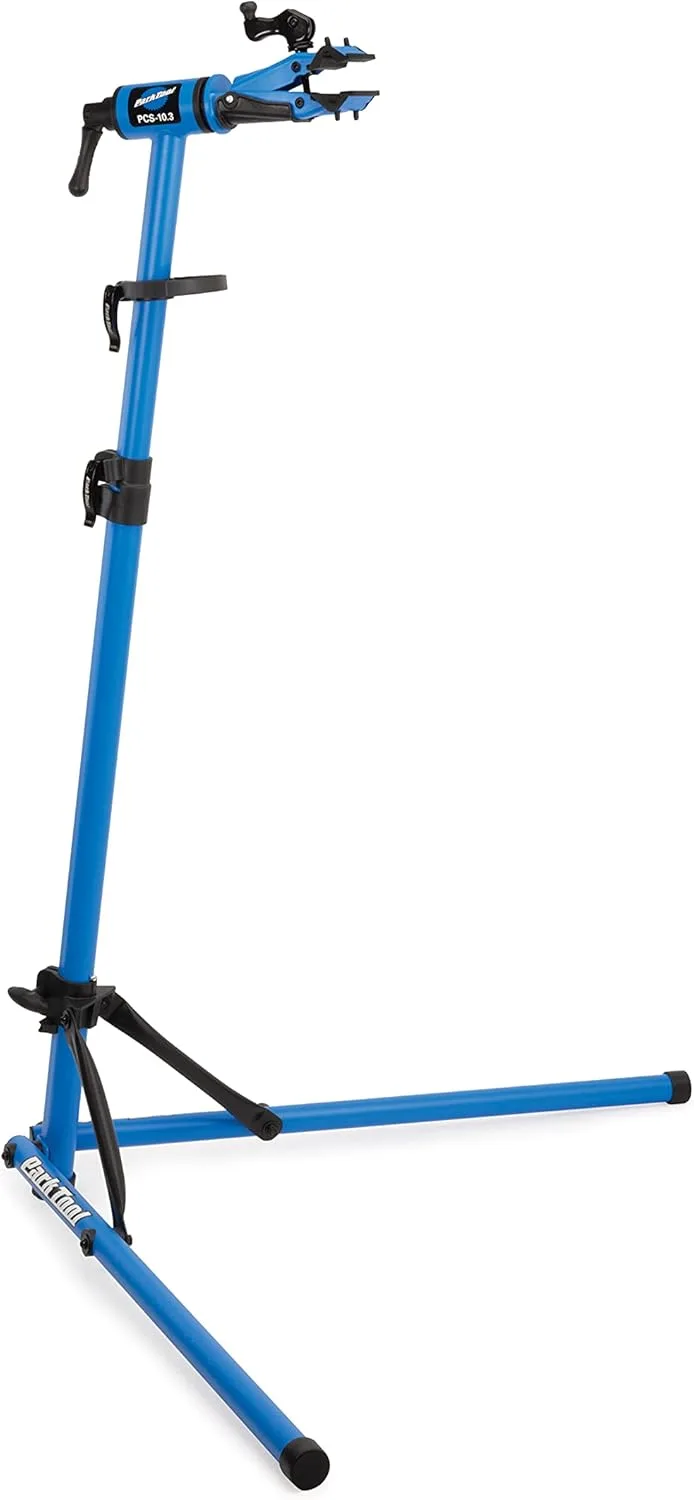
Park Tool
Park Tool PCS-10.3 Deluxe Home Mechanic Repair Stand
The deluxe big brother to the PCS-9.3 - wider clamping range, taller maximum height, and micro-adjustable cam. A better pick for tall riders who want bottom-bracket-height clamping or anyone working on aero/oval seatposts.
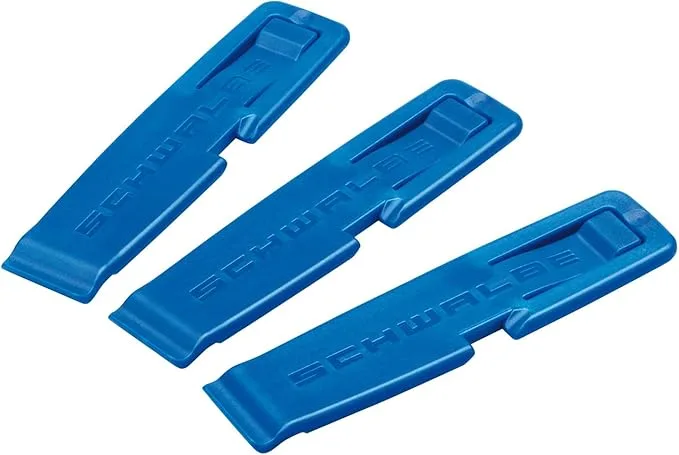
Schwalbe
Schwalbe Tire Lever Set (3-pack)
The reference set of plastic levers - fits virtually all clincher and tubeless rims. Compact enough for a saddle-bag or jersey pocket.
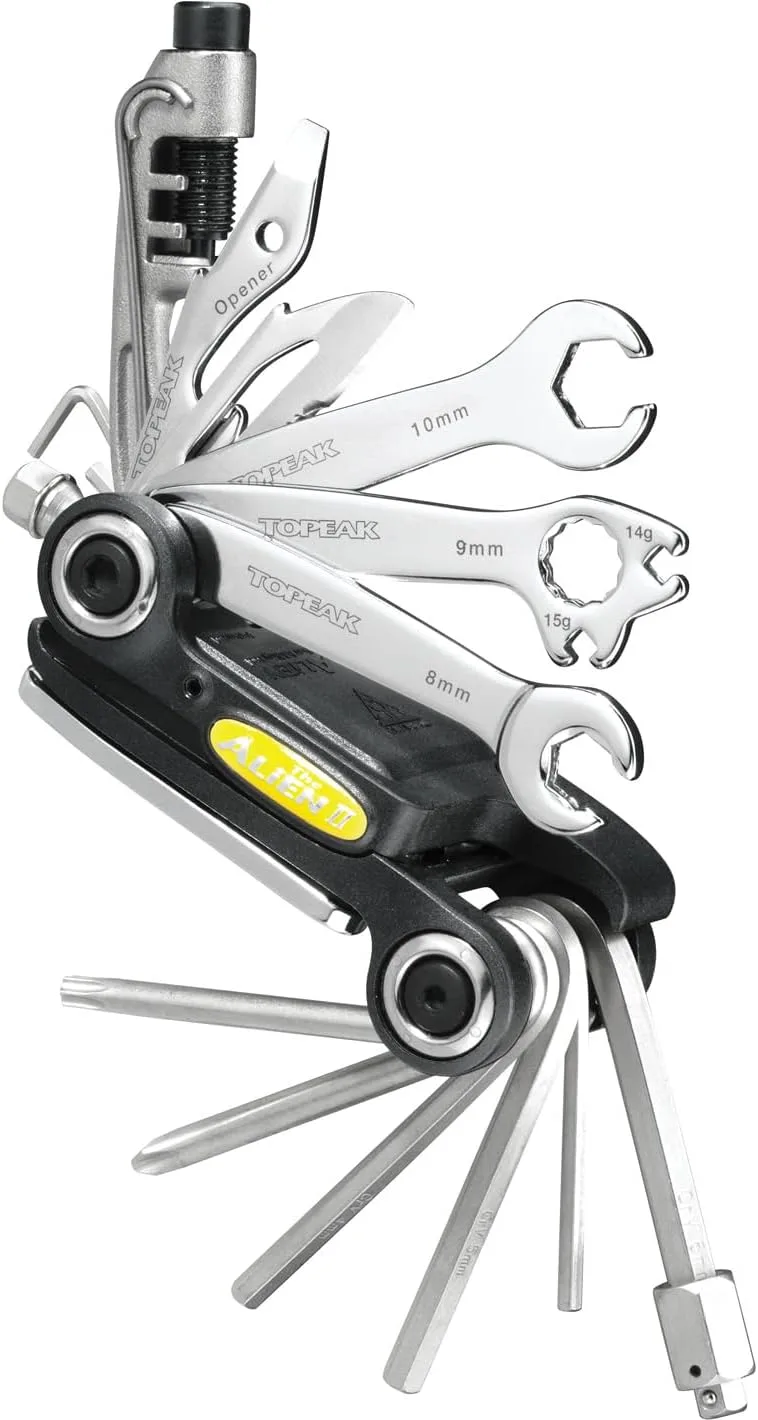
Topeak
Topeak Alien II 31-Function Multi-Tool
All-in-one mechanic's kit for touring, bikepacking, or shop use. Heavier than the Mini 9 but covers chain repair and serious wrenching. Comes with nylon belt-clip pouch.
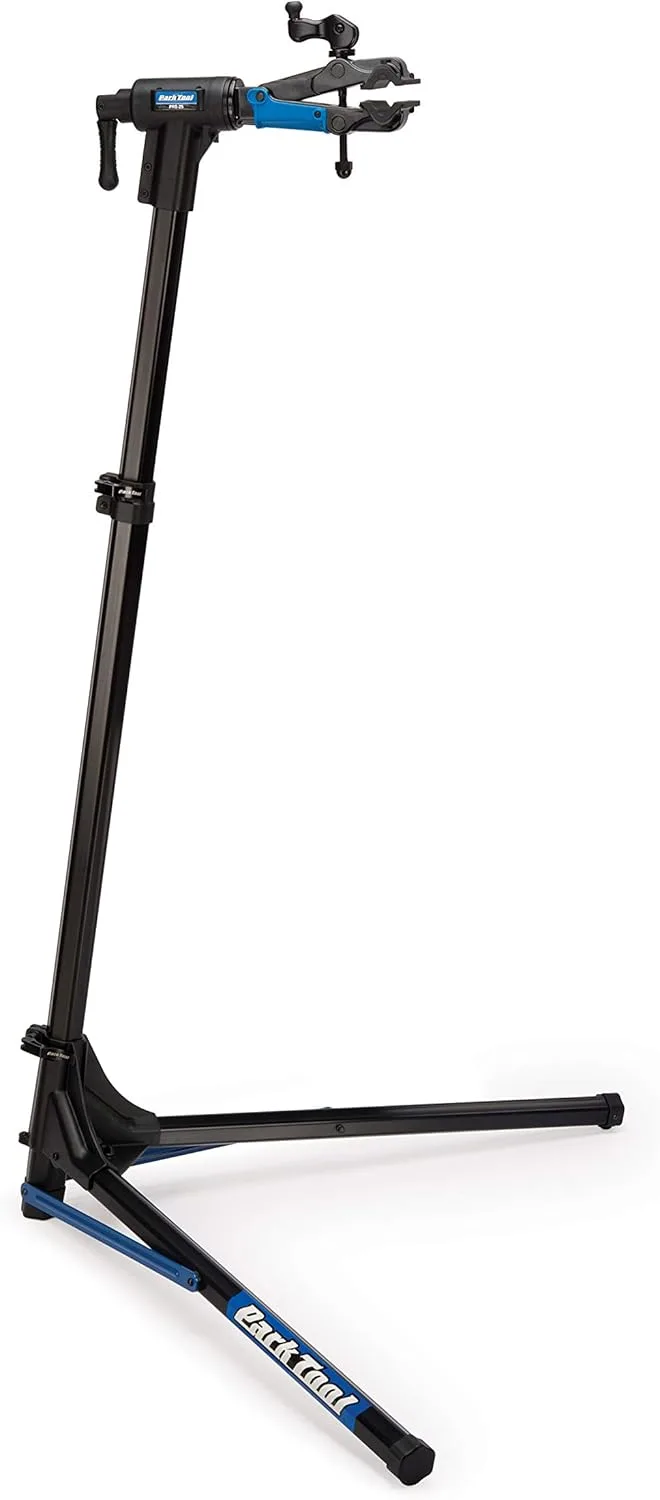
Park Tool
Park Tool PRS-25 Team Issue Portable Repair Stand
Pro-grade portable stand used by World Tour service crews. Significantly more stable than budget portable stands but pricier than the home-mechanic PCS series. Best for travel, race-day, and event mechanics.
As an Amazon Associate we earn from qualifying purchases. Purchases made through these links help support our free calculators.
What matters for competitive cyclists
Racing demands aggressive positioning that prioritizes aerodynamics and power transfer over pure comfort. This means a handlebar drop of 5-10cm below saddle height for optimal frontal area reduction, reach that allows a flat back with bent elbows at approximately 155-165 degrees, and precise saddle positioning with knee tracking directly over the pedal spindle at 3 o'clock. However, you must have the flexibility and core strength to sustain these positions - overreaching creates inefficiency, power loss, and injury. Most professional fitters use the 109% inseam method for saddle height and adjust reach based on shoulder flexibility tests. For criterium racing, consider slightly shorter reach for quick handling in tight corners. For time trials, a lower front end with aero extensions changes the fit equation entirely. If you're spending over $5,000 on a race bike, invest $200-350 in a professional Retül or Guru bike fit to optimize your position.
Tools sizing guidance
Bike tools don't size to riders, but they do size to the job. A ride-along multi-tool needs to live in a saddle bag or jersey pocket - look for 8-15 functions, sub-150 g, with a hex range of 2-8 mm plus Torx T25 (the standard for modern disc-brake rotor bolts). A home workshop kit can be heavier and more specialised: a dedicated chain tool, a 14/15 G spoke wrench (3.23 mm / 3.45 mm nipples are the two common sizes), a pedal wrench (15 mm flats and a long handle), and crucially a click-type torque wrench in the 2-14 Nm range for any carbon component. Carbon stems, handlebars, and seatposts have stamped torque specs (typically 4-6 Nm) and over-torquing crushes the carbon - eyeballing it isn't an option.
Most competitive cyclists choosing tools also compare bottle cages for competitive cyclists, brake pads for competitive cyclists, and chain lube for competitive cyclists.
Expert tips
- Invest in a professional bike fit before investing in expensive components-fit improvements outweigh equipment
- A lower position is only faster if you can maintain it-sustainability matters in racing
- Saddle height affects power output more than any other single adjustment-get it precisely right
- Train flexibility specifically for cycling-hip flexor and hamstring mobility enable better positions
Tools head-to-head comparisons
Cross-shop the tools competitive cyclists actually consider - specs, fit, and the deciding factor.