Rider-matched picks
Gloves for competitive cyclists
Size-matched gloves picks for competitive cyclists, with fit and feature priorities curated for how competitive cyclists actually ride.

Gloves picks for competitive cyclists
Check Amazon for current pricing and availability.
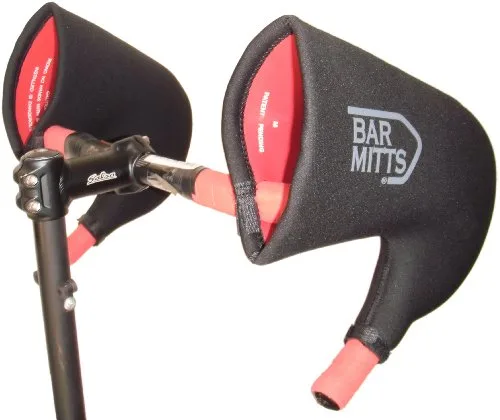
Bar Mitts
Bar Mitts Cold Weather Road Bicycle Handlebar Mittens fits Campy/SRAM/Shimano Shifters with Internally Routed Cables, Large, Black
This Amazon offer is the Large, black variant for internally routed drop-bar controls. Check the manufacturer's fit guidance before ordering; externally routed older shifters need a different Bar Mitts model.
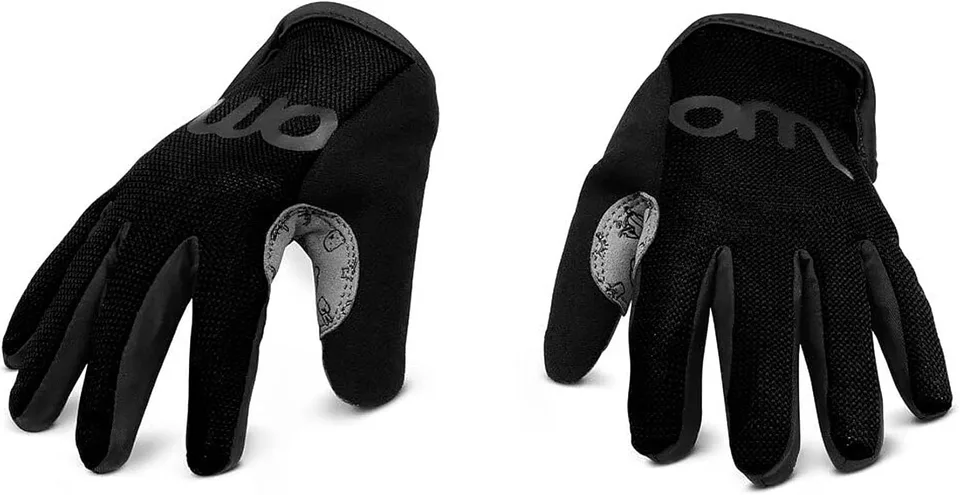
Woom
Woom TENS Bike Gloves (Kids)
Sized XS-XL by hand circumference. Multiple colorways available on the parent listing.
As an Amazon Associate we earn from qualifying purchases. Purchases made through these links help support our free calculators.
What matters for competitive cyclists
Racing demands aggressive positioning that prioritizes aerodynamics and power transfer over pure comfort. This means a handlebar drop of 5-10cm below saddle height for optimal frontal area reduction, reach that allows a flat back with bent elbows at approximately 155-165 degrees, and precise saddle positioning with knee tracking directly over the pedal spindle at 3 o'clock. However, you must have the flexibility and core strength to sustain these positions - overreaching creates inefficiency, power loss, and injury. Most professional fitters use the 109% inseam method for saddle height and adjust reach based on shoulder flexibility tests. For criterium racing, consider slightly shorter reach for quick handling in tight corners. For time trials, a lower front end with aero extensions changes the fit equation entirely. If you're spending over $5,000 on a race bike, invest $200-350 in a professional Retül or Guru bike fit to optimize your position.
Gloves sizing guidance
Measure hand circumference at the widest point across your palm, just below the knuckles, with the tape snug but not compressing the hand. Exclude the thumb. Most brands size: XS 6-7", S 7-7.5", M 7.5-8", L 8-9", XL 9-10". Italian brands (Castelli, Sportful) often run a half-size small; US brands (Giro, Pearl Izumi) size true. Kids gloves are usually sold by age band - XS (3-5 yrs), S (5-7), M (7-10), L (10-13) - but always cross-check against the brand's circumference chart because hand size varies more than age does.
Most competitive cyclists choosing gloves also compare bottle cages for competitive cyclists, brake pads for competitive cyclists, and chain lube for competitive cyclists.
Expert tips
- Invest in a professional bike fit before investing in expensive components-fit improvements outweigh equipment
- A lower position is only faster if you can maintain it-sustainability matters in racing
- Saddle height affects power output more than any other single adjustment-get it precisely right
- Train flexibility specifically for cycling-hip flexor and hamstring mobility enable better positions