Bike Size Guide for Racers & Competitive Cyclists
GuideStarting range, not final fit. Verify the exact model before buying.
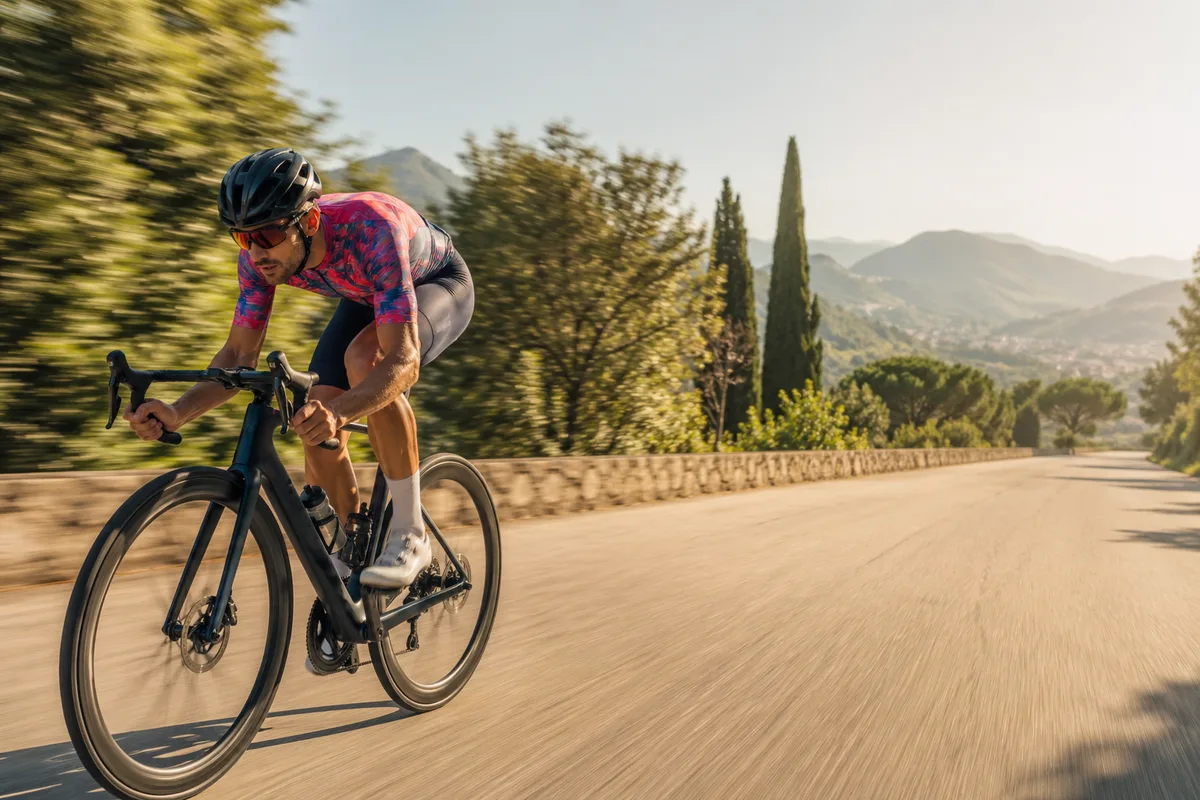
Competitive cyclists need precise bike fit to maximize power transfer and aerodynamics while maintaining the flexibility to ride aggressively for extended periods. Even a few millimeters of adjustment can affect watt output and race-day comfort over 4-6 hour events. This guide covers sizing for road racing, criteriums, time trials, and competitive gran fondos, including professional bike fitting techniques used by WorldTour teams and the specific geometry numbers that define a race-ready position.
A starting range, not final fit
A rider profile does not determine one exact frame or guarantee comfort. Measure height and cycling inseam, and keep any chart overlap or disagreement visible. Torso and arm proportions, mobility and intended riding can change which model works within the starting range.
Check both candidate sizes for standover, saddle range, sustainable cockpit reach and brake access. Respect seatpost, saddle rail and cockpit adjustment limits. Use the recommended brand links below to locate the exact model-year chart; brand-wide ranges and representative geometry are not verification of every model. Missing or conflicting dimensions call for a shop check, test ride or professional fit, not an automatic size-up or size-down rule.
Start the first-bike workflow or use the two-size worksheet and fit checklist before buying. Compare exact geometry when both model sizes have usable source data.
How to size a bike for competitive cyclists
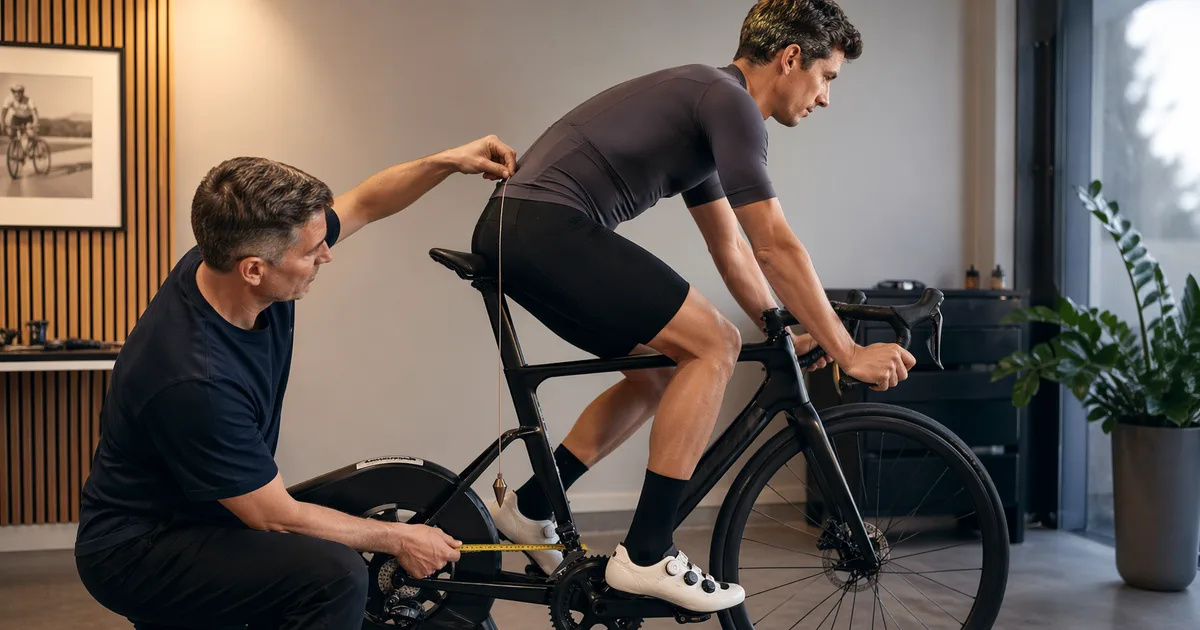
Racing demands aggressive positioning that prioritizes aerodynamics and power transfer over pure comfort. This means a handlebar drop of 5-10cm below saddle height for optimal frontal area reduction, reach that allows a flat back with bent elbows at approximately 155-165 degrees, and precise saddle positioning with knee tracking directly over the pedal spindle at 3 o'clock. However, you must have the flexibility and core strength to sustain these positions - overreaching creates inefficiency, power loss, and injury. Most professional fitters use the 109% inseam method for saddle height and adjust reach based on shoulder flexibility tests. For criterium racing, consider slightly shorter reach for quick handling in tight corners. For time trials, a lower front end with aero extensions changes the fit equation entirely. If you're spending over $5,000 on a race bike, invest $200-350 in a professional Retül or Guru bike fit to optimize your position.
Recommended Geometry Preferences
lower
longer
longer
shorter
steeper for power
Which brands fit competitive cyclists best?
These brands are known for offering excellent options for competitive cyclists.
Pinarello
Dogma F14 is among the most successful race bikes ever
What are the common sizing mistakes for competitive cyclists?
- 1Copying pro positions without pro flexibility-aggressive doesn't mean appropriate for you
- 2Going too aggressive too quickly instead of gradually adapting to lower positions
- 3Sacrificing handling for aerodynamics-a twitchy bike loses races
- 4Using the same position for all disciplines-crits, road races, and TTs have different needs
- 5Ignoring saddle pressure and numbness in pursuit of aerodynamics
- 6Skipping professional bike fitting-the gains from proper fit exceed most equipment upgrades
Expert tips for competitive cyclists
- 1Invest in a professional bike fit before investing in expensive components-fit improvements outweigh equipment
- 2A lower position is only faster if you can maintain it-sustainability matters in racing
- 3Saddle height affects power output more than any other single adjustment-get it precisely right
- 4Train flexibility specifically for cycling-hip flexor and hamstring mobility enable better positions
- 5Consider multiple bikes for different disciplines-aero bikes for flat races, lightweight for climbing
- 6Test your position in race conditions, not just the parking lot-fatigue changes everything
- 7Cleat position affects knee tracking and power-small adjustments make significant differences
The frame fits. What should you adjust next?
If the size is right but the ride still feels wrong, compare a video-based fit check with guided mobility work before changing several parts at once.
Explore Fit & MobilityCalculate Your Size
Use our calculator with preset values optimized for competitive cyclists. Adjust as needed based on your exact measurements.
Measure from the ground to your crotch while standing.
Competitive Cyclists Sizing FAQ
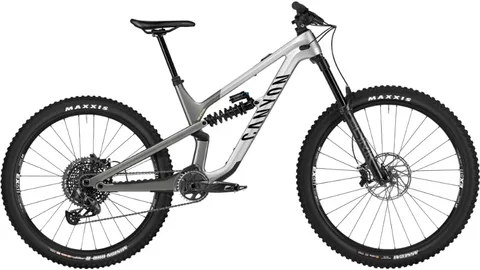
Recommended Bikes for Competitive Cyclists
Picks from our partner retailers, matched to this rider profile.
As an Amazon Associate we earn from qualifying purchases. Purchases made through these links help support our free calculators.
Once the frame size is set, match the contact and safety gear to this rider profile: compare bottle cages for competitive cyclists, brake pads for competitive cyclists, and chain lube for competitive cyclists.
Recommended accessories for Competitive Cyclists
Helmets, lights and gear that match this rider profile.
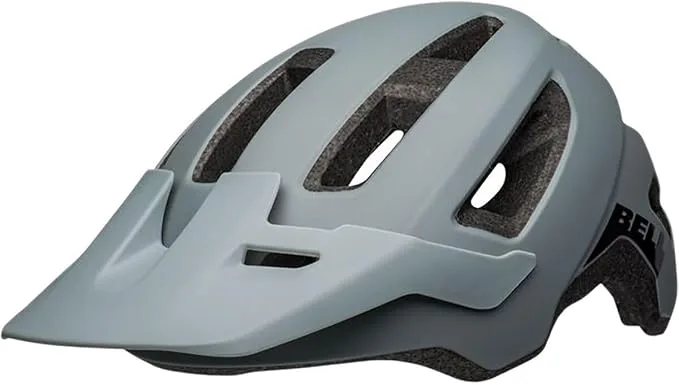
Bell
Bell Nomad 2 MIPS
This ASIN is Small/Medium 52-57 cm. Check the selected Amazon size/color before checkout.
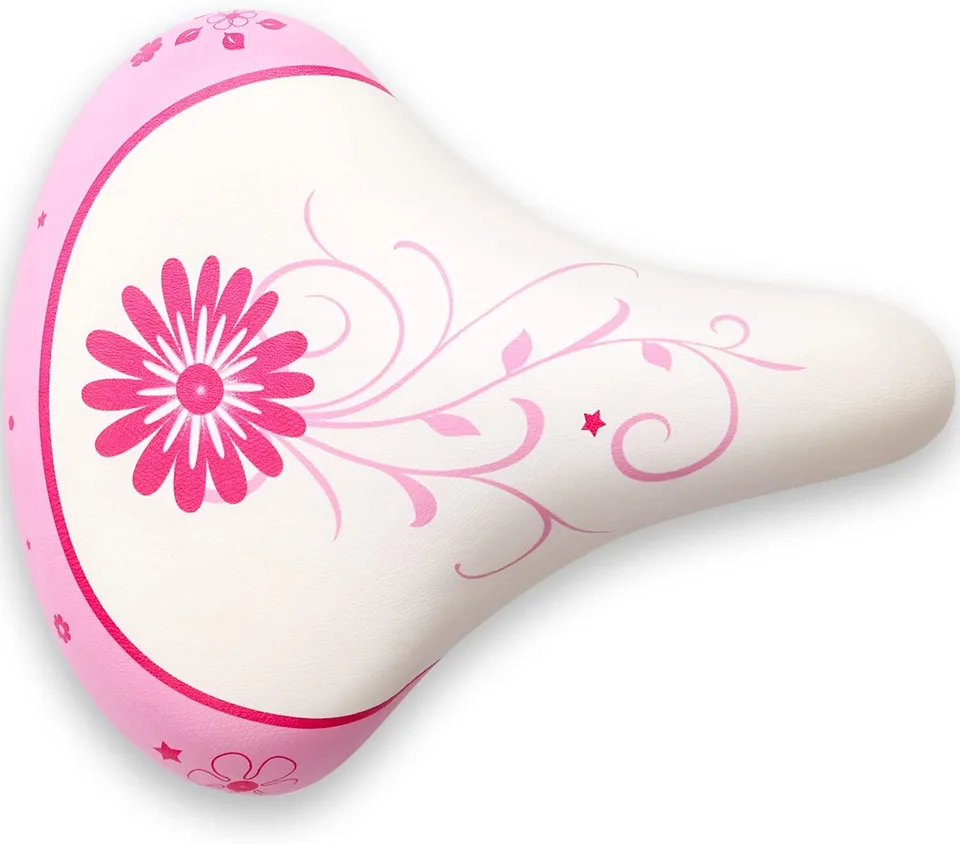
Avasta
AVASTA Kids Bicycle Saddle
Standard saddle rail spacing fits most kids' seatpost clamps. Designed primarily for 12-20" wheel kids' bikes; larger riders may prefer a wider adult saddle.
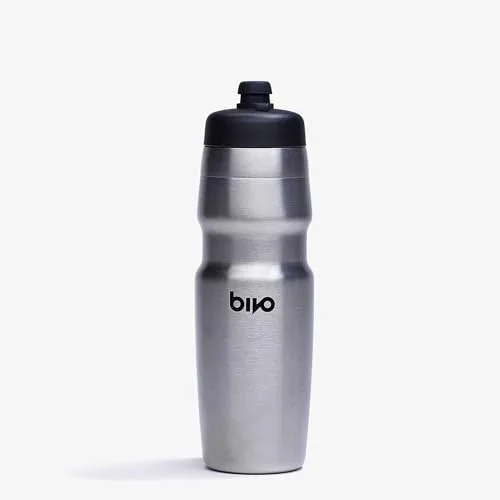
Bivo
Bivo Duo 25 oz Stainless Bottle
Fits most major cages, but the 77 mm maximum diameter is a touch larger than a standard plastic bottle. Check tight side-load cages on very small frames.
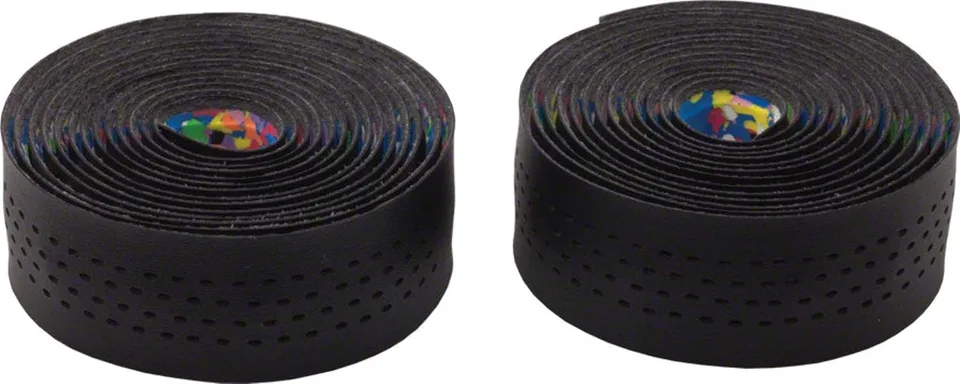
Cinelli
Cinelli Caleido Cork Tape
Standard drop-bar tape 23.8mm. 2m roll. Classic Italian aesthetic with natural materials.
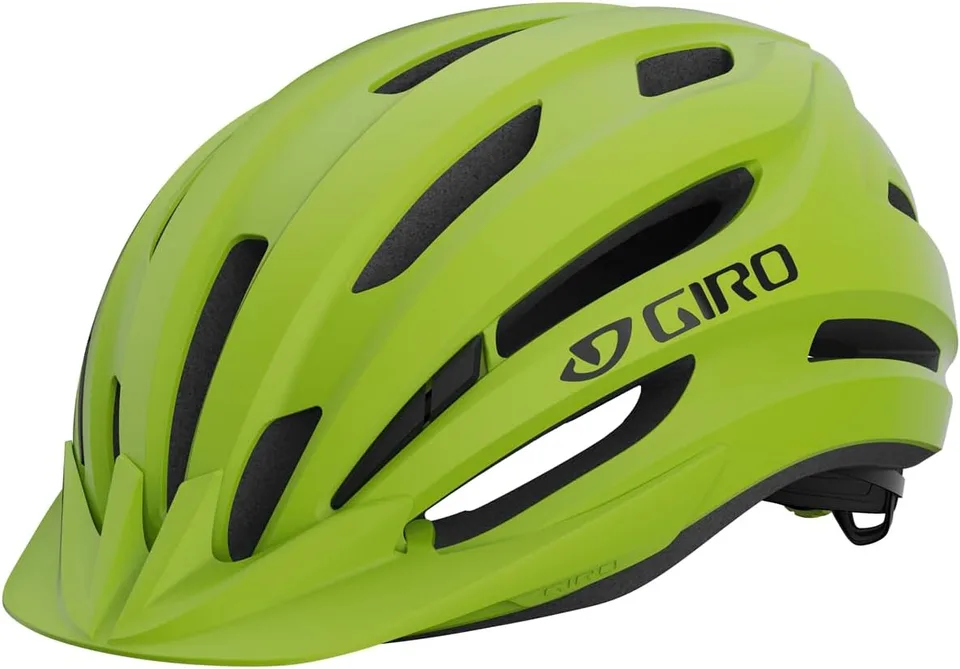
Giro
Giro Register MIPS
S 51-55 cm, M 55-59 cm, L 59-63 cm
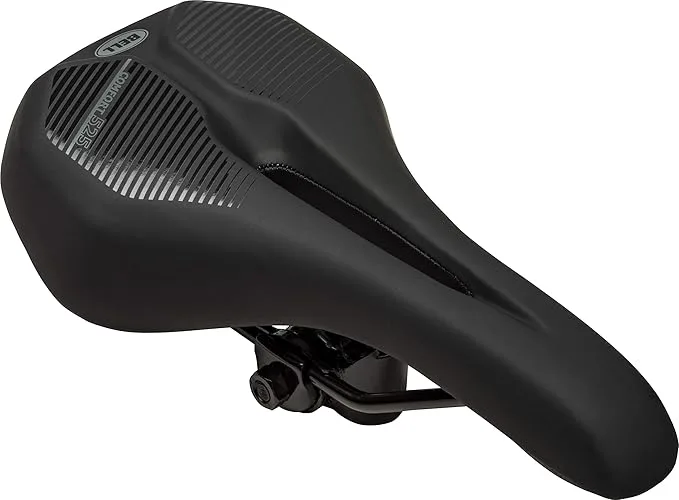
Bell
Bell Comfort 525 Sport Saddle
Comfort sport profile for road, mountain, and hybrid bikes; confirm rail compatibility with your seatpost.
Keep Exploring
Bike comparisons for competitive cyclists
Know the rules where you ride
Bike laws - helmets, sidewalk riding, lights, right of way - vary by state. Check the basics before you head out: