Best Bike Tires 2026 - Road, MTB, Gravel & Commuter Picks
Last reviewed
For an all-round road clincher, the Continental Grand Prix 5000 listing includes BlackChili compound and Vectran Breaker protection; confirm the selected width fits your frame and rim.
Quick picks at a glance
Winners by use case
Continental Grand Prix 5000
The catalog lists BlackChili compound, Vectran Breaker puncture protection, LazerGrip, and a folding bead for the Grand Prix 5000.
Check on AmazonBell Hybrid Bike Tire with Flat Defense (700 x 38c)
The catalog lists a 700 x 38c tire with a Flat Defense layer and tread intended for pavement and trails.
Check on AmazonBell Flat Defense Mountain Bike Tire
The catalog lists a clincher mountain tire with a Flat Defense puncture layer and tall knobby tread.
Check on AmazonTires are the single biggest contact-patch upgrade you can make to a bike. New rubber changes cornering grip, rolling resistance, comfort, and flat frequency more than swapping wheelset, groupset or saddle ever will - at a fraction of the cost.
The hard part isn't finding a good tire; it's finding the right size. Bike tires carry two numbering systems on the sidewall (ETRTO and Imperial), and a 26×4.0 fat-bike tire, a 700×35c hybrid tire, and a 16×2.125 kids tire are not interchangeable even if they look similar at a glance.
Tire sizes follow the ETRTO (ISO 5775) standard - that's what the 28-622 number on your sidewall means. Match the second number (bead-seat diameter) exactly or the tire will not seat on the rim, regardless of brand.
The picks below cover the three replacement-tire jobs we get asked about most: a hybrid commuter tire, a fat-bike tire for snow and sand, and kids replacement tires for 12-20" wheels. Each one is a real ASIN we'd buy ourselves - paired with the sizing and tread guidance you need to choose between them.
How we chose these tires
- Match the tire's wheel diameter and width to the rim, frame, fork, and manufacturer clearance limits.
- Choose tread and casing for the surface and conditions you ride most often.
- Check whether the tire is clincher or tubeless-ready and confirm the required rim and tube setup.
- Compare puncture-protection features, compound, and casing with your durability and ride priorities.
- Use the tire sidewall and bicycle guidance to confirm pressure and size compatibility.
- Account for bead type and available clearance before selecting a replacement tire.
Picks are based on manufacturer specifications, applicable certifications, and published feedback. We do not claim hands-on testing unless it is explicitly described.
What to look for in tires in 2026
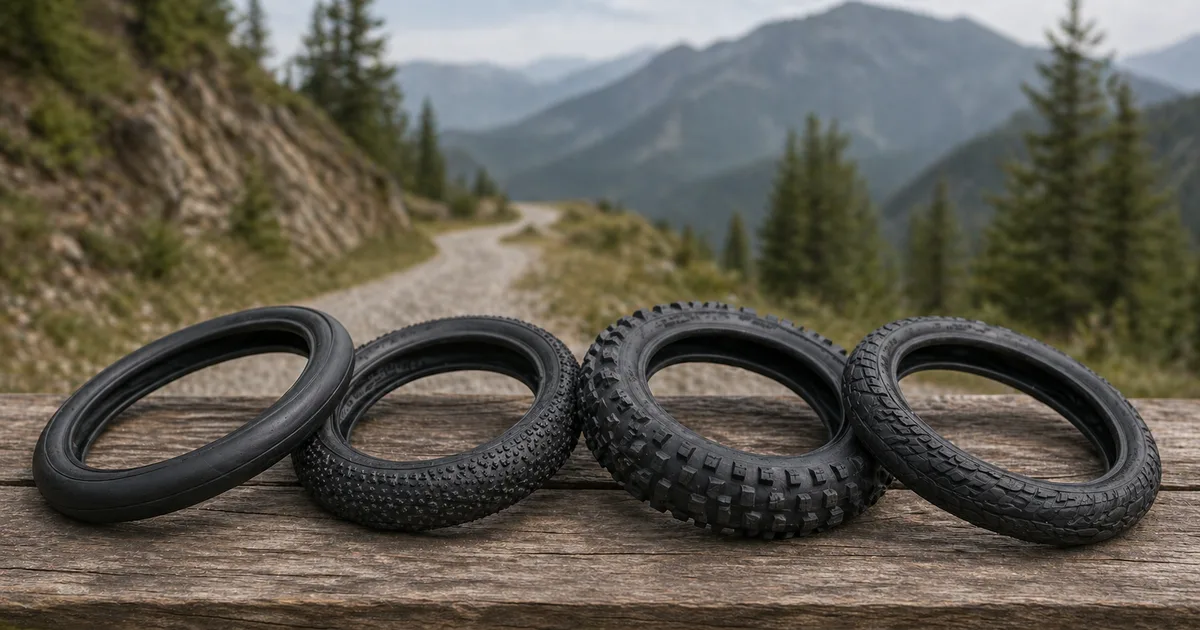
- Tread pattern: slick or file tread for road and smooth pavement, semi-slick with side knobs for gravel and light trail, full knobby for MTB and loose terrain, and 4.0"+ paddle-style lugs for fat-bike snow and sand.
- Puncture protection: look for a Kevlar or Vectran belt under the tread, sidewall reinforcement (Continental's 'Plus' / 'Hardshell', Schwalbe's GreenGuard / SmartGuard) - adds 50-150 g per tire but dramatically reduces flats for commuters and tour riders.
- TPI (threads per inch) of the casing: 60 TPI is durable and value-priced; 120-320 TPI rolls faster and conforms better but cuts more easily - match TPI to terrain.
- Folding (Kevlar) bead vs wire bead: folding tires save 50-100 g per tire and pack down for spares; wire-bead tires are cheaper and slightly more durable for everyday city use.
- Tubeless-ready (TLR / TR / TLE) vs tubed: tubeless seals small punctures with sealant, runs lower pressures for grip and comfort, and is now standard on gravel and MTB - but requires tubeless-compatible rims, valves, and sealant top-ups every 2-4 months.
- Intended terrain and weight rating: heavier riders and ebike riders should look for an ebike-rated tire (e.g. ECE-R75, the European spec for S-pedelecs up to 45 km/h) or a reinforced casing; touring riders prioritise sidewall protection over weight.
Sizing & fit
Every bike tire carries two size numbers on the sidewall: the modern ETRTO (ISO 5775) format like 28-622 - width in millimetres, then bead-seat diameter - and an older Imperial label like 700×28c, 26×2.10, or 20×4.0. The first number stays the same regardless of width (700c = 622 mm, 26" MTB = 559 mm, 27.5" = 584 mm, 29"/700c = 622 mm). Width affects everything: a 700×25c rolls fast on smooth roads, 700×32-35c is the modern endurance and gravel default, 2.1-2.4" suits trail MTB, and fat-bike tires run 4.0-4.8" wide for sand and snow. Kids bikes follow wheel diameter - 12", 14", 16", 18", 20", and 24" - and replacement tires must match exactly. Always check your rim's max width and your frame/fork clearance (typically printed on the chainstay or fork) before going wider.
Our top tires picks for 2026
Check Amazon for current pricing and availability - we earn a small commission at no extra cost to you.
Continental
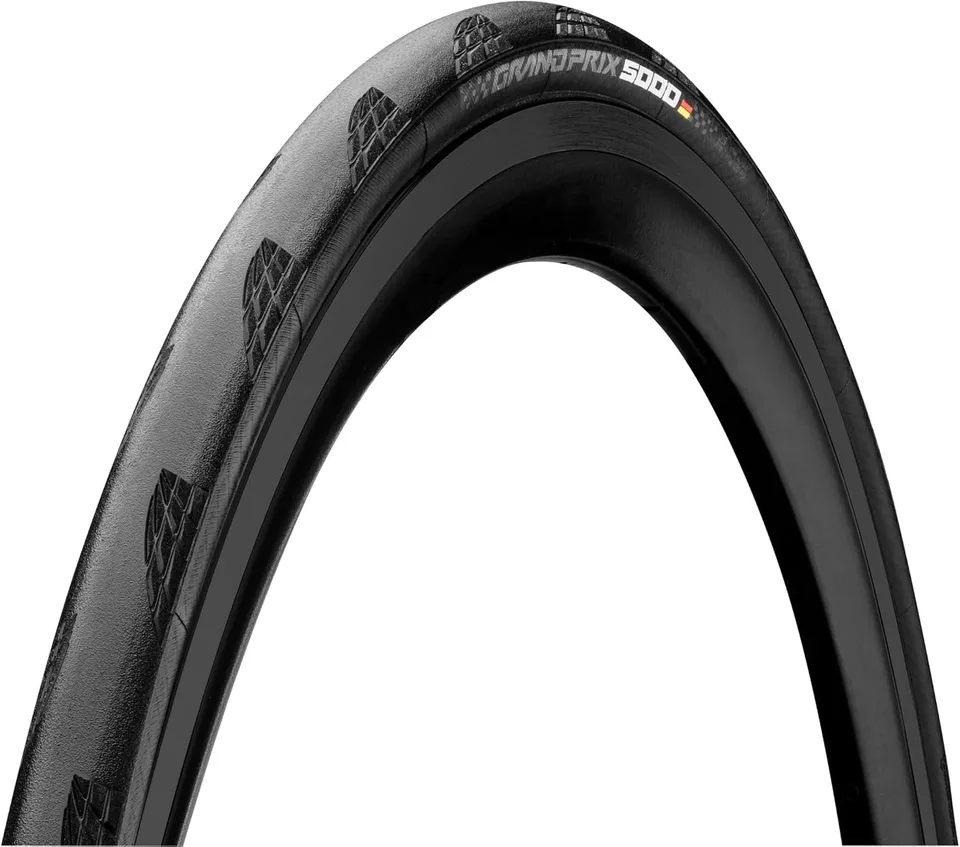
Continental Grand Prix 5000
Benchmark all-round race tire. 25mm is the most popular all-round size; 28-32mm is the best fit for endurance and rough roads.
Bell
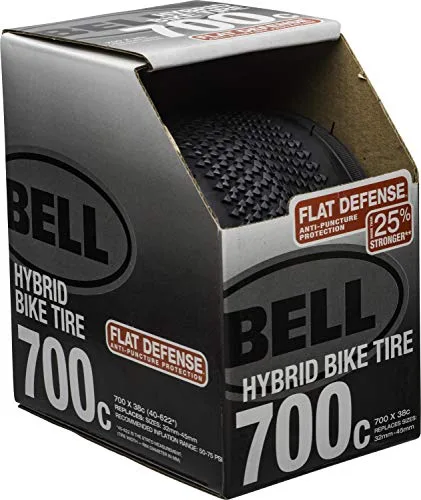
Bell Hybrid Bike Tire with Flat Defense (700 x 38c)
700 x 38c hybrid tire. Confirm the 40-622 bead-seat diameter, frame clearance, and pressure range against your current tire and rim before ordering.
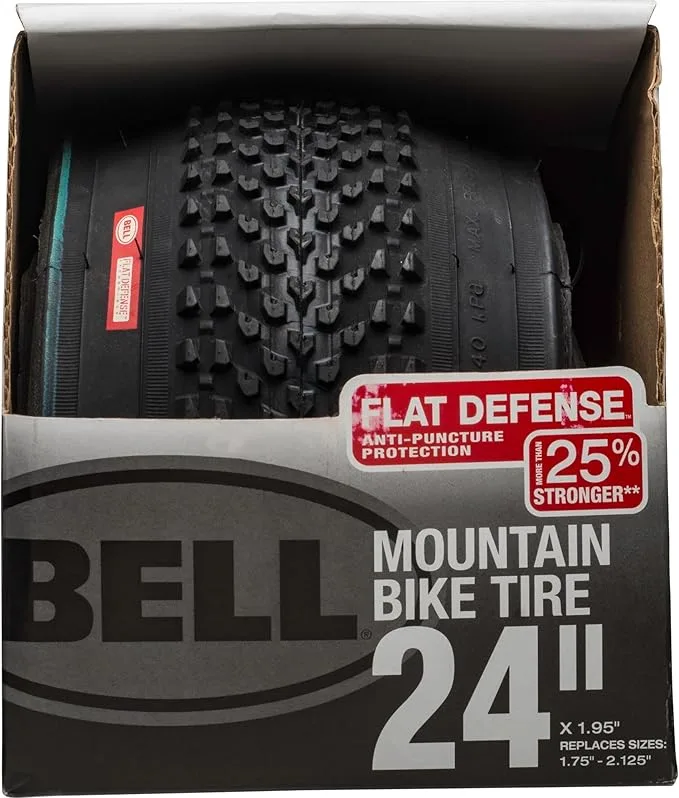
Bell
Bell Flat Defense Mountain Bike Tire
This ASIN is 24 x 1.75-2.25 in. Match wheel diameter, frame clearance, and rim width.
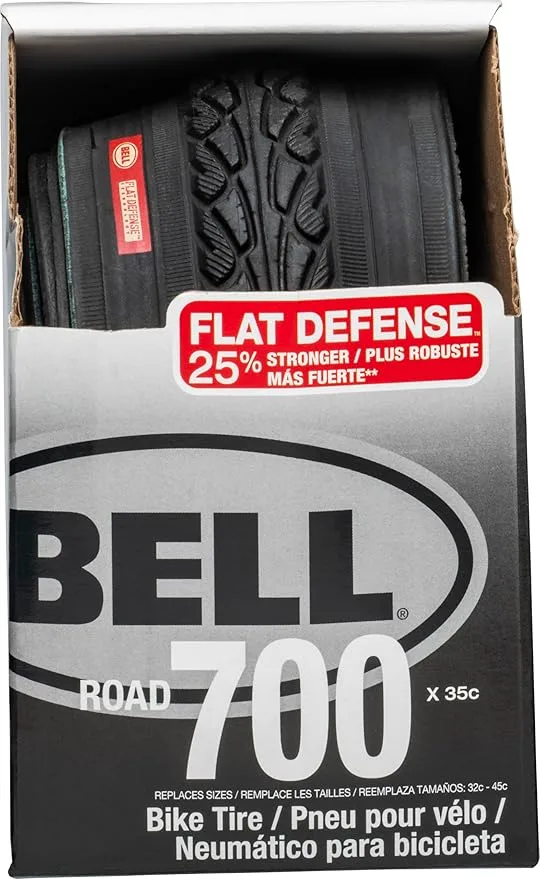
Bell
Bell Flat Defense Road Bike Tire
This ASIN is 700c x 32-45. Confirm frame and brake clearance before sizing up.
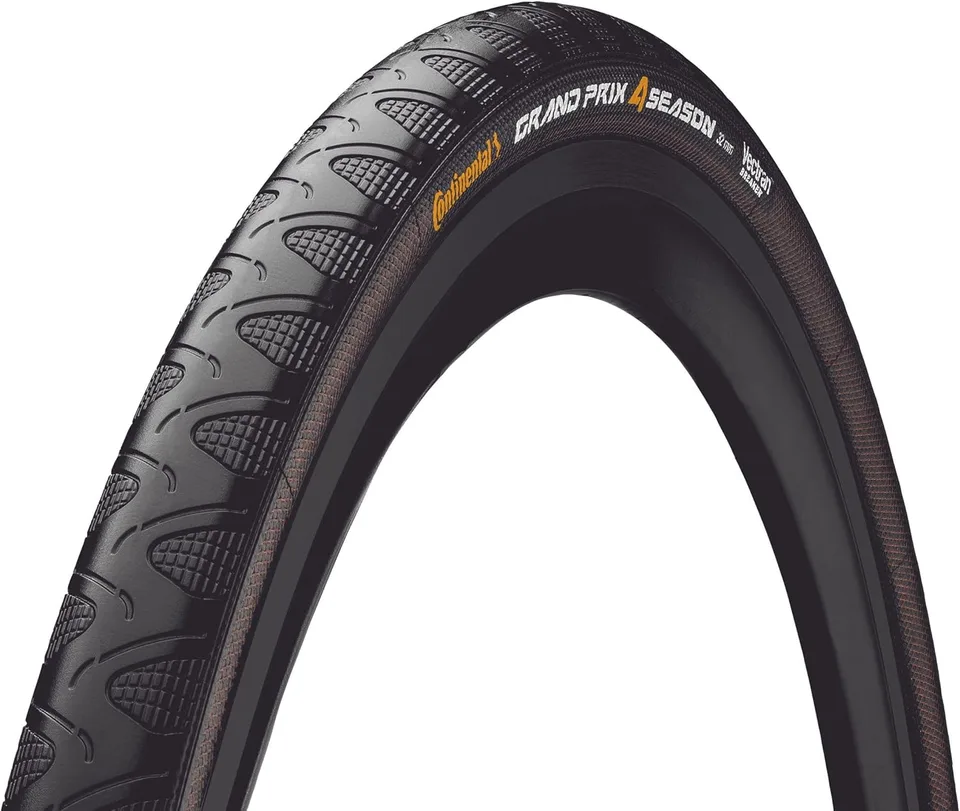
Continental
Continental Grand Prix 4-Season
Built for winter training, wet weather, and bad roads. 28mm is the popular all-season choice; 25mm if you want a faster feel year-round.
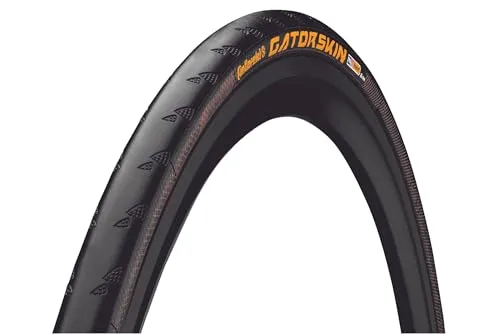
Continental
Continental Gatorskin - 700 x 25C Folding
This offer is size 700 x 25C, color Black. Match the exact tire sidewall diameter, width and valve or bead requirements; other family sizes are separate listings.
Continental
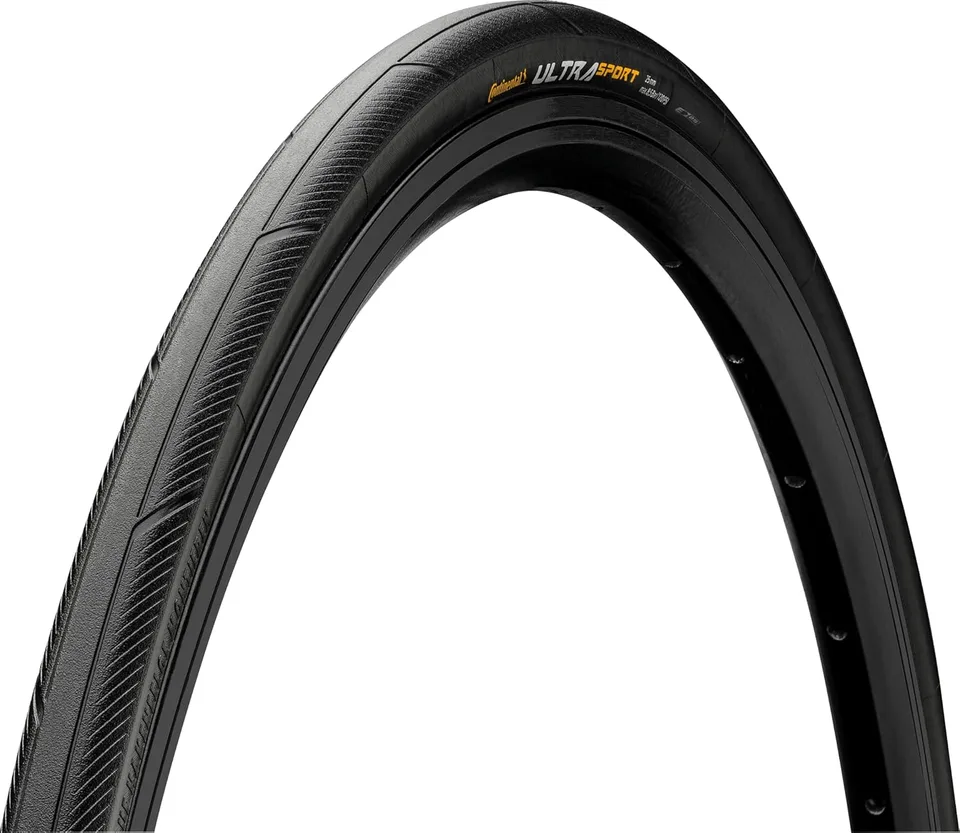
Continental Ultra Sport III
Affordable training and entry-level race tire. Good first upgrade from stock OEM tires on a sub-$1500 road bike. 25-28mm is the sweet spot.
Continental
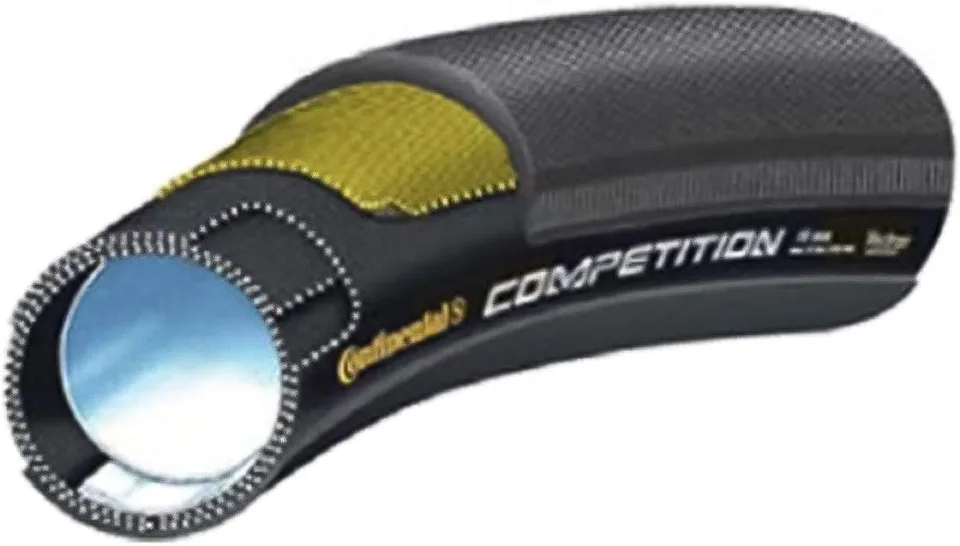
Continental Competition Tubular
Pro-only tubular. Requires tubular-specific rims and gluing. Used at Paris-Roubaix and Flanders. Skip unless you already race on tubulars.
As an Amazon Associate we earn from qualifying purchases. Purchases made through these links help support our free calculators.
1. Continental Grand Prix 5000
Benchmark all-round road race tire. The Grand Prix 5000's BlackChili compound, Vectran Breaker, and LazerGrip shoulders set the rolling-resistance and puncture-protection bar everyone else chases. 25mm is the popular all-rounder; go 28-32mm for endurance comfort on rough roads.
Check Continental Grand Prix 5000 on Amazon2. Bell Hybrid Bike Tire with Flat Defense (700 x 38c)
The Bell Hybrid tire is an in-stock 700 x 38c option for commuter and fitness bikes. Its 40-622 ETRTO size, Flat Defense layer, and tread for pavement and trails make it a useful mixed-surface choice. Confirm frame clearance and the listed 50-75 PSI range before ordering.
Check Bell Hybrid Bike Tire with Flat Defense (700 x 38c) on Amazon3. Bell Flat Defense Mountain Bike Tire
Bell Flat Defense MTB Tire is the value puncture-resistant 26" replacement - puncture-resistant casing, knobby tread for hardpack and light trail, and street prices well under premium Maxxis or Continental MTB tires. Aimed at cruiser-MTBs and budget hardtails, not aggressive trail riding.
Check Bell Flat Defense Mountain Bike Tire on Amazon4. Bell Flat Defense Road Bike Tire
Bell Flat Defense Road Tire is the budget commuter tire - puncture belt under the tread, smooth center for low rolling resistance, and street prices roughly half of a Continental Gatorskin. Right pick for a cheap second wheelset or a beater commuter where you want flats minimized but won't pay a premium for each tire.
Check Bell Flat Defense Road Bike Tire on Amazon5. Continental Grand Prix 4-Season
When the roads turn cold, wet, and gritty, the GP 4-Season is what you reach for. Its all-season compound, Vectran Breaker, and DuraSkin sidewall hold up where a GP 5000 starts to feel sketchy. 28mm is the popular all-season size; 25mm gives you a faster year-round feel.
Check Continental Grand Prix 4-Season on Amazon6. Continental Gatorskin - 700 x 25C Folding
Continental Gatorskin - 700 x 25C Folding. This offer is size 700 x 25C, color Black. Match the exact tire sidewall diameter, width and valve or bead requirements; other family sizes are separate listings.
Check Continental Gatorskin - 700 x 25C Folding on Amazon7. Continental Ultra Sport III
The obvious first swap from stock OEM rubber on a road bike. The Ultra Sport III gets you a folding bead, PureGrip compound, and an E25 e-bike rating at roughly a third of GP 5000 money. 25-28mm is the sweet spot for most riders.
Check Continental Ultra Sport III on Amazon8. Continental Competition Tubular
Tubular-only - skip unless you already glue your own. The Competition runs at Paris-Roubaix and Flanders thanks to a 180 TPI casing, BlackChili compound, and Vectran Breaker belt. You need tubular-specific rims and the gluing experience to mount these safely.
Check Continental Competition Tubular on AmazonCommon mistakes to avoid
Reading only the Imperial size
26×1.95 and 26×2.1 share the same nominal '26"' but the actual bead-seat diameter can differ between MTB (559 mm) and old cruiser/26" (590 mm) standards. Always check the ETRTO number - the 559, 584, 622, or 590 - not just the inch label.
Going wider than your frame allows
Modern road frames clear 28-32c, endurance frames 35-38c, gravel frames 40-47c, and most hardtail MTBs cap at 2.4-2.6". Going wider than the manufacturer-stated max can rub the chainstay, fork, or fender at full lock and is unsafe.
Mounting tubeless tires without sealant
Confirm tire and rim compatibility, then follow their instructions for tape, valves, pressure and sealant quantity. The tubeless setup guide explains the sequence; one sealant volume does not suit every tire.
Replacing only one kids tire
If one tire is worn enough to replace, the other is usually close behind. Mismatched tread depths can make the bike feel unbalanced for a young rider - replace as a pair when budget allows.
Ignoring directional tread arrows
Most knobby and gravel tires have a directional arrow on the sidewall (often labelled 'Rotation' or '→'). Mounting them backward reverses the cornering and braking grip the tread was designed to deliver.
Running road pressure on gravel or trail
A 700×35c tire pumped to 100 psi rides like wood off-pavement and is more flat-prone, not less. Modern wider tires are designed for 40-60 psi on rough surfaces; a tire pressure gauge pays for itself in one ride.
The final word
Match the ETRTO bead-seat diameter exactly, then check approved tire width, rim compatibility and frame clearance. Choose tread for the surfaces you ride and inspect each tire's condition rather than replacing a pair solely because one is worn.
Update log
- Added selection criteria, quick answer, and catalog-backed segmented winners after checking selected products against the in-repo category catalogs. This was not a full product-availability audit.
Tires FAQs
Tires head-to-head comparisons
Already narrowed to two contenders? See the detailed match-ups our editors put together for tires.
Bell’s two 700c replacement tires overlap in stated width range, but differ in their listed tread and intended surface mix.
A 700 x 25C road-tire comparison for riders checking exact size, recorded construction, and what each catalog entry does not specify.
Two road clinchers with overlapping 700c widths; their catalog notes point to different weather and riding priorities.
See every tires we recommend
The full category page lists every tires pick with sizing notes, FAQs, and persona-specific guidance.
Related calculators & tools
MTB frame size from inseam
Wheel diameter by age and inseam