Chain Length Calculator
Calculate exactly how many chain links you need for your bike. Enter your chainstay length, largest chainring, and largest cog to get an accurate chain length using the proven Shimano method.
Loading calculator…
How the Chain Length Formula Works
The Shimano method is the industry-standard method for calculating chain length. It converts your chainstay measurement from millimeters to inches, then factors in the sizes of your largest chainring and largest cog to determine how many links you need. For related drivetrain setup, see our gear ratio calculator and crank length calculator.
The formula is: 2 × chainstay (inches) + largest chainring ÷ 4 + largest cog ÷ 4 + 1. The result is rounded up to the nearest even number because chains must have equal numbers of inner and outer links. Each link pair has a pitch of 12.7mm (½ inch), so the total chain length in millimeters is simply the link count multiplied by 12.7.
Chain Speed and Width Guide
| Speed | Chain Width | Popular Chains | Notes |
|---|---|---|---|
| 6/7/8-speed | 7.1mm | Shimano HG40, KMC Z8 | Universal compatibility across 6, 7, 8-speed |
| 9-speed | 6.5mm | Shimano HG93, KMC X9 | Common on mid-range groupsets |
| 10-speed | 5.88mm | Shimano HG-X, SRAM PC-1071 | Entry-level performance drivetrains |
| 11-speed | 5.5mm | Shimano HG701, SRAM PC-1170 | Current road and MTB standard |
| 12-speed | 5.25mm | Shimano M8100, SRAM Eagle | Latest generation, narrowest chain |
How to Measure Chainstay Length
Step-by-Step Guide
- • Find your geometry chart: Check the bike manufacturer's website for the frame geometry table — chainstay length is always listed
- • Or measure manually: Measure from the center of the bottom bracket axle to the center of the rear axle
- • Use the right tool: A tape measure or caliper works - ensure you measure in millimeters
- • Keep it straight: Measure parallel to the ground, not along the chainstay tube angle
Typical Chainstay Lengths
- • Road bikes: 405–415mm - shorter for responsive handling
- • Gravel bikes: 420–435mm - longer for stability on loose surfaces
- • Mountain bikes (XC): 420–435mm — efficient climbing geometry
- • Mountain bikes (enduro): 435–450mm — stability at high speeds on descents
- • Touring/cargo: 445–470mm - extra clearance for panniers and loads
When to Replace Your Chain
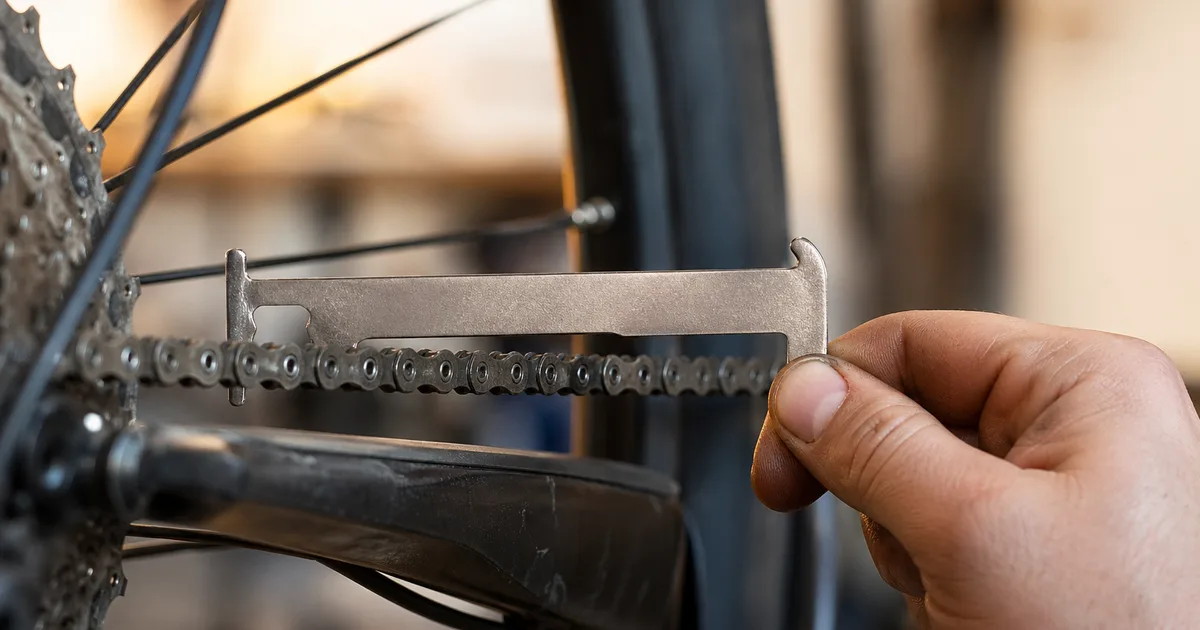
A worn chain accelerates cassette and chainring wear, leading to expensive drivetrain replacements. Use a chain wear checker tool regularly: replace the chain at 0.5% elongation for 11 and 12-speed drivetrains, or 0.75% for 10-speed and below. Most road chains last 2,000–3,000 miles, while mountain bike chains in wet conditions may need replacing every 1,000–2,000 miles.
When installing a new chain, always use this calculator to verify the correct number of links rather than matching the length of your old, worn chain. Worn chains elongate over time, so copying the old length results in a chain that is too long.
Drivetrain tools and chain care picks
When you size or replace a chain, it is a good time to clean it and start fresh with the right lube.
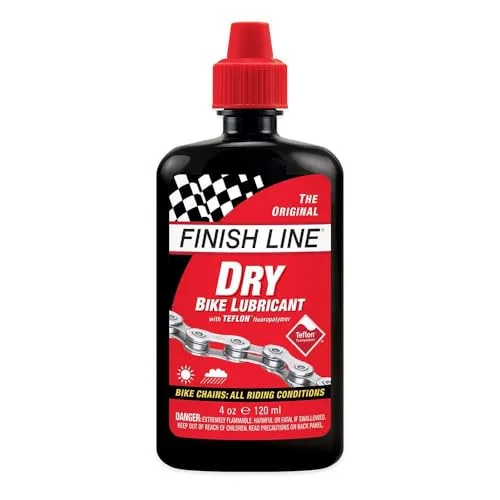
Finish Line
Finish Line Dry Bike Lubricant with Teflon
This is the bottle for dusty miles and cleaner drivetrains. Let it creep into the rollers, then wipe the outside plates well so it stays dry where it should.
$9.99
View on Amazon
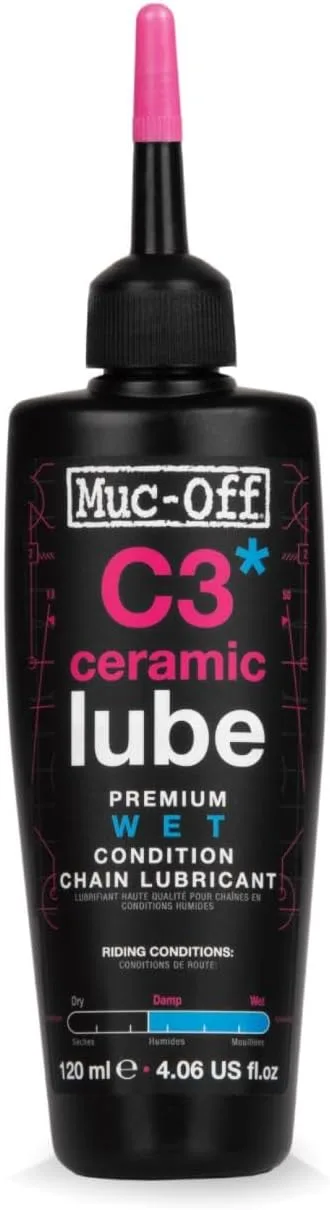
Muc Off
Muc Off C3 Ceramic Wet Chain Lube
Pick the wet version when the bike sees spray, grit, and regular bad weather. It hangs on longer than the dry bottle, but it also needs more wiping and more frequent full cleans.
$14.644.8
View on Amazon
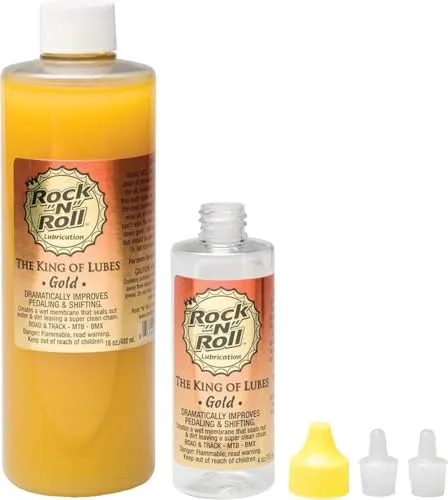
Rock N Roll
Rock N Roll Gold Chain Lubricant Complete Kit
Gold is the safest one-bottle pick if your rides swing between clean pavement and gritty shoulder miles. It runs quieter than a dry lube but does not feel as sticky as a heavy wet formula.
$28.89
View on Amazon
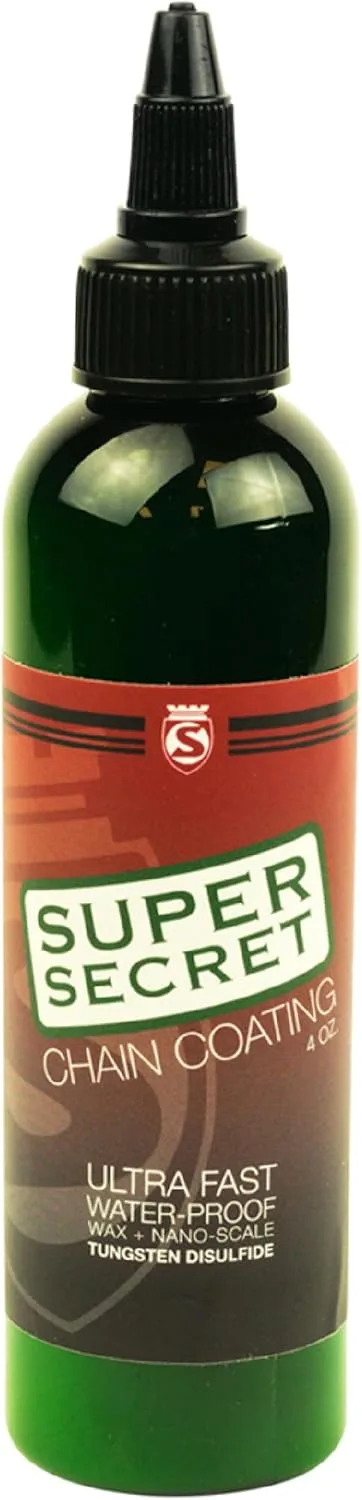
Silca
Silca Super Secret Chain Lube 4 oz
Use this when you want most of the cleanliness of immersive waxing without pulling the chain off every week. The 4 oz bottle makes sense for one-bike riders; the verified 8 oz refill is the better buy if you keep multiple chains in rotation.
$24.994.8
View on Amazon
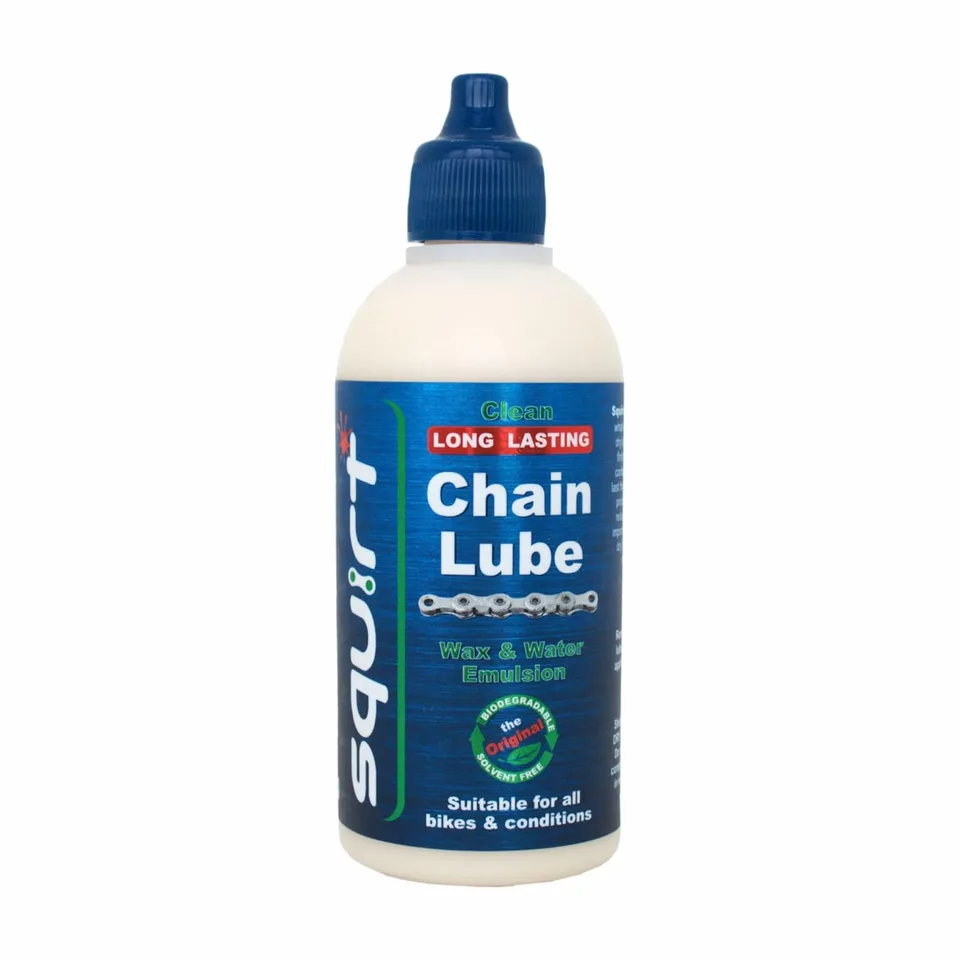
Squirt
Squirt Long Lasting Chain Lube 120 ml
Best for riders who want one bottle to cover everyday dry and mixed-weather miles. Clean the chain thoroughly before the first application so the wax film can bond properly.
$14.204.7
View on Amazon
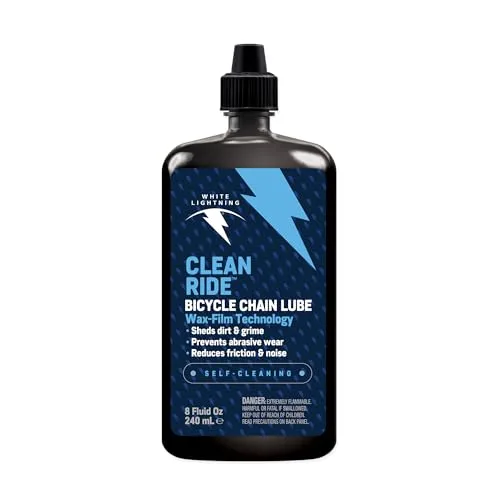
White Lightning
White Lightning Clean Ride Wax Chain Lube 8 oz
The 8 oz bottle is the better family representative for regular riders. Use it on a clean chain and reapply sooner after dusty rides.
$15.99
View on Amazon
As an Amazon Associate we earn from qualifying purchases. Purchases made through these links help support our free calculators.
Frequently Asked Questions
Related Guides
Explore Brand Size Charts & Guides
Related Comparisons
Related Tools
Road Bike Size Calculator
Find your ideal road bike frame size for proper fit
Mountain Bike Size Calculator
MTB frame sizing for trail and off-road riding
Crank Length Calculator
Determine optimal crank arm length for your riding style
Tire Pressure Calculator
Calculate optimal front and rear tire pressure
Saddle Height Calculator
Calculate optimal saddle height using professional methods