Saddle Height Calculator
Compare three proven starting points: the 109% pedal-to-saddle method, the 96.5% bottom-bracket method, and the LeMond 88.3% formula. Correct saddle height is essential for comfort, injury prevention, and efficient pedaling.
Loading calculator…
Understanding Saddle Height
Saddle height is the single most important adjustment on your bike. It directly affects your pedaling efficiency, comfort, and injury risk. A saddle that is even 5-10mm too high or too low can cause knee pain, reduce power output, and make long rides uncomfortable. For the full picture, see our complete bike fitting guide.
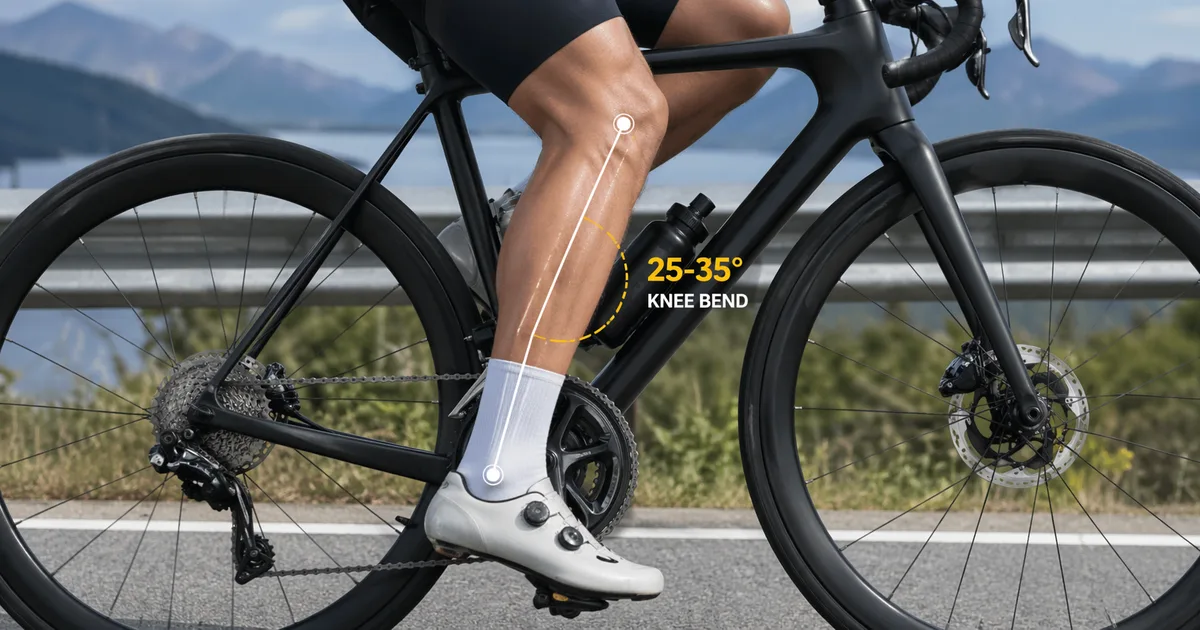
The correct saddle height ensures optimal leg extension at the bottom of the pedal stroke - typically 25-35° of knee flexion. This allows your major muscle groups (quadriceps, hamstrings, and glutes) to work through their most efficient range of motion while minimizing stress on joints and tendons.
Still uncomfortable after setting saddle height?
A formula gives you a starting measurement. Compare an online riding-position check with guided mobility work before stacking more adjustments.
Explore Fit & MobilityThe Three Methods Explained
109% Method
Classic 109% starting point, measured from pedal axle to saddle top.
- • Formula: Inseam × 1.09
- • Measured: Pedal axle to saddle top
- • Best for: Quick comparison against pedal-based setups
- • Origin: Classic cycling rule of thumb
96.5% Method
Common bottom-bracket-based starting point for direct saddle-height setup.
- • Formula: Inseam × 0.965
- • Measured: BB center to saddle top
- • Best for: Direct seatpost adjustment and most modern fits
- • Origin: Common fit starting point
LeMond Method
Popularized by Tour de France champion Greg LeMond.
- • Formula: Inseam × 0.883
- • Measured: BB center to saddle top
- • Best for: Road cyclists
- • Origin: Professional cycling expertise
Common Saddle Height Mistakes
Problem Signs
- • Knee pain (front or back of knee)
- • Hip rocking visible from behind
- • Toe pointing at bottom of pedal stroke
- • Feeling cramped or unable to spin smoothly
- • Numbness or discomfort after short rides
Solutions
- • Use calculated height as a starting point
- • Adjust in small 2-3mm increments
- • Account for pedal and shoe stack height
- • Check knee angle at bottom of stroke (25-35°)
- • Get a professional bike fit for persistent issues
Pro Mode: Compare Methods on One Reference
The three formulas look like they disagree, but most of the gap is just measurement reference. The 109% method is taken at the pedal axle, which sits one crank length below the bottom bracket, while the 96.5% and LeMond numbers are measured from the bottom bracket center. Turn on Pro mode in the calculator and it converts every method to the same bottom-bracket reference using your crank length, then reports a single starting range and its midpoint.
Once normalized, the 109% (Hamley) and LeMond starting points converge at a 170 mm crank, and the Holmes 96.5% number sits at the tall end of the window. Pick a point inside the range, then fine-tune in 2–3 mm steps based on pedaling feel and hip stability. These are mechanical starting points for self-setup, not medical or physiotherapy advice; see a professional bike fitter for persistent pain.
Advanced Fit: Saddle Setback and Saddle-to-Bar Drop
Saddle height is only one part of the picture. Add a seat tube angle in Pro mode and the calculator also works out your saddle setback — how far behind the bottom bracket the saddle sits. It uses the same right-angle geometry as the height range: the seat tube leans the saddle back by its height times the cosine of the angle, and a layback seatpost or rails slid back add a little more on top. A slacker seat tube pushes the saddle further back; a steeper one brings it forward over the cranks.
If you also enter your handlebar height above the bottom bracket, it reports your saddle-to-bar drop — the vertical gap between the saddle top and the bar top. Smaller drops keep you upright and comfortable; larger drops put you lower and more stretched out, the way race bikes are set up. We group the number into a plain-language band (bars level or higher, relaxed, moderate, or aggressive) so it is easy to read at a glance. Like the rest of the tool, these are reference numbers for comparing setups and finding a starting position, not a fit prescription — adjust to taste and check in with a fitter if anything feels off.
Saddles worth dialing in
Once your height is right, the saddle shape itself is the next biggest comfort lever.
Avasta
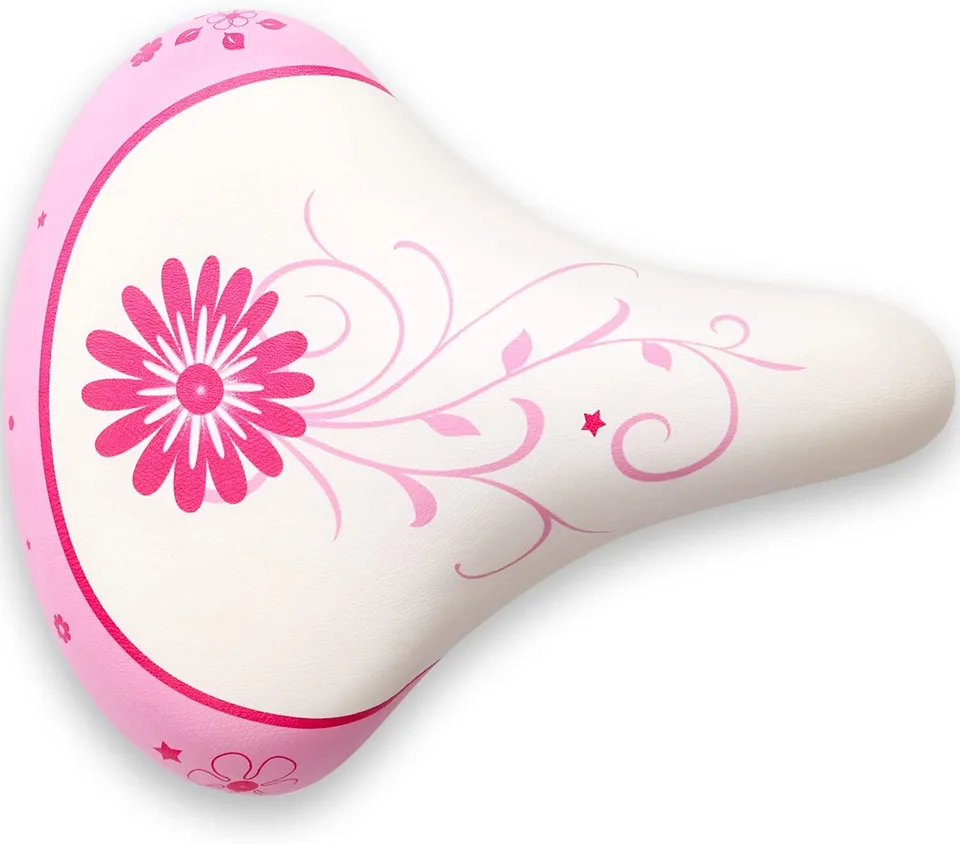
AVASTA Kids Bicycle Saddle
Standard saddle rail spacing fits most kids' seatpost clamps. Designed primarily for 12-20" wheel kids' bikes; larger riders may prefer a wider adult saddle.
$19.994.7
View on Amazon
Bell
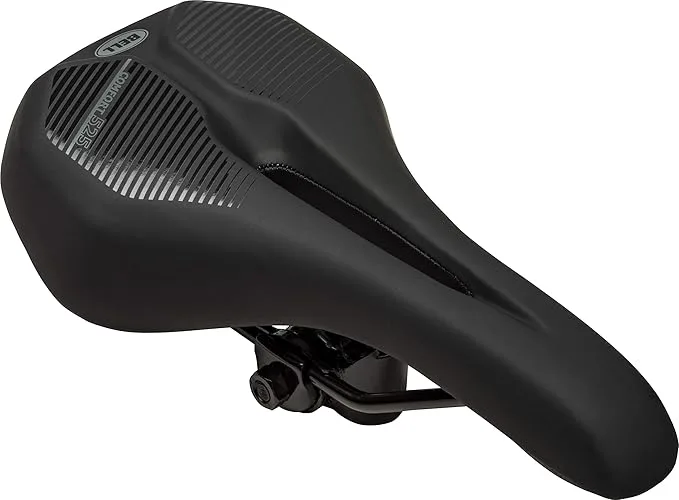
Bell Comfort 525 Sport Saddle
Comfort sport profile for road, mountain, and hybrid bikes; confirm rail compatibility with your seatpost.
$26.993.7
View on Amazon
Brooks England
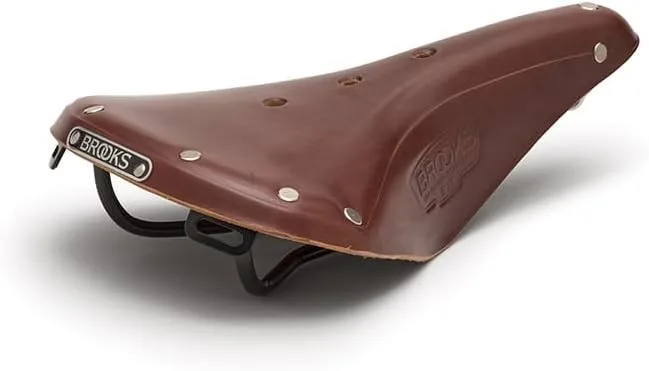
Brooks England Brooks B17
Fixed width 155 mm; fits sit-bone 130-160 mm; requires break-in period (50-100 miles)
$144.564.7
View on Amazon
Diamondback
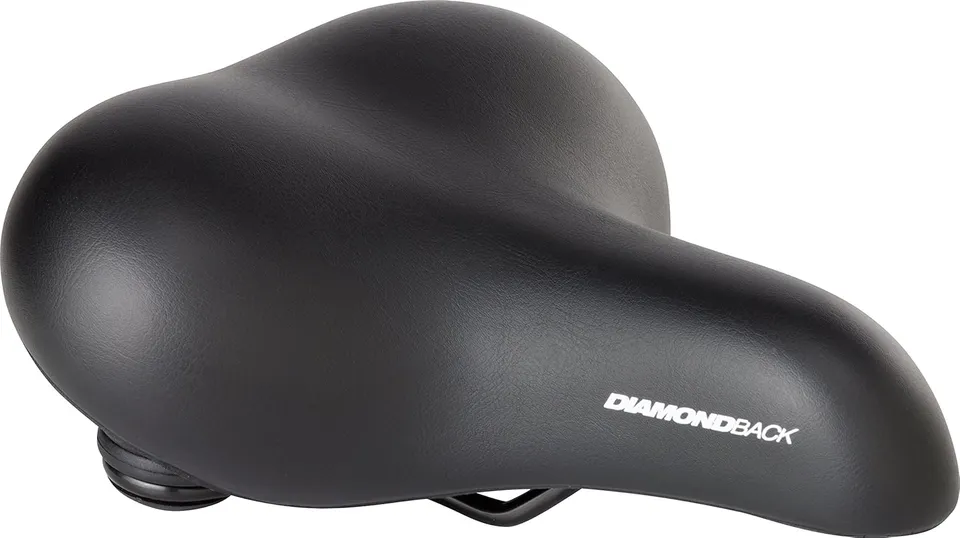
Diamondback Bicycle Saddle
Mid-width recreational saddle - best suited to upright hybrid, comfort, cruiser, or commuter bikes. Steel rails fit any standard 7 mm seatpost clamp.
$18-254.6
View on Amazon
Elite Bmx
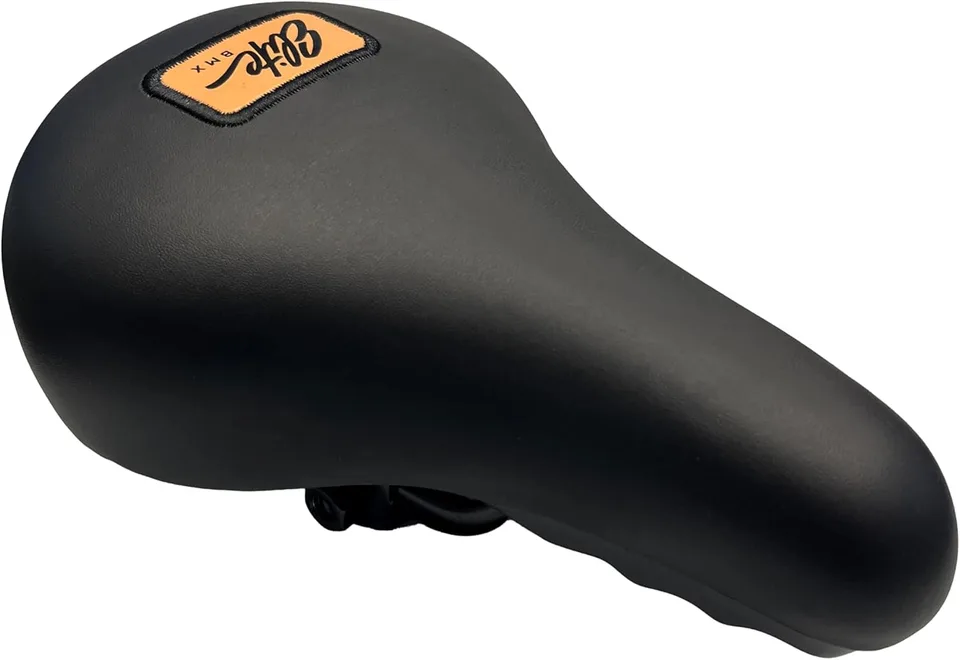
Elite Bmx Elite Bicycle Saddle
Standard rail mounting fits Elite BMX Stealth, Pee Wee, Destro, and Outlaw frames as well as most other BMX seatpost clamps. Saddle height for street BMX is typically inseam × 0.7-0.85.
$30-404.5
View on Amazon
Ergon
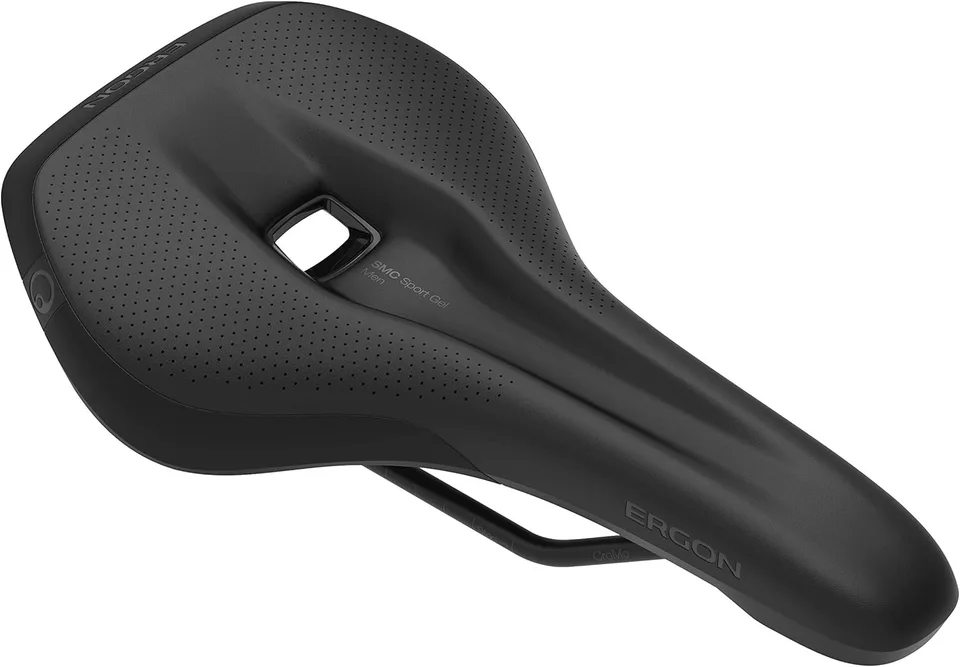
Ergon SM Sport
Available widths 130, 140, 150, 160 mm via sit-bone width measurement; fits sit-bone 110-170 mm
$96.214.6
View on Amazon
As an Amazon Associate we earn from qualifying purchases. Purchases made through these links help support our free calculators.
Frequently Asked Questions
Related Guides

Explore Brand Size Charts & Guides
Related Comparisons
Related Tools
Road Bike Size Calculator
Find your ideal road bike frame size for proper fit
Mountain Bike Size Calculator
MTB frame sizing for trail and off-road riding
Saddle Size Calculator
Find the perfect saddle width from sit bone measurement
Saddle Width Calculator
Convert sit-bone width into an exact saddle width in mm