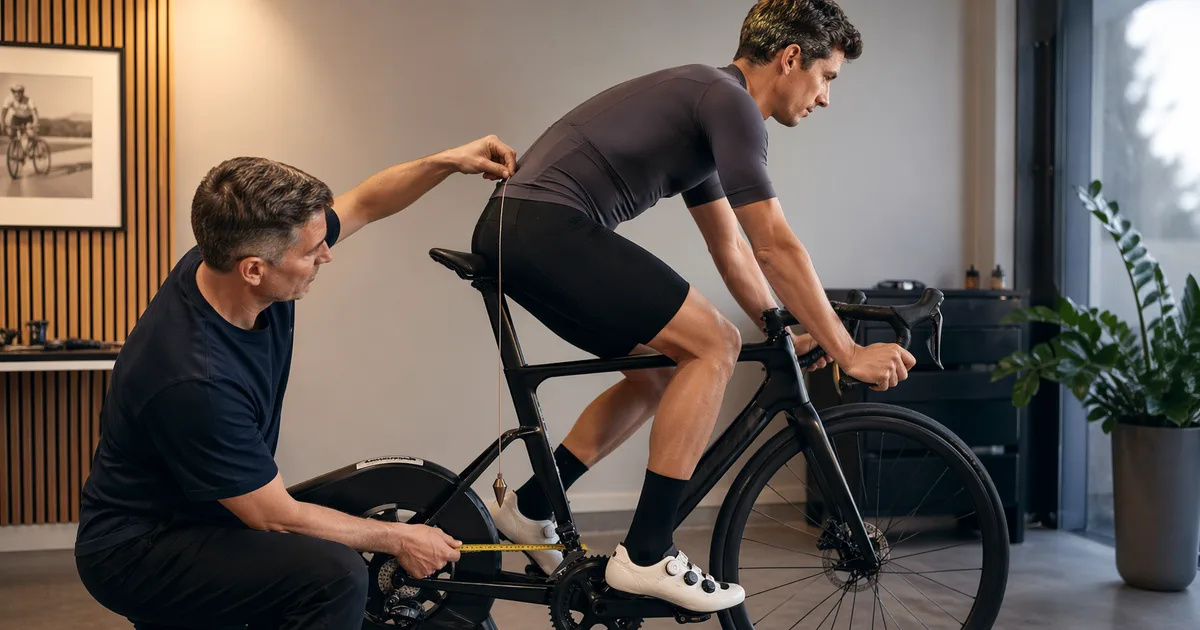
Best Bike Saddles 2026 - By Sit-Bone Width & Style
Last reviewed
For touring riders who want a leather saddle, the Brooks B17 has steel rails and a leather-and-springs construction; it needs a suitable break-in and fit check.
Quick picks at a glance
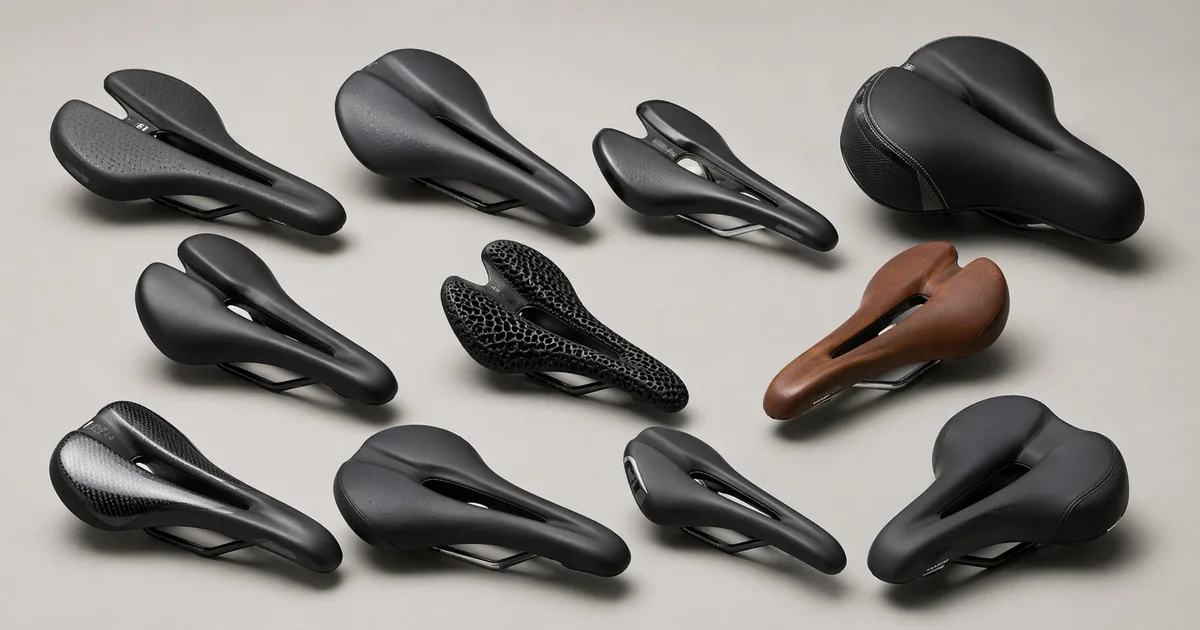
Winners by use case
Brooks B17
The catalog lists the Brooks B17 with hardened steel rails, natural leather and springs, and a 268 mm length.
Check on AmazonErgon SM Sport Men - S/M
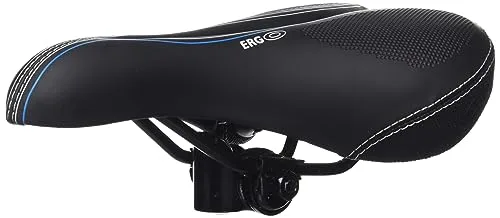
The catalog identifies the Ergon SM Sport Men in a selected S/M size and lists a 305 g weight.
Check on AmazonBell Comfort Sport Seat
The catalog lists a narrow road/MTB shape, pressure-relief cutout, and soft-touch padding for the Bell Comfort Sport Seat.
Check on AmazonWhere each pick's evidence comes from
We aggregate published evidence — certifications, manufacturer specs, and named third-party tests. We do not run our own lab or ride tests; see "How these picks were chosen" below.
| Pick | Certification | Manufacturer spec | Third-party test | Our read |
|---|---|---|---|---|
| Fizik Arione R3 | No third-party safety certification applies to saddles; fit rests on the manufacturer-published sit-bone width chart cited in sizing_notes | 175-195 g, titanium alloy rails, Fibra Flex cutout, 280 mm length, 142/154 mm widths (Fizik product spec) | — | The flat, long shape is the load-bearing claim here - it's a shape property you can verify from the spec sheet, not a comfort rating we invented. |
| Selle Italia SLR Boost KC TM Superflow, S3, Black/Red | No third-party safety certification applies to saddles; fit rests on the manufacturer-published sit-bone width chart cited in sizing_notes | S3, Black/Red variant; gel padding, chrome-manganese frame, anatomical Superflow opening (Amazon listing) | — | The listed details identify this specific variant; confirm its dimensions and fit with Selle Italia's current chart. |
| WTB Silverado | No third-party safety certification applies to saddles; fit rests on the manufacturer-published sit-bone width chart cited in sizing_notes | 210-240 g, steel rails, channel cutout, 275 mm length, 142/155 mm widths (WTB product spec) | — | Steel rails and a firmer sport pad trade weight for durability on rougher gravel and MTB terrain - a spec tradeoff, not a ride-tested claim. |
| Brooks B17 | No third-party safety certification applies to saddles; fixed-width design documented in sizing_notes | 480-520 g, hardened steel rails, natural leather deck with springs, no cutout, 268 mm length, fixed 155 mm width (Brooks product spec) | — | The open leather deck (no cutout) is a different solution to the same pressure problem cutout saddles solve - it needs a break-in period the other three picks don't. |
Synthesis of the published evidence above — not first-party testing.
Every saddle in this guide publishes a sit-bone-width range rather than a single size, because saddle fit is width-driven rather than length- or padding-driven - the underlying method traces to Specialized's Body Geometry program (developed with Dr. Roger Minkow), which established saddle width as sit-bone width plus roughly 25-30 mm.
A cutout channel shows up on three of the four segment winners (Fizik, Selle Italia, WTB) but not on the Brooks B17, which uses an open leather deck instead - a reminder that a cutout is one solution to perineal pressure, not the only one; leather solves the same problem by flexing and breaking in to the rider's shape.
Rail material and padding vary across the road picks: the Fizik offer has titanium-alloy rails, while the selected Selle Italia offer has a chrome-manganese frame and gel padding. Those differences alone do not establish which saddle will feel more comfortable.
Saddle pain is the #1 reason recreational riders quit cycling - and it's almost always solvable with a different saddle, not more padding. The fit problem is anatomical: your sit bones (ischial tuberosities) need to land on the wide rear platform, not on the narrow nose.
Specialized's Body Geometry program - developed with Roger Minkow, MD - established the now-standard rule that saddle width should equal sit-bone width plus 25-30 mm.
Below are the eight saddles we keep coming back to in 2026, organized by what they're actually built for. Pair them with a sit-bone measurement (10 minutes with corrugated cardboard) before you buy.
How we chose these saddles
- Start with riding position and use—road, touring, MTB, or commuting—rather than choosing by appearance.
- Measure sit-bone width and compare it with the manufacturer's model-specific sizing guidance.
- Check saddle width, shape, cutout, and padding against your position and pressure preferences.
- Consider rail material, weight, and compatibility with the seatpost clamp.
- Account for break-in requirements and current return terms before buying a saddle.
- Treat comfort as personal fit; a product feature cannot guarantee relief from pain or numbness.
Picks are based on manufacturer specifications, applicable certifications, and published feedback. We do not claim hands-on testing unless it is explicitly described.
What to look for in saddles in 2026
- Sit-bone width (measured at narrowest point, typically 80-140 mm; saddle width should be 100-170 mm)
- Cut-out or channel (relieves pressure on soft tissue; especially important for long-distance and road riders)
- Padding density (firm 'race' padding vs. plush 'comfort' padding; affects support and vibration damping)
- Rail material (titanium alloy is lighter and stiffer; steel is heavier but more forgiving; carbon rare but premium)
- Length and nose shape (affects thigh clearance and forward hip positioning; typically 250-290 mm)
- Aftermarket saddle covers - slip-on gel or memory-foam covers are an inexpensive way to add cushioning to an existing saddle (commute / casual use); they don't fix a wrong-width saddle but soften firm padding and help on shorter rides.
Sizing & fit
Saddle width should match sit-bone width plus 20-30 mm depending on riding posture and flexibility. Sit-bone width can be measured using a pressure mat or estimated as 65-70 mm for most adults. Road saddles tend narrower (120-155 mm); MTB and commuter saddles wider (150-180+ mm). Available widths within a product line typically span 142-154 mm or 155-168 mm.
Start with your number, then buy by shape
Treat the published width as the first filter. If your result lands in a 143-148 mm band, begin with models that offer a 143-150 mm shell before you compare cutouts, rail material, or extra padding. That keeps you from shopping the wrong part of the market.
Width gets you close, but it does not settle the whole fit. Riders who move around a lot often prefer a flatter, longer saddle. Riders chasing pressure relief may need a different curve or cutout even when the width is right. If pain or numbness keeps showing up after careful setup, step away from product pages and get a qualified bike fit.
Our top saddles picks for 2026
Check Amazon for current pricing and availability - we earn a small commission at no extra cost to you.
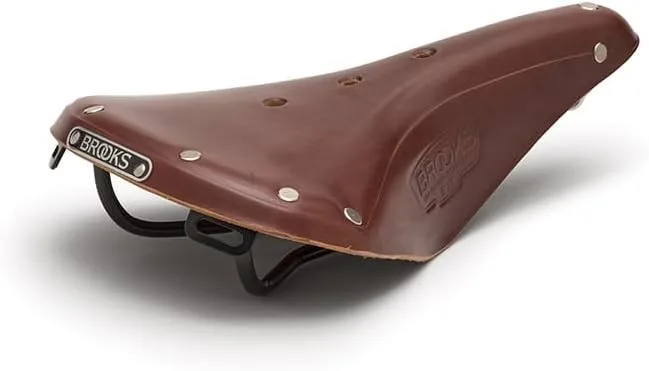
Brooks England
Brooks England Brooks B17
Fixed width 155 mm; fits sit-bone 130-160 mm; requires break-in period (50-100 miles)
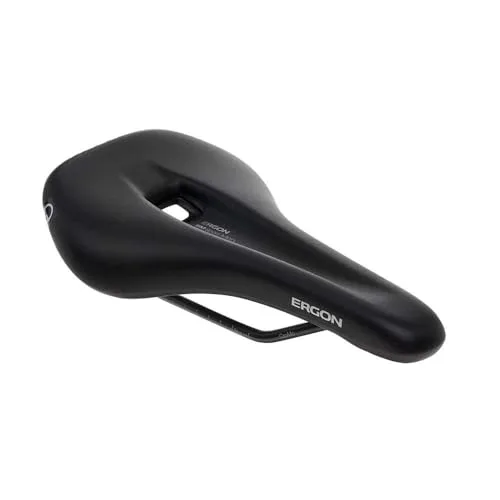
Ergon
Ergon SM Sport Men - S/M
This offer is size S/M, color Black. Check the selected variant and mounting or fit requirements before ordering; other family variants are separate listings.
Bell
Bell Comfort Sport Seat
A narrow sport saddle, not a wide cruiser seat. Check saddle width and seatpost compatibility before installing the included clamp.
Avasta
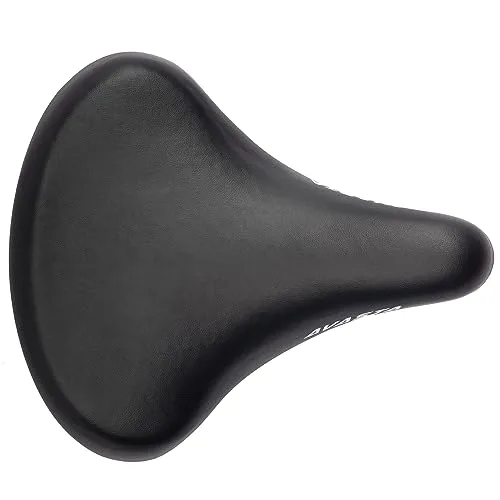
AVASTA Small Kids Saddle - Black
This offer is size S (For 12-20" Bike), color Black. Check the selected variant and mounting or fit requirements before ordering; other family variants are separate listings.
Bell
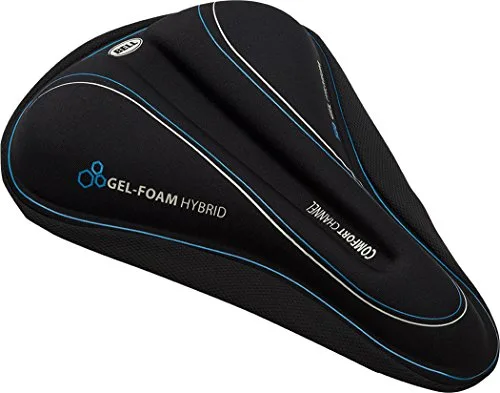
Bell Gelplus Seat Pad - Black
This offer is size One Size, color GelPlus Seat Pad. Check the selected variant and mounting or fit requirements before ordering; other family variants are separate listings.
Elite Bmx
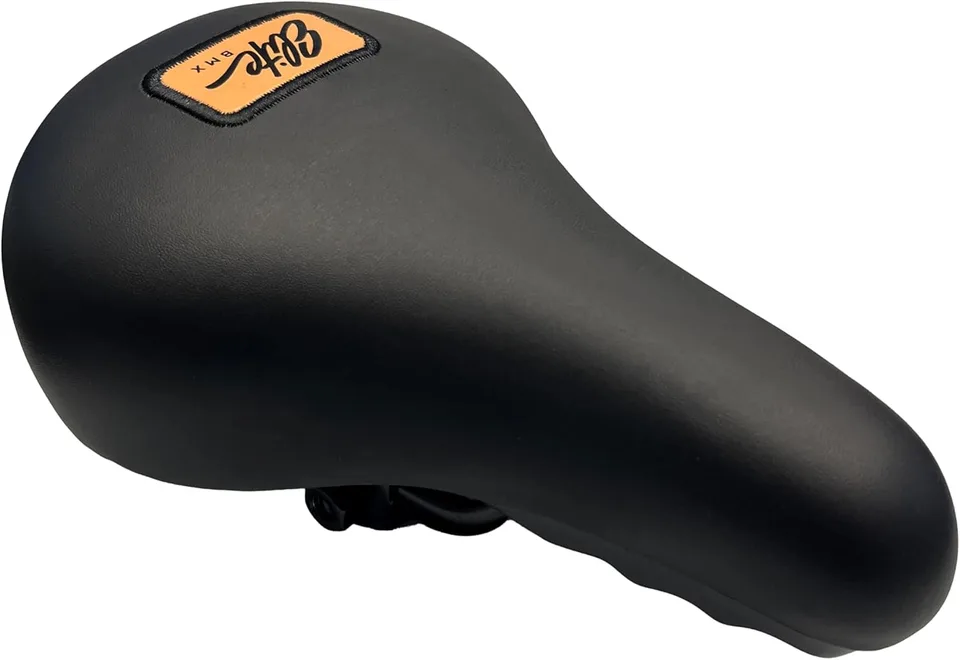
Elite Bmx Elite Bicycle Saddle
Standard rail mounting fits Elite BMX Stealth, Pee Wee, Destro, and Outlaw frames as well as most other BMX seatpost clamps. Saddle height for street BMX is typically inseam × 0.7-0.85.
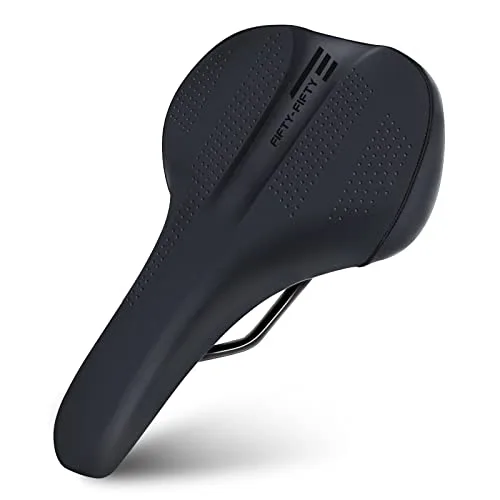
Fifty Fifty
Fifty Fifty FIFTY-FIFTY Memory-Foam MTB Saddle
Comfort-shaped saddle ~175 mm wide - a good upgrade for upright MTB, hybrid, and e-MTB riders who find narrow OEM saddles painful. Standard chromoly rails fit any seatpost rail clamp. Not a performance saddle - the memory foam adds weight and bulk that race riders will dislike.
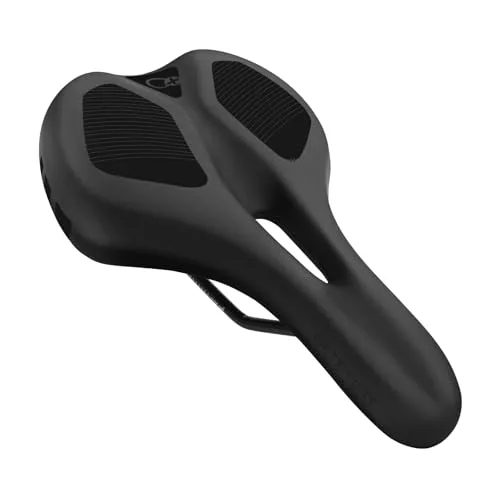
Fifty Fifty
Fifty Fifty FIFTY-FIFTY Memory-Foam MTB Saddle 2024
2024 refresh of the comfort saddle above - adds a central pressure-relief cutout and a slightly narrower nose for touring use. Same chromoly rail spec so it fits the same seatpost clamps. Pick this one over the original B0BJ8SX1ZC if you ride longer than 30 min at a time - the cutout matters at that range.
As an Amazon Associate we earn from qualifying purchases. Purchases made through these links help support our free calculators.
1. Brooks B17
Brooks B17 is the leather classic for touring riders who don't mind a break-in period. It breaks in to the shape of your sit bones over the manufacturer-cited 50-100 miles - firm at first, then shaped to you.
Check Brooks B17 on Amazon2. Ergon SM Sport Men - S/M
Ergon SM Sport Men - S/M. This offer is size S/M, color Black. Check the selected variant and mounting or fit requirements before ordering; other family variants are separate listings.
Check Ergon SM Sport Men - S/M on Amazon3. Bell Comfort Sport Seat
Bell's Comfort Sport Seat has a narrow shape for road and mountain bikes, soft-touch padding, and a pressure-relief cutout. It is not a wide cruiser saddle; compare its fit with your current saddle and check seatpost compatibility.
Check Bell Comfort Sport Seat on Amazon4. AVASTA Small Kids Saddle - Black
Model: AVASTA Small Kids Saddle - Black · Selected size: S (For 12-20" Bike) · Selected color: Black · Comfort - Soft, high-quality foam prevents soreness; all materials are non-toxic. · Fit - Dimensions: 8.7" x 7.5", compatible with 12"-20" boys' and girls' bikes.
Check AVASTA Small Kids Saddle - Black on Amazon5. Bell Gelplus Seat Pad - Black
Bell Gelplus Seat Pad - Black. This offer is size One Size, color GelPlus Seat Pad. Check the selected variant and mounting or fit requirements before ordering; other family variants are separate listings.
Check Bell Gelplus Seat Pad - Black on Amazon6. Elite Bicycle Saddle
Material: faux leather cover with foam padding · Rails: standard BMX / pivotal-compatible · Weather Resistance: weather-resistant cover for outdoor durability · Shape: ergonomic BMX profile with relief contour · Color: black
Check Elite Bicycle Saddle on Amazon7. FIFTY-FIFTY Memory-Foam MTB Saddle
Shell: nylon composite · Padding: memory foam · Cover: waterproof PU leather · Rails: chromoly steel · Dimensions: ~275 x 175 mm · Weight: ~360 g
Check FIFTY-FIFTY Memory-Foam MTB Saddle on Amazon8. FIFTY-FIFTY Memory-Foam MTB Saddle 2024
FIFTY-FIFTY Memory-Foam MTB Saddle 2024 is the value pick. Central pressure-relief cutout, waterproof microfiber cover, chromoly rails, and one ~175 mm width that suits wider sit-bones. A direct alternative to the Selle Royal Freeway Fit at one-third less, with the obvious caveat that there's no width sizing - measure first.
Check FIFTY-FIFTY Memory-Foam MTB Saddle 2024 on AmazonCommon mistakes to avoid
Confusing comfort with padding
A heavily padded saddle compresses unevenly, putting all your weight on a smaller area. Shells that match your sit-bone width spread load far better than gel pads ever can.
Skipping the sit-bone measurement
10 minutes with corrugated cardboard tells you within ±5 mm. Without it you're guessing - and most riders guess narrower than they actually measure.
Setting saddle level by eye
Use a phone level on the rails or the nose. A saddle tilted 1° forward dumps your weight onto your hands; tilted 1° back puts pressure where you do not want it.
Riding through it
Do not ride through numbness or persistent pain. Symptoms alone cannot establish the cause or prove that a new saddle will help. Read when to stop adjustments and seek a fit assessment, and seek medical advice for persistent or concerning symptoms.
The final word
Saddle fit is an experiment with sample size one. Use the saddle-size calculator to narrow the field, check current return terms rather than assuming a trial period, and budget for a possible return. The saddle that remains comfortable for your normal ride duration is the right one.
Update log
- Added selection criteria, quick answer, and catalog-backed segmented winners after checking selected products against the in-repo category catalogs. This was not a full product-availability audit.
- Rebuilt on the decision-first template: added a named quick-answer winner, four evidence-backed segmented winners (best overall, best short-nose, best gravel & MTB, best touring/long-distance break-in), an evidence-source table citing manufacturer spec/price band per pick (saddles carry no third-party safety certification, so that column states this explicitly), and a "what we learned" synthesis section. No products were added to or removed from the existing picks list.
Saddles FAQs
Saddles head-to-head comparisons
Already narrowed to two contenders? See the detailed match-ups our editors put together for saddles.
Compare Bell Comfort Sport Seat and Brooks B17 by their listed features, fit, and intended use.
Compare Bell Comfort Sport Seat and Ergon SM Sport Men - S/M by their listed features, fit, and intended use.
Compare Brooks B17 and Ergon SM Sport Men - S/M by their listed features, fit, and intended use.
Two comfort-cutout saddles aimed at upright riders - one a $38 Amazon-native upgrade from FIFTY-FIFTY, the other a $40 mainstay from Italy's Selle Royal. Padding, channel design, and width sizing decide which one is the better seat for a hybrid, commuter, or e-MTB.
Compare the long, flat Fizik Arione R3 with the short-nose Selle Italia SLR Boost KC TM Superflow. The current Selle Italia offer has gel padding, a Superflow opening, and chrome-manganese rails; check the listed size against your fit.
See every saddles we recommend
The full category page lists every saddles pick with sizing notes, FAQs, and persona-specific guidance.
Related calculators & tools
Sit-bone width to saddle width
Width by gender and riding style
Set ideal seatpost height