Skid Patch Calculator
Calculate how many skid patches your fixed gear ratio produces. More patches means more even tire wear and longer tire life for your fixie or track bike.
Loading calculator…
What Are Skid Patches?
Skid patches are the specific points on your rear tire that make contact with the road surface when you lock your legs to slow down on a fixed gear bicycle. Because the drivetrain on a fixie has a direct 1:1 connection between the pedals and the rear wheel, the tire always contacts the ground at predictable, repeating positions determined by your gear ratio.
The number of skid patches is a function of the chainring and cog tooth counts - specifically, the cog teeth divided by the greatest common divisor (GCD) of both values. A higher number of skid patches means wear is distributed across more points on the tire, significantly extending its lifespan.
Why Skid Patches Matter for Fixed Gear Riding
On a fixed gear bike without a front brake (or for riders who primarily use leg braking), skidding is the main method of deceleration. Every time you skid, the same points on the tire wear down. With a low skid patch count - say, just 1 or 2 patches - you'll develop flat spots and blow through tires in weeks. With 15+ patches, wear spreads so evenly that tires last many times longer.
Choosing the right gear ratio isn't just about cadence and speed - it's also about practical tire economics and safety. A flat-spotted tire has less grip in wet conditions and is more prone to blowouts. Understanding skid patches helps you make an informed decision when building or modifying your fixed gear setup.
How to Maximize Your Skid Patches
Gear Ratio Selection
- • Use coprime numbers: Choose chainring and cog counts that share no common factors
- • Prime cogs: Cogs with prime tooth counts (13, 17, 19) tend to maximize patches
- • Avoid even/even: Two even numbers always share at least a factor of 2
- • Odd chainrings: 47 and 49 tooth chainrings pair well with most cogs
Riding Technique
- • Ambidextrous skidding: Alternate your leading foot to double your effective patches
- • Tire rotation: Periodically rotate the tire on the rim to redistribute wear
- • Front brake: Adding a front brake reduces reliance on skidding
- • Harder compounds: Fixed gear-specific tires use more durable rubber
Understanding the Math
The formula for skid patches is straightforward: Single-leg patches = Cog teeth ÷ GCD(Chainring, Cog). The GCD (Greatest Common Divisor) is the largest number that divides evenly into both the chainring and cog tooth counts.
For ambidextrous skid patches, if the single-leg count is odd, you double it because swapping the lead foot hits new parts of the tire. If the single-leg count is even, the ambidextrous count stays the same because the opposite foot lands on the same patch sequence again.
For example: a 49/17 setup has GCD(49, 17) = 1, so you get 17 ÷ 1 = 17 single-leg patches. Since 17 is odd, ambidextrous gives you 17 × 2 = 34 patches - excellent tire longevity.
Lock-on grips for fixed-gear riders
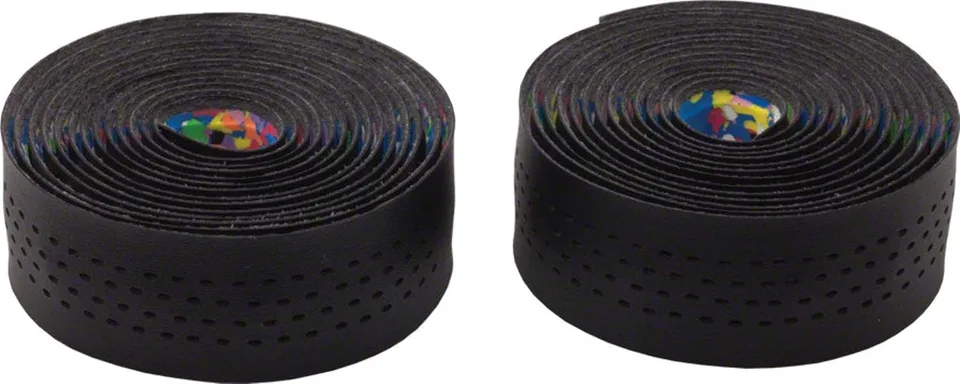
Cinelli
Cinelli Caleido Cork Tape
Standard drop-bar tape 23.8mm. 2m roll. Classic Italian aesthetic with natural materials.
$30.374.6
View on Amazon
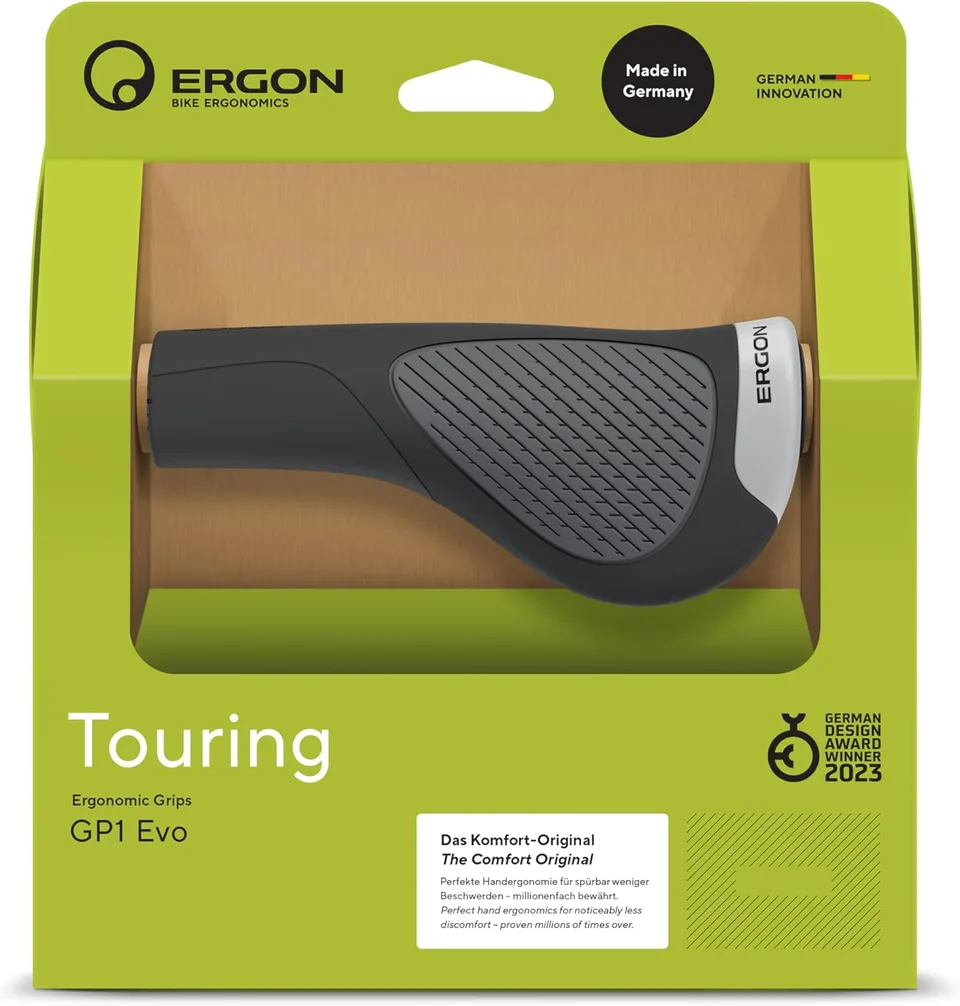
Ergon
Ergon GP1 Ergo Grip
Flat bar 22.2mm diameter. 130mm length with aggressive ergonomic molding for hand support.
$44.394.7
View on Amazon
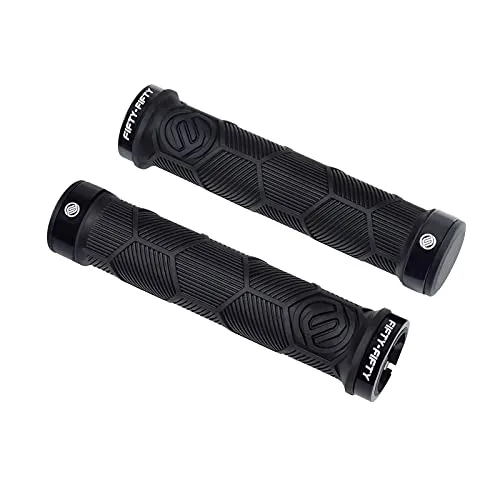
Fifty Fifty
Fifty Fifty FIFTY-FIFTY Double Lock-On MTB Grips
Standard 22.2 mm (7/8") bar diameter - fits any MTB or hybrid flat bar. The double lock-on design (two clamps per grip) is more secure than single-clamp grips when running soft compounds or riding in wet conditions. Direct alternative to Ergon GA2 or ODI Ruffian.
$25.99
View on Amazon
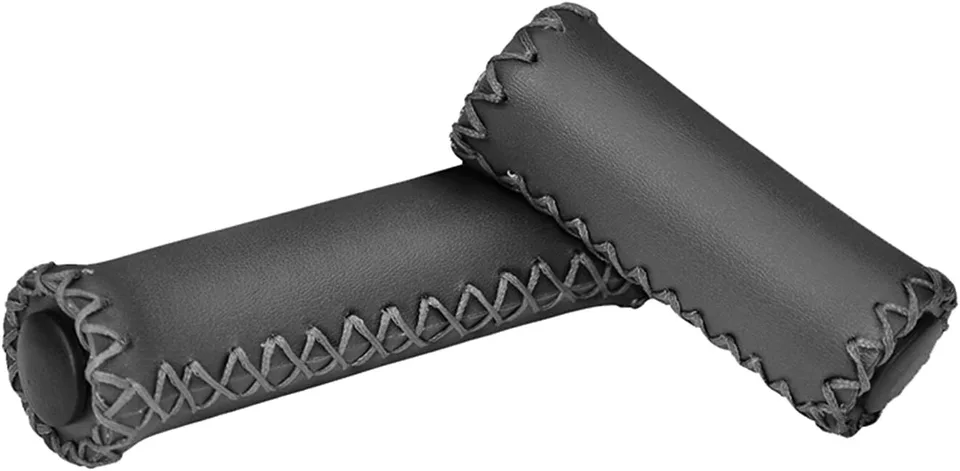
Firmstrong
Firmstrong Padded Handlebar Grips
Pick the single-speed pair for bikes without grip-shifters; pick the 7-speed pair (one shorter grip) for any bike with a twist or trigger shifter on the right. Only fits 22.2mm bars - won't fit drop bars or oversized 31.8mm flat bars.
$19.994.1
View on Amazon
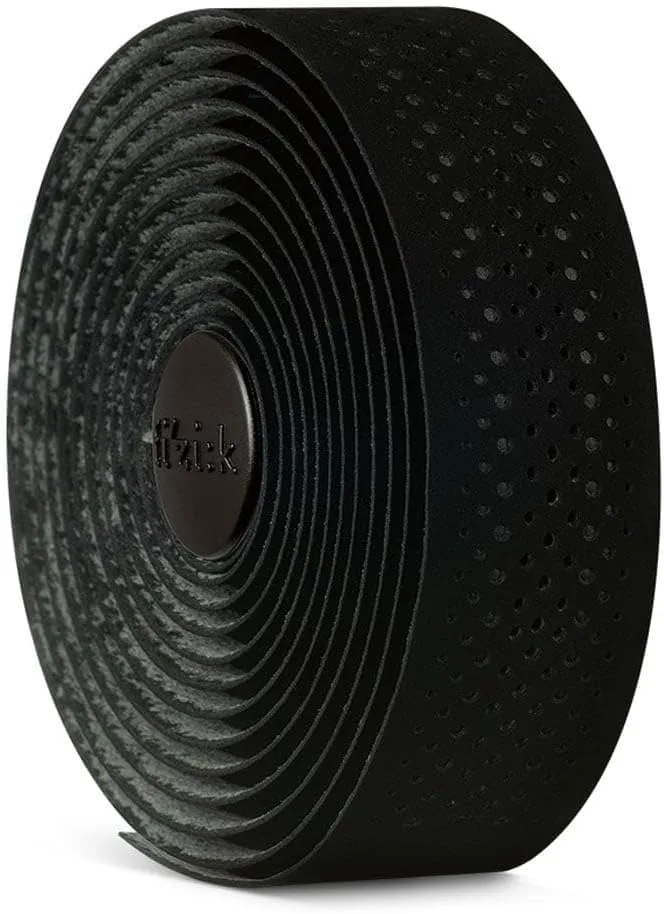
Fizik
Fizik Tempo Microtex Bondcush
Standard drop-bar tape 23.8mm diameter. 2m roll for full handlebar.
$34.644.4
View on Amazon
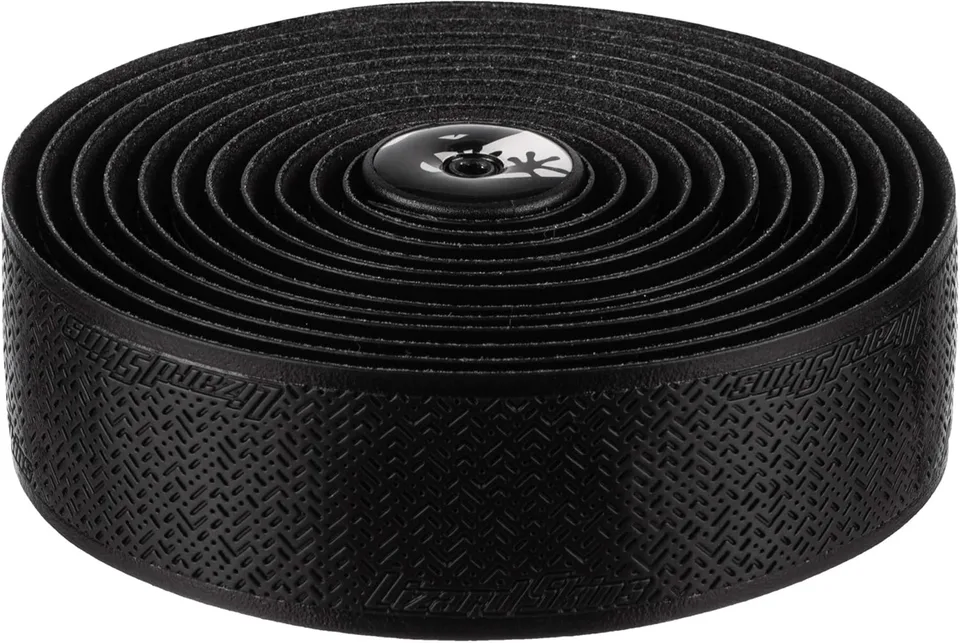
Lizard Skins
Lizard Skins DSP Bar Tape
Standard drop-bar tape for 23.8mm bars. 2m coverage for typical road bike handlebars.
$47.994.7
View on Amazon
As an Amazon Associate we earn from qualifying purchases. Purchases made through these links help support our free calculators.
Frequently Asked Questions
Related Guides
Explore Brand Size Charts & Guides
Related Comparisons
Related Tools
Road Bike Size Calculator
Find your ideal road bike frame size for proper fit
Crank Length Calculator
Optimize crank arm length for your leg proportions
Tire Pressure Calculator
Find optimal tire pressure for your weight and tire size
Saddle Height Calculator
Set proper saddle height for efficient pedaling
General Bike Size Calculator
Universal sizing tool for all bike types