Rider-matched picks
Bags & Panniers for heavy riders
Size-matched bags & panniers picks for heavy riders, with fit and feature priorities curated for how heavy riders actually ride.
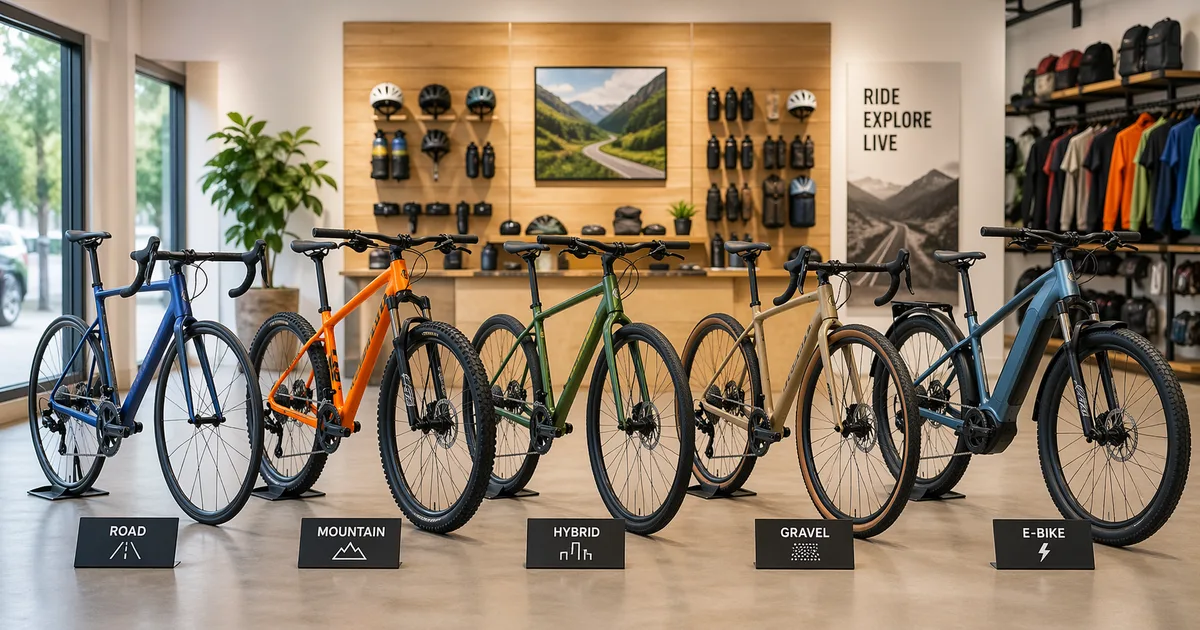
Bags & Panniers picks for heavy riders
Check Amazon for current pricing and availability.
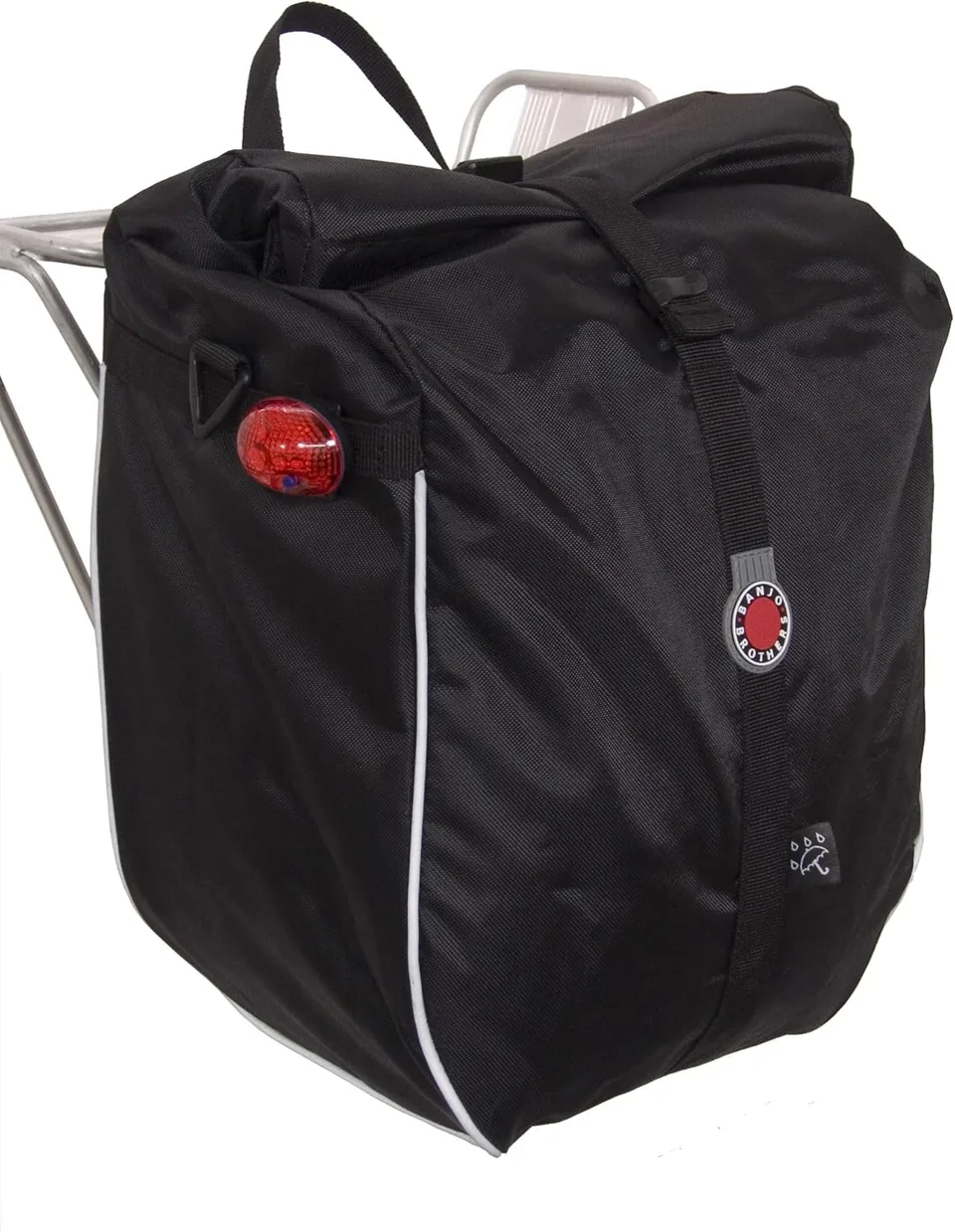
Banjo Brothers
Banjo Brothers Waterproof Pannier
Pair recommended for full touring. Convertible handles allow backpack use. Lifetime warranty.
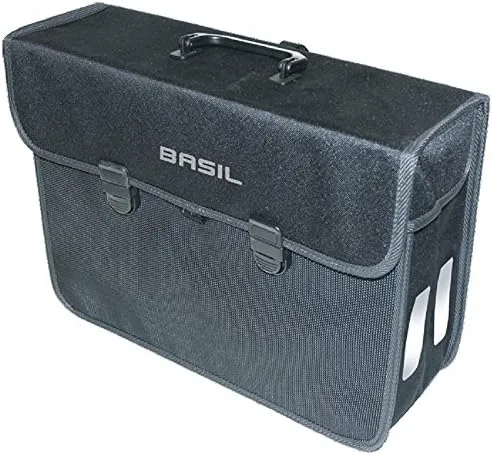
Basil
Basil Malaga Pannier
Single 17 L rear pannier (40 x 14 x 31 cm). Hook-on system fits standard 8–16 mm rear-rack tubes. Run a pair for a 34 L commuter setup; max load 5 kg per bag.
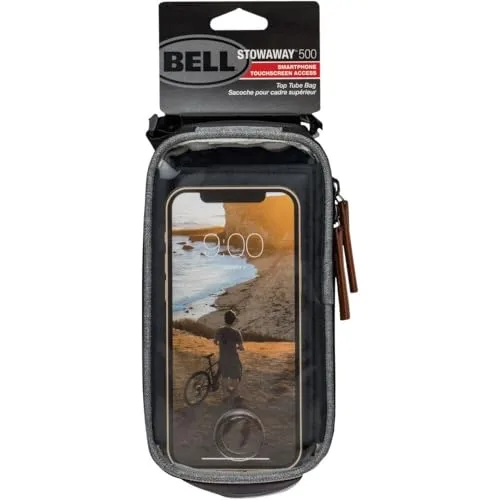
Bell
Bell Stowaway 500 Top Tube Bicycle Bag
Check top-tube space, phone fit, and knee clearance before fitting the three attachment straps.
Bell
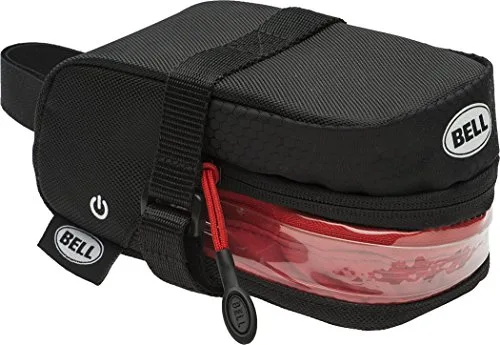
Bell Rucksack Lighted Seat Bag
Under-saddle storage with an integrated light. Check saddle clearance and make sure the light remains visible behind the bike.
Blackburn
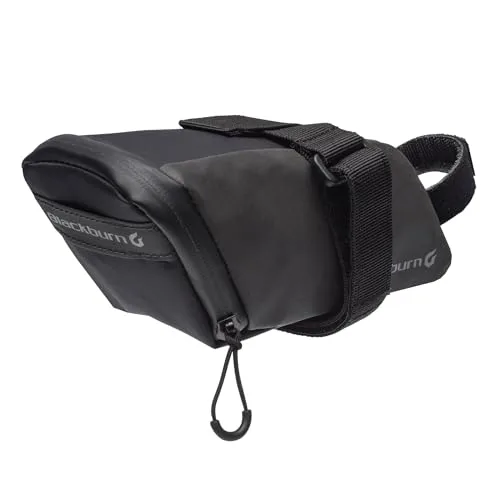
Blackburn Grid Seat Bag - Medium
This offer is size Medium, color Black - BBN. Check the selected variant and mounting or fit requirements before ordering; other family variants are separate listings.
Ortlieb
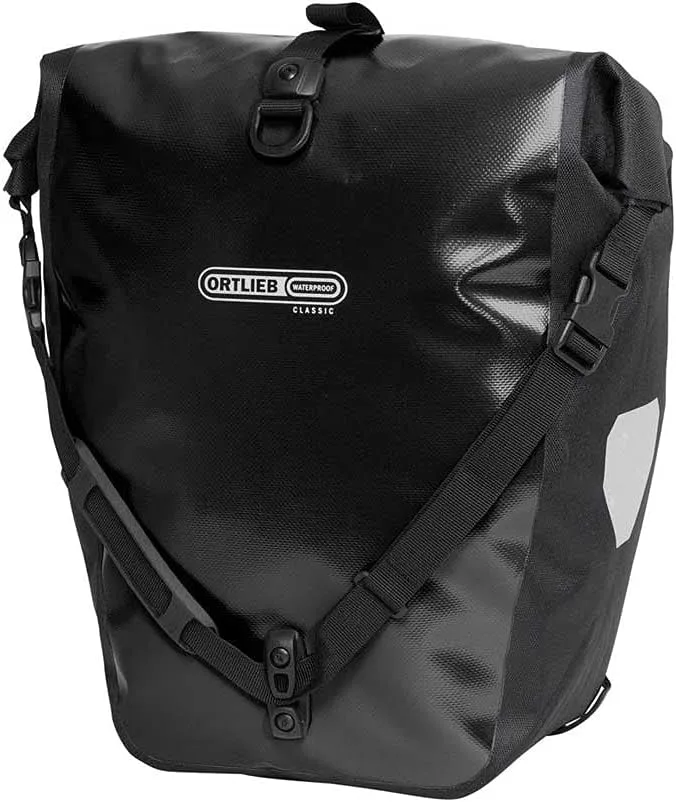
Ortlieb Back Roller Pro Classic
Fits standard rear racks with 8-16mm tubular rails. Per-side mounting provides stability. Most popular touring pannier globally.
Thule
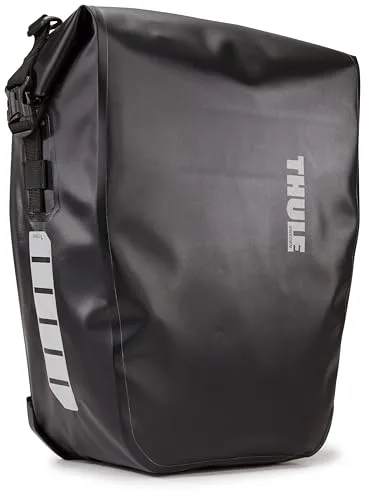
Thule Shield 25L Pannier Set
This offer is size 25L, color Black. Check the selected variant and mounting or fit requirements before ordering; other family variants are separate listings.
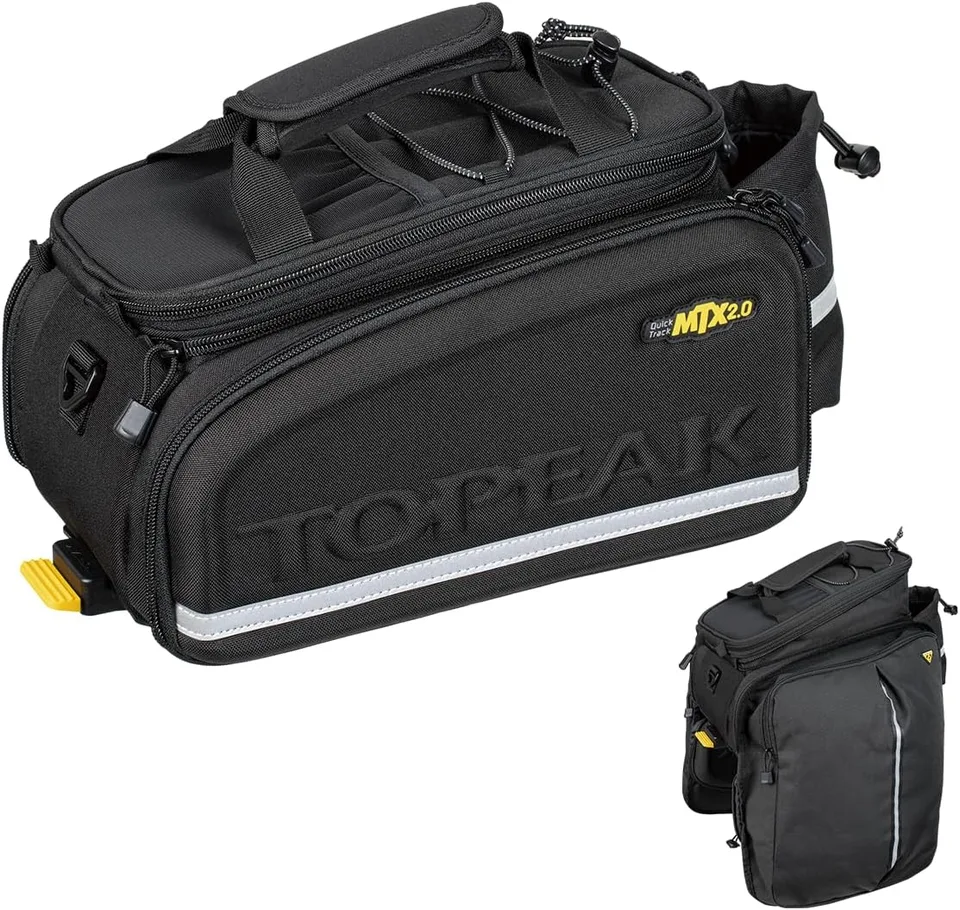
Topeak
Topeak TrunkBag DXP
Sits on top of rear rack. Quick-release allows off-bike conversion to daypack via shoulder straps. Not suitable for heavy touring.
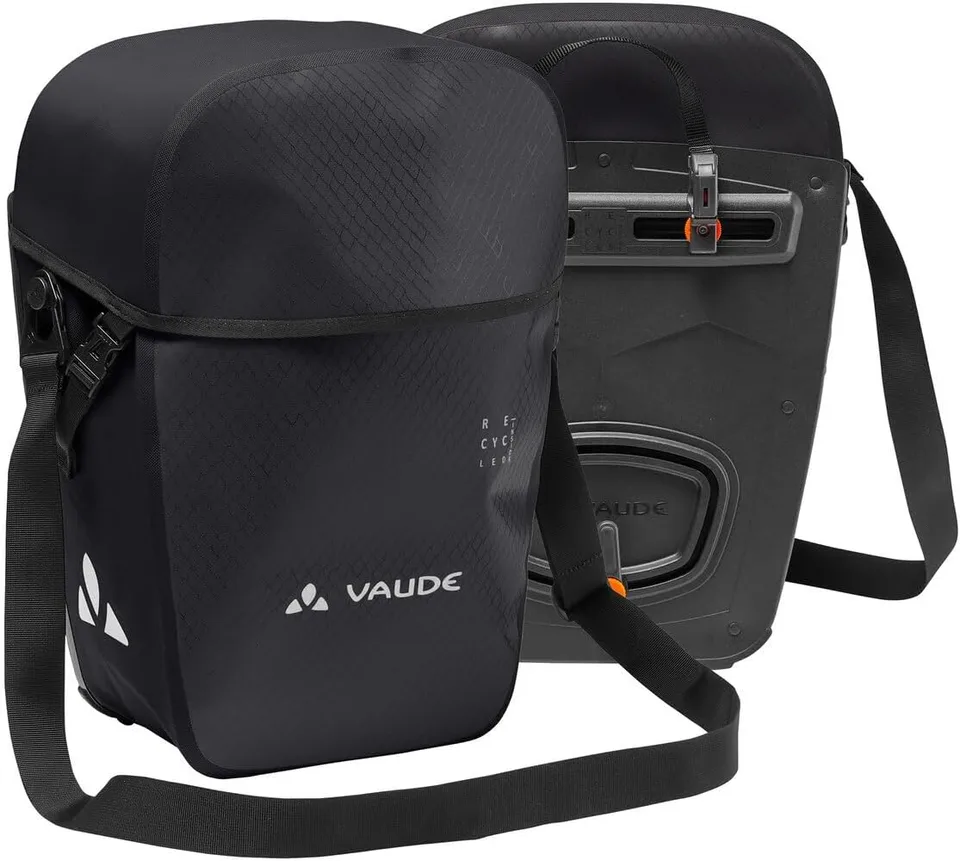
Vaude
Vaude Aqua Rear Pro
High-capacity touring pannier. Vaude QL system is proprietary but well-regarded. Available in singles or pairs.
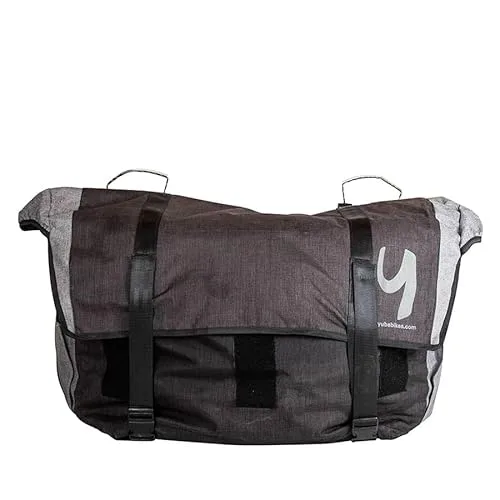
Yuba
Yuba Go-Getter Cargo Bag
Yuba's flagship cargo pannier - covers half of a Mundo or Spicy Curry rear deck. 80 L expandable means it'll swallow a week of groceries or a stroller. Not a touring pannier - shape is optimized for longtail decks, not rear-rack rails.
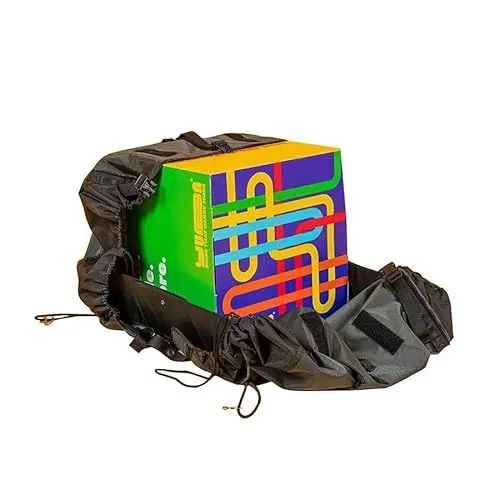
Yuba
Yuba FastRack DRS Sling Cargo Bag
Modular sling bag for Yuba's FastRack DRS rack system. Amazon's listing title says 'Yuba FastRack Cargo E-bike' but the product is actually the DRS Sling Cargo Bag - read the feature bullets, not the title.
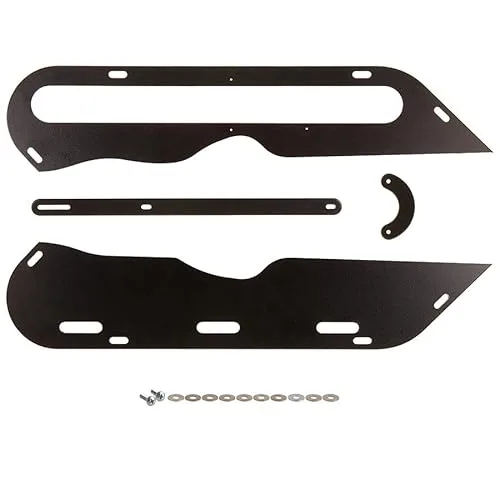
Yuba
Yuba Combo for Towing
Hitch and strap kit that turns a Yuba longtail into a tow vehicle for a trailer or a second cargo load. Bolts to the rear dropout / kickstand hardpoints. Confirm your frame year is on Yuba's compatibility list before buying - earlier Mundos use a different dropout pattern.
As an Amazon Associate we earn from qualifying purchases. Purchases made through these links help support our free calculators.
What matters for heavy riders
Heavy riders should prioritize structural integrity and component durability over weight savings. Look for frames rated for higher weight capacities - always check manufacturer specs, as most standard bikes are rated for 250-275 lbs including rider and gear. Choose reinforced wheels with higher spoke counts (32-36 spokes) and wider rims for better weight distribution and fewer broken spokes. Wider tires (35mm minimum for road, 2.3"+ for mountain) run at appropriate pressures provide better comfort and reduce pinch flat risk. Steel and aluminum frames typically handle heavier loads better than carbon, which can fail catastrophically under sustained high stress. Avoid ultralight components like carbon handlebars and seatposts that sacrifice durability - instead choose aluminum or steel alternatives rated for your weight. When sizing, consider that heavier riders create more flex in frames, so a stiffer, slightly larger frame may feel more responsive.
Bags & Panniers sizing guidance
Match capacity to use case: commuter 15-25L / pannier pair, touring 30-45L per pair, bikepacking rolls 8-15L. Confirm rack-rail diameter (8-16mm tubular rails) and mounting system before buying. Frame bags size by frame triangle volume (XS: 2-4L, S: 4-6L, M: 6-8L, L: 8-12L, XL: 12-16L).
Most heavy riders choosing bags & panniers also compare bottle cages for heavy riders, brake pads for heavy riders, and chain lube for heavy riders.
Expert tips
- Always check the manufacturer's stated weight limit before purchasing-include your body weight plus gear
- Opt for 32 or 36-spoke wheels hand-built with quality spokes like DT Swiss or Sapim
- Choose tires at least 28mm wide (32-40mm is better) and run appropriate pressure for your weight
- Steel frames offer excellent durability and often higher weight limits than aluminum or carbon
Bags & Panniers head-to-head comparisons
Cross-shop the bags & panniers heavy riders actually consider - specs, fit, and the deciding factor.
Compare the listed rear-pannier and rear-pannier formats, product specifications, fit notes and catalog price snapshots for pannier or bike bag. Check the exact variant and your setup before ordering.
Compare two rear pannier options by listed capacity, attachment system, weather details, and offer price.
A practical look at two rear-pannier options with different capacities, mounting approaches, and listed package details.
Compare the listed rear-pannier and trunk-bag formats, product specifications, fit notes and catalog price snapshots for pannier or bike bag. Check the exact variant and your setup before ordering.
Compare two waterproof rear-pannier sets by listed capacity, rack attachment, and current offer details.
Compare the listed rear-pannier and expandable-pannier formats, product specifications, fit notes and catalog price snapshots for pannier or bike bag. Check the exact variant and your setup before ordering.