Bike Size Guide for Heavy Riders (250+ lbs)
GuideStarting range, not final fit. Verify the exact model before buying.
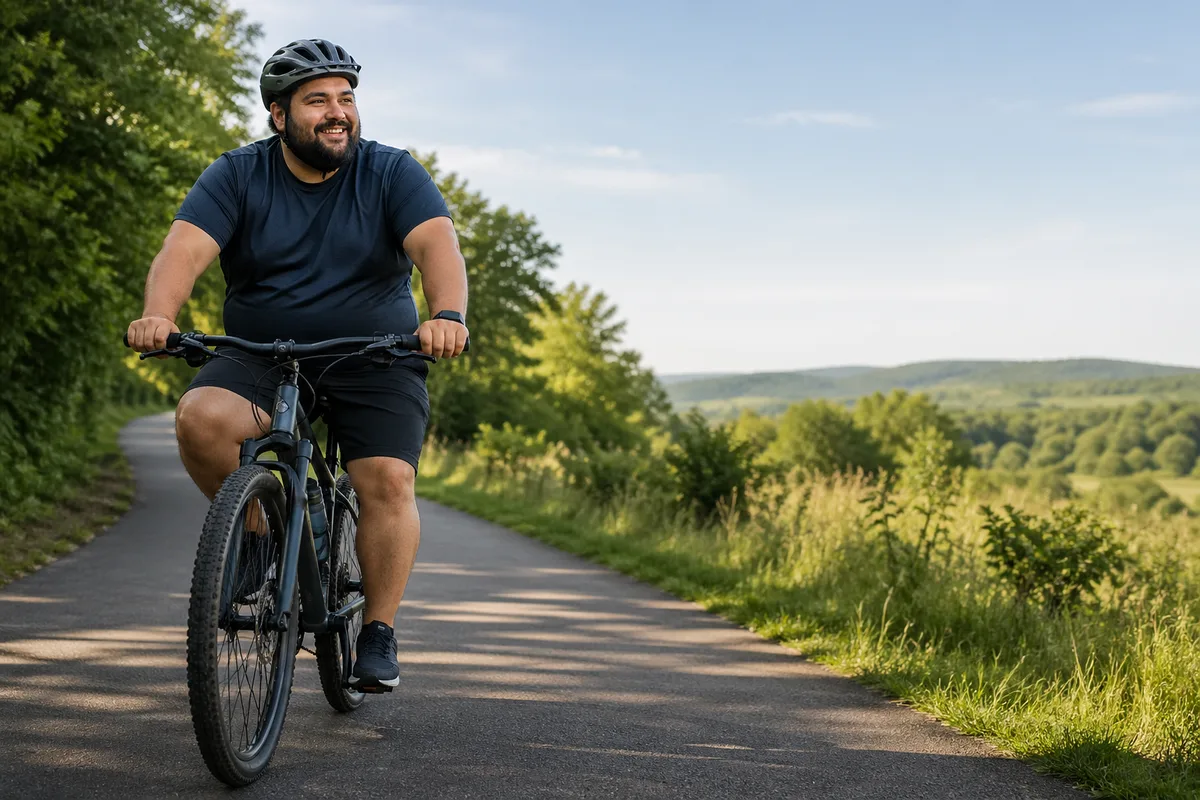
Cyclists weighing 250 pounds or more need bikes built to handle higher loads safely and comfortably. Standard lightweight racing components can fail under sustained heavy use, creating both safety hazards and costly replacements. This guide covers frame strength ratings, wheel durability requirements, appropriate tire widths, component selection, and sizing considerations specific to heavier riders. Finding the right bike with proper weight capacity ensures safety, long-term comfort, and reliable performance without constant maintenance issues.
A starting range, not final fit
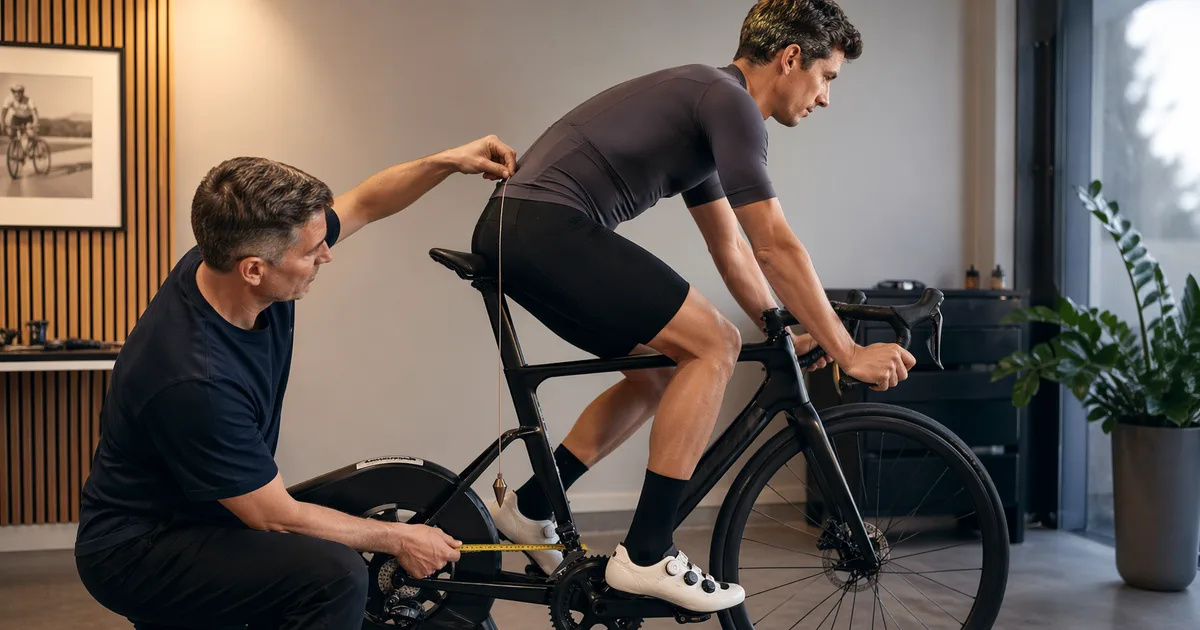
A rider profile does not determine one exact frame or guarantee comfort. Measure height and cycling inseam, and keep any chart overlap or disagreement visible. Torso and arm proportions, mobility and intended riding can change which model works within the starting range.
Check both candidate sizes for standover, saddle range, sustainable cockpit reach and brake access. Respect seatpost, saddle rail and cockpit adjustment limits. Use the recommended brand links below to locate the exact model-year chart; brand-wide ranges and representative geometry are not verification of every model. Missing or conflicting dimensions call for a shop check, test ride or professional fit, not an automatic size-up or size-down rule.
Start the first-bike workflow or use the two-size worksheet and fit checklist before buying. Compare exact geometry when both model sizes have usable source data.
How to size a bike for heavy riders
Heavy riders should prioritize structural integrity and component durability over weight savings. Look for frames rated for higher weight capacities - always check manufacturer specs, as most standard bikes are rated for 250-275 lbs including rider and gear. Choose reinforced wheels with higher spoke counts (32-36 spokes) and wider rims for better weight distribution and fewer broken spokes. Wider tires (35mm minimum for road, 2.3"+ for mountain) run at appropriate pressures provide better comfort and reduce pinch flat risk. Steel and aluminum frames typically handle heavier loads better than carbon, which can fail catastrophically under sustained high stress. Avoid ultralight components like carbon handlebars and seatposts that sacrifice durability - instead choose aluminum or steel alternatives rated for your weight. When sizing, consider that heavier riders create more flex in frames, so a stiffer, slightly larger frame may feel more responsive.
Recommended Geometry Preferences
moderate to higher
standard
proportional to height
taller for comfort
moderate
Which brands fit heavy riders best?
These brands are known for offering excellent options for heavy riders.
Zize Bikes
Specifically designed for riders 200-550 lbs
What are the common sizing mistakes for heavy riders?
- 1Buying ultralight carbon frames or wheels that aren't rated for your weight
- 2Ignoring manufacturer weight limits-these exist for safety reasons
- 3Choosing wheels with low spoke counts (24 or fewer) that can't handle the load
- 4Skimping on tire width-narrow tires at high pressure are uncomfortable and less durable
- 5Overlooking saddle quality-heavier riders need supportive, durable saddles
- 6Assuming all bikes can handle any rider weight without checking specifications
Expert tips for heavy riders
- 1Always check the manufacturer's stated weight limit before purchasing-include your body weight plus gear
- 2Opt for 32 or 36-spoke wheels hand-built with quality spokes like DT Swiss or Sapim
- 3Choose tires at least 28mm wide (32-40mm is better) and run appropriate pressure for your weight
- 4Steel frames offer excellent durability and often higher weight limits than aluminum or carbon
- 5Consider bikes designed for touring or commuting-they're built to handle loaded weight
- 6Invest in a quality saddle with adequate padding and support for your sit bones
- 7Have wheels professionally trued regularly-spoke tension is critical at higher weights
The frame fits. What should you adjust next?
If the size is right but the ride still feels wrong, compare a video-based fit check with guided mobility work before changing several parts at once.
Explore Fit & MobilityCalculate Your Size
Use our calculator with preset values optimized for heavy riders. Adjust as needed based on your exact measurements.
Measure from the ground to your crotch while standing.
Heavy Riders Sizing FAQ
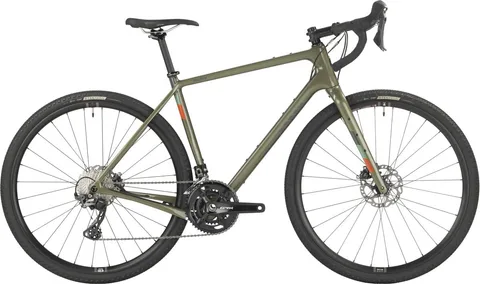
Recommended Bikes for Heavy Riders
Picks from our partner retailers, matched to this rider profile.
As an Amazon Associate we earn from qualifying purchases. Purchases made through these links help support our free calculators.
Once the frame size is set, match the contact and safety gear to this rider profile: compare bags & panniers for heavy riders, bottle cages for heavy riders, and brake pads for heavy riders.
Recommended accessories for Heavy Riders
Helmets, lights and gear that match this rider profile.
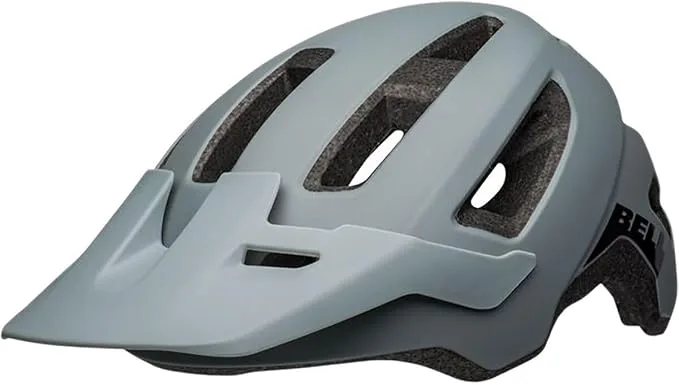
Bell
Bell Nomad 2 MIPS
This ASIN is Small/Medium 52-57 cm. Check the selected Amazon size/color before checkout.
Bell
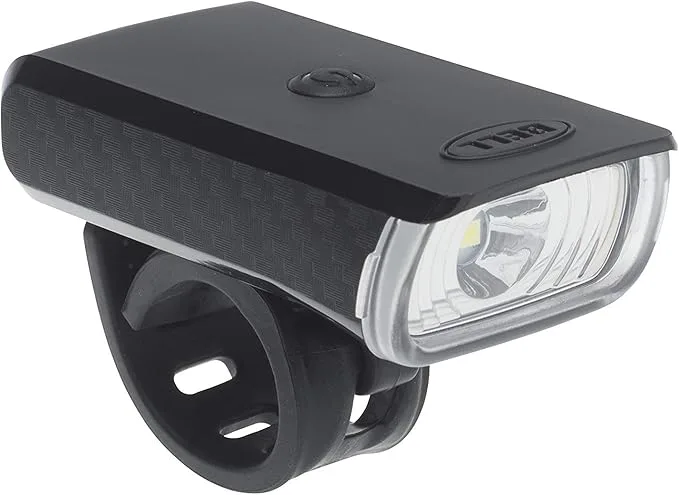
Bell Lumina 300 Headlight
Tool-free handlebar mount; check bar space around computers, bells, and baskets.
Abus
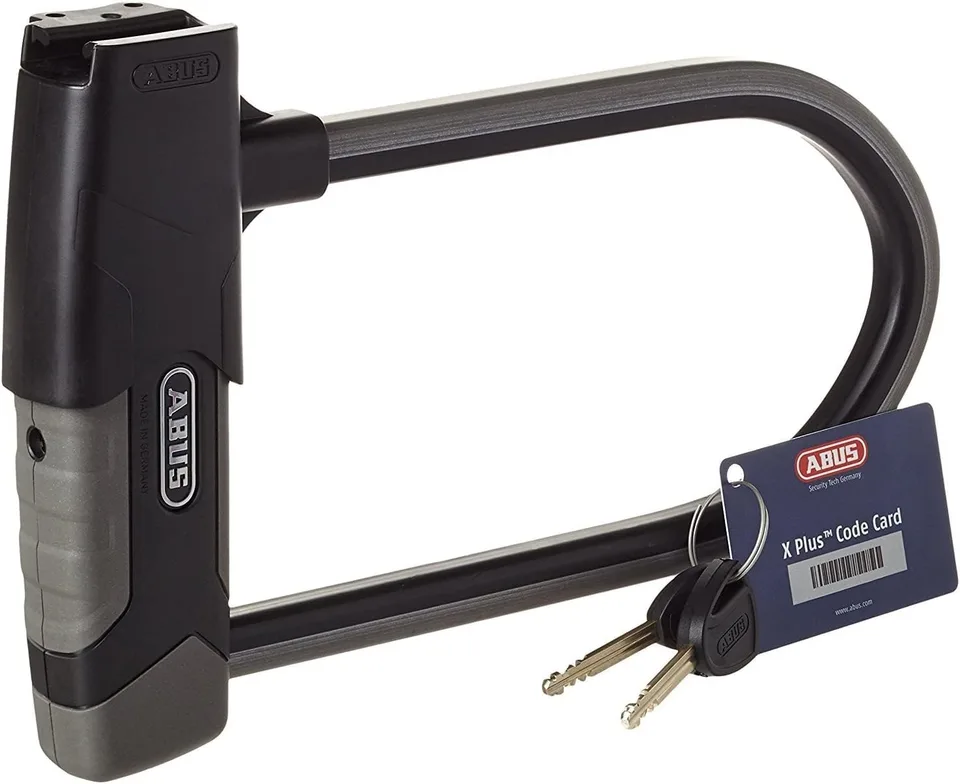
ABUS Granit X-Plus 540
Inner dimensions: 5.5" x 8" (14 x 20cm). Premium size for frame + wheel security. Heavy-duty for high-theft areas.
Banjo Brothers
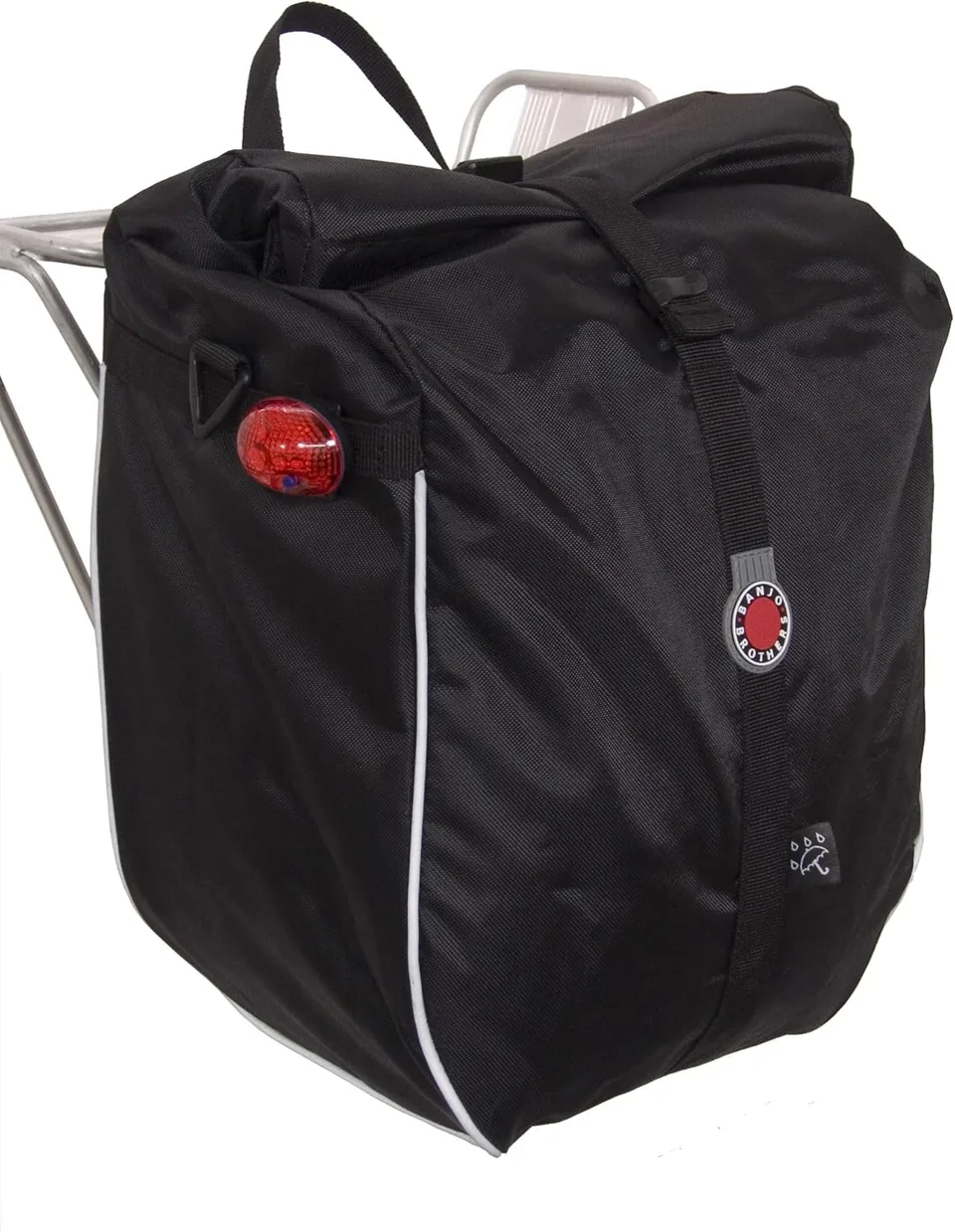
Banjo Brothers Waterproof Pannier
Pair recommended for full touring. Convertible handles allow backpack use. Lifetime warranty.
Cateye
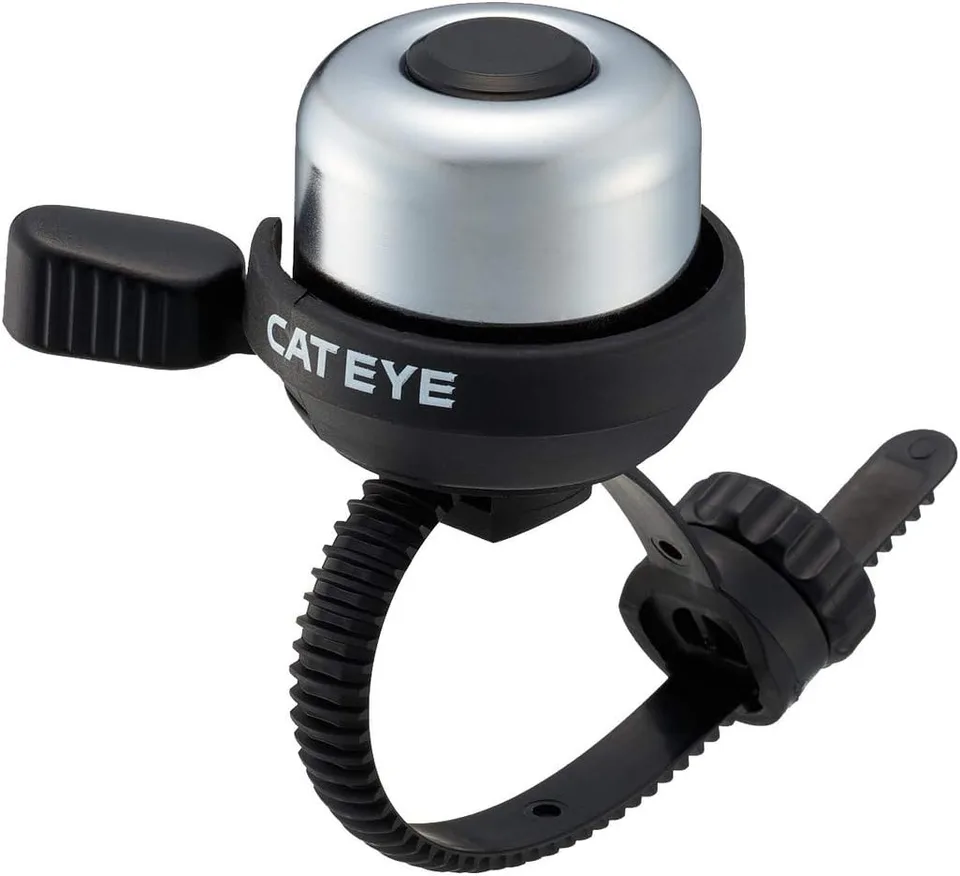
CatEye Bell PB-200
Mid-range option; fits drop-bar primarily; 23.8 mm optimized mount
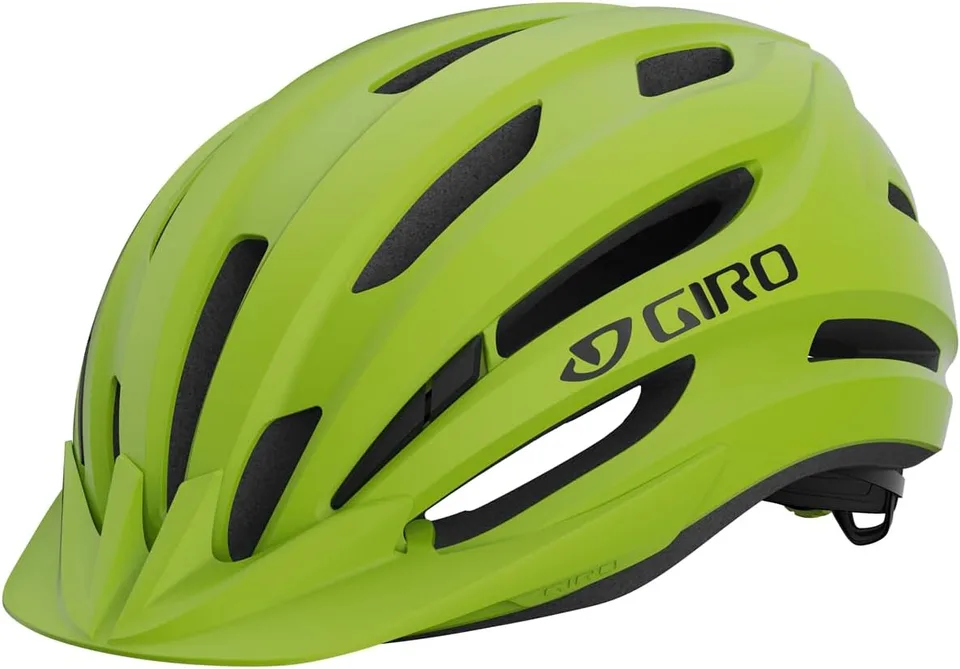
Giro
Giro Register MIPS
S 51-55 cm, M 55-59 cm, L 59-63 cm
Keep Exploring
Bike comparisons for heavy riders
Know the rules where you ride
Bike laws - helmets, sidewalk riding, lights, right of way - vary by state. Check the basics before you head out: