Rider-matched picks
Brake Pads for beginners
Size-matched brake pads picks for beginners, with fit and feature priorities curated for how beginners actually ride.
What matters for beginners
Choose a position you can sustain now, with comfortable mounting and reliable access to brakes and shifters. Measure height and cycling inseam; relatively shorter or longer torso and arm proportions may change the cockpit you need. If the chart suggests two sizes, compare the exact model-year reach, stack, standover and saddle range. Size down only when the smaller candidate passes and the larger cannot; size up when the reverse is true. Either may work within adjustment limits, or there may not be enough evidence to choose. Set the saddle for pedaling, not simply to reach the ground while seated or to shorten handlebar reach. Check stopping and dismounting separately. Respect seatpost insertion, saddle rail and fork/spacer limits, and ask a shop or fitter to resolve missing data, unsafe controls or persistent discomfort.
Brake Pads sizing guidance
Brake pads fit the brake, not the rider. Start by identifying the brake type: disc, V-brake, cantilever, road caliper, or hydraulic rim. Disc pads must match the exact caliper pad shape; Shimano, SRAM, Magura, Tektro, and Hope all use several shapes that look close but do not interchange. Rim pads must match the holder: threaded post for V-brake and cantilever systems, cartridge inserts for most road calipers, and the correct pad compound for aluminium or carbon rims. If the old pad has a printed code, use that first. If not, match the caliper model, backing-plate outline, retaining pin, and spring shape before buying. After installation, bed new disc pads into the rotor with repeated firm stops so they bite cleanly and do not glaze.
Most beginners choosing brake pads also compare bags & panniers for beginners, baskets for beginners, and bells & horns for beginners.
Expert tips
- Ask a local bike shop what sizing, assembly and follow-up services are included before buying
- When test riding, ride for at least 10-15 minutes to feel how the bike really fits
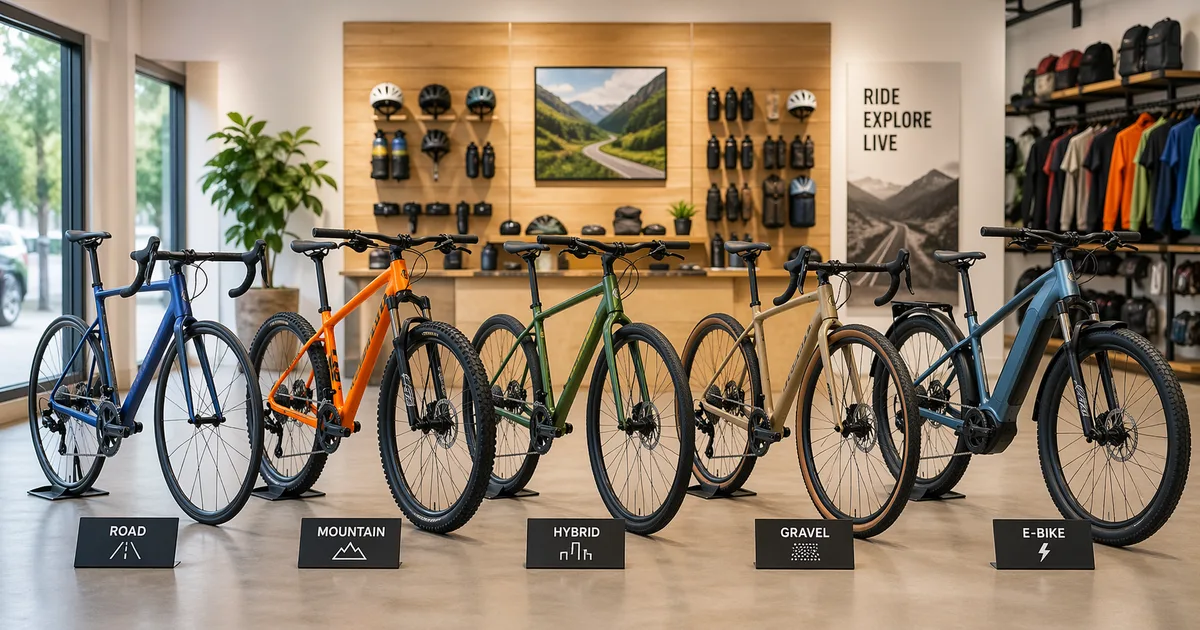
- Start with a hybrid or fitness bike if unsure-they're versatile and forgiving
- Practice controlled stopping and dismounting in a safe area; a suitable pedaling saddle height does not necessarily allow both feet flat while seated