Rider-matched picks
Child Seats for e-bike riders
Size-matched child seats picks for e-bike riders, with fit and feature priorities curated for how e-bike riders actually ride.
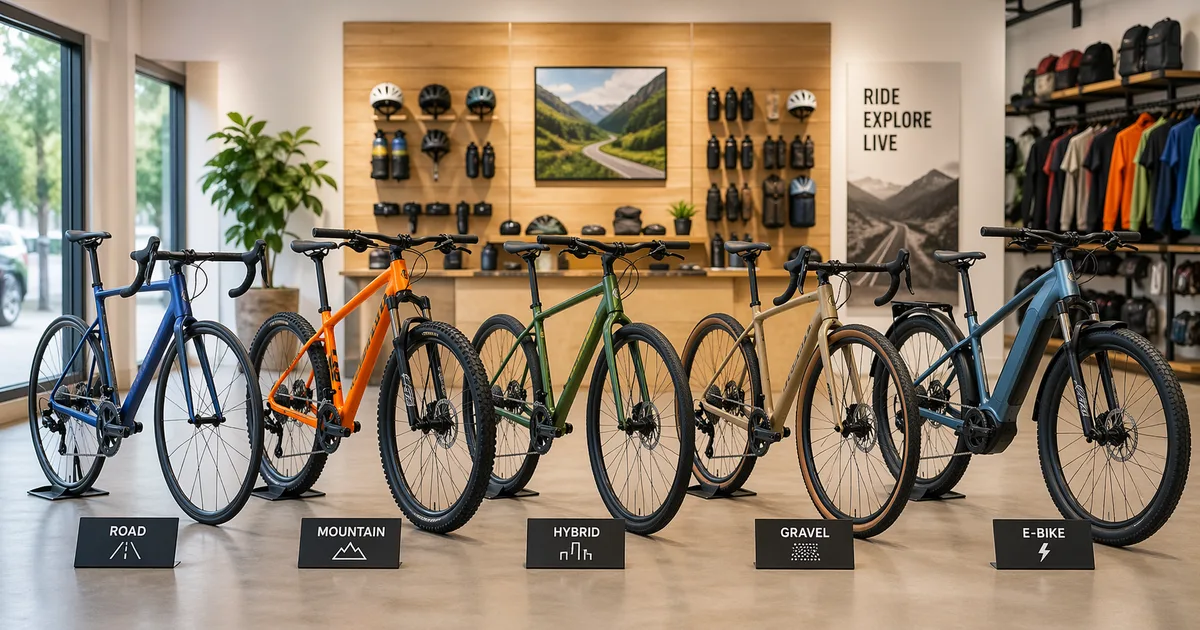
Child Seats picks for e-bike riders
Check Amazon for current pricing and availability.
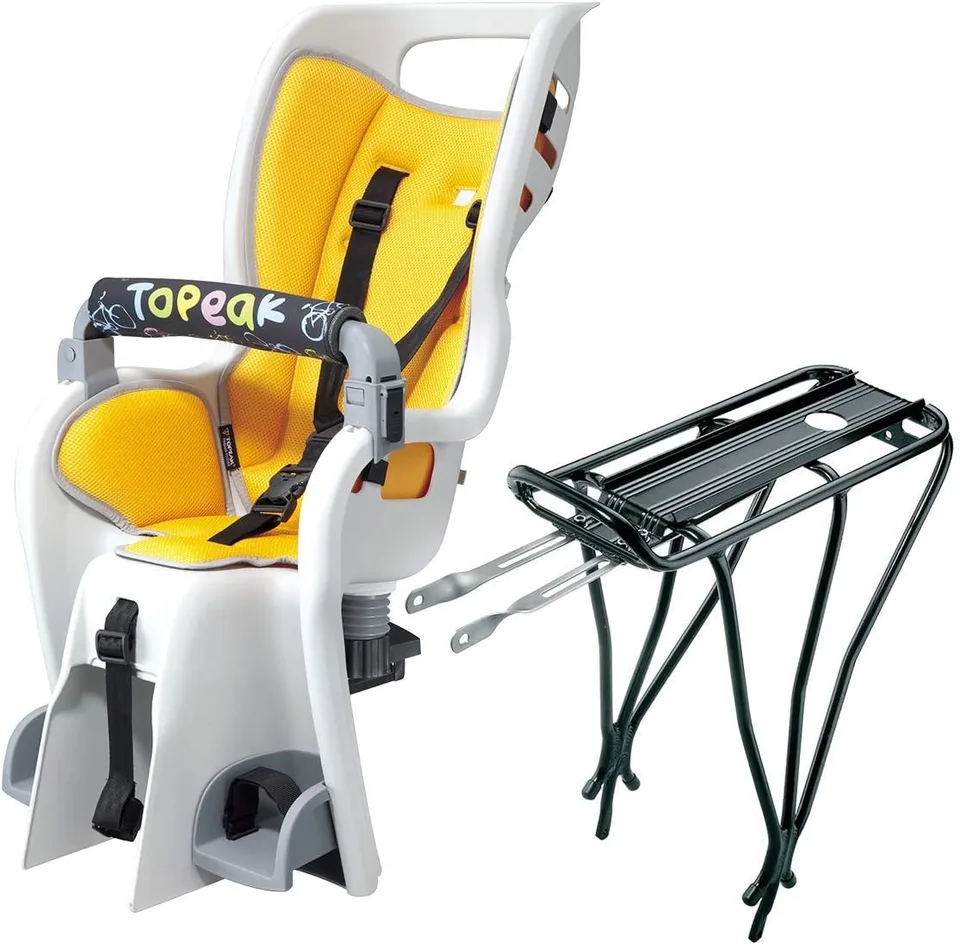
Topeak
Topeak BabySeat II
Rear-mounted child seat for kids up to ~48.5 lb (22 kg). Quick-release attaches/detaches from the included rack via MTX QuickTrack. Non-disc-brake version - for disc bikes order the disc-compatible variant.
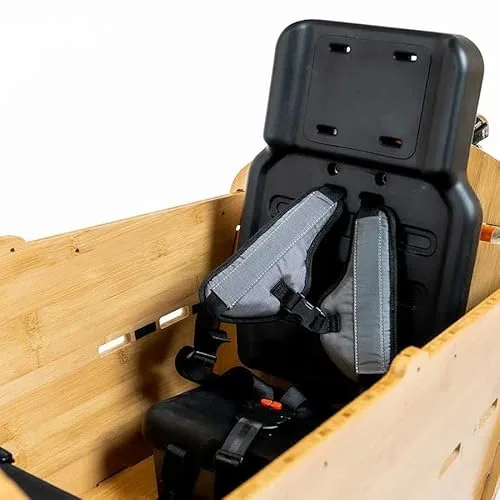
Yuba
Yuba 2be3 Child Seat
Rear-mount seat for a single child on a Yuba longtail. Designed to bolt to Yuba's Monkey Bar / Soft Spot deck - not compatible with standard pannier-rack frames.
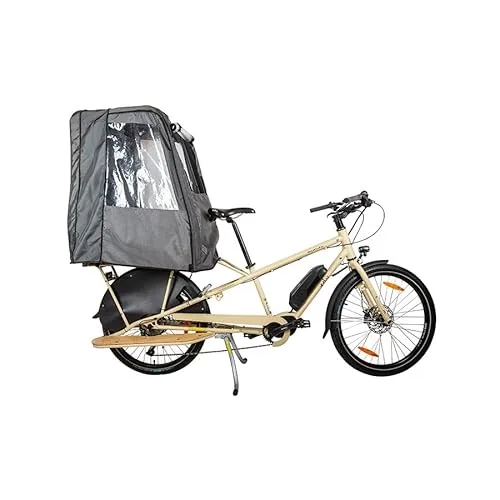
Yuba
Yuba Kids' Pop Top Cover
Weatherproof canopy that mounts to Yuba Monkey Bars (sold separately) to shelter rear passengers from sun, rain, snow, and wind. Longtail-only - won't fit any non-Yuba rack.
Yuba
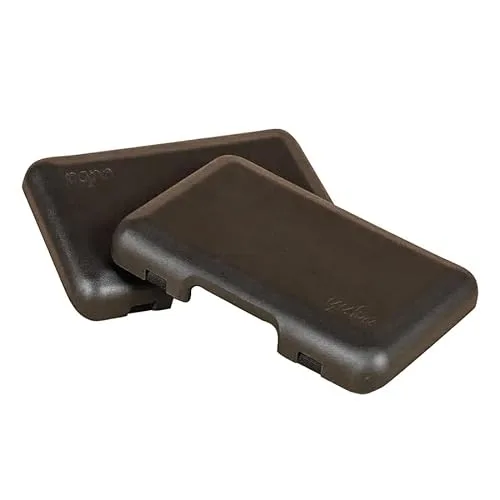
Yuba Passenger Mini Soft Spot
Padded passenger cushion for the rear deck of a Yuba longtail. The Mini version covers half the rack so a second passenger or cargo can share the deck. Confirm Soft Spot sizing chart matches your bike's deck length before ordering.
Yuba
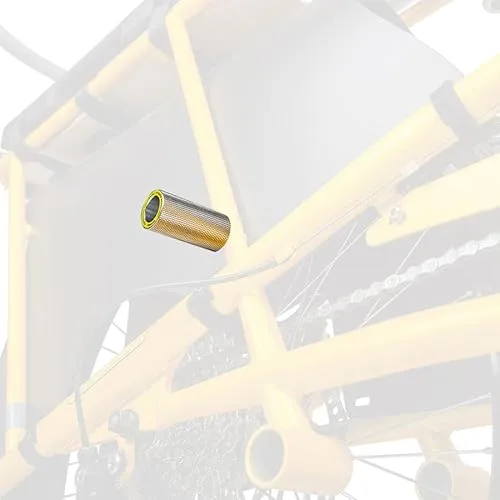
Yuba Little Passenger Pegs
Foldable foot pegs for child passengers on Yuba Boda Boda or Kombi. Boda Boda / Kombi frames only - won't fit the Mundo or Spicy Curry chainstay layout.
As an Amazon Associate we earn from qualifying purchases. Purchases made through these links help support our free calculators.
What matters for e-bike riders
E-bikes weigh 20-30 kg compared to 8-12 kg for acoustic bikes, which fundamentally changes how sizing affects handling. The extra weight actually improves stability at speed but makes low-speed maneuvering and stopping more critical - ensure you can confidently put both feet flat on the ground when stopping, especially if you're new to cycling. Step-through frames are strongly recommended for riders with any flexibility limitations, as swinging a leg over a heavy e-bike is significantly harder than a standard bicycle. Mid-drive motors (Bosch, Shimano, Brose) center weight low near the bottom bracket, providing better balance than hub motors which place weight in the wheel. Battery placement (downtube integrated vs rear rack) also affects weight distribution - integrated downtube batteries provide the most natural handling. When sizing, use the same frame size you'd ride on an acoustic bike of the same type - e-road bikes size like road bikes, e-MTBs size like mountain bikes. The motor assist actually makes sizing slightly more forgiving, as you're less reliant on optimal pedaling efficiency.
Child Seats sizing guidance
Child carriers are regulated by the child's age, weight, and ability to hold their head up - not by frame size. Front-mount seats (Thule Yepp Mini, iBert Safe-T-Seat) typically fit children from 9 months (when neck strength supports a helmet) up to ~33 lb / 15 kg, and mount on the head tube or steerer with a bracket; they shine for visibility and conversation but limit your knee clearance. Rear-mount seats (Thule Yepp Maxi, Hamax Caress, Burley Dash) carry 9 months up to ~48.5 lb / 22 kg and bolt either to a rack (most common, requires a Class 26 or MIK-rated rear rack) or directly to the seat tube via a frame bracket. Mid-mount/saddle-area seats (Mac Ride, Kids Ride Shotgun) sit between the rider's arms and need 60 mm+ of exposed top tube and a 31.6/34.9 mm seat-tube clamp area - they don't fit most full-suspension MTBs or compact-geometry road frames. Always verify ebike compatibility: many seats are rated only up to 25 km/h pedelec speeds and are not approved for Class 3 (28 mph) ebikes.
Most e-bike riders choosing child seats also compare bags & panniers for e-bike riders, baskets for e-bike riders, and bells & horns for e-bike riders.
Expert tips
- Size your e-bike the same as you would the acoustic version - a Trek Rail sizes like a Trek Fuel EX
- Step-through frames aren't just for seniors - they're practical for anyone who stops frequently in traffic
- Mid-drive motors (Bosch, Shimano, Specialized) provide the most natural pedal feel and better hill climbing
- Test ride with the battery fully charged AND nearly empty - the bike handles differently with 3-4 kg less weight
Child Seats head-to-head comparisons
Cross-shop the child seats e-bike riders actually consider - specs, fit, and the deciding factor.