Bike Child Seats - Front, Rear & Frame-Mount Buying Guide
Compare front-, rear-, and mid-mount bike child seats by age, weight, mounting system, and frame compatibility - including ebike-rated options.
If fit depends on the rider, start with child seats for commuters, child seats for e-bike riders, or child seats for women cyclists. Brand details matter too, especially sizing and compatibility notes from Yuba, and Topeak.
Top child seats picks
Check Amazon for current pricing and availability.
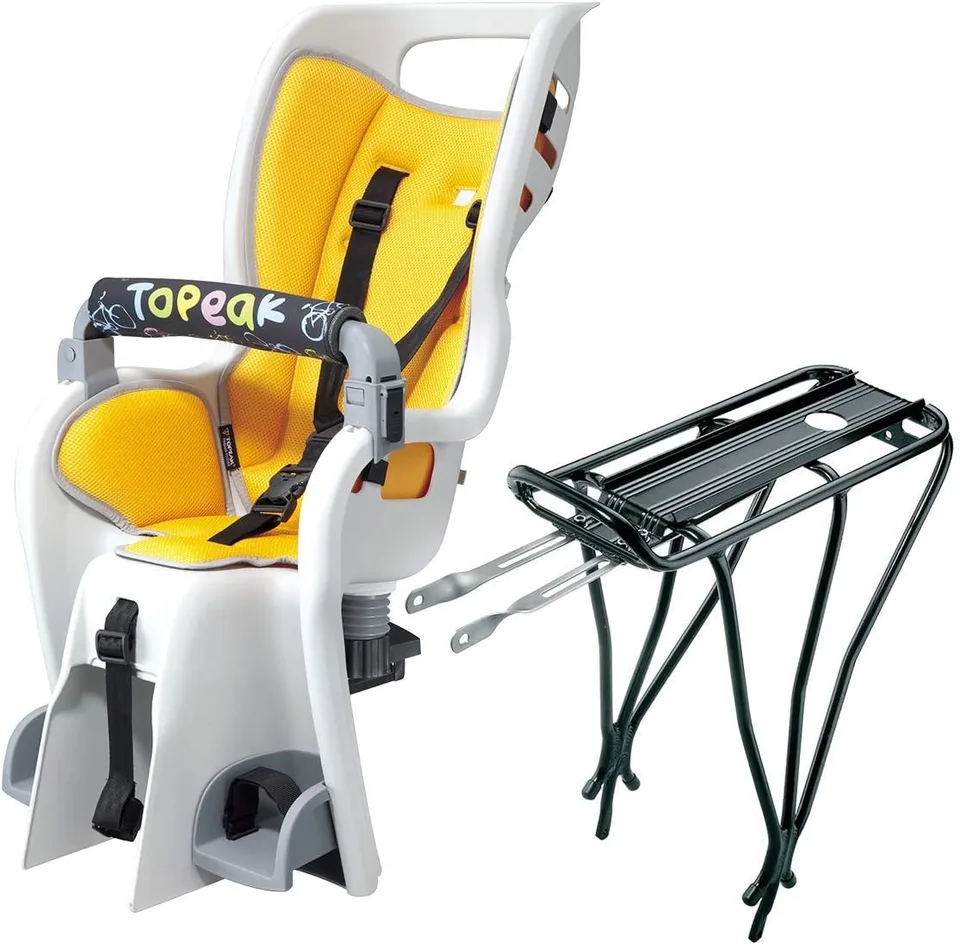
Topeak
Topeak BabySeat II
Rear-mounted child seat for kids up to ~48.5 lb (22 kg). Quick-release attaches/detaches from the included rack via MTX QuickTrack. Non-disc-brake version - for disc bikes order the disc-compatible variant.
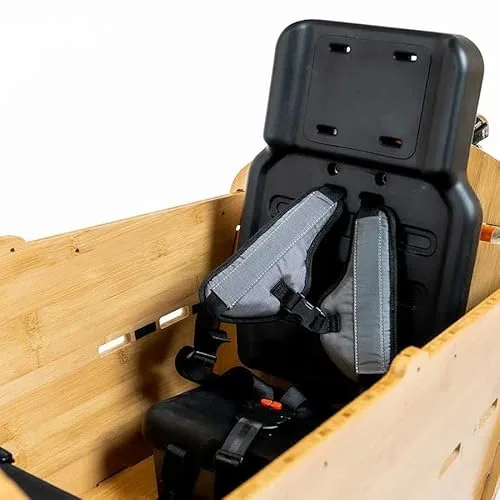
Yuba
Yuba 2be3 Child Seat
Rear-mount seat for a single child on a Yuba longtail. Designed to bolt to Yuba's Monkey Bar / Soft Spot deck - not compatible with standard pannier-rack frames.
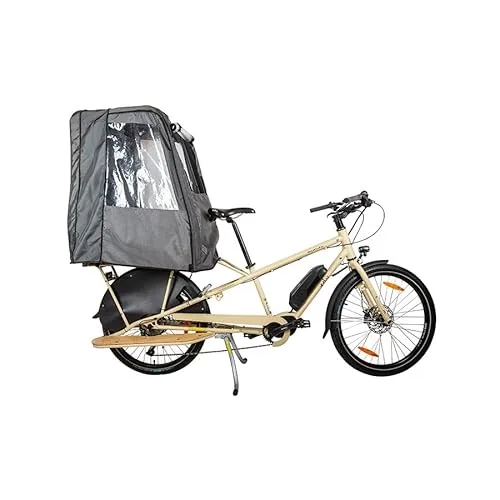
Yuba
Yuba Kids' Pop Top Cover
Weatherproof canopy that mounts to Yuba Monkey Bars (sold separately) to shelter rear passengers from sun, rain, snow, and wind. Longtail-only - won't fit any non-Yuba rack.
Yuba
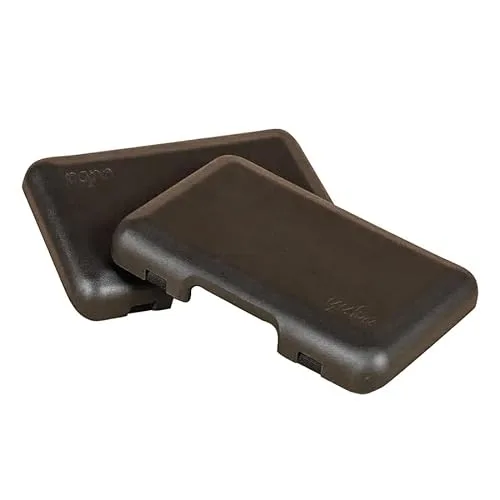
Yuba Passenger Mini Soft Spot
Padded passenger cushion for the rear deck of a Yuba longtail. The Mini version covers half the rack so a second passenger or cargo can share the deck. Confirm Soft Spot sizing chart matches your bike's deck length before ordering.
Yuba
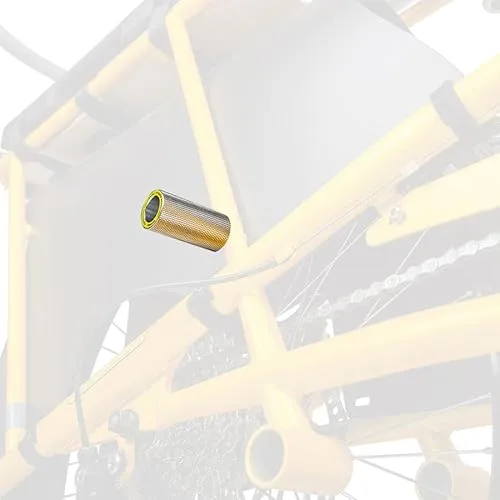
Yuba Little Passenger Pegs
Foldable foot pegs for child passengers on Yuba Boda Boda or Kombi. Boda Boda / Kombi frames only - won't fit the Mundo or Spicy Curry chainstay layout.
As an Amazon Associate we earn from qualifying purchases. Purchases made through these links help support our free calculators.
Sizing & fit guidance
Child carriers are regulated by the child's age, weight, and ability to hold their head up - not by frame size. Front-mount seats (Thule Yepp Mini, iBert Safe-T-Seat) typically fit children from 9 months (when neck strength supports a helmet) up to ~33 lb / 15 kg, and mount on the head tube or steerer with a bracket; they shine for visibility and conversation but limit your knee clearance. Rear-mount seats (Thule Yepp Maxi, Hamax Caress, Burley Dash) carry 9 months up to ~48.5 lb / 22 kg and bolt either to a rack (most common, requires a Class 26 or MIK-rated rear rack) or directly to the seat tube via a frame bracket. Mid-mount/saddle-area seats (Mac Ride, Kids Ride Shotgun) sit between the rider's arms and need 60 mm+ of exposed top tube and a 31.6/34.9 mm seat-tube clamp area - they don't fit most full-suspension MTBs or compact-geometry road frames. Always verify ebike compatibility: many seats are rated only up to 25 km/h pedelec speeds and are not approved for Class 3 (28 mph) ebikes.
What to look for when buying
- Age and weight rating: 9 months is the universal floor (helmet + neck strength). Front seats top out at ~15 kg / 33 lb; rear seats at ~22 kg / 48.5 lb. Don't extrapolate - manufacturers test to those limits.
- Mounting system: rear-rack seats need a rated rack (MIK, Racktime, or 'Class 26' load rating ≥ 25 kg). Seat-tube clamp seats need a round, unobstructed seat tube - not aero, dropper-post, or kinked tube profiles. Front-mount seats need a 1 1/8" steerer with enough exposed length above the headset.
- Ebike rating: confirm the seat is approved for Class 1/2 (20 mph) or Class 3 (28 mph) explicitly. EU pedelec ratings (EN 14344) cover up to 25 km/h only.
- 5-point harness vs 3-point: 5-point is the safety standard for any child under 4. Some economy seats use 3-point - fine for very short trips, not for daily commuting.
- Recline / sleep support: rear seats with adjustable recline (Hamax Caress, Yepp Maxi Easyfit with sleep roll) make the difference between a 30-minute trip and a meltdown when toddlers nap.
- Foot guards and adjustable stirrups: feet must be fully enclosed away from spokes - non-negotiable. Stirrups should adjust as the child grows; cheap fixed stirrups become useless at ~18 months.
- Helmet clearance: rear seats with a high backrest can collide with a child's helmet. Test-fit before buying or pick a seat with a notched, helmet-friendly headrest.
Child Seats head-to-head comparisons
Side-by-side child seats match-ups - specs, fit, and which one to pick for your kind of riding.
Keep planning your build
Sizing calculators
Child Seats by rider type
Persona-tailored child seats guides with fit, style, and feature notes for how you actually ride.
Sizing your bike first?
Your frame size changes what fits - get the bike right and the accessories will follow.