Rider-matched picks
Child Seats for small children (ages 3-5)
Size-matched child seats picks for small children (ages 3-5), with fit and feature priorities curated for how small children (ages 3-5) actually ride.
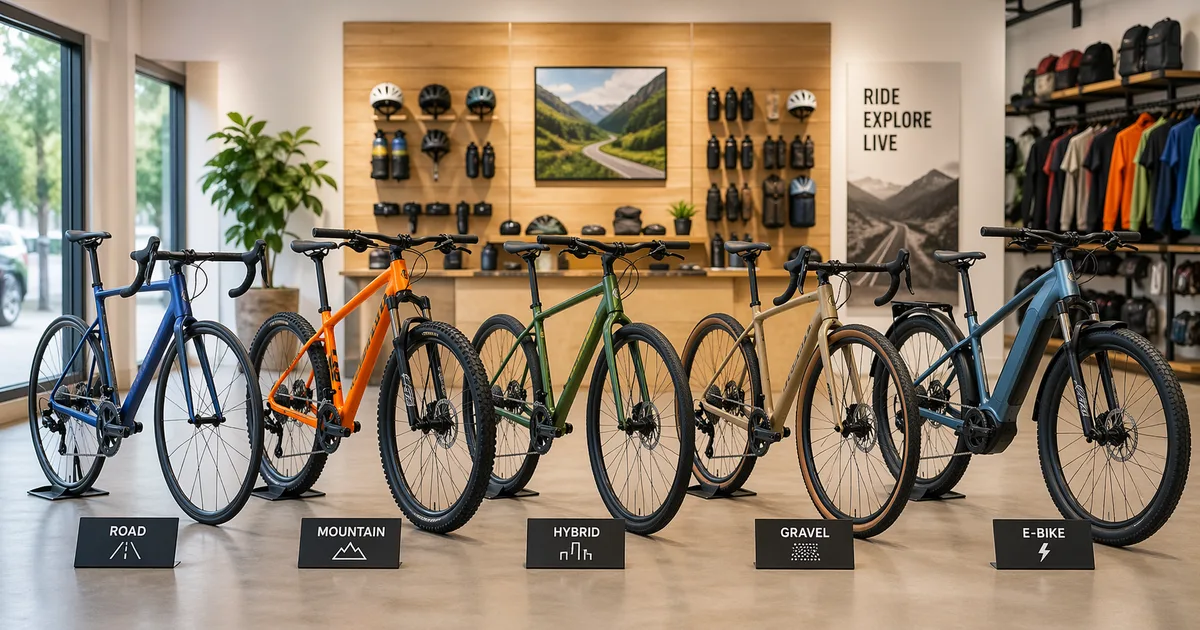
Child Seats picks for small children (ages 3-5)
Check Amazon for current pricing and availability.
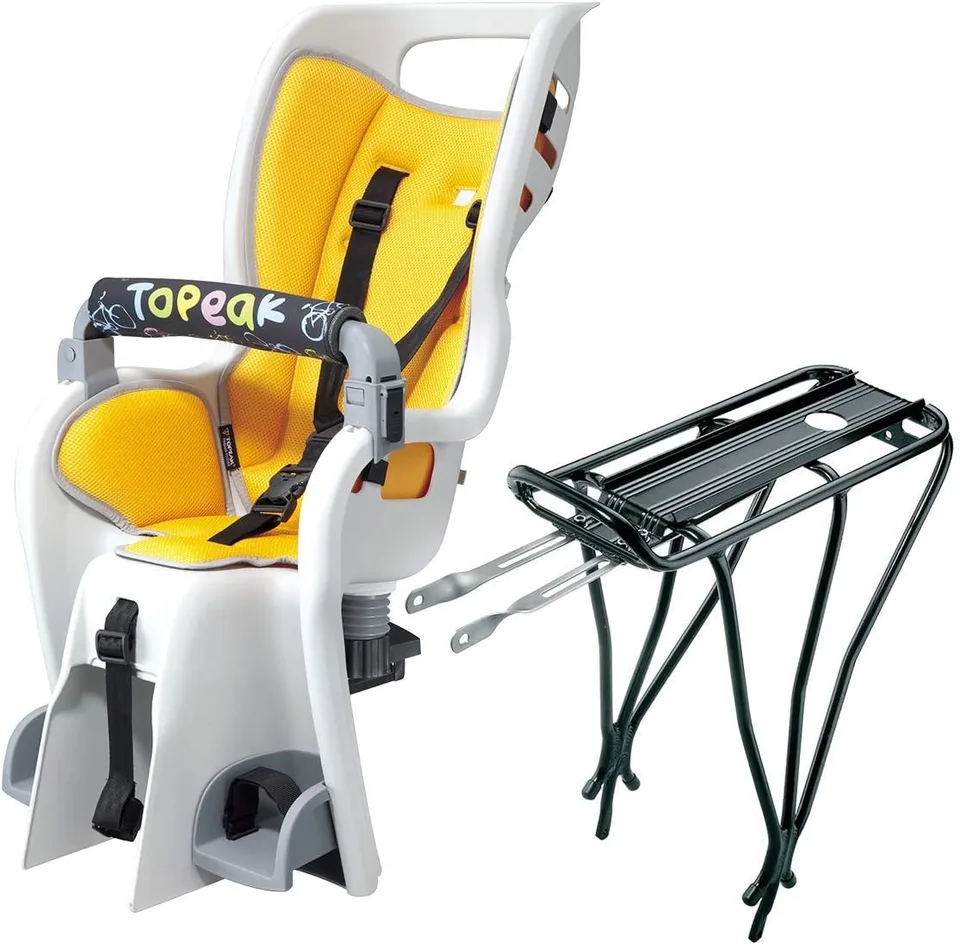
Topeak
Topeak BabySeat II
Rear-mounted child seat for kids up to ~48.5 lb (22 kg). Quick-release attaches/detaches from the included rack via MTX QuickTrack. Non-disc-brake version - for disc bikes order the disc-compatible variant.
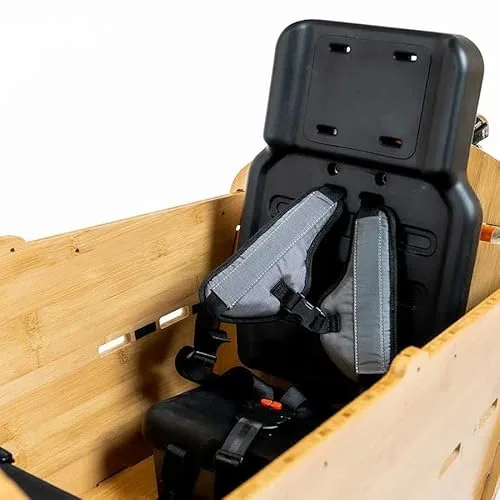
Yuba
Yuba 2be3 Child Seat
Rear-mount seat for a single child on a Yuba longtail. Designed to bolt to Yuba's Monkey Bar / Soft Spot deck - not compatible with standard pannier-rack frames.
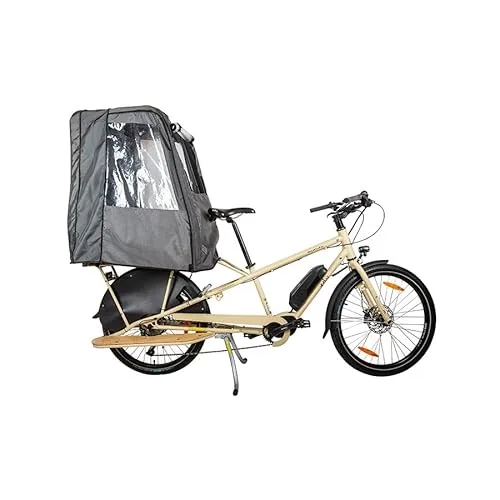
Yuba
Yuba Kids' Pop Top Cover
Weatherproof canopy that mounts to Yuba Monkey Bars (sold separately) to shelter rear passengers from sun, rain, snow, and wind. Longtail-only - won't fit any non-Yuba rack.
Yuba
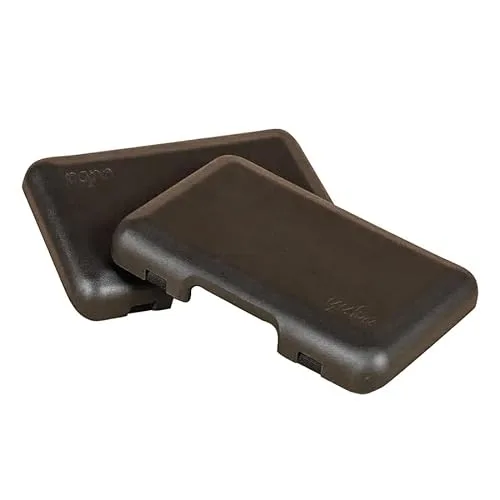
Yuba Passenger Mini Soft Spot
Padded passenger cushion for the rear deck of a Yuba longtail. The Mini version covers half the rack so a second passenger or cargo can share the deck. Confirm Soft Spot sizing chart matches your bike's deck length before ordering.
Yuba
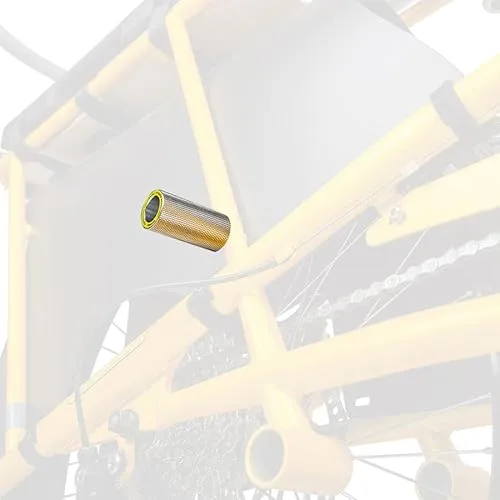
Yuba Little Passenger Pegs
Foldable foot pegs for child passengers on Yuba Boda Boda or Kombi. Boda Boda / Kombi frames only - won't fit the Mundo or Spicy Curry chainstay layout.
As an Amazon Associate we earn from qualifying purchases. Purchases made through these links help support our free calculators.
What matters for small children (ages 3-5)
For small children, bike size is determined by wheel diameter - not frame size. At this age, the priority is confidence and safety over performance. Your child should be able to touch the ground flat-footed when seated at the lowest saddle position. A bike that's too large is dangerous - children cannot control bikes they can't reach the ground from. Consider starting with a balance bike (no pedals) for children under 4, as this teaches balance and steering before adding pedal complexity. For pedal bikes, look for models with coaster brakes (backpedal to stop), which are easier for small hands than hand brakes. Bike weight matters enormously at this age - a bike that weighs more than 30% of the child's body weight will be hard to control. Expect to replace the bike every 1-2 years as your child grows.
Child Seats sizing guidance
Child carriers are regulated by the child's age, weight, and ability to hold their head up - not by frame size. Front-mount seats (Thule Yepp Mini, iBert Safe-T-Seat) typically fit children from 9 months (when neck strength supports a helmet) up to ~33 lb / 15 kg, and mount on the head tube or steerer with a bracket; they shine for visibility and conversation but limit your knee clearance. Rear-mount seats (Thule Yepp Maxi, Hamax Caress, Burley Dash) carry 9 months up to ~48.5 lb / 22 kg and bolt either to a rack (most common, requires a Class 26 or MIK-rated rear rack) or directly to the seat tube via a frame bracket. Mid-mount/saddle-area seats (Mac Ride, Kids Ride Shotgun) sit between the rider's arms and need 60 mm+ of exposed top tube and a 31.6/34.9 mm seat-tube clamp area - they don't fit most full-suspension MTBs or compact-geometry road frames. Always verify ebike compatibility: many seats are rated only up to 25 km/h pedelec speeds and are not approved for Class 3 (28 mph) ebikes.
Most small children (ages 3-5) choosing child seats also compare bells & horns for small children (ages 3-5), fenders & mudguards for small children (ages 3-5), and gloves for small children (ages 3-5).
Expert tips
- Measure your child's inseam (floor to crotch) standing against a wall - this is more important than height for sizing
- At the lowest saddle position, your child should be able to plant both feet flat on the ground
- A lighter bike is always better - aim for under 30% of your child's body weight
- Balance bikes are the fastest path to riding proficiency - most balance bike kids skip training wheels entirely
Child Seats head-to-head comparisons
Cross-shop the child seats small children (ages 3-5) actually consider - specs, fit, and the deciding factor.