Bike Size Guide for Small Children (Ages 3-5) | First Bike Sizing
GuideStarting range, not final fit. Verify the exact model before buying.
Comprehensive bike sizing guide for small children ages 3 to 5. Learn how to choose the right wheel size (12-inch, 14-inch, 16-inch), when to start with a balance bike, how to measure your child's inseam, and which brands make the best first bikes. Safety-focused advice for parents buying their child's first bicycle.
A starting range, not final fit
A rider profile does not determine one exact frame or guarantee comfort. Measure height and cycling inseam, and keep any chart overlap or disagreement visible. Torso and arm proportions, mobility and intended riding can change which model works within the starting range.
For children, confirm minimum saddle height, mounting, brake access and confident stopping on the actual bike. Do not buy mainly for growing room. Use the recommended brand links below to locate the exact model-year chart; brand-wide ranges and representative geometry are not verification of every model. Missing or conflicting dimensions call for a shop check, test ride or professional fit, not an automatic size-up or size-down rule.
Use the kids bike sizing guide to choose the right wheel-size range, then check the rider's measurements with the kids bike size calculator before buying.
How to size a bike for small children (ages 3-5)
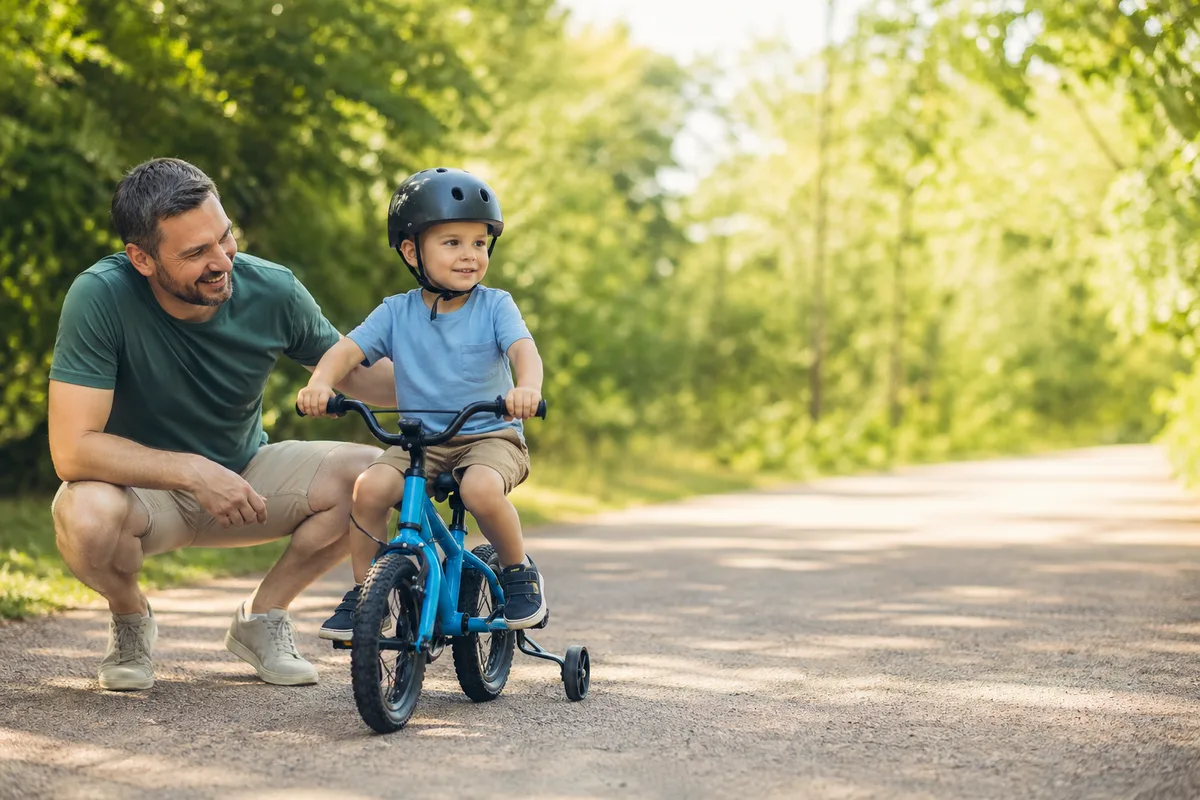
For small children, bike size is determined by wheel diameter - not frame size. At this age, the priority is confidence and safety over performance. Your child should be able to touch the ground flat-footed when seated at the lowest saddle position. A bike that's too large is dangerous - children cannot control bikes they can't reach the ground from. Consider starting with a balance bike (no pedals) for children under 4, as this teaches balance and steering before adding pedal complexity. For pedal bikes, look for models with coaster brakes (backpedal to stop), which are easier for small hands than hand brakes. Bike weight matters enormously at this age - a bike that weighs more than 30% of the child's body weight will be hard to control. Expect to replace the bike every 1-2 years as your child grows.
Recommended Geometry Preferences
Low for easy on/off - child must clear top tube comfortably
Short for small arms - child shouldn't stretch to grip
Allows flat-foot ground contact at lowest saddle position
Child-sized levers required - must be reachable with small hands
Under 30% of child's body weight for safe control
Which brands fit small children (ages 3-5) best?
These brands are known for offering excellent options for small children (ages 3-5).
What are the common sizing mistakes for small children (ages 3-5)?
- 1Buying a bike that's 'a size up' so the child can grow into it - an oversized bike is unsafe and discouraging
- 2Ignoring bike weight - heavy bikes (over 30% of child's weight) are impossible for small kids to control
- 3Starting with a pedal bike before the child has mastered balance - consider a balance bike first
- 4Choosing based on wheel size alone without checking minimum saddle height against child's inseam
- 5Using training wheels too long - they teach leaning into turns (wrong muscle memory) and delay balance skills
- 6Buying the cheapest department store bike - heavy steel frames and poor components make riding harder, not easier
Expert tips for small children (ages 3-5)
- 1Measure your child's inseam (floor to crotch) standing against a wall - this is more important than height for sizing
- 2At the lowest saddle position, your child should be able to plant both feet flat on the ground
- 3A lighter bike is always better - aim for under 30% of your child's body weight
- 4Balance bikes are the fastest path to riding proficiency - most balance bike kids skip training wheels entirely
- 5Check that brake levers are reachable - adult-designed levers are often too far for small hands
- 6Buy from a bike shop rather than a department store - proper assembly and sizing advice prevents safety issues
- 7Don't attach training wheels to a bike that's too big - this masks the size problem and delays progress
- 8Used bikes from quality brands are often better than new department store bikes at the same price point
Calculate Your Size
Use our calculator with preset values optimized for small children (ages 3-5). Adjust as needed based on your exact measurements.
Measure from the ground to your crotch while standing.
Small Children (Ages 3-5) Sizing FAQ
Sizing Guides by Specific Age
Find the exact bike size for your child's age:
Recommended Bikes for Small Children (Ages 3-5)
Picks from our partner retailers, matched to this rider profile.
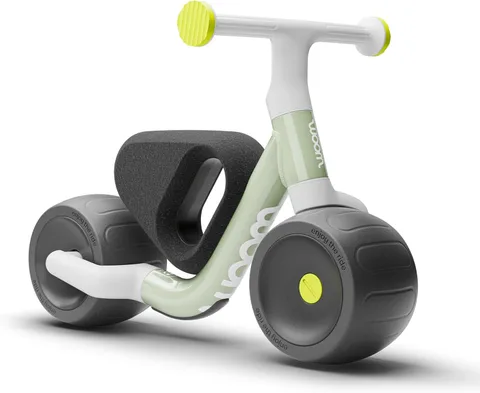
Woom
Woom Wow
12-inch balance bike for ages 9 to 36 months (height 27"-39"). No-pedal design with a 6 lb aluminum frame, self-centering steering, and silent gliding wheels. Saddle 10.5". Includes a Buddy plush toy.
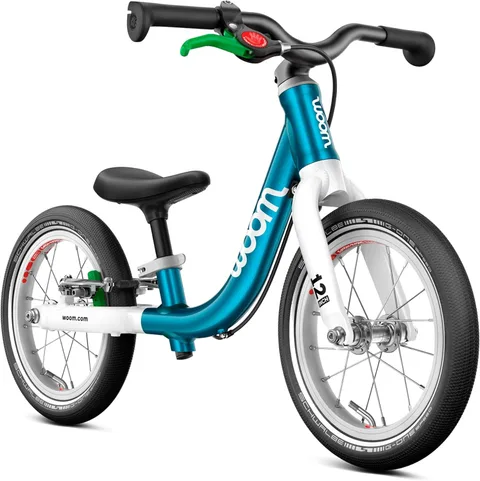
Woom
Woom GO 1
12-inch balance bike for toddlers 18 months to 3.5 years (inseam 10.0"-14.4", height 31"-40"). Weighs 6.4 lbs. Saddle 10.4"-14.4". Hand brake teaches early stopping; steering limiter prevents oversteering.
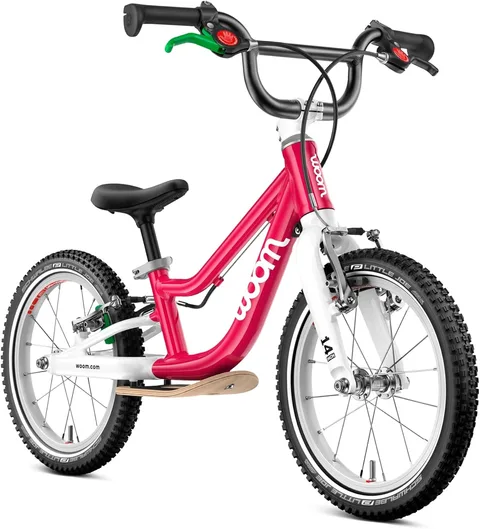
Woom
Woom GO 1 Plus
14-inch balance bike for ages 3 to 4.5 years - taller toddlers ready for a balance bike a little later than the GO 1. Lightweight aluminum frame with hand brake and steering limiter.
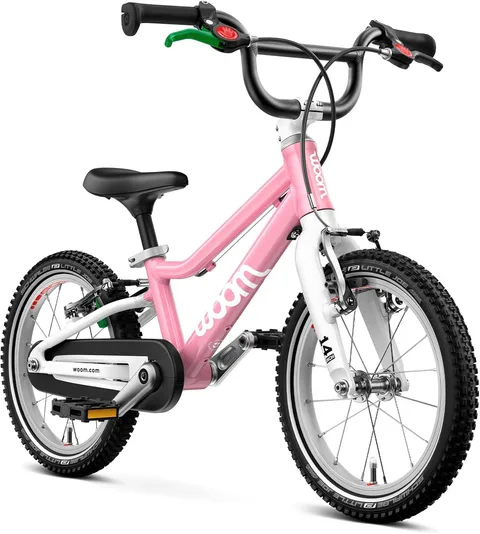
Woom
Woom GO 2
14-inch single-speed pedal bike for ages 3 to 4.5 years. Smooth transition from balance bike to pedaling. Color-coded brake levers (green rear, red front) teach proper braking technique.
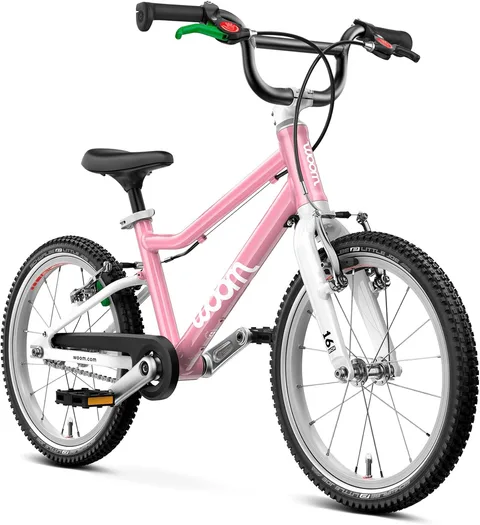
Woom
Woom GO 3
16-inch single-speed pedal bike for ages 4 to 6. Saddle 19"-25.1". Color-coded brake levers (green rear, red front). The renamed Woom Original 3.
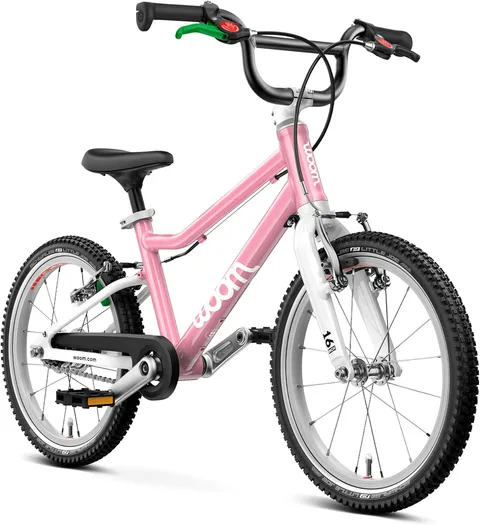
Woom
Woom GO 3 AUTOMAGIC
16-inch bike for ages 4 to 6 with a 2-speed automatic hub that shifts gears around 7.5 mph - no shifter needed. Same kid-optimized geometry as the GO 3.
As an Amazon Associate we earn from qualifying purchases. Purchases made through these links help support our free calculators.
Once the frame size is set, match the contact and safety gear to this rider profile: compare bells & horns for small children (ages 3-5), child seats for small children (ages 3-5), and fenders & mudguards for small children (ages 3-5).
Recommended accessories for Small Children (Ages 3-5)
Helmets, lights and gear that match this rider profile.
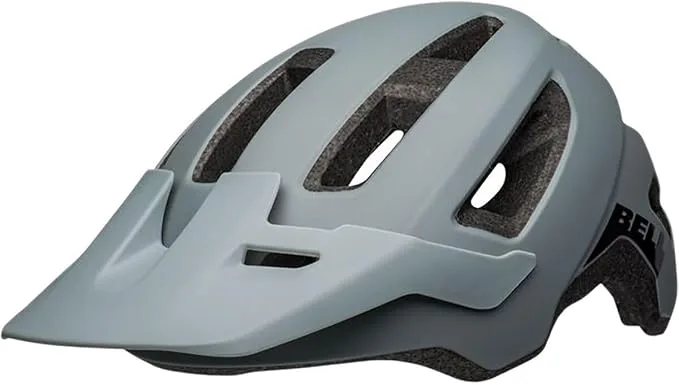
Bell
Bell Nomad 2 MIPS
This ASIN is Small/Medium 52-57 cm. Check the selected Amazon size/color before checkout.
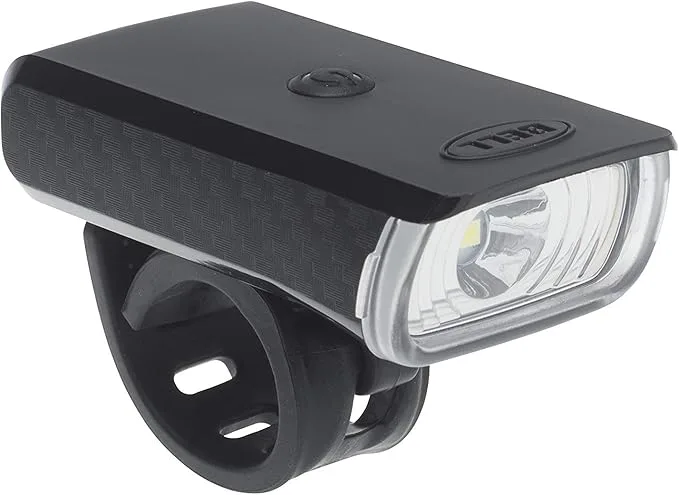
Bell
Bell Lumina 300 Headlight
Tool-free handlebar mount; check bar space around computers, bells, and baskets.
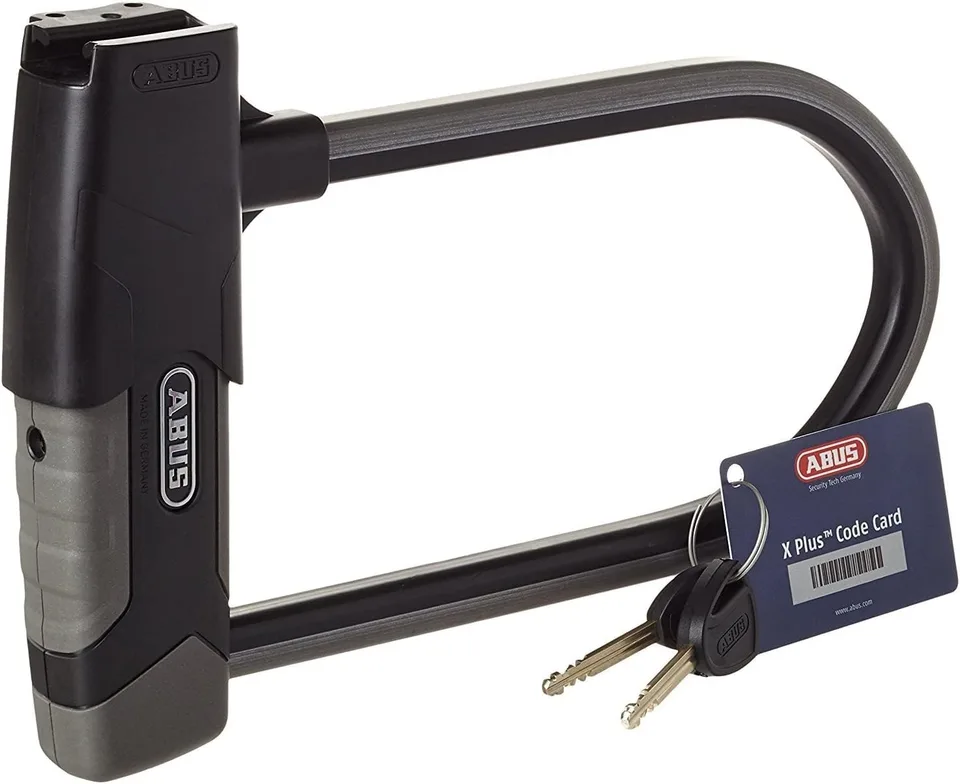
Abus
ABUS Granit X-Plus 540
Inner dimensions: 5.5" x 8" (14 x 20cm). Premium size for frame + wheel security. Heavy-duty for high-theft areas.
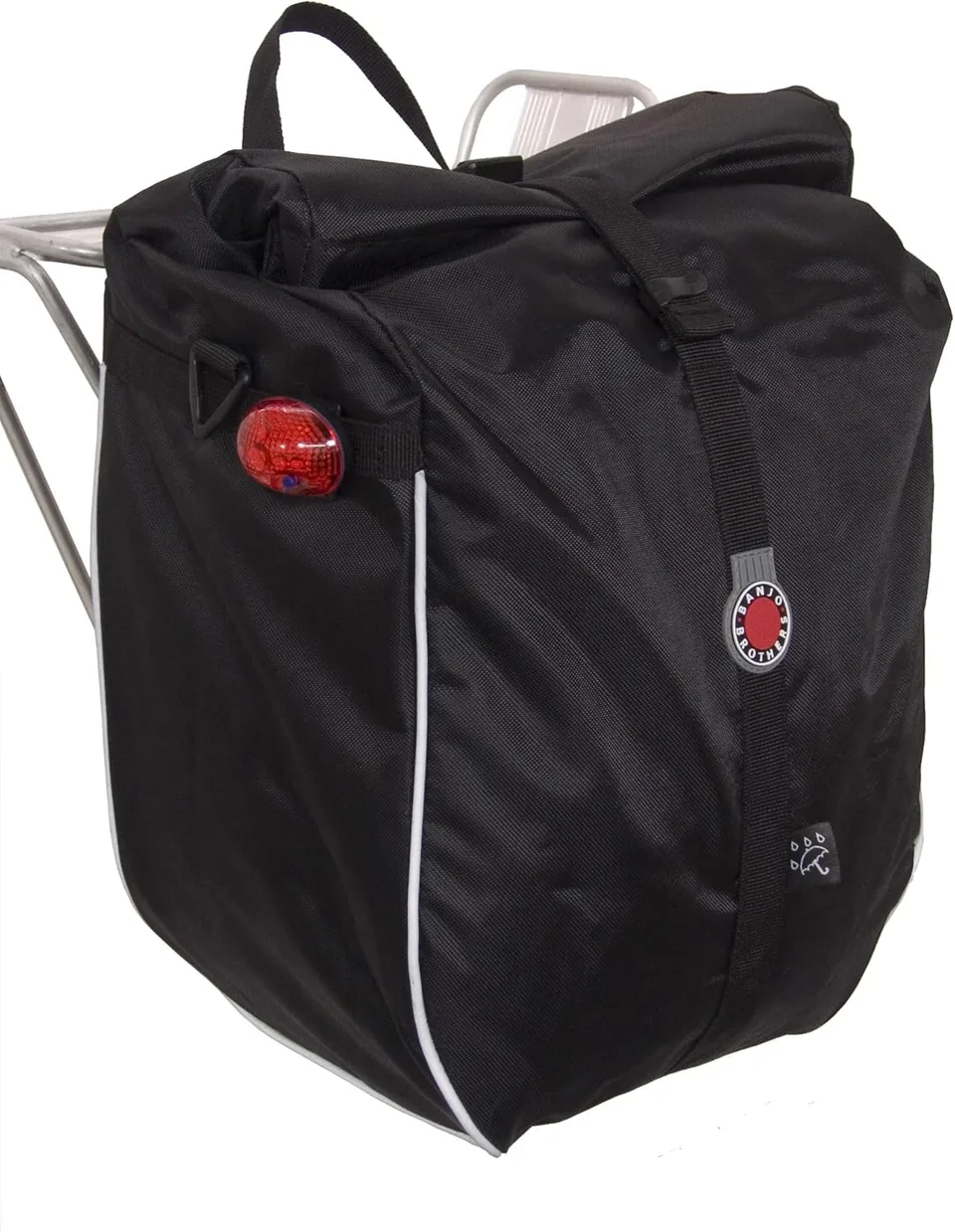
Banjo Brothers
Banjo Brothers Waterproof Pannier
Pair recommended for full touring. Convertible handles allow backpack use. Lifetime warranty.
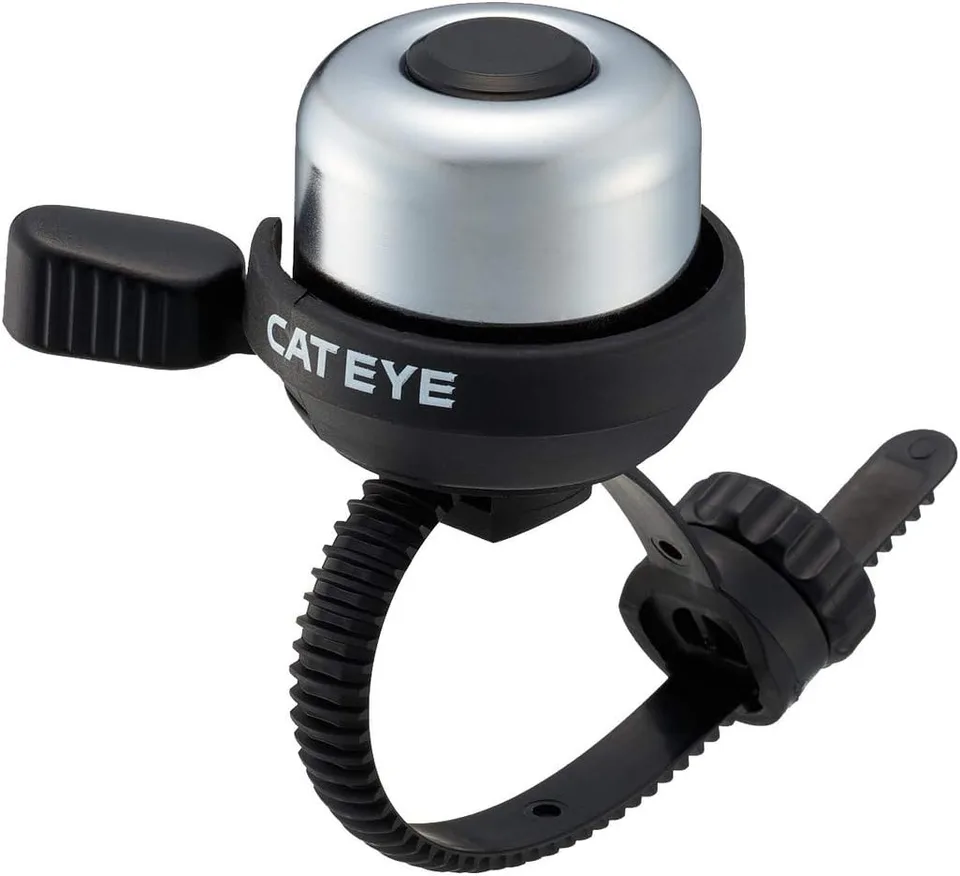
Cateye
CatEye Bell PB-200
Mid-range option; fits drop-bar primarily; 23.8 mm optimized mount
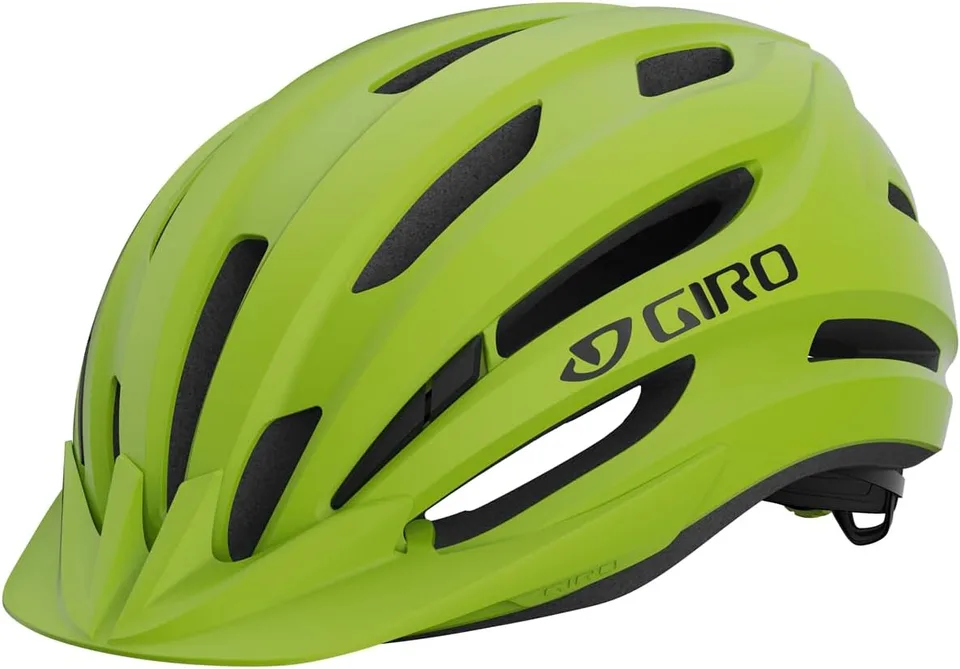
Giro
Giro Register MIPS
S 51-55 cm, M 55-59 cm, L 59-63 cm
Keep Exploring
Bike comparisons for small children (ages 3-5)
Know the rules where you ride
Bike laws - helmets, sidewalk riding, lights, right of way - vary by state. Check the basics before you head out: