Rider-matched picks
Helmets for heavy riders
Size-matched helmets picks for heavy riders, with fit and feature priorities curated for how heavy riders actually ride.
Open the helmets calculator
Helmets picks for heavy riders
Check Amazon for current pricing and availability.
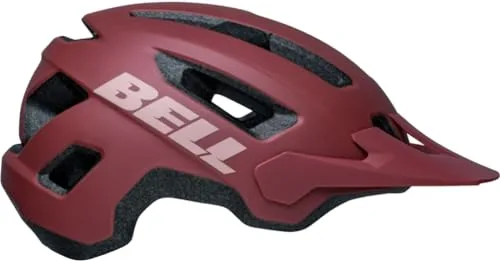
Bell
Bell Nomad 2 Jr. MIPS Youth Bike Helmet - Matte Pink (2022), Universal Youth (52-57 cm)
Universal Youth, 52-57 cm.
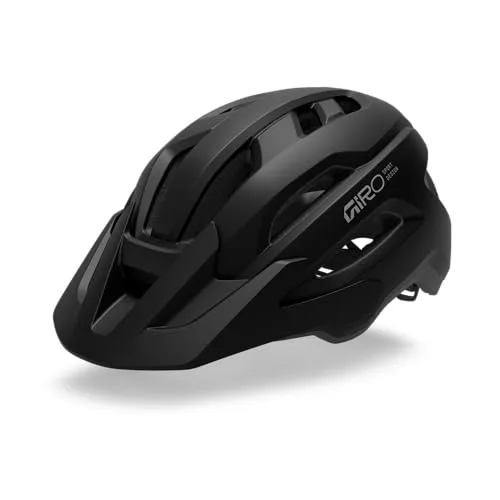
Giro
Giro Fixture MIPS Bike Helmet - Matte Black/Grey - Universal Adult (54-61 cm)
This offer is size Universal Adult (54-61 cm), color Matte Black/Grey. Measure head circumference and check the manufacturer size chart and certification label. Children under one year should not ride as bicycle passengers.
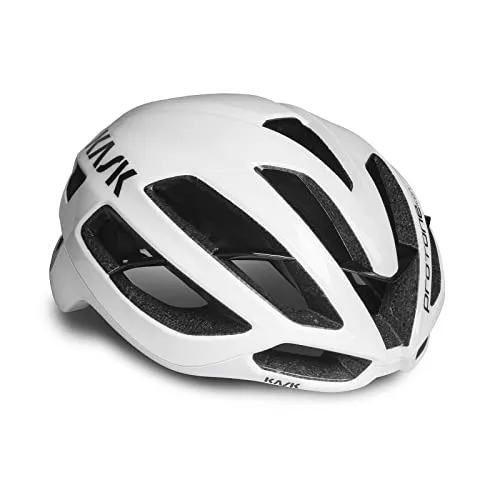
Kask
Kask Protone Icon - White, Large
S 50-54 cm, M 54-58 cm, L 58-62 cm
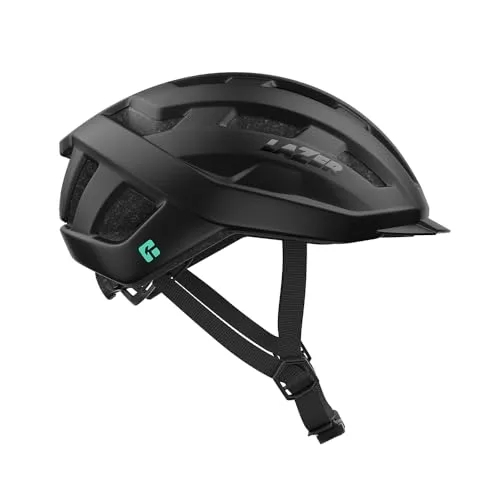
Lazer
Lazer Codax KinetiCore Bike Helmet
One-size adult shell for 54-61 cm heads. It is a good first helmet if the rider wants easy dial adjustment and does not need a race-light road lid.
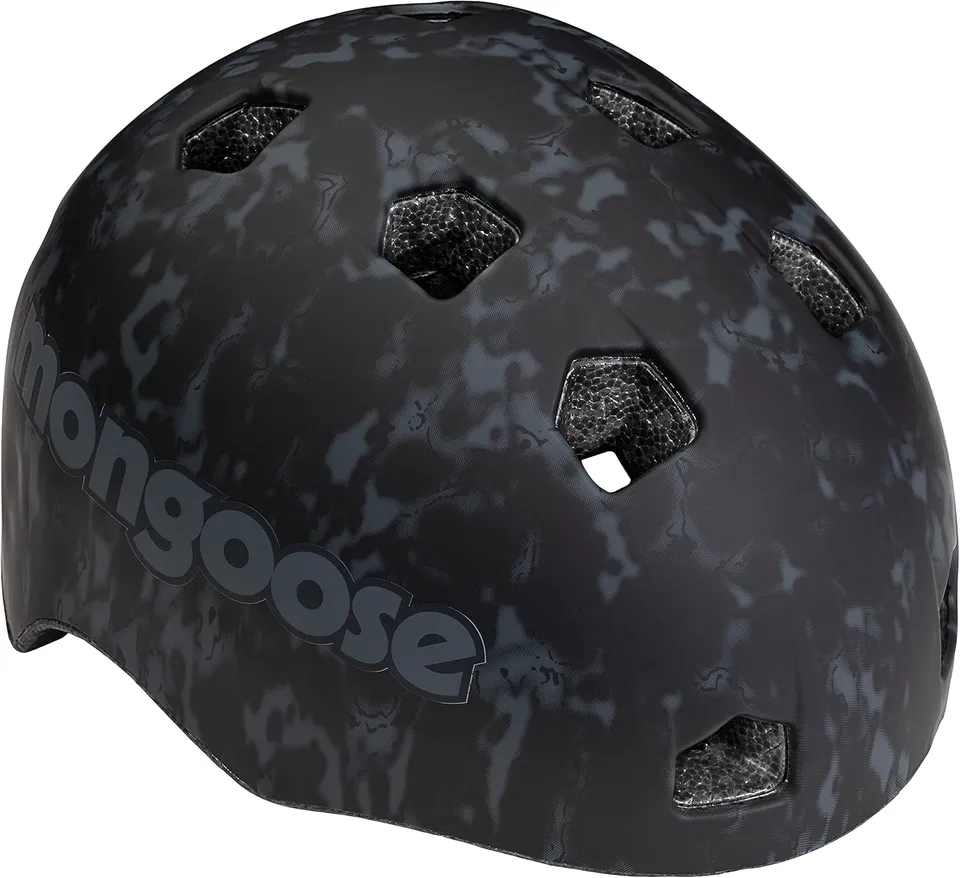
Mongoose
Mongoose All Terrain Kids Bike Helmet (Ages 5-8)
Multisport kids helmet built for ages 5-8. Microshell shell stays light enough for skateboarding and scooter use, while the internal pads and adjustable dial keep it snug as kids grow.
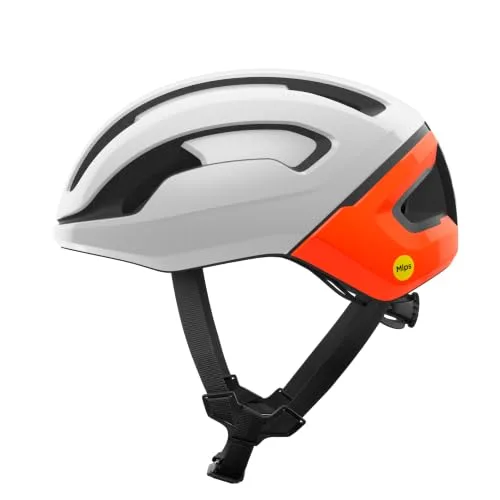
Poc
POC Omne Air MIPS
Selected M 54-59 cm variant. Measure head circumference and check the manufacturer's size chart and physical fit before ordering.
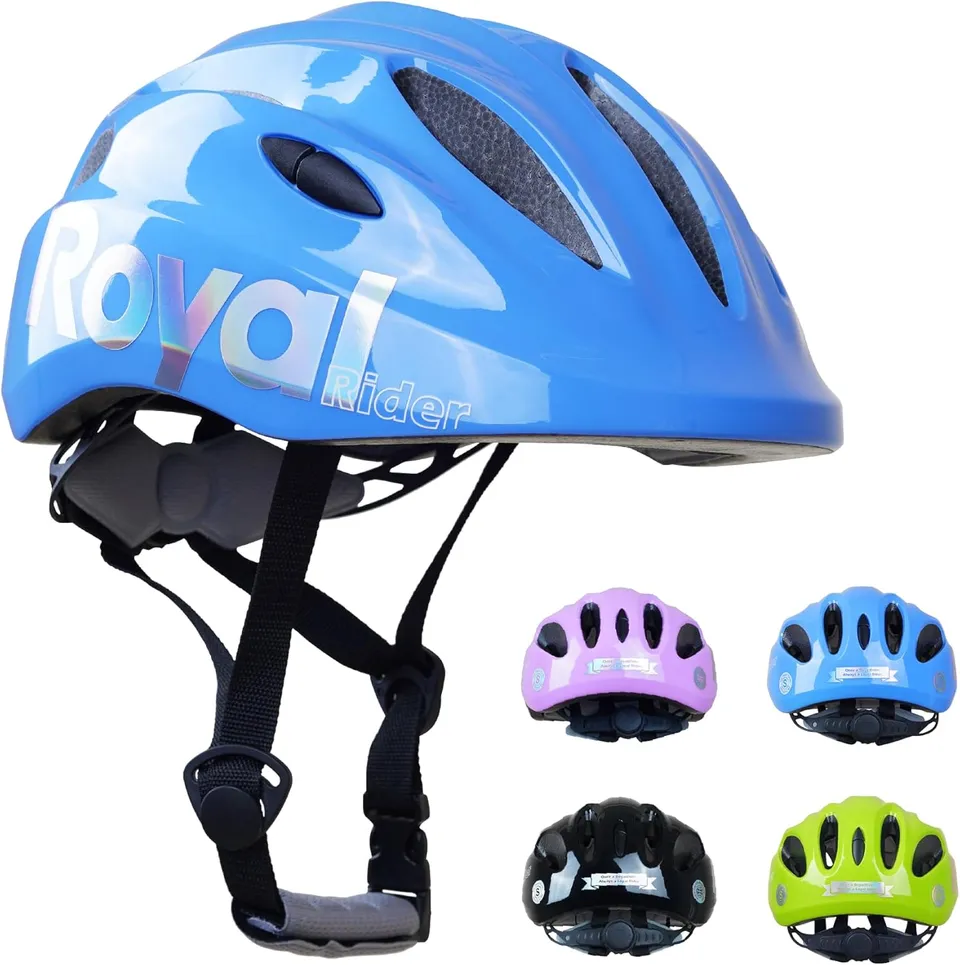
Royalbaby
RoyalBaby Kids Helmet (Ages 5-13)
Designed for kids ages 5-13. Adjustable dial accommodates a growing child without needing a new helmet each season. Pair with the matching knee/elbow set for first-time riders.
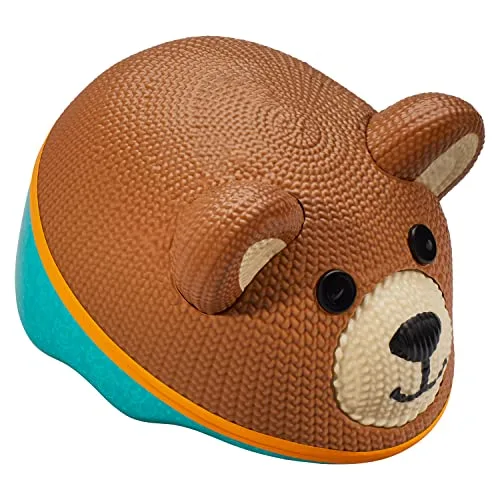
Schwinn
Schwinn Classic Teddy Bear Helmet - XS 44-50cm
This offer is size X-Small (44 - 50cm), color Teddy Bear. Measure head circumference and check the manufacturer size chart and certification label. Children under one year should not ride as bicycle passengers.
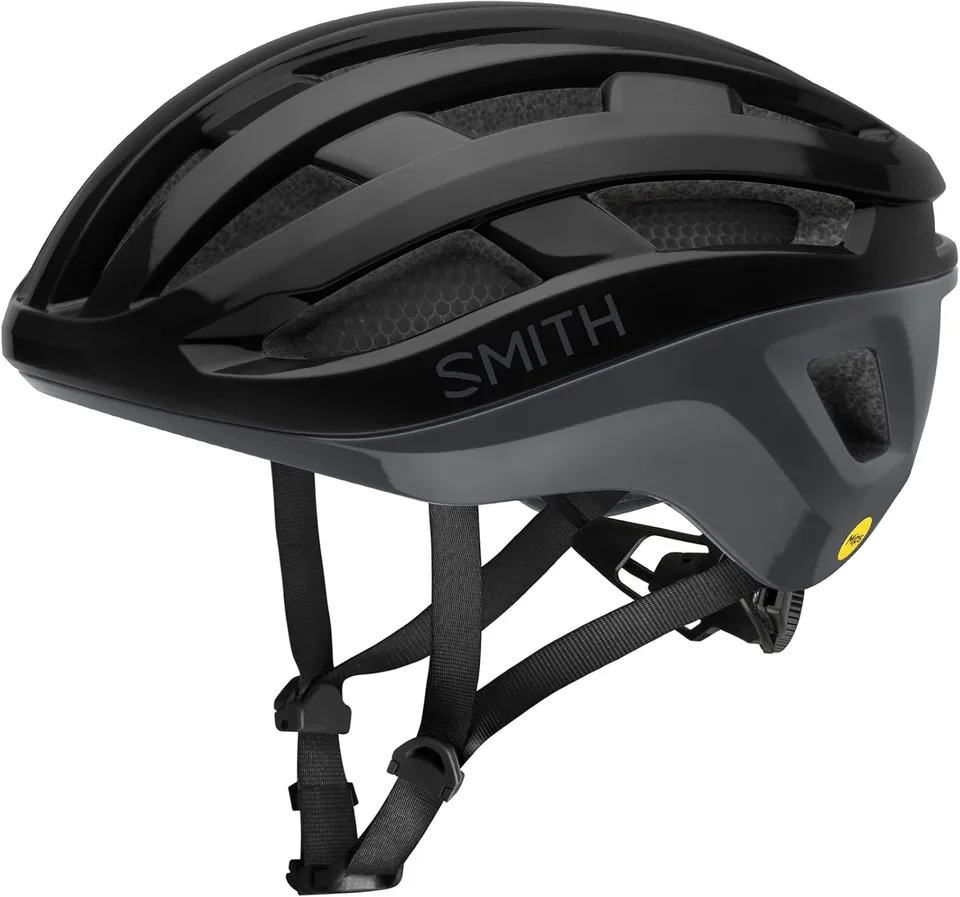
Smith
Smith Persist MIPS
S 51-55 cm, M 55-59 cm, L 59-63 cm
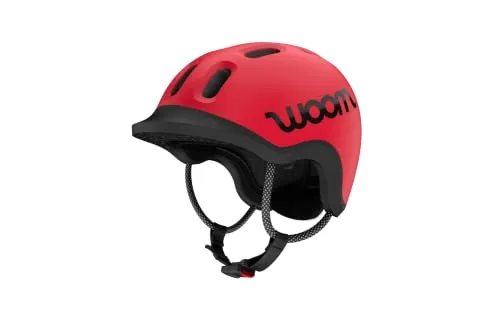
Woom
Woom Ready Helmet - Medium Red
This offer is size M, 53-57 cm, color Red. Measure head circumference and check the manufacturer size chart and certification label. Children under one year should not ride as bicycle passengers.
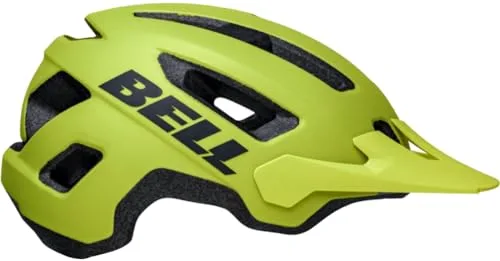
Bell
Bell Nomad 2 Jr. MIPS Youth Bike Helmet - Matte Hi-Viz (2022), Universal Youth (52-57 cm)
Universal Youth, 52-57 cm.
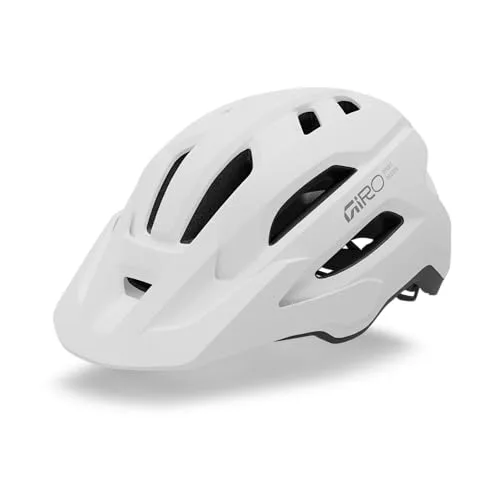
Giro
Giro Fixture MIPS II Bike Helmet - Matte White/Grey - Universal Adult (54-61 cm)
Universal Adult, 54-61 cm.
As an Amazon Associate we earn from qualifying purchases. Purchases made through these links help support our free calculators.
What matters for heavy riders
Heavy riders should prioritize structural integrity and component durability over weight savings. Look for frames rated for higher weight capacities - always check manufacturer specs, as most standard bikes are rated for 250-275 lbs including rider and gear. Choose reinforced wheels with higher spoke counts (32-36 spokes) and wider rims for better weight distribution and fewer broken spokes. Wider tires (35mm minimum for road, 2.3"+ for mountain) run at appropriate pressures provide better comfort and reduce pinch flat risk. Steel and aluminum frames typically handle heavier loads better than carbon, which can fail catastrophically under sustained high stress. Avoid ultralight components like carbon handlebars and seatposts that sacrifice durability - instead choose aluminum or steel alternatives rated for your weight. When sizing, consider that heavier riders create more flex in frames, so a stiffer, slightly larger frame may feel more responsive.
Helmets sizing guidance
Measure head circumference at the widest point across the forehead. Most brands size: XS (50-53 cm), S (53-56 cm), M (56-59 cm), L (59-62 cm), XL (62+ cm). Kids helmets typically start at 47-50 cm. Always try before buying; fit varies by brand.
Most heavy riders choosing helmets also compare bags & panniers for heavy riders, bottle cages for heavy riders, and brake pads for heavy riders.
Expert tips
- Always check the manufacturer's stated weight limit before purchasing-include your body weight plus gear
- Opt for 32 or 36-spoke wheels hand-built with quality spokes like DT Swiss or Sapim
- Choose tires at least 28mm wide (32-40mm is better) and run appropriate pressure for your weight
- Steel frames offer excellent durability and often higher weight limits than aluminum or carbon
Helmets head-to-head comparisons
Cross-shop the helmets heavy riders actually consider - specs, fit, and the deciding factor.
Compare Bell Pint 48-52cm with Schwinn Classic Teddy Bear XS 44-50cm. Choose by measured head circumference, physical fit and certification.
A comparison of two adult recreational helmets with overlapping fit, but different listed features and price points.
Both are adult-use helmets with overlapping fit ranges; compare the listed features and exact offer details before buying.
Compare Giro Register MIPS II Helmet - Matte White/Grey and Kask Protone Icon - White, Large by their listed features, fit, and intended use.
Compare Giro Register MIPS II Helmet - Matte White/Grey and Lazer Codax KinetiCore Bike Helmet by their listed features, fit, and intended use.
Compare Kask Protone Icon - White, Large and Lazer Codax KinetiCore Bike Helmet by their listed features, fit, and intended use.
Two premium road helmets with different approaches to rotational-impact protection - Kask's WG11 protocol and the POC Omne Air MIPS. Compare their fit, retention, and current Amazon variants.
A compact Lazer kids helmet against a budget multisport helmet. Fit certainty and the child's actual head measurement matter more than the logo here.