Rider-matched picks
Lights for beginners
Size-matched lights picks for beginners, with fit and feature priorities curated for how beginners actually ride.
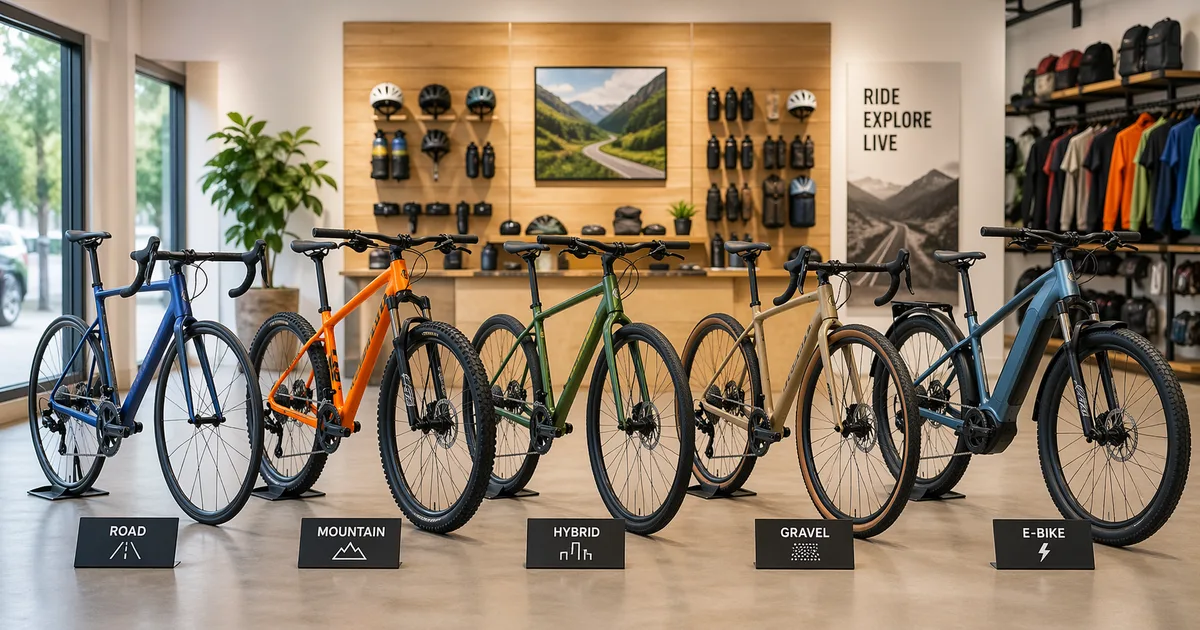
Lights picks for beginners
Check Amazon for current pricing and availability.
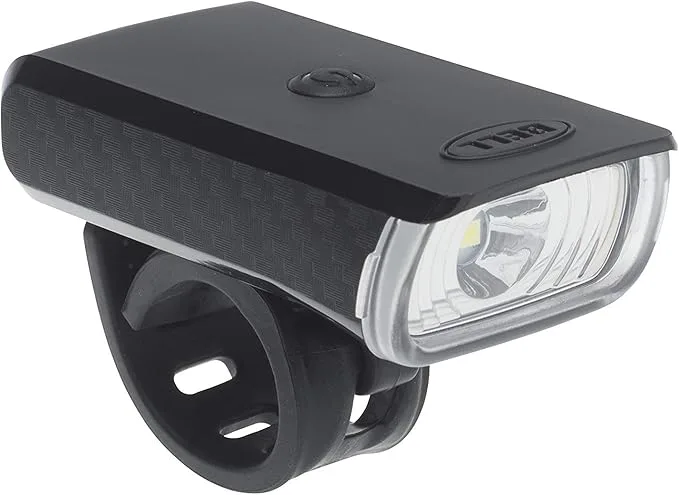
Bell
Bell Lumina 300 Headlight
Tool-free handlebar mount; check bar space around computers, bells, and baskets.
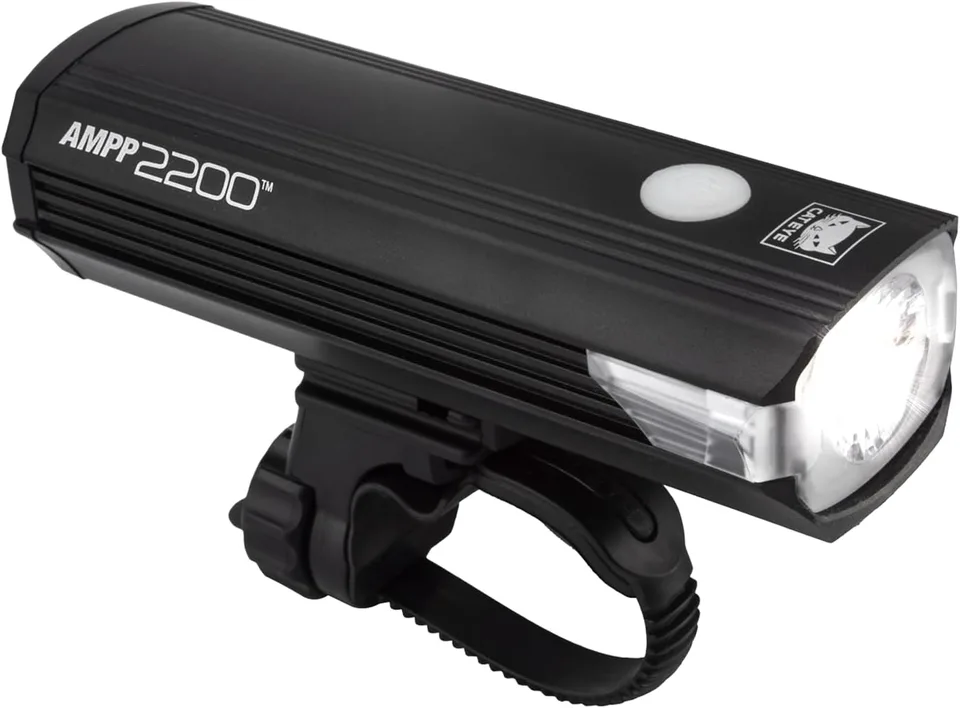
Cateye
Cateye AMPP 2200
2200 lm: highest output in CatEye lineup; for serious trail/night riding.
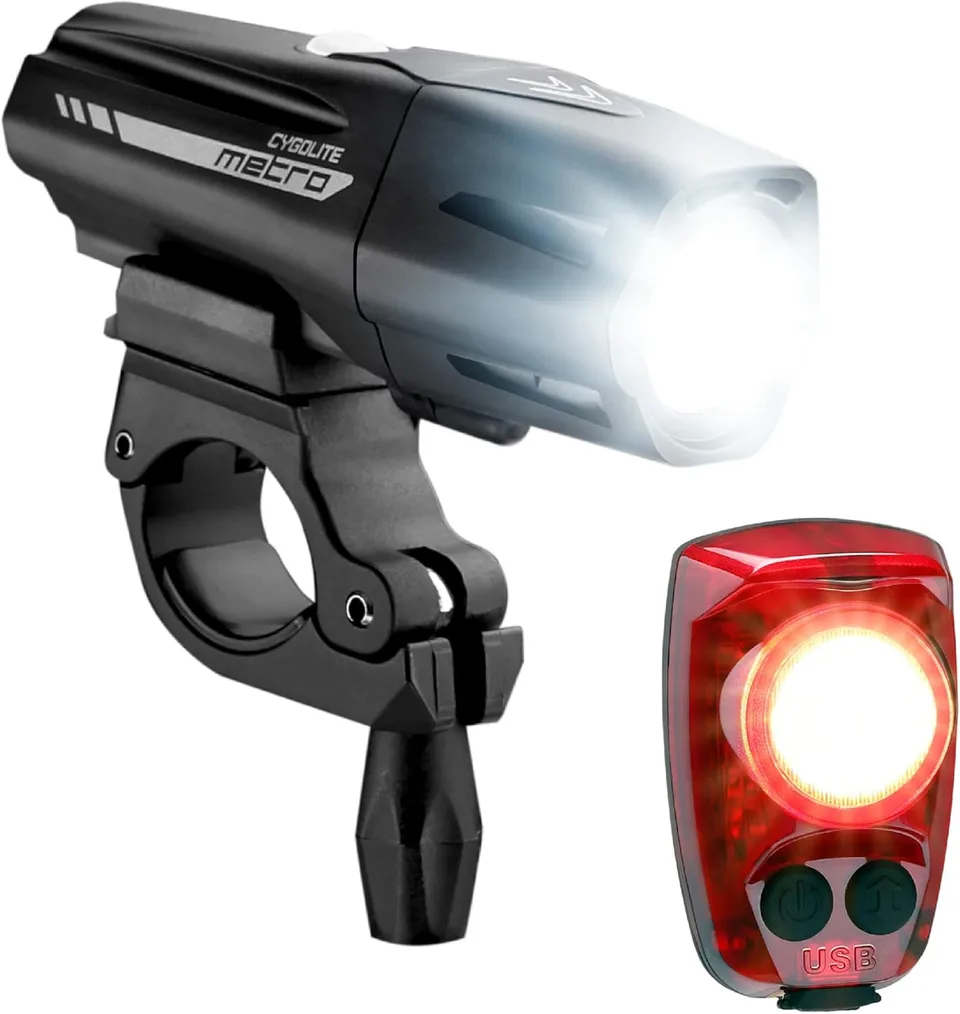
Cygolite
Cygolite Hotshot Pro 150
150 lm rear: excellent daytime flash patterns; 120-hour runtime in low mode.
Garmin
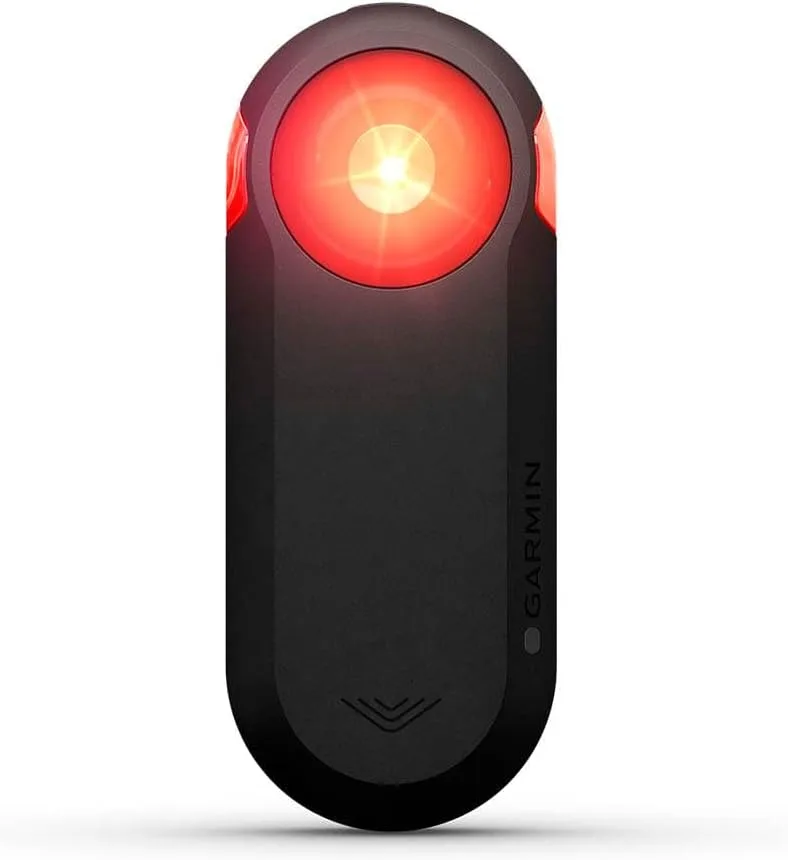
Garmin Varia RTL515
65 lm + radar: detects vehicles approaching from behind; sends alerts to phone.
Lezyne
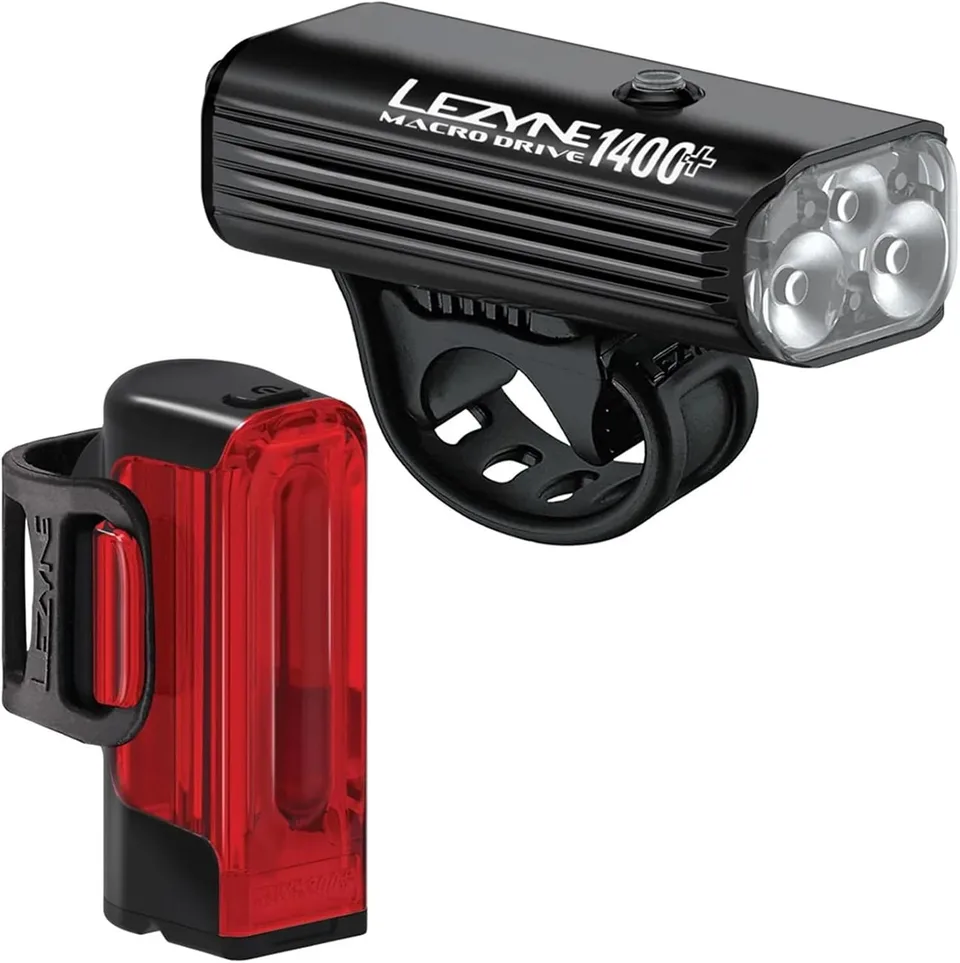
Lezyne Macro Drive 1400+ / Strip Drive 400+ Light Set
Front-and-rear set: Macro Drive 1400+ front light with Tri-Focus Optics and Strip Drive 400+ rear light.
Magicshine
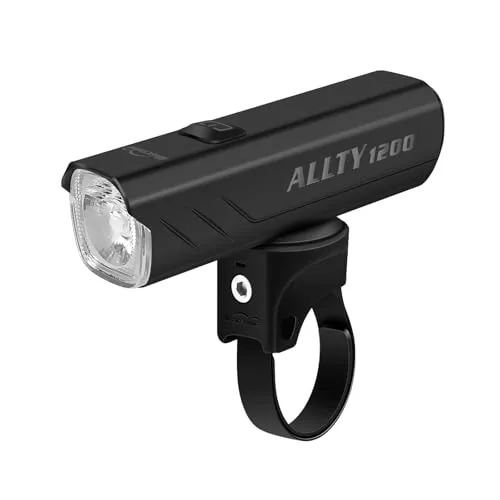
Magicshine ALLTY 1200 Bike Light
A strong value front light for commuters and gravel riders who want a shaped beam and long low-mode runtime without paying premium-light prices.
Niterider
Niterider Lumina Micro 950
950 lm: excellent for unlit roads and trails; 24-hour Femto mode for commuting.
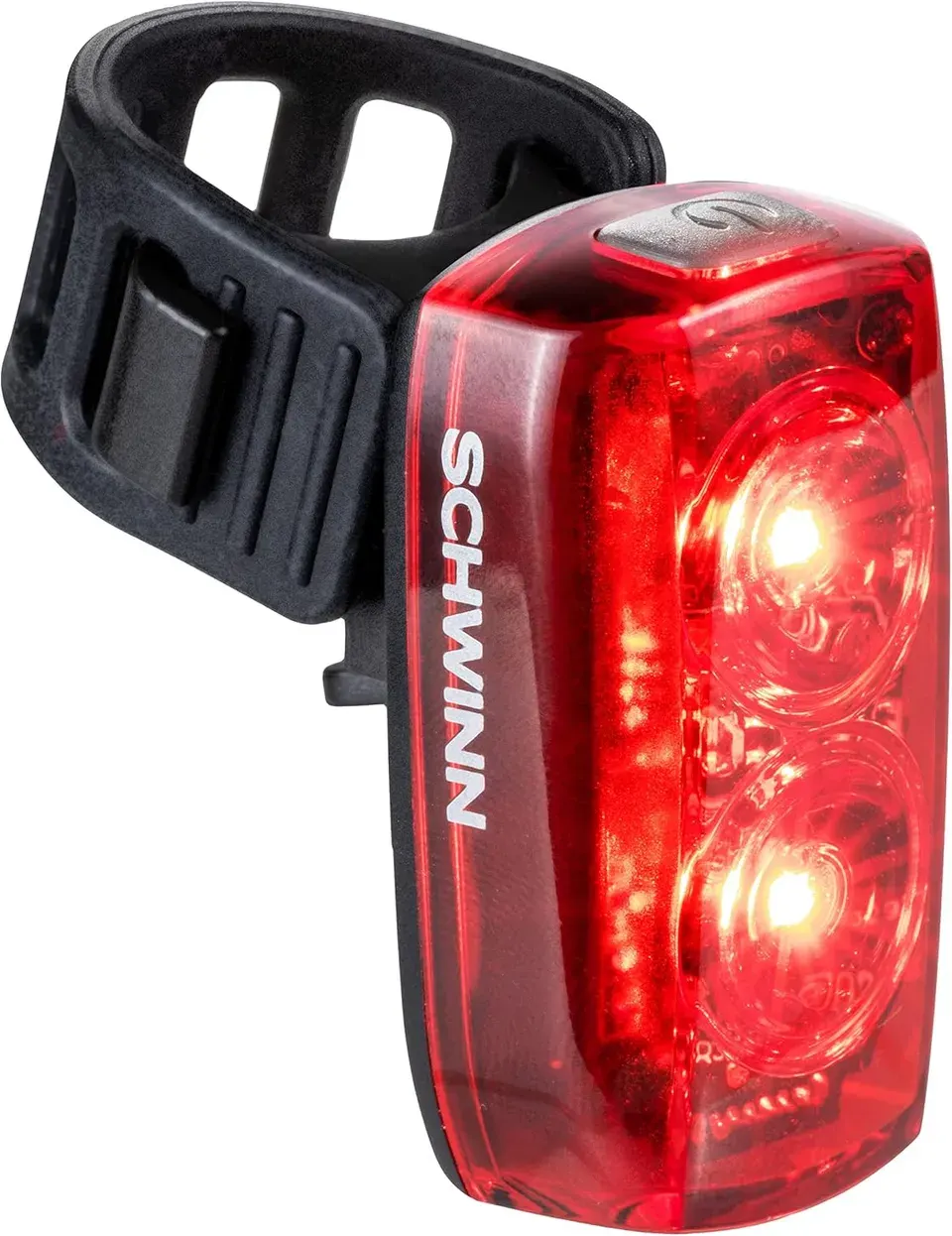
Schwinn
Schwinn USB Rechargeable Taillight
Mounts to most adult seatposts. The dynamic burst mode is intended as a daytime running light for road and city commuting.
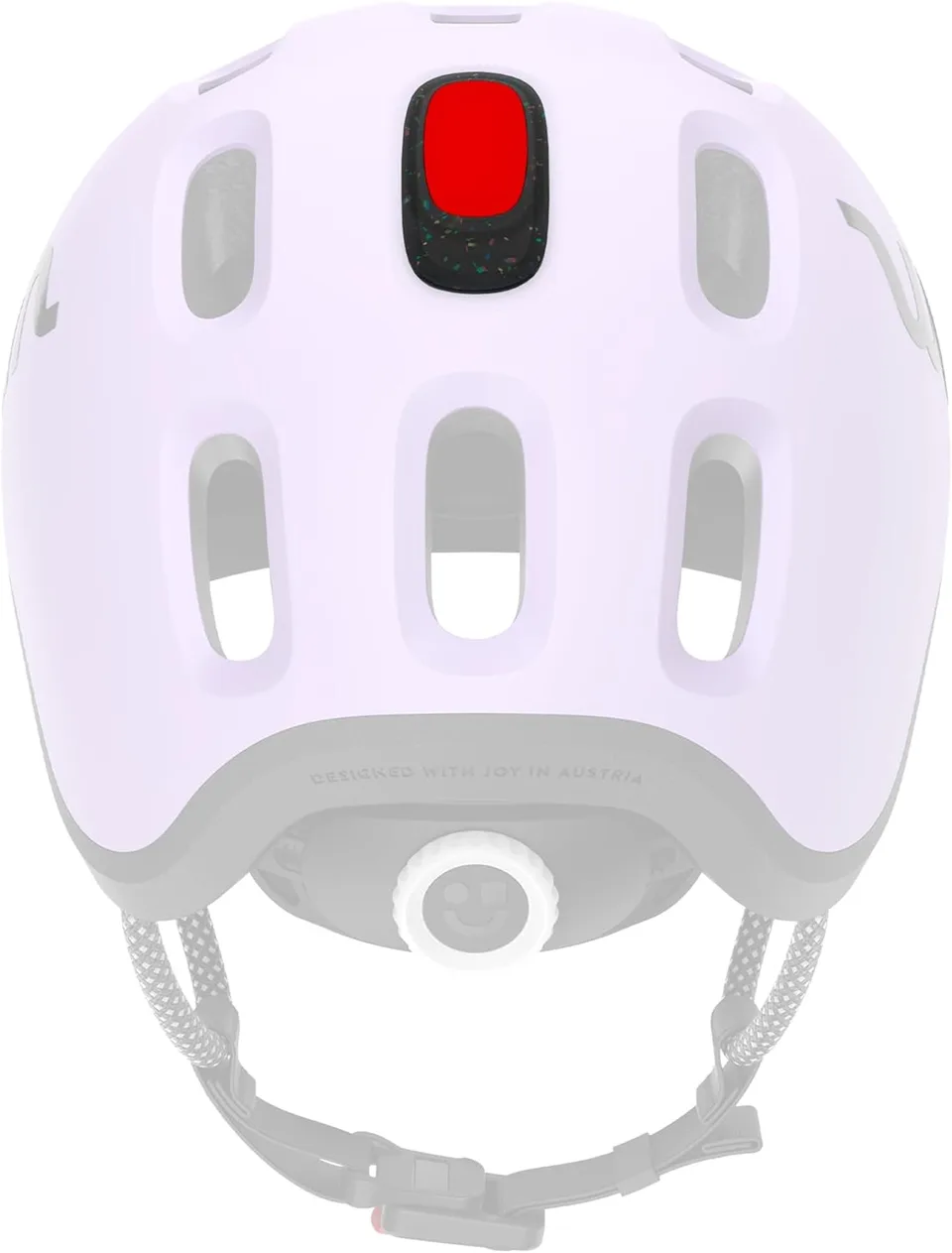
Woom
Woom Ready Helmet Light
Designed specifically for the woom Ready Kids' Helmet - clips into the top rear ventilation hole. No tools required.
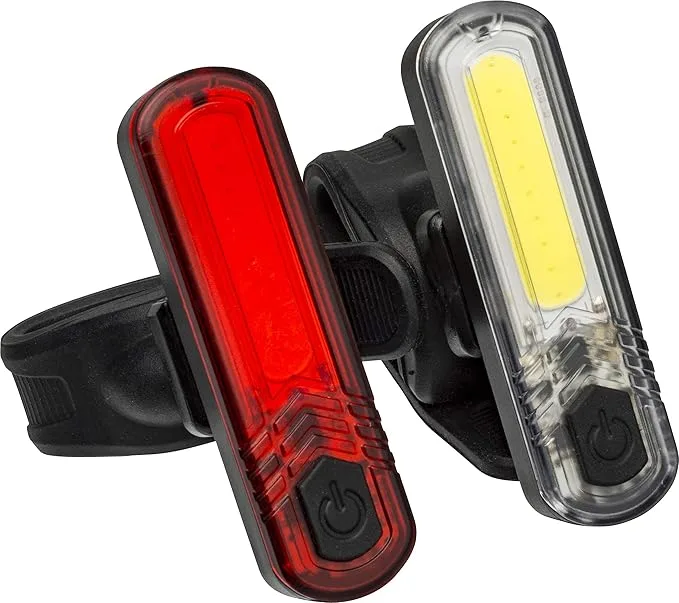
Bell
Bell Pharos 650 COB Light Set
Includes front and rear mounts; verify seatpost clearance if using a saddle bag.
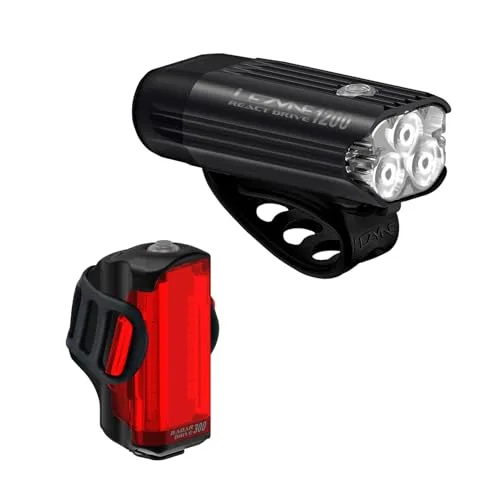
Lezyne
Lezyne Radar React Front & Rear LED Bike Light Set
Best for riders who want the rear radar alerts visible at the bars without adding a separate cycling computer. Check handlebar space for the front light and seatpost shape for the radar mount.
Magicshine
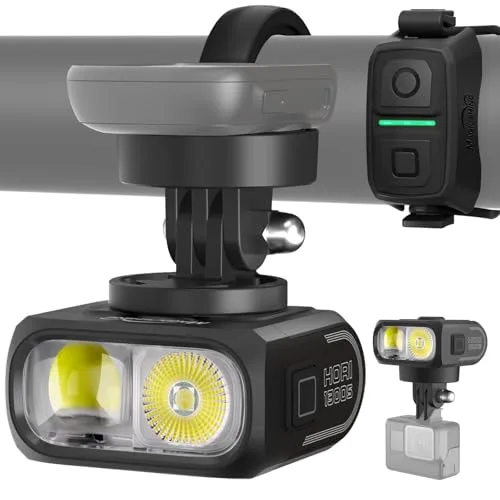
Magicshine HORI 1300S Bike Light
Choose this over the ALLTY if cockpit space matters. The mount setup is friendlier to riders stacking a light with a cycling computer or camera.
As an Amazon Associate we earn from qualifying purchases. Purchases made through these links help support our free calculators.
What matters for beginners
Choose a position you can sustain now, with comfortable mounting and reliable access to brakes and shifters. Measure height and cycling inseam; relatively shorter or longer torso and arm proportions may change the cockpit you need. If the chart suggests two sizes, compare the exact model-year reach, stack, standover and saddle range. Size down only when the smaller candidate passes and the larger cannot; size up when the reverse is true. Either may work within adjustment limits, or there may not be enough evidence to choose. Set the saddle for pedaling, not simply to reach the ground while seated or to shorten handlebar reach. Check stopping and dismounting separately. Respect seatpost insertion, saddle rail and fork/spacer limits, and ask a shop or fitter to resolve missing data, unsafe controls or persistent discomfort.
Lights sizing guidance
Choose output only after deciding whether the light must help others notice you or illuminate an unlit route. Compare the beam shape and runtime in the mode you will use; no lumen number guarantees useful visibility.
Most beginners choosing lights also compare bags & panniers for beginners, baskets for beginners, and bells & horns for beginners.
Expert tips
- Ask a local bike shop what sizing, assembly and follow-up services are included before buying
- When test riding, ride for at least 10-15 minutes to feel how the bike really fits
- Start with a hybrid or fitness bike if unsure-they're versatile and forgiving
- Practice controlled stopping and dismounting in a safe area; a suitable pedaling saddle height does not necessarily allow both feet flat while seated
Lights head-to-head comparisons
Cross-shop the lights beginners actually consider - specs, fit, and the deciding factor.
Compare AMPP 2200 and Macro Drive 1400+ / Strip Drive 400+ Light Set by their listed features, fit, and intended use.
Compare AMPP 2200 and Magicshine HORI 1300S Bike Light by their listed features, fit, and intended use.
Compare Varia RTL515 and Lezyne Radar Drive Rear LED Bike Light by their listed features, fit, and intended use.
Compare a front-and-rear light set with a standalone radar taillight, focusing on the rear-light role and what each listing includes.
Compare Macro Drive 1400+ / Strip Drive 400+ Light Set and Magicshine HORI 1300S Bike Light by their listed features, fit, and intended use.
Two front lights for riders who need real road or gravel illumination. Magicshine wins on price, while Lezyne brings the higher-output front-and-rear bundle.
Two USB-C rechargeable front lights aimed at riders who actually need to see, not just be seen. Lumen counts are close - runtime, beam pattern, weatherproofing, and mount design decide it.