Rider-matched picks
Sealants for beginners
Size-matched sealants picks for beginners, with fit and feature priorities curated for how beginners actually ride.
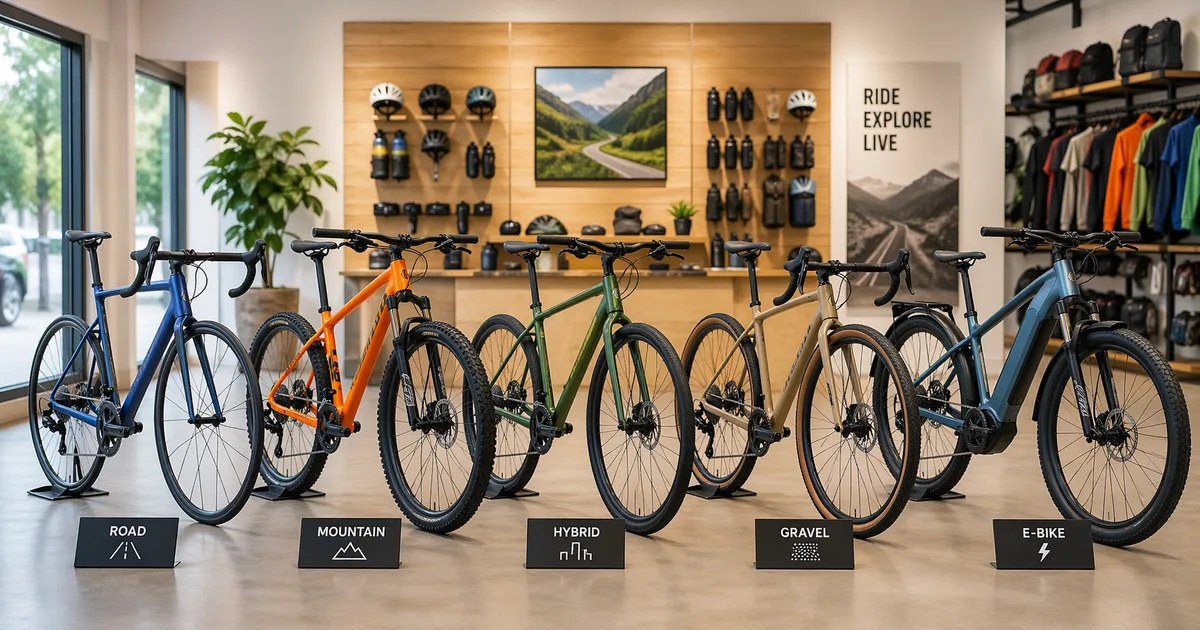
What matters for beginners
Choose a position you can sustain now, with comfortable mounting and reliable access to brakes and shifters. Measure height and cycling inseam; relatively shorter or longer torso and arm proportions may change the cockpit you need. If the chart suggests two sizes, compare the exact model-year reach, stack, standover and saddle range. Size down only when the smaller candidate passes and the larger cannot; size up when the reverse is true. Either may work within adjustment limits, or there may not be enough evidence to choose. Set the saddle for pedaling, not simply to reach the ground while seated or to shorten handlebar reach. Check stopping and dismounting separately. Respect seatpost insertion, saddle rail and fork/spacer limits, and ask a shop or fitter to resolve missing data, unsafe controls or persistent discomfort.
Sealants sizing guidance
Tubeless sealant is sized by tire volume and climate. Road tires usually need 30-45 ml per tire, gravel tires 60-90 ml, cross-country and trail tires 90-120 ml, and fat-bike tires 150-240 ml. Add more for porous casings, hot storage, desert riding, or tires that have already sprayed sealant through several punctures. Latex sealants seal fast but dry out; fiber-loaded formulas plug larger cuts but can clog narrow valves if you pour carelessly. Check the tire every 2-4 months by shaking it or removing the valve core. If you cannot hear liquid moving, top it off before the next ride.
Most beginners choosing sealants also compare bags & panniers for beginners, baskets for beginners, and bells & horns for beginners.
Expert tips
- Ask a local bike shop what sizing, assembly and follow-up services are included before buying
- When test riding, ride for at least 10-15 minutes to feel how the bike really fits
- Start with a hybrid or fitness bike if unsure-they're versatile and forgiving
- Practice controlled stopping and dismounting in a safe area; a suitable pedaling saddle height does not necessarily allow both feet flat while seated