Rider-matched picks
Training Wheels for small children (ages 3-5)
Size-matched training wheels picks for small children (ages 3-5), with fit and feature priorities curated for how small children (ages 3-5) actually ride.
Training Wheels picks for small children (ages 3-5)
Check Amazon for current pricing and availability.
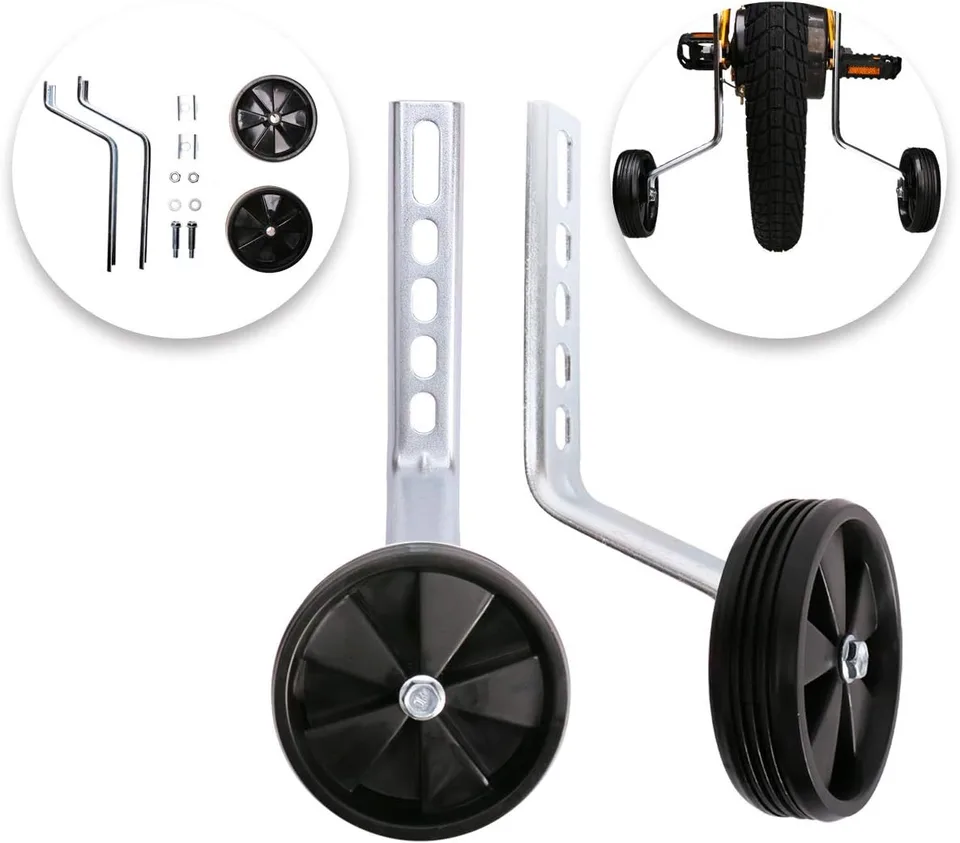
Joystar
Joystar DRBIKE Adjustable Training Wheels (12-20")
Universal training wheels - adjustable height lets you raise them as your child gets more confident before removing entirely.
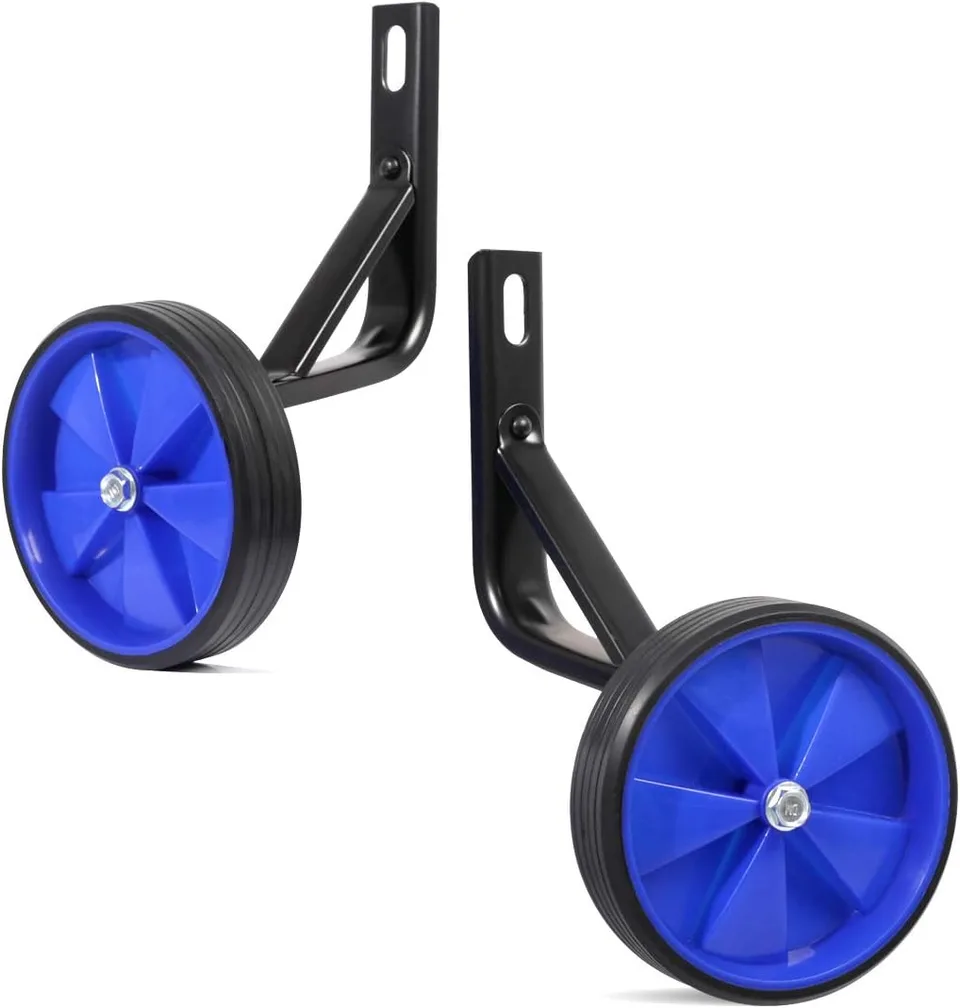
Joystar
Joystar DRBIKE 14" Training Wheels
Sized specifically for 14" kids bikes. Use only on a flat surface as wheels lower the bike's ground clearance.
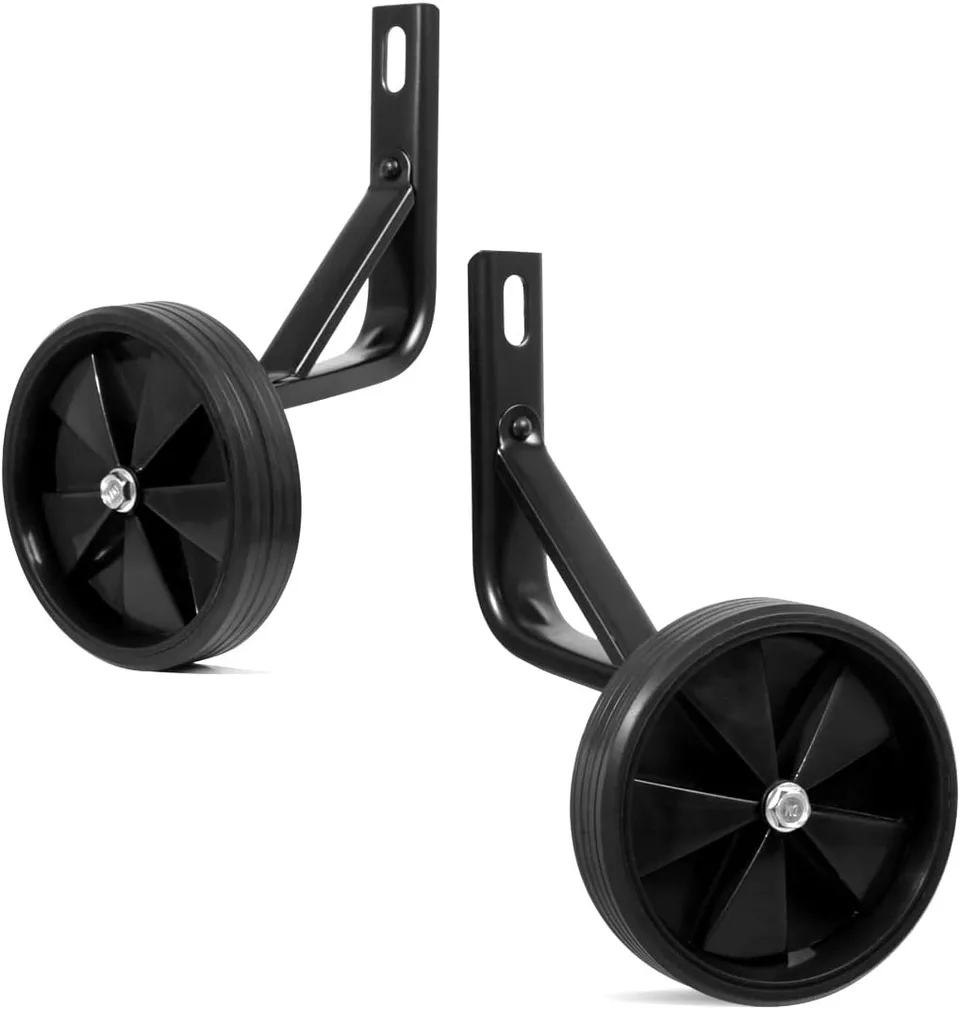
Joystar
Joystar DRBIKE 12" Heavy Duty Training Wheels
Heavy-duty version sized for 12" kids bikes - extra-stout brackets target rougher use and slightly heavier riders.
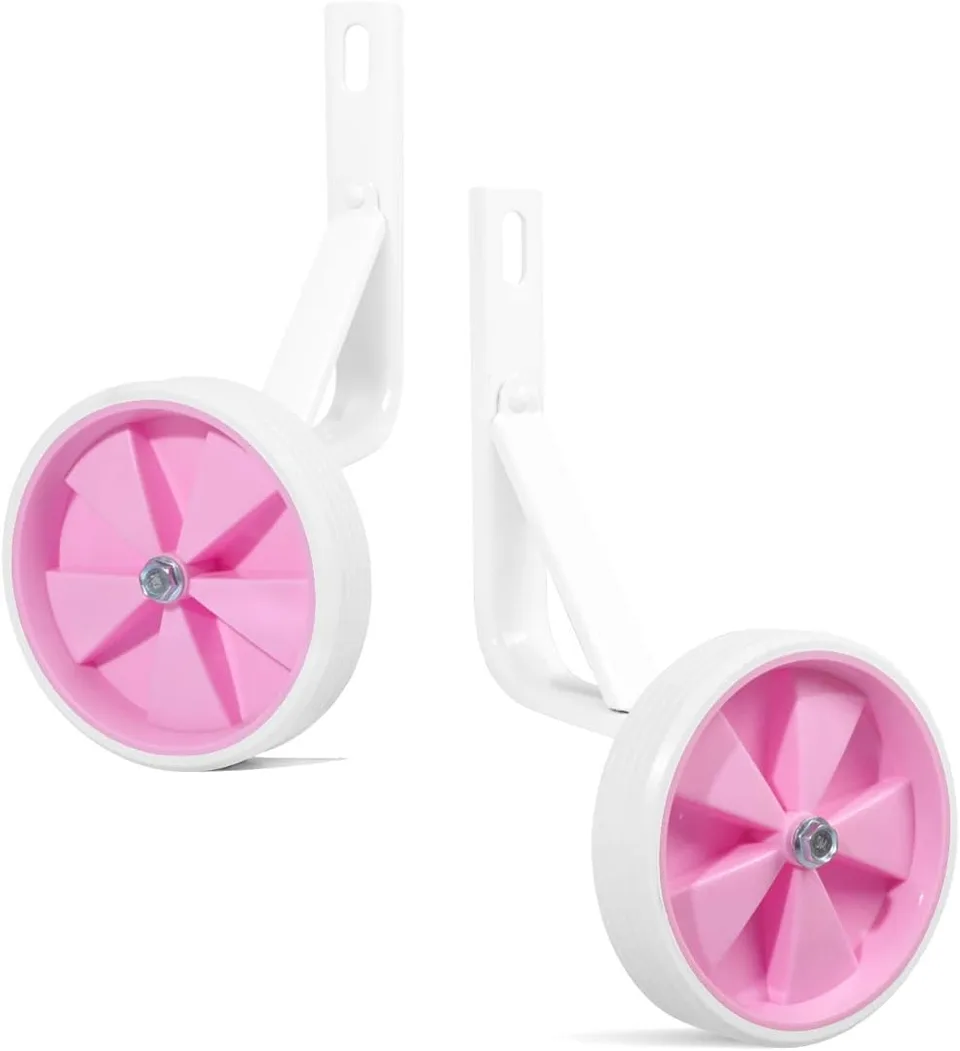
Joystar
Joystar DRBIKE 16" Training Wheels
Sized for 16" kids bikes. Verify your bike's rear axle bolt length leaves enough thread for the bracket.
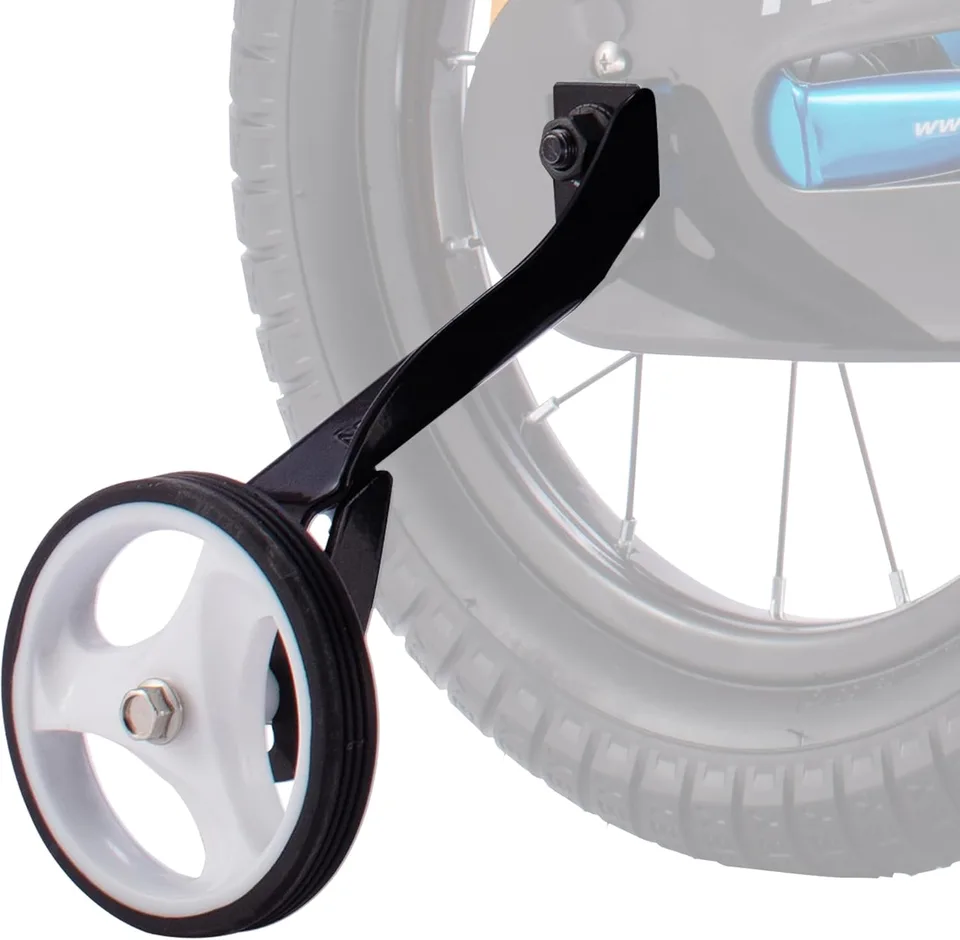
Royalbaby
RoyalBaby Training Wheels for 16/18 Inch Kids Bikes
Sized for 16" and 18" RoyalBaby (and most other) kids bikes. Adjustable height lets you gradually raise them as confidence grows.
As an Amazon Associate we earn from qualifying purchases. Purchases made through these links help support our free calculators.
What matters for small children (ages 3-5)
For small children, bike size is determined by wheel diameter - not frame size. At this age, the priority is confidence and safety over performance. Your child should be able to touch the ground flat-footed when seated at the lowest saddle position. A bike that's too large is dangerous - children cannot control bikes they can't reach the ground from. Consider starting with a balance bike (no pedals) for children under 4, as this teaches balance and steering before adding pedal complexity. For pedal bikes, look for models with coaster brakes (backpedal to stop), which are easier for small hands than hand brakes. Bike weight matters enormously at this age - a bike that weighs more than 30% of the child's body weight will be hard to control. Expect to replace the bike every 1-2 years as your child grows.
Training Wheels sizing guidance
Training wheels must match the rear wheel diameter of your child's bike - most kids bikes are 12, 14, 16, 18, or 20 inches. Measure across the tire if the size isn't printed on the sidewall. Most stabilisers bolt onto the rear axle (between the frame dropout and the axle nut) and use a long L-shaped bracket to position the wheel beside the tire. Set them about 1/2 inch (12 mm) above level ground at first so the bike still leans slightly - that lean is what teaches balance. As confidence grows, raise the brackets a hole at a time over a week or two until both wheels barely touch the ground, then remove. Most kids transition off training wheels by age 5-6 if they had a balance bike first, or age 6-8 starting from a pedal bike with stabilisers.
Most small children (ages 3-5) choosing training wheels also compare bells & horns for small children (ages 3-5), child seats for small children (ages 3-5), and fenders & mudguards for small children (ages 3-5).
Expert tips
- Measure your child's inseam (floor to crotch) standing against a wall - this is more important than height for sizing
- At the lowest saddle position, your child should be able to plant both feet flat on the ground
- A lighter bike is always better - aim for under 30% of your child's body weight
- Balance bikes are the fastest path to riding proficiency - most balance bike kids skip training wheels entirely