Kids Training Wheels: Sizing & Buying Guide
Pick training wheels matching your child's bike - 12, 14, 16, 18, or 20-inch - mounting tips, heavy-duty picks, and when to take them off.
If fit depends on the rider, start with training wheels for small children (ages 3-5), training wheels for young kids (ages 5-8), or training wheels for older kids (ages 8-12). Brand details matter too, especially sizing and compatibility notes from Joystar, and RoyalBaby.
Top training wheels picks
Check Amazon for current pricing and availability.
Joystar
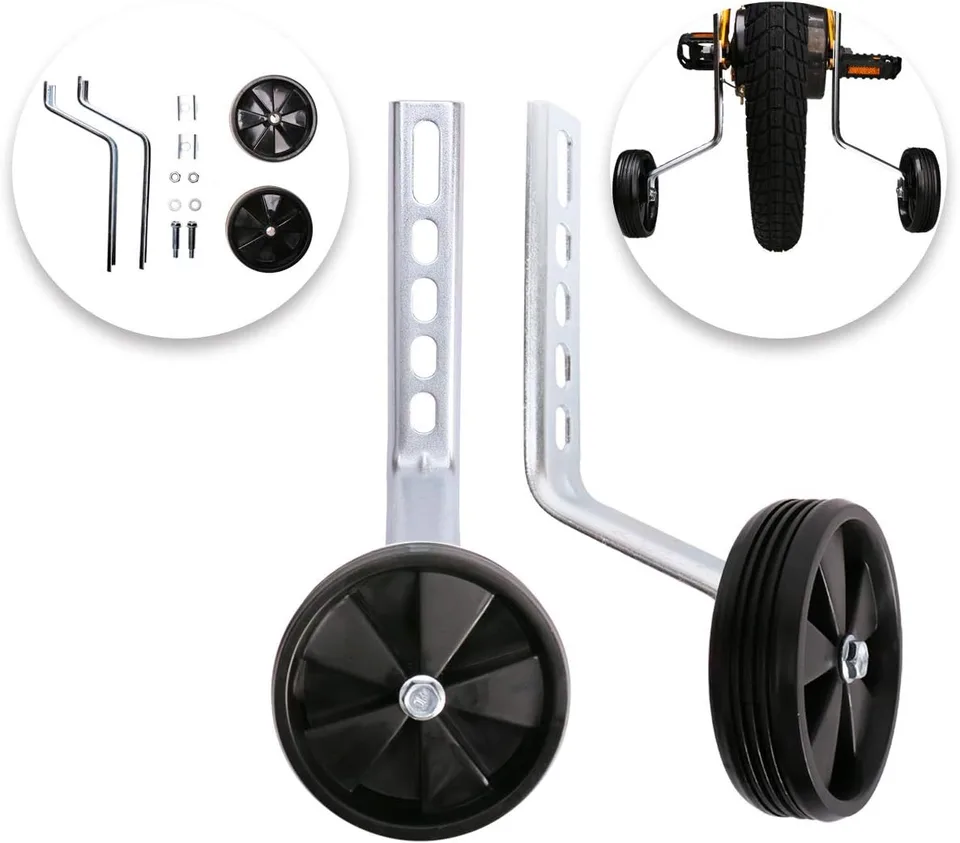
Joystar DRBIKE Adjustable Training Wheels (12-20")
Universal training wheels - adjustable height lets you raise them as your child gets more confident before removing entirely.
Joystar
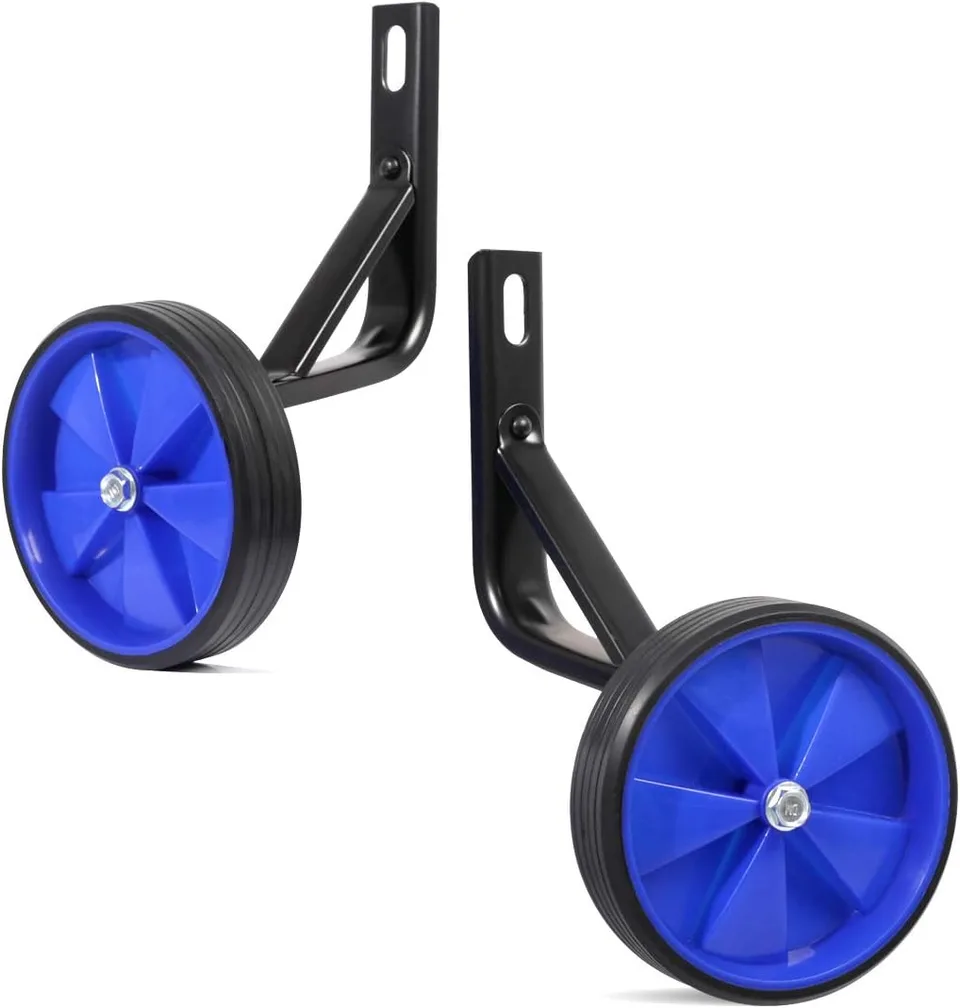
Joystar DRBIKE 14" Training Wheels
Sized specifically for 14" kids bikes. Use only on a flat surface as wheels lower the bike's ground clearance.
Joystar
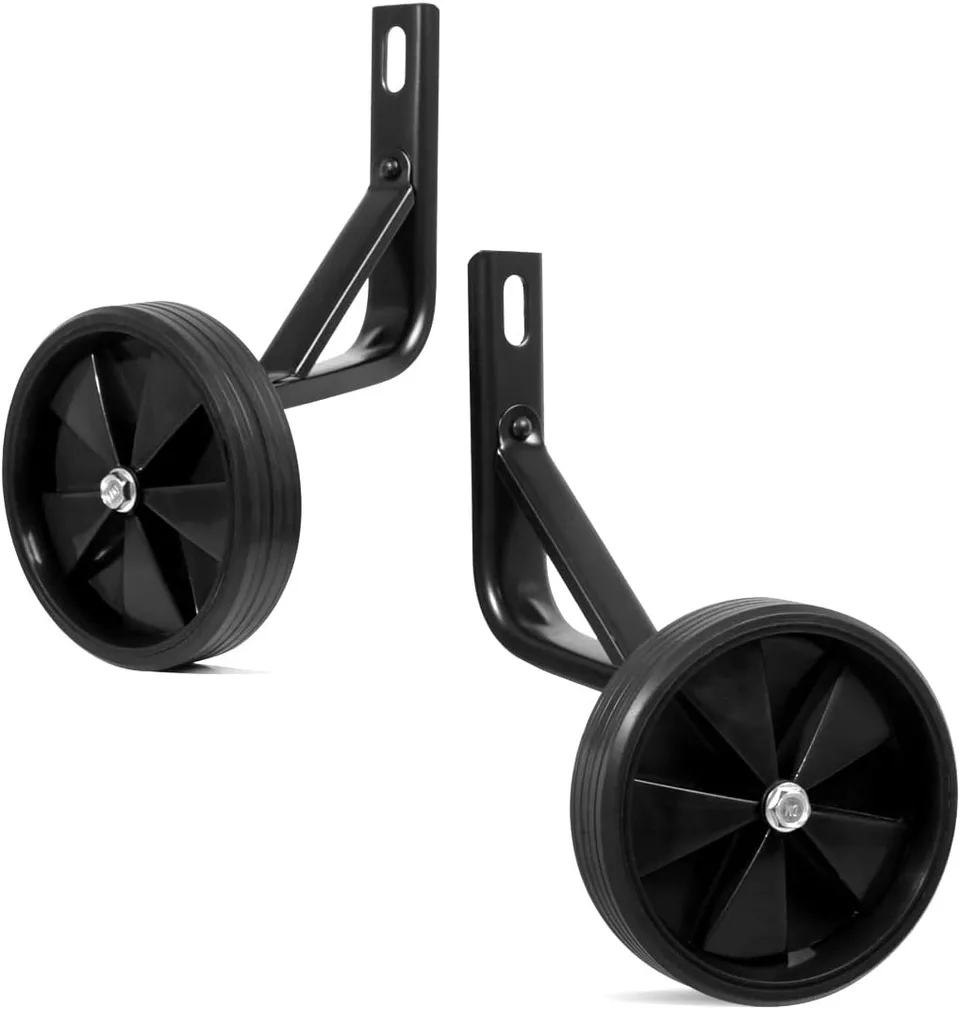
Joystar DRBIKE 12" Heavy Duty Training Wheels
Heavy-duty version sized for 12" kids bikes - extra-stout brackets target rougher use and slightly heavier riders.
Joystar
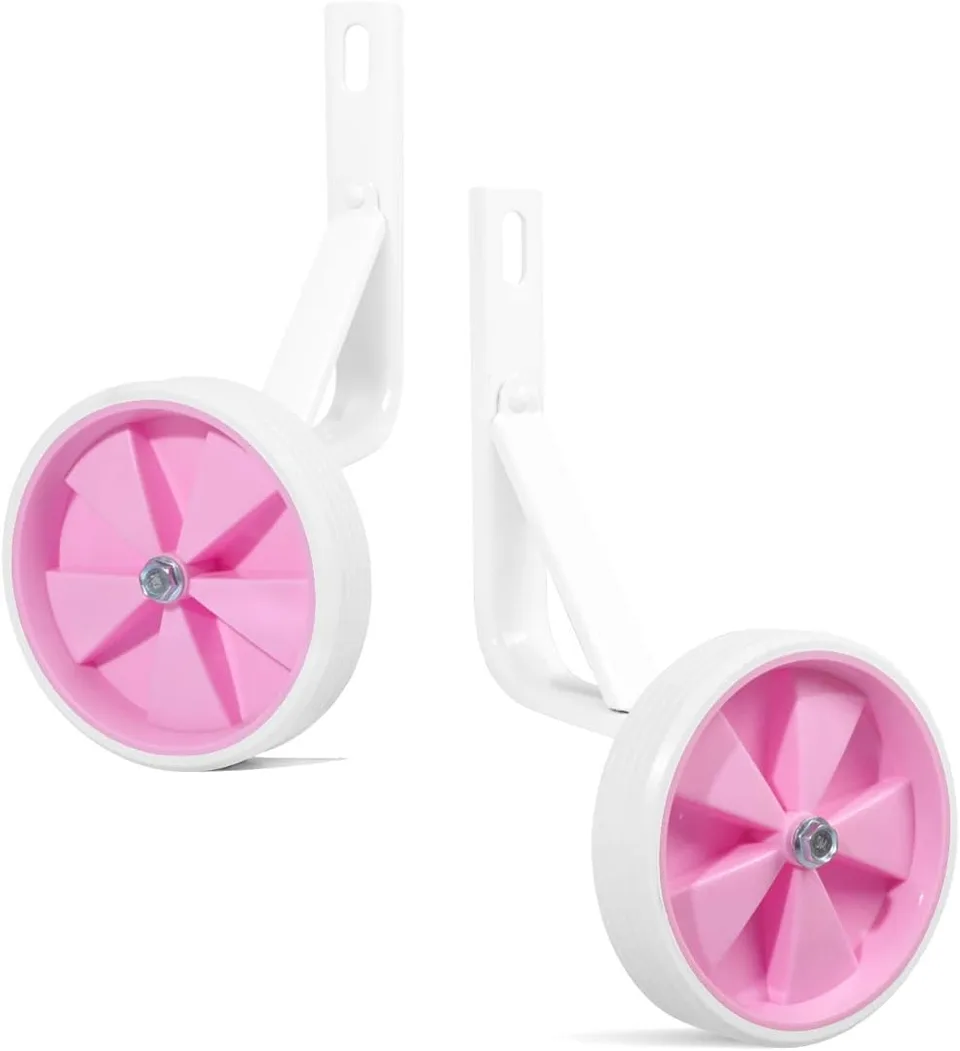
Joystar DRBIKE 16" Training Wheels
Sized for 16" kids bikes. Verify your bike's rear axle bolt length leaves enough thread for the bracket.
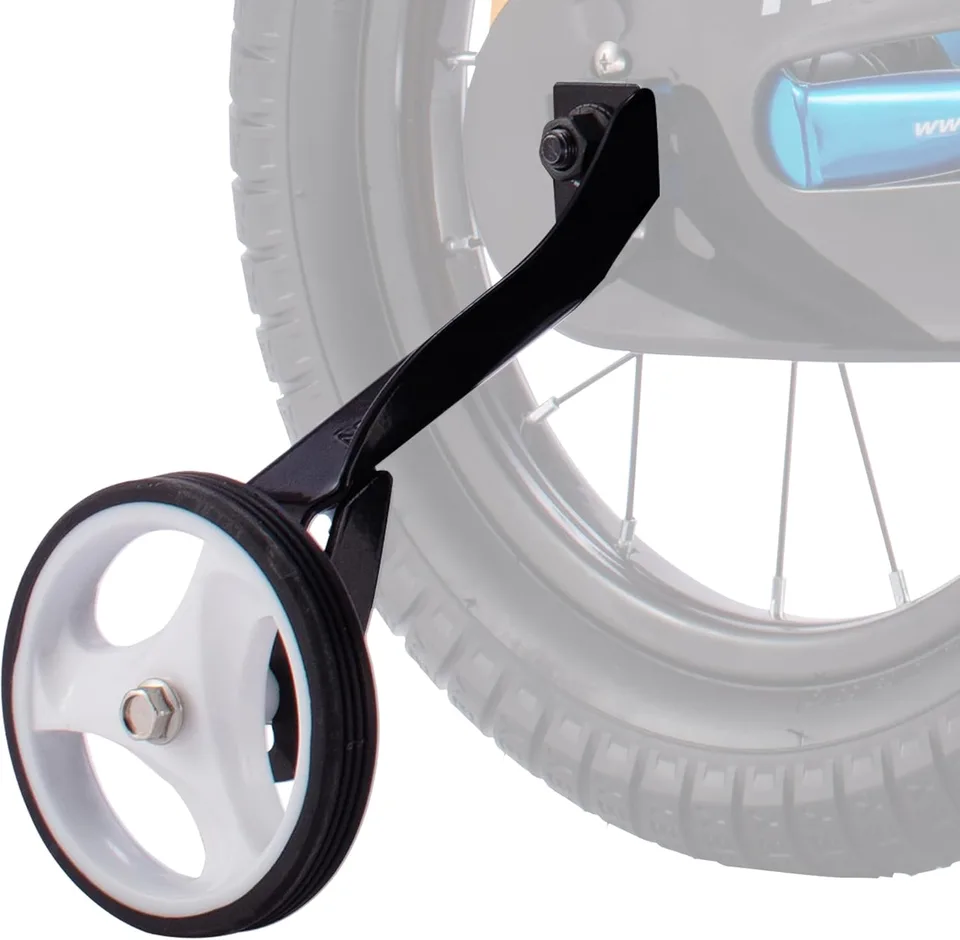
Royalbaby
RoyalBaby Training Wheels for 16/18 Inch Kids Bikes
Sized for 16" and 18" RoyalBaby (and most other) kids bikes. Adjustable height lets you gradually raise them as confidence grows.
As an Amazon Associate we earn from qualifying purchases. Purchases made through these links help support our free calculators.
Sizing & fit guidance
Training wheels must match the rear wheel diameter of your child's bike - most kids bikes are 12, 14, 16, 18, or 20 inches. Measure across the tire if the size isn't printed on the sidewall. Most stabilisers bolt onto the rear axle (between the frame dropout and the axle nut) and use a long L-shaped bracket to position the wheel beside the tire. Set them about 1/2 inch (12 mm) above level ground at first so the bike still leans slightly - that lean is what teaches balance. As confidence grows, raise the brackets a hole at a time over a week or two until both wheels barely touch the ground, then remove. Most kids transition off training wheels by age 5-6 if they had a balance bike first, or age 6-8 starting from a pedal bike with stabilisers.
What to look for when buying
- Wheel-size compatibility - buy the size that matches your child's bike (12 / 14 / 16 / 18 / 20 inch). Universal 'adjustable' brackets cover the full range but add weight; size-specific sets are lighter and lower-profile.
- Axle type - most kids bikes use a one-piece coaster-brake rear axle, which fits standard training-wheel brackets. Bikes with a rear derailleur or thru-axle need longer hardware or a derailleur-compatible bracket; check the seller listing.
- Mounting hardware included - quality sets ship with the long bolts, washers, and nuts you need. Cheaper sets reuse the existing axle nuts, which can be too short on some frames; double-check before installing.
- Heavy-duty vs standard - for kids over ~50 lb (23 kg) or for rough sidewalks and grass, look for steel brackets and solid (rather than hollow) plastic tires. Standard sets are fine for indoor and smooth pavement use.
- Adjustability for gradual lifting - slotted or multi-hole brackets let you raise the wheels in small steps as your child improves balance, instead of an all-or-nothing removal. This is the single biggest difference between sets that 'work' and sets that frustrate kids.
- Wheel material - solid plastic wheels are quiet and last on smooth pavement; rubber-tired plastic is grippier on slick surfaces; steel-rim wheels with rubber tires roll best on rough ground but cost more and weigh more.
Frequently Asked Questions
Keep planning your build
Training Wheels by rider type
Persona-tailored training wheels guides with fit, style, and feature notes for how you actually ride.
Sizing your bike first?
Your frame size changes what fits - get the bike right and the accessories will follow.