Bike Size Guide for Older Kids (Ages 8-12) | Tween Bike Sizing
GuideStarting range, not final fit. Verify the exact model before buying.
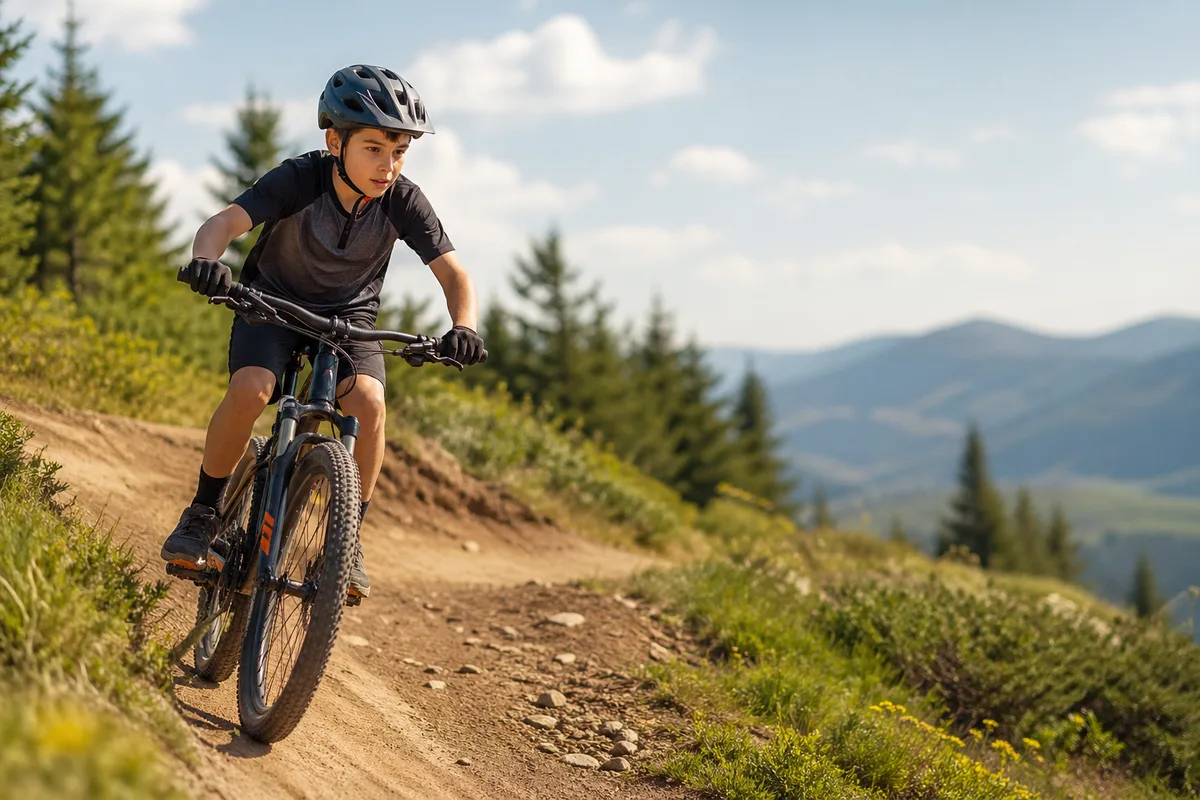
Complete bike sizing guide for older kids and tweens ages 8 to 12. Learn how to choose between 20-inch and 24-inch wheel bikes, when to introduce gears and suspension, how to pick the right bike for riding to school or hitting trails, and which brands offer the best youth bikes.
A starting range, not final fit
A rider profile does not determine one exact frame or guarantee comfort. Measure height and cycling inseam, and keep any chart overlap or disagreement visible. Torso and arm proportions, mobility and intended riding can change which model works within the starting range.
For children, confirm minimum saddle height, mounting, brake access and confident stopping on the actual bike. Do not buy mainly for growing room. Use the recommended brand links below to locate the exact model-year chart; brand-wide ranges and representative geometry are not verification of every model. Missing or conflicting dimensions call for a shop check, test ride or professional fit, not an automatic size-up or size-down rule.
Use the kids bike sizing guide to choose the right wheel-size range, then check the rider's measurements with the kids bike size calculator before buying.
How to size a bike for older kids (ages 8-12)
Children ages 8-12 are becoming serious riders - many ride to school, explore trails, or develop interest in specific cycling disciplines like mountain biking or BMX. At this age, bikes transition from toy-like simplicity to real cycling machines with proper gear systems, disc brakes, and even suspension. The key sizing decision is between 20" and 24" wheels. Most kids transition to 24" between ages 9 and 11, depending on height. A 24" wheel bike is the last step before adult-sized bikes, so getting this fit right matters. At this age, proper saddle height means the child's leg is almost fully extended at the bottom of the pedal stroke with a slight bend at the knee - the same principle used for adult bikes. Standover clearance should be 2-3 inches. Many 24" bikes come with adult-style components, which is ideal since these kids are developing adult riding habits.
Recommended Geometry Preferences
2-3 inches clearance - critical as kids ride more aggressively
Comfortable reach with slight elbow bend - avoid stretched or cramped
Slight knee bend at bottom of pedal stroke (near-adult position)
1x7 or 1x8 drivetrain for simplicity with range for hills
Disc brakes preferred for all-weather stopping power
Which brands fit older kids (ages 8-12) best?
These brands are known for offering excellent options for older kids (ages 8-12).
What are the common sizing mistakes for older kids (ages 8-12)?
- 1Jumping straight to a 26" or adult XS bike - most 8-10 year olds still need 24" wheels with youth-specific geometry
- 2Buying a full-suspension mountain bike too early - a quality hardtail teaches better technique and is lighter for the price
- 3Ignoring the 20" to 24" transition timing - too early means a heavy, hard-to-control bike; too late limits the child's riding
- 4Choosing a bike based only on what looks cool - fit and weight matter more than paint and graphics at this age
- 5Skipping disc brakes to save money - rim brakes are less effective in wet conditions when kids are riding to school
- 6Not teaching basic bike maintenance - kids this age can learn to check tire pressure, clean chains, and adjust saddle height
Expert tips for older kids (ages 8-12)
- 1The 24" transition typically happens around 130-140 cm (4'3"-4'7") - don't rush it based on age alone
- 2A quality 24" hardtail mountain bike is the most versatile choice - it handles pavement, gravel, and trails equally well
- 31x (single chainring) drivetrains are ideal - fewer shifting decisions, less maintenance, and lighter weight than 2x or 3x systems
- 4Hydraulic disc brakes are worth the premium - they require less hand strength and work better in all conditions
- 5If your child shows interest in mountain biking, look for bikes with air forks rather than coil forks - they're lighter and more adjustable
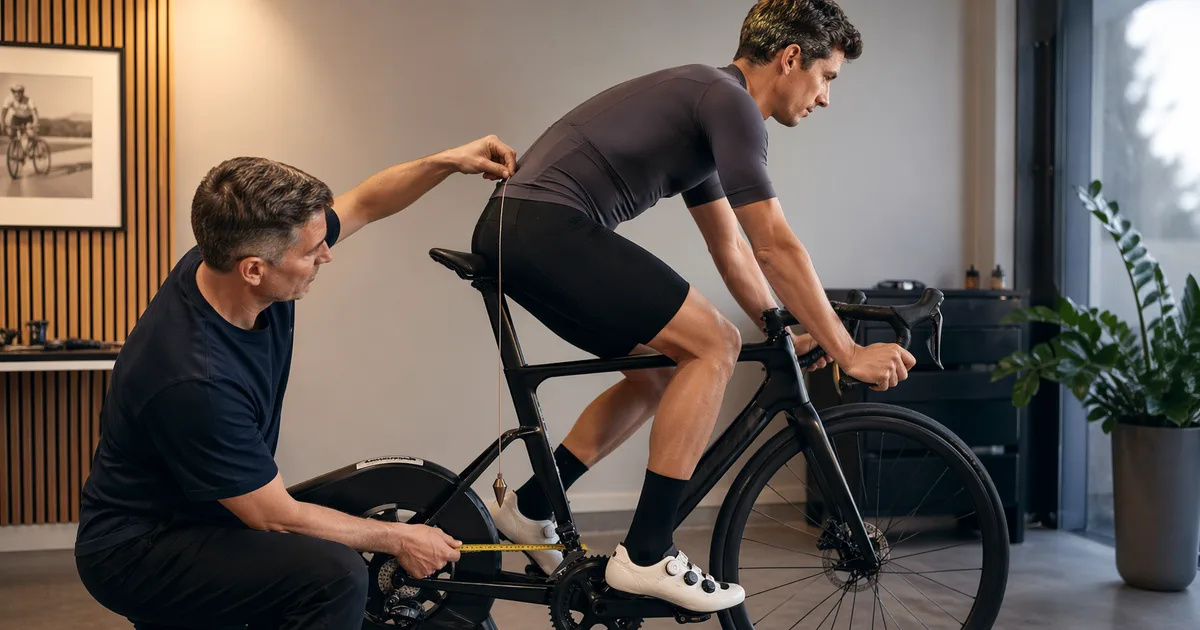
- 6This is the age where a professional bike fit starts to make sense - many bike shops offer free sizing with purchase
- 7Consider what your child will use the bike for - commuting to school needs different features than weekend trail riding
- 8A used quality 24" bike (Trek, Specialized, Giant) holds value well and outperforms new budget bikes at the same price
Calculate Your Size
Use our calculator with preset values optimized for older kids (ages 8-12). Adjust as needed based on your exact measurements.
Measure from the ground to your crotch while standing.
Older Kids (Ages 8-12) Sizing FAQ
Sizing Guides by Specific Age
Find the exact bike size for your child's age:
Recommended Bikes for Older Kids (Ages 8-12)
Picks from our partner retailers, matched to this rider profile.
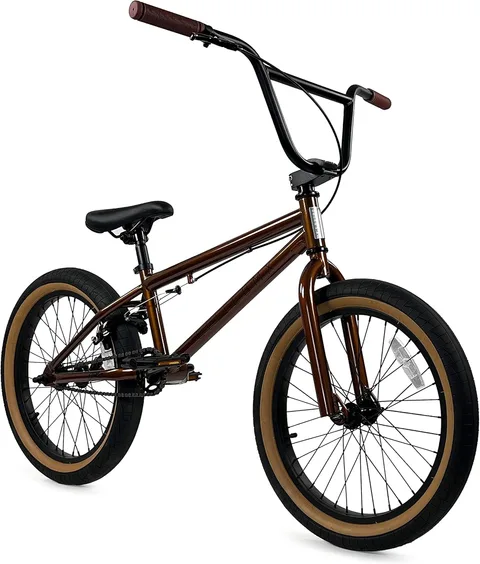
Elite BMX
Elite BMX Stealth Freestyle BMX
Entry-level Stealth model in 16", 18", and 20" wheel sizes (also 26"/29" on newer SKUs). Hi-tensile steel frame with 1" head-tube, 1-piece Chromoly cranks (American BB), 25-9 gearing, low-profile 6061 alloy rims with 2.5" street tires. The simplest entry into Elite's lineup - pick the wheel size by rider height.
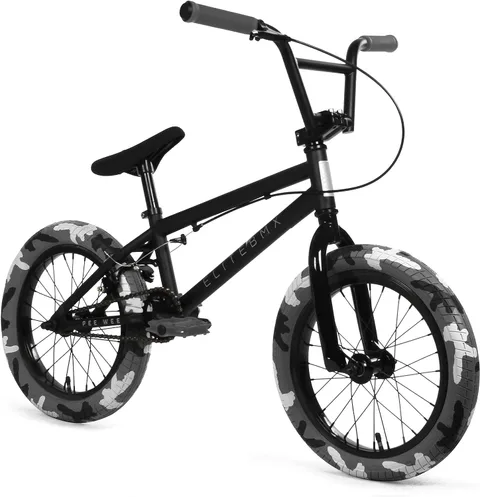
Elite BMX
Elite BMX Pee Wee BMX
Mid-range kids freestyle in 16" and 18" wheel sizes with reinforced tubing, thick foam-padded seat with embroidered Elite BMX logo, and a 3-piece Cro-Mo crankset (a meaningful upgrade over the Stealth's 1-piece). Best for kids 4-9 ready to ride a real BMX rather than a department-store knock-off.
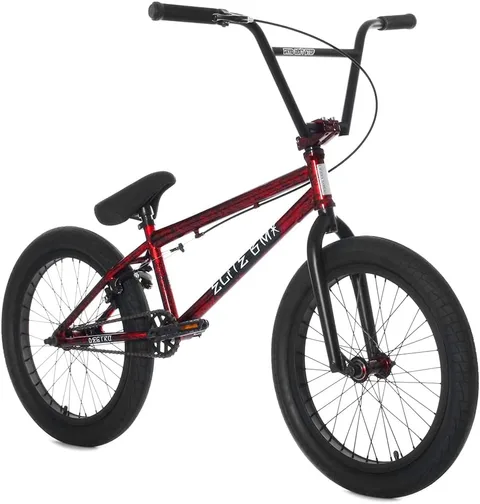
Elite BMX
Elite BMX Destro BMX
Intermediate 20" freestyle BMX with 3-piece Cro-Mo crankset, sealed bearing wheels (vs Stealth's loose-ball), and Elite's reinforced tubing. Aimed at riders pushing past beginner street/park sessions. Single 20" wheel size fits most teens and adult street riders 5'0"-6'0".
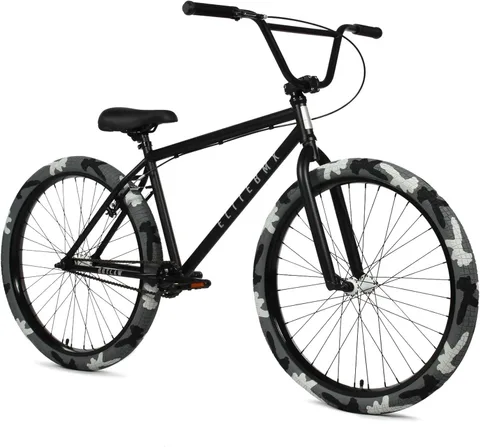
Elite BMX
Elite BMX Outlaw 26" BMX Cruiser
Adult 26" BMX cruiser - the largest bike in Elite's range. Reinforced tubing, 3-piece Cro-Mo crank, embroidered Elite BMX seat, and the heavier-duty wheel build the cruiser frame demands. Fits adult riders 5'5"-6'4". Heavier and less flickable than the 20" but more stable for jumps and street.
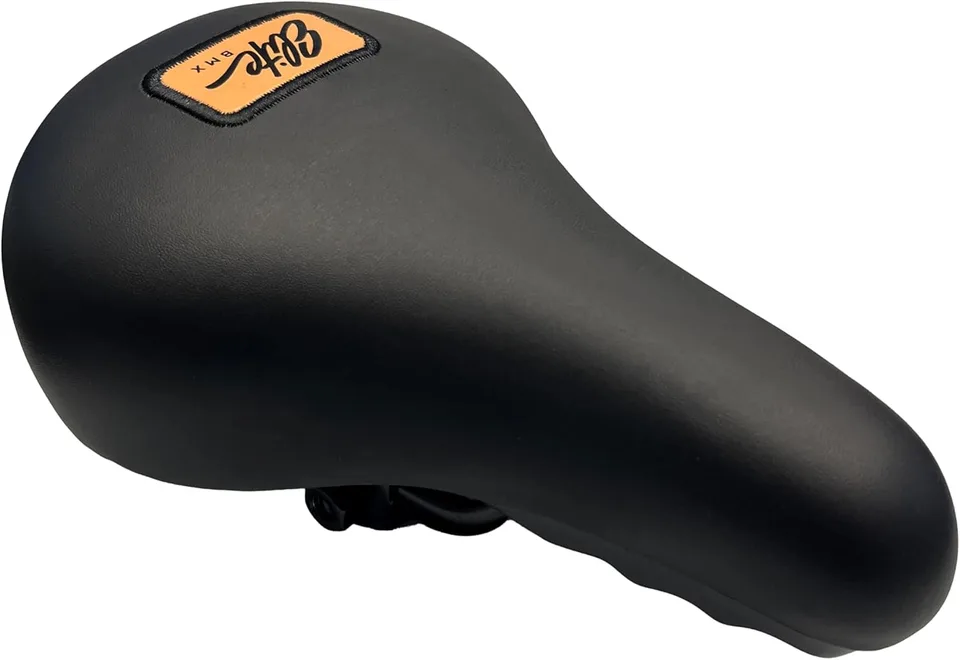
Elite Bmx
Elite Bmx Elite Bicycle Saddle
Standard rail mounting fits Elite BMX Stealth, Pee Wee, Destro, and Outlaw frames as well as most other BMX seatpost clamps. Saddle height for street BMX is typically inseam × 0.7-0.85.
Dynacraft
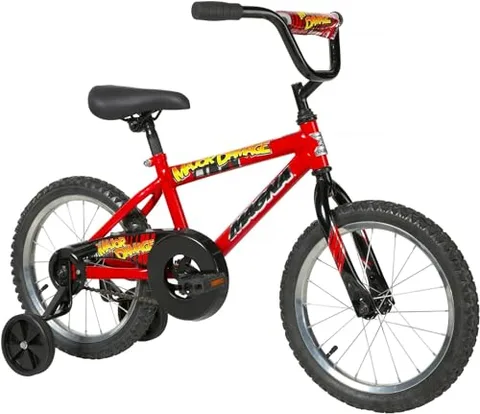
Dynacraft Magna Major Damage 16"
16 in kids' bike for ages 4 to 6 (height 3'3" to 3'10", inseam 16-20 in). Steel frame, single coaster brake, training wheels included. Best as a first pedal bike for kids who have outgrown a 12 in balance bike. Heavier than a Woom 3 or Guardian Original 16 but priced at roughly a third of either.
As an Amazon Associate we earn from qualifying purchases. Purchases made through these links help support our free calculators.
Once the frame size is set, match the contact and safety gear to this rider profile: compare bells & horns for older kids (ages 8-12), fenders & mudguards for older kids (ages 8-12), and gloves for older kids (ages 8-12).
Recommended accessories for Older Kids (Ages 8-12)
Helmets, lights and gear that match this rider profile.
Bell
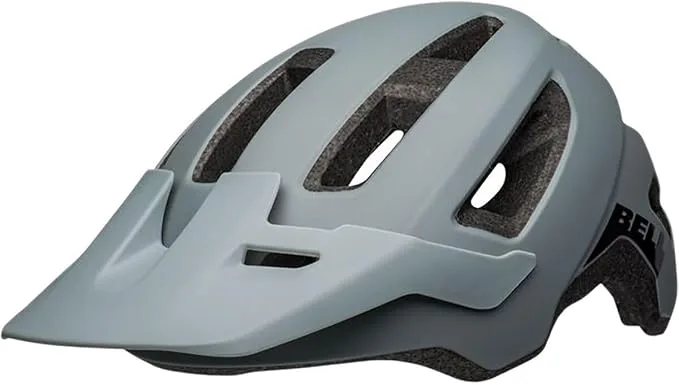
Bell Nomad 2 MIPS
This ASIN is Small/Medium 52-57 cm. Check the selected Amazon size/color before checkout.
Bell
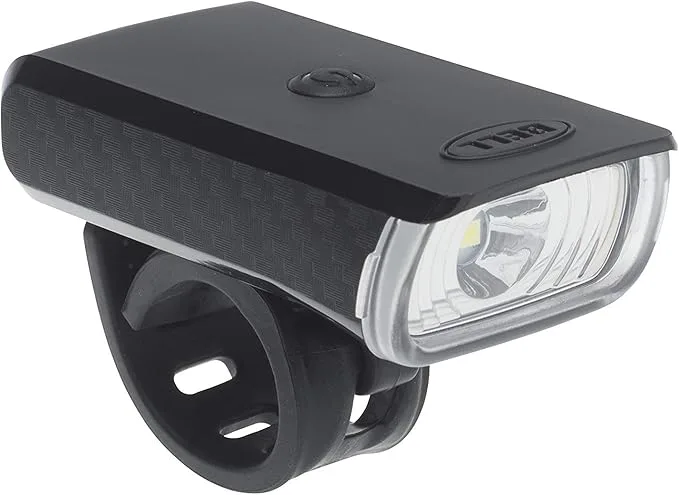
Bell Lumina 300 Headlight
Tool-free handlebar mount; check bar space around computers, bells, and baskets.
Abus
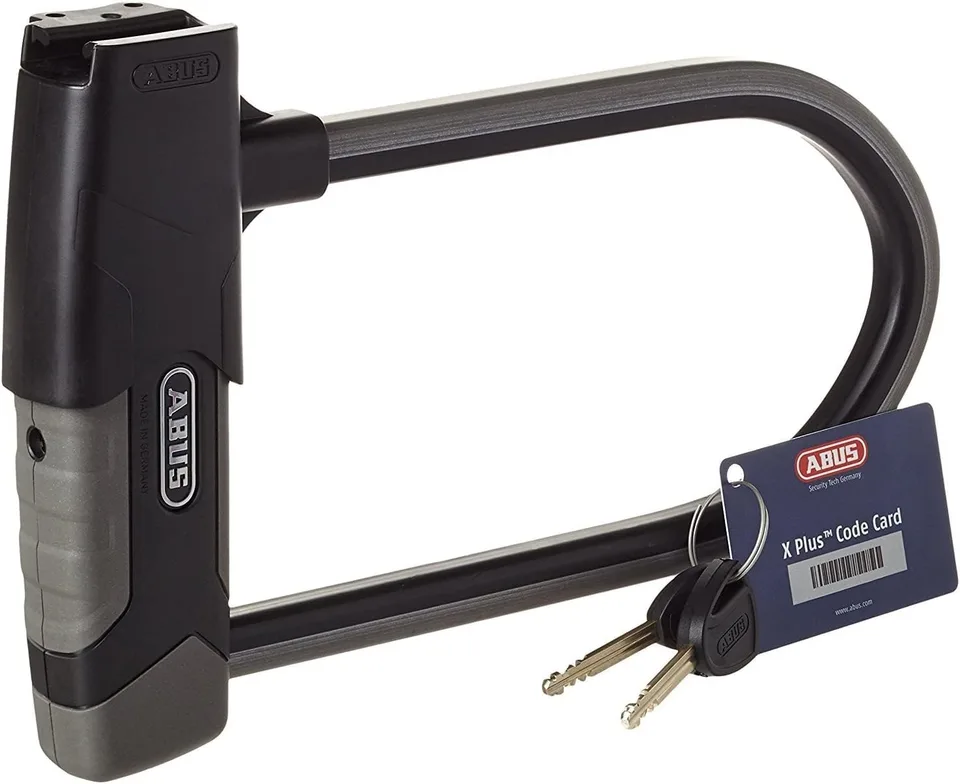
ABUS Granit X-Plus 540
Inner dimensions: 5.5" x 8" (14 x 20cm). Premium size for frame + wheel security. Heavy-duty for high-theft areas.
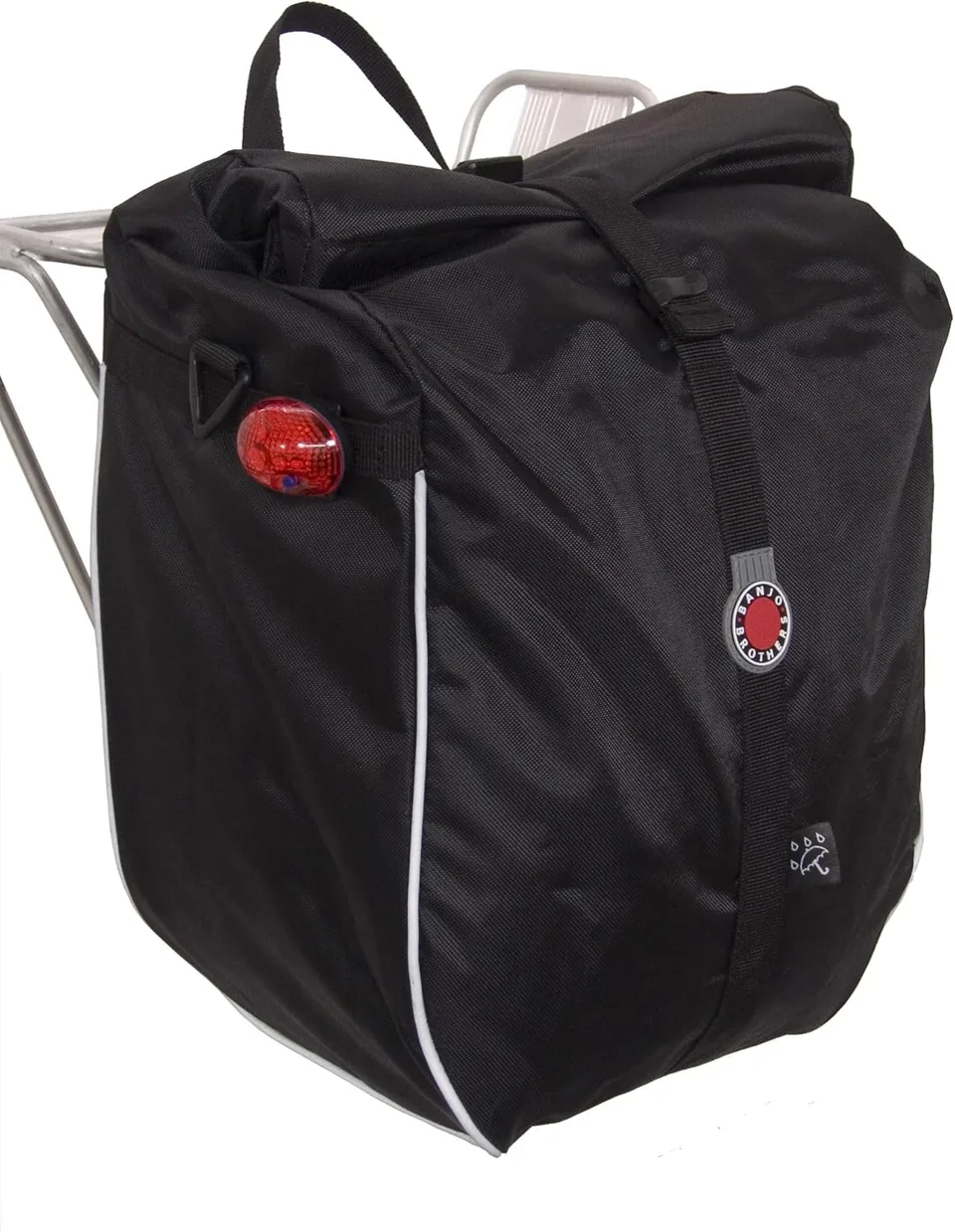
Banjo Brothers
Banjo Brothers Waterproof Pannier
Pair recommended for full touring. Convertible handles allow backpack use. Lifetime warranty.
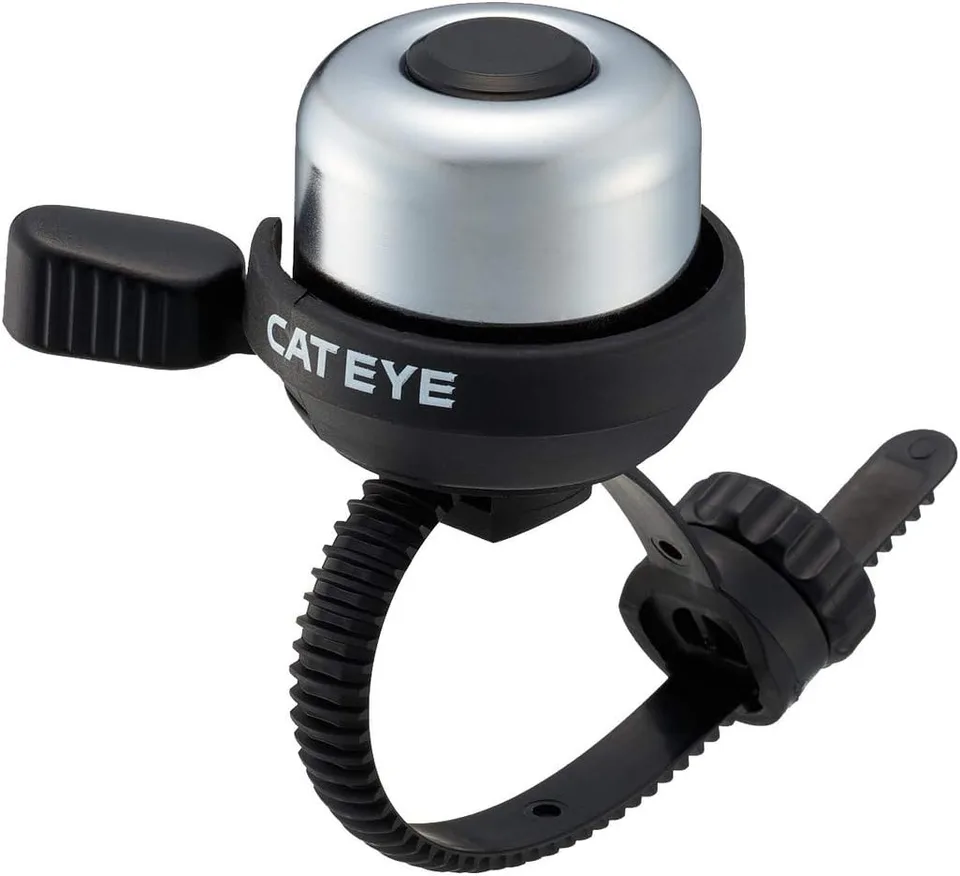
Cateye
CatEye Bell PB-200
Mid-range option; fits drop-bar primarily; 23.8 mm optimized mount
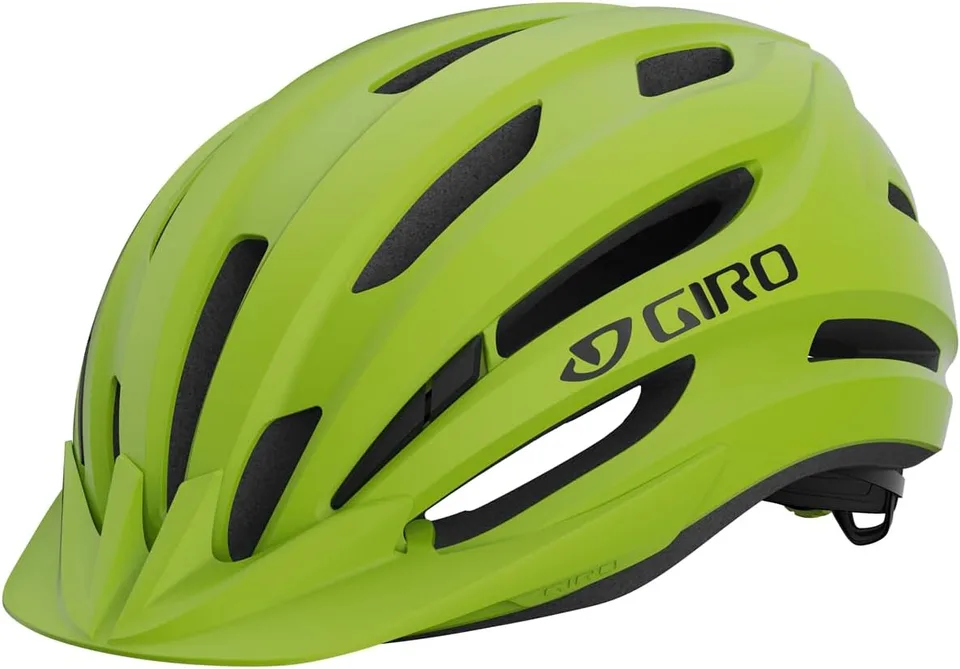
Giro
Giro Register MIPS
S 51-55 cm, M 55-59 cm, L 59-63 cm
Keep Exploring
Bike comparisons for older kids (ages 8-12)
Know the rules where you ride
Bike laws - helmets, sidewalk riding, lights, right of way - vary by state. Check the basics before you head out: