Rider-matched picks
Training Wheels for 6 year olds
Size-matched training wheels picks for 6 year olds, with fit and feature priorities curated for how 6 year olds actually ride.
Training Wheels picks for 6 year olds
Check Amazon for current pricing and availability.
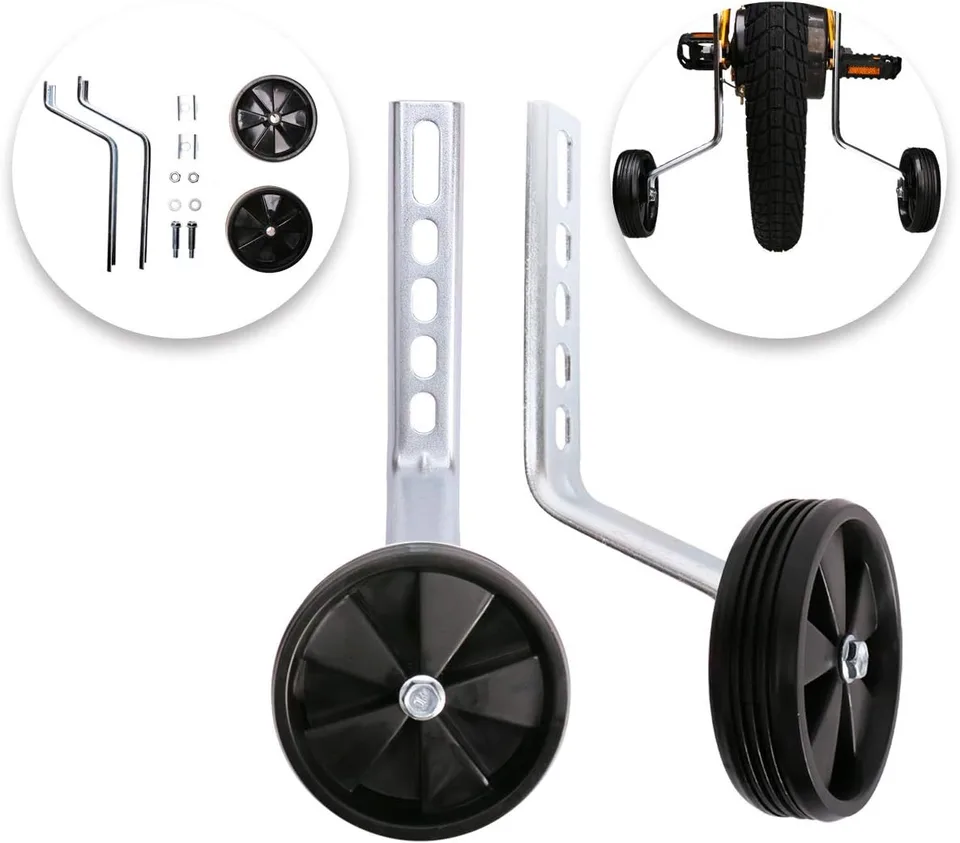
Joystar
Joystar DRBIKE Adjustable Training Wheels (12-20")
Universal training wheels - adjustable height lets you raise them as your child gets more confident before removing entirely.
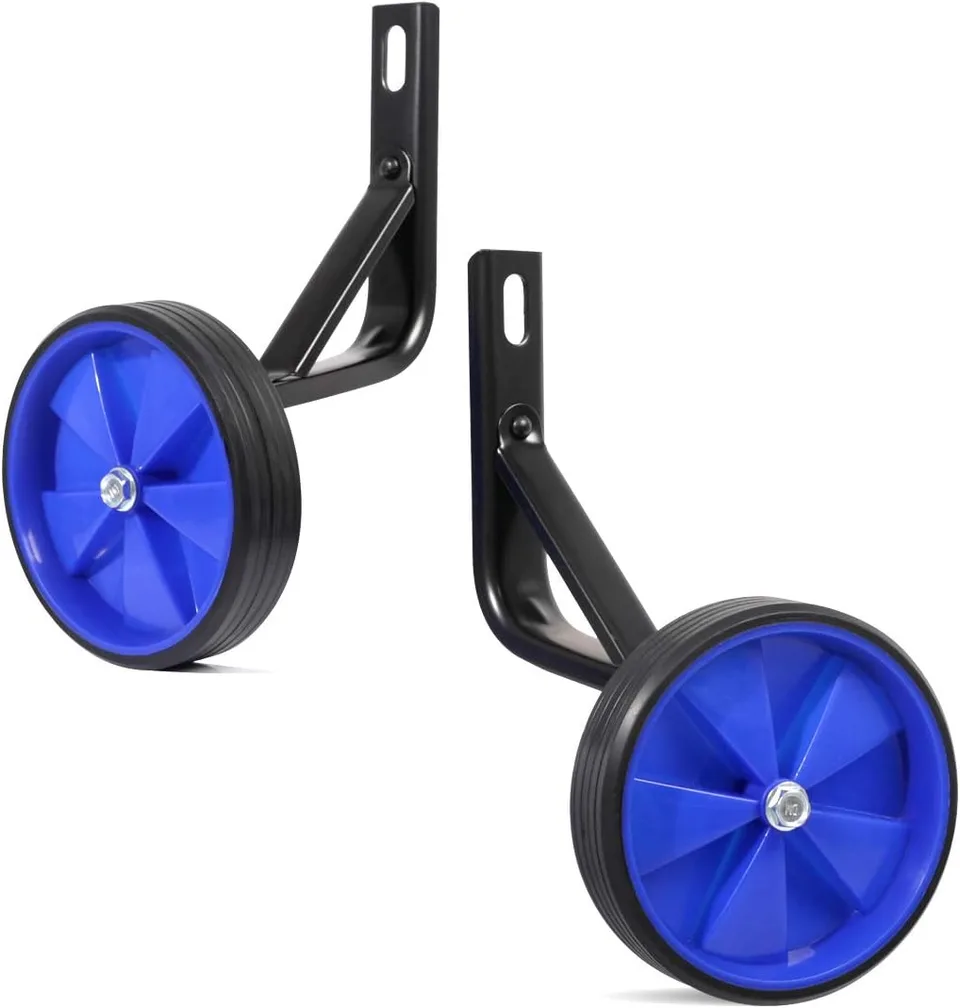
Joystar
Joystar DRBIKE 14" Training Wheels
Sized specifically for 14" kids bikes. Use only on a flat surface as wheels lower the bike's ground clearance.
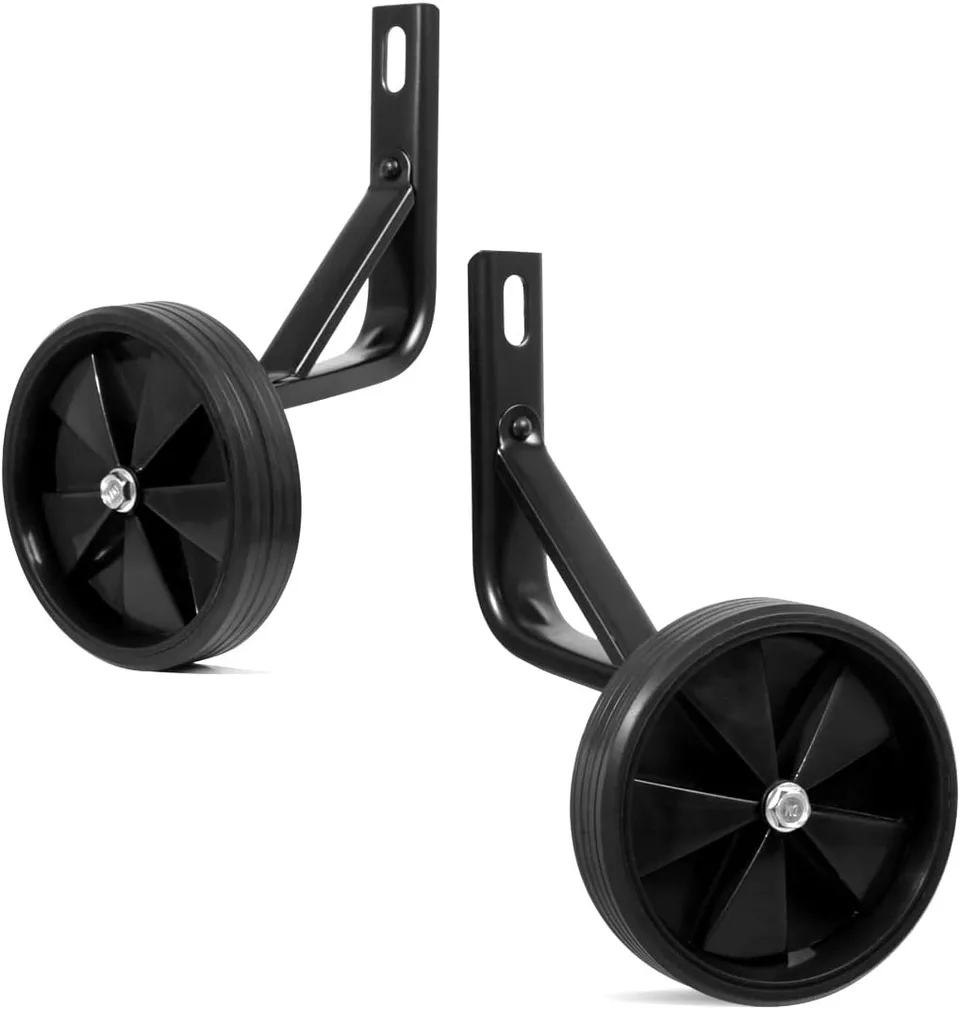
Joystar
Joystar DRBIKE 12" Heavy Duty Training Wheels
Heavy-duty version sized for 12" kids bikes - extra-stout brackets target rougher use and slightly heavier riders.
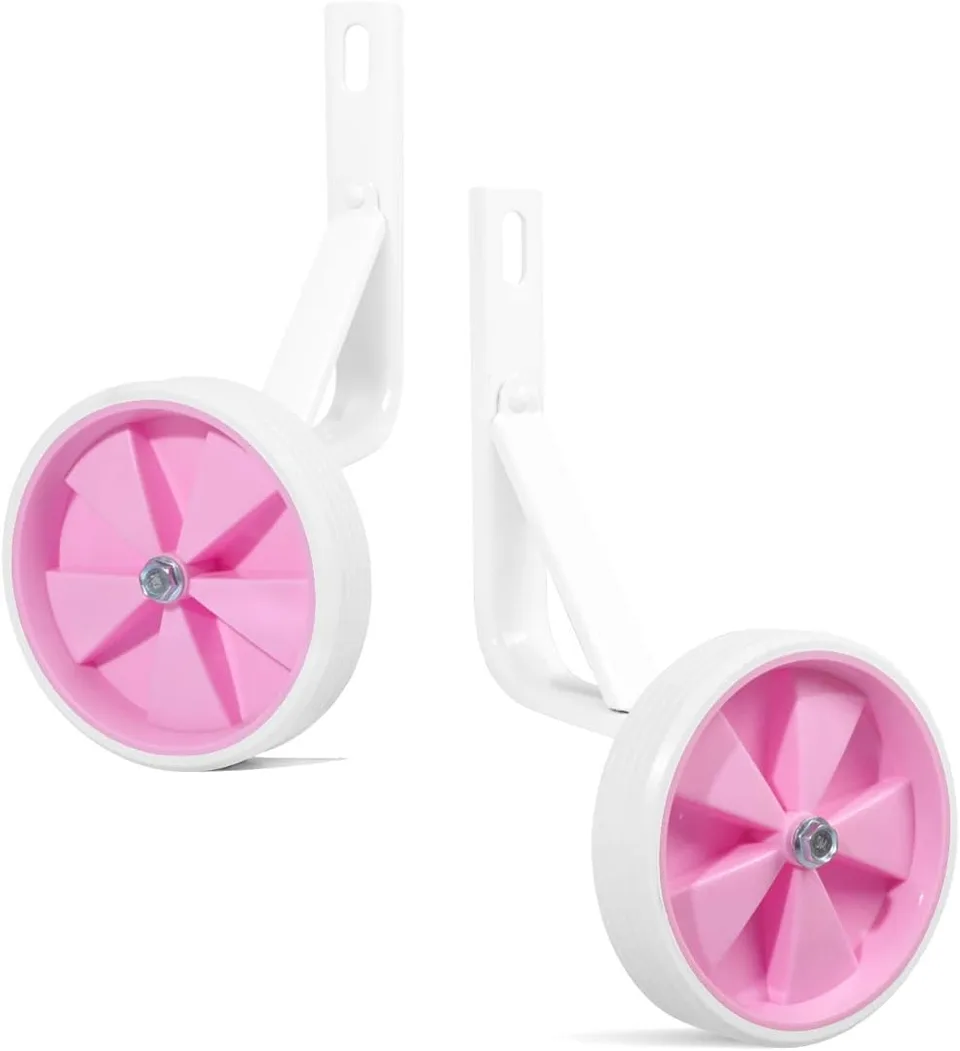
Joystar
Joystar DRBIKE 16" Training Wheels
Sized for 16" kids bikes. Verify your bike's rear axle bolt length leaves enough thread for the bracket.
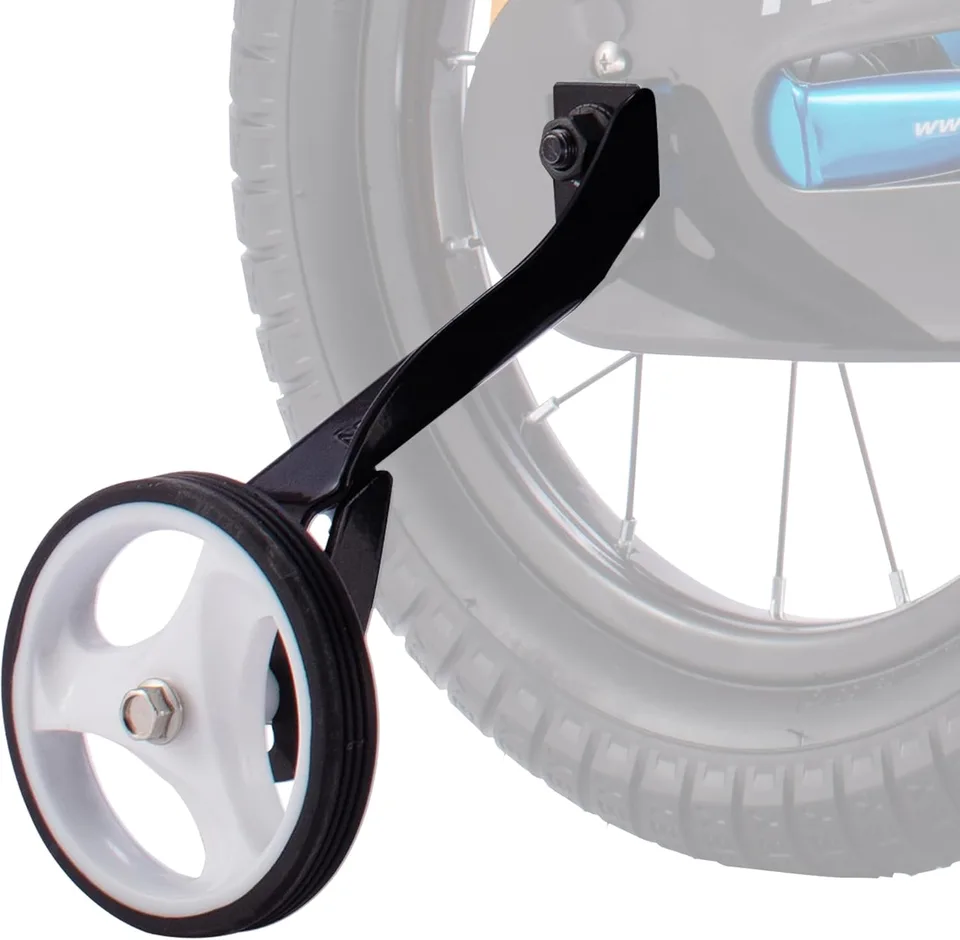
Royalbaby
RoyalBaby Training Wheels for 16/18 Inch Kids Bikes
Sized for 16" and 18" RoyalBaby (and most other) kids bikes. Adjustable height lets you gradually raise them as confidence grows.
As an Amazon Associate we earn from qualifying purchases. Purchases made through these links help support our free calculators.
What matters for 6 year olds
Six-year-olds are typically in the transition zone between 16" and 20" wheel bikes. Most average-height children this age still fit a 16" bike well, while taller 6-year-olds (over 118 cm) may be ready for an 18" or even a 20" bike. At this age, nearly all children should be riding without training wheels. Hand brakes should be introduced if they haven't been already - look for levers with adjustable reach that are sized for small hands. The saddle should allow your child to touch the ground with the balls of their feet, though not necessarily flat-footed. A single-speed drivetrain is still ideal for most 6-year-olds; gears add unnecessary complexity unless your child rides hilly terrain.
Training Wheels sizing guidance
Training wheels must match the rear wheel diameter of your child's bike - most kids bikes are 12, 14, 16, 18, or 20 inches. Measure across the tire if the size isn't printed on the sidewall. Most stabilisers bolt onto the rear axle (between the frame dropout and the axle nut) and use a long L-shaped bracket to position the wheel beside the tire. Set them about 1/2 inch (12 mm) above level ground at first so the bike still leans slightly - that lean is what teaches balance. As confidence grows, raise the brackets a hole at a time over a week or two until both wheels barely touch the ground, then remove. Most kids transition off training wheels by age 5-6 if they had a balance bike first, or age 6-8 starting from a pedal bike with stabilisers.
Most 6 year olds choosing training wheels also compare fenders & mudguards for 6 year olds, gloves for 6 year olds, and helmets for 6 year olds.
Expert tips
- If your 6-year-old is between 116 and 120 cm, a 20" bike is a solid investment that will last 2-3 years
- Introduce hand brakes now - this is the natural age to learn, and it prepares them for all future bikes
- A quality used bike from a brand like Trek, Specialized, or Woom holds its value well and outperforms new budget bikes
- Practice riding on bike paths and quiet streets to build road awareness and confidence