Best Bike Helmets 2026 - MIPS for Road, MTB & Kids
Last reviewed
The Giro Register MIPS II is a versatile adult option in this guide with MIPS, CPSC certification, and 20 vents; confirm fit and size using Giro's chart.
Quick picks at a glance
| Pick | Best for | What to check |
|---|---|---|
Giro Giro Register MIPS II Helmet - Matte White/Grey Universal Adult, 54-61 cm. $74.96 | Best all-around adult helmet | Catalog details list MIPS, CPSC certification, and 20 vents for the Giro Register MIPS II. |
Lazer Lazer Codax KinetiCore Bike Helmet One-size adult shell for 54-61 cm heads. It is a good first helmet if the rider wants easy dial adjustment and does not need a race-light road lid. $56.24 | Best simple adult fit range | The catalog lists a 54–61 cm fit range and Lazer's TurnSys fit system for the Codax KinetiCore. |
Kask Kask Protone Icon - White, Large S 50-54 cm, M 54-58 cm, L 58-62 cm $300.004.7 | Best premium road helmet option | Catalog details identify the Kask Protone Icon with a WG11 rotational-impact test protocol and Octo Fit retention system. |
Winners by use case
Giro Register MIPS II Helmet - Matte White/Grey
Catalog details list MIPS, CPSC certification, and 20 vents for the Giro Register MIPS II.
Check on AmazonLazer Codax KinetiCore Bike Helmet
The catalog lists a 54–61 cm fit range and Lazer's TurnSys fit system for the Codax KinetiCore.
Check on AmazonKask Protone Icon - White, Large
Catalog details identify the Kask Protone Icon with a WG11 rotational-impact test protocol and Octo Fit retention system.
Check on AmazonWhere each pick's evidence comes from
We aggregate published evidence — certifications, manufacturer specs, and named third-party tests. We do not run our own lab or ride tests; see "How these picks were chosen" below.
| Pick | Certification | Manufacturer spec | Third-party test | Our read |
|---|---|---|---|---|
| Giro Register MIPS II Helmet - Matte White/Grey | MIPS rotational-impact system; meets this guide's CPSC 1203 requirement (see "What the standards say" above) | ~160 g, 20 vents, MIPS, CPSC certified (Giro product spec) | — | A current Amazon listing for a CPSC-certified MIPS helmet; price and stock can change, so check the offer before ordering. |
| Smith Persist MIPS | MIPS; CPSC certified | ~170 g, 20 vents, Zip Mold construction with Koroyd (Aerocore) inserts (Smith product spec) | — | The Koroyd insert stacked on top of MIPS is a manufacturer-published construction detail, not an independent lab result - we have no verified third-party test on file for this pick. |
| Mongoose All Terrain Kids Bike Helmet (Ages 5-8) | Certification details were not returned in the current product listing; check the exact helmet label before buying | Ages 5-8, lightweight microshell, 10 air vents, adjustable fit, internal pads (Amazon product listing) | — | A value pick for ages 5-8; verify fit and certification on the exact helmet before riding. |
Synthesis of the published evidence above — not first-party testing.
Across this guide's picks, MIPS or an equivalent rotational-impact system (SPIN, Koroyd, Kask's WG11 shell) now appears on every non-budget helmet - manufacturers treat rotational protection as a baseline feature, not a premium add-on.
Independent, named lab testing is not something we have a verified source for on any pick in this guide. Certification evidence is not available for every offer here, so verify the exact model's label before buying; manufacturer specs are useful evidence but not independent performance data.
Fit hardware and head shape vary between helmets, even when they share similar safety features. Trying on different brands tells you more about comfort and retention than comparing spec sheets alone.
A bike helmet is the only piece of cycling gear that can change whether a crash is a story you tell at the bike shop or a hospital admission. Yet most riders pick one based on the photo on the box, not the standards on the inside of the shell.
This guide aggregates stored manufacturer specifications, CPSC/EN 1078 certification listings, retailer data, and named third-party evidence for what's currently on US shelves - which models carry MIPS or a Wavecel-style rotational system, and which ones cut features to hit a lower price point. We have not conducted hands-on or lab testing of any pick below; every claim traces to a manufacturer spec sheet, certification listing, or cited source.
In the US, look for a CPSC 1203 label; in Europe, look for EN 1078. Verify the certification on the exact helmet model and size before buying.
Our picks are based on current availability from major retailers, certification listings, fit features, retention systems, and the rider use case each helmet is best suited for.
How we chose these helmets
- Choose a helmet certified for the standards required where you ride and check the exact model's certification.
- Measure head circumference and compare it with the manufacturer's size range for that helmet model.
- Check retention adjustment and fit instructions so the helmet sits level and secure.
- Choose road, trail, commuter, or kids' coverage based on the riding use, not styling alone.
- Consider ventilation, visor, and rotational-impact features as model-specific details.
- Replace a helmet after a significant impact and follow the manufacturer's care and replacement guidance.
Picks are based on manufacturer specifications, applicable certifications, and published feedback. We do not claim hands-on testing unless it is explicitly described.
What to look for in helmets in 2026
- CPSC certification (US standard) or CE EN 1078 (Europe); verify on product label or helmet interior.
- MIPS (Multi-directional Impact Protection System) or equivalent tech reduces rotational forces - popular on road and MTB helmets; adds ~$20-50 premium.
- Fit priority: dial-fit or pinch-fit systems allow micro-adjustments; avoid generic chin straps alone.
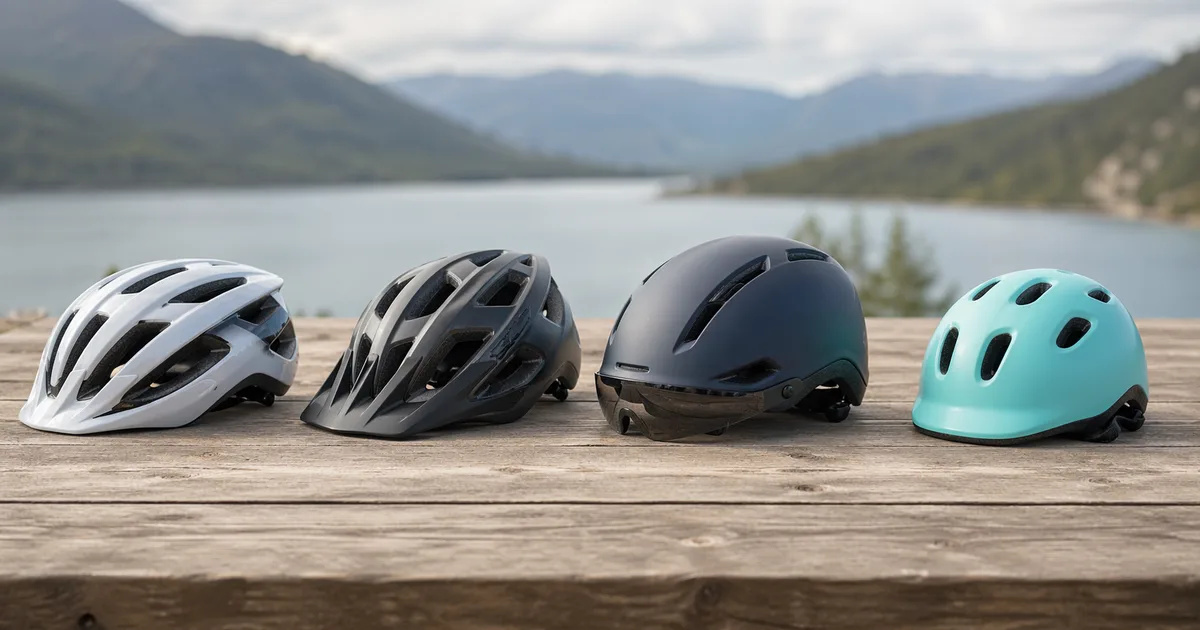
- Ventilation: road helmets (20+ vents), commuter (10-15), MTB (8-12); balance airflow vs. structural integrity.
- Weight: road (120-160 g), commuter (250-350 g), kids (200-250 g); heavier is often more durable, not necessarily safer.
Sizing & fit
Measure head circumference at the widest point across the forehead. Most brands size: XS (50-53 cm), S (53-56 cm), M (56-59 cm), L (59-62 cm), XL (62+ cm). Kids helmets typically start at 47-50 cm. Always try before buying; fit varies by brand.
Our top helmets picks for 2026
Check Amazon for current pricing and availability - we earn a small commission at no extra cost to you.
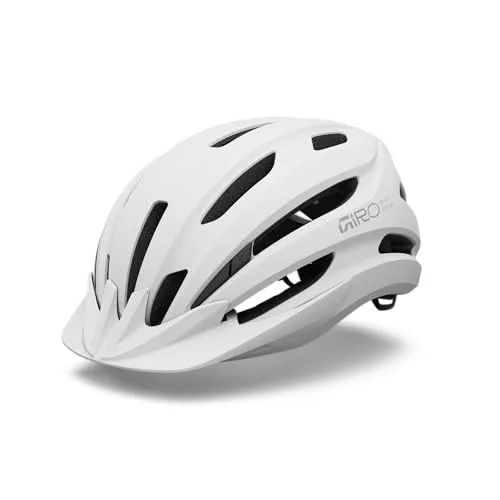
Giro
Giro Register MIPS II Helmet - Matte White/Grey
Universal Adult, 54-61 cm.
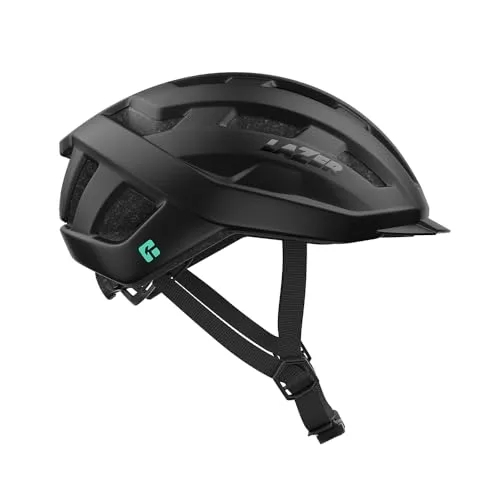
Lazer
Lazer Codax KinetiCore Bike Helmet
One-size adult shell for 54-61 cm heads. It is a good first helmet if the rider wants easy dial adjustment and does not need a race-light road lid.
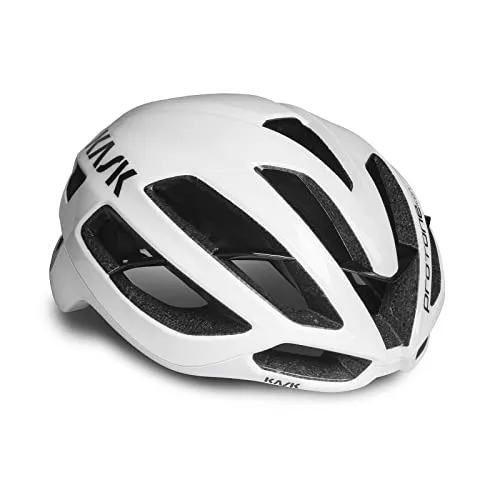
Kask
Kask Protone Icon - White, Large
S 50-54 cm, M 54-58 cm, L 58-62 cm
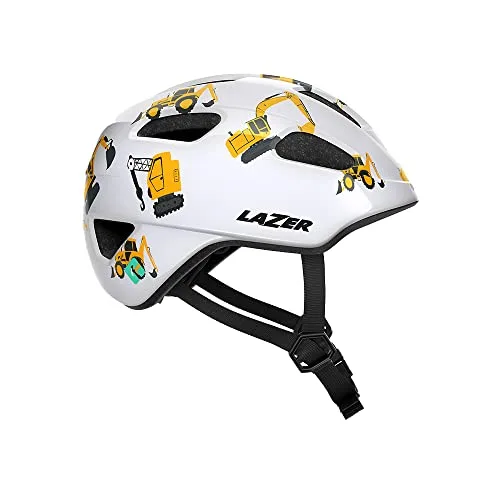
Lazer
Lazer Pnut 2.0 KinetiCore Kids Bike Helmet
Lazer Canada publishes this as a one-size kids helmet rather than a numeric head-circumference range. Measure the child first and try it on before relying on it for toddler fit.
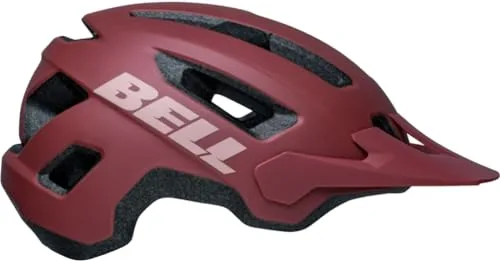
Bell
Bell Nomad 2 Jr. MIPS Youth Bike Helmet - Matte Pink (2022), Universal Youth (52-57 cm)
Universal Youth, 52-57 cm.
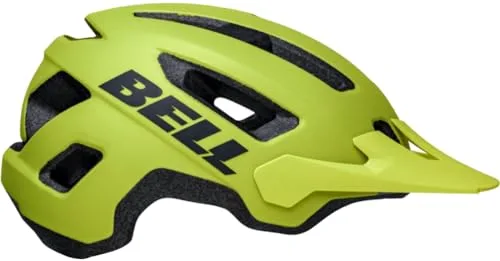
Bell
Bell Nomad 2 Jr. MIPS Youth Bike Helmet - Matte Hi-Viz (2022), Universal Youth (52-57 cm)
Universal Youth, 52-57 cm.
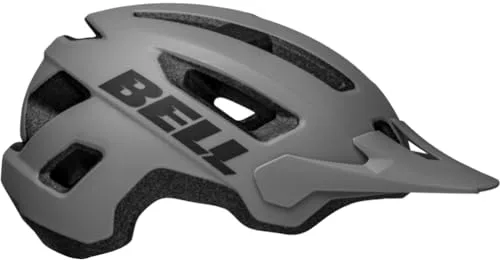
Bell
Bell Nomad 2 Jr. MIPS Youth Bike Helmet - Matte Gray (2022), Universal Youth (52-57 cm)
Universal Youth, 52-57 cm.
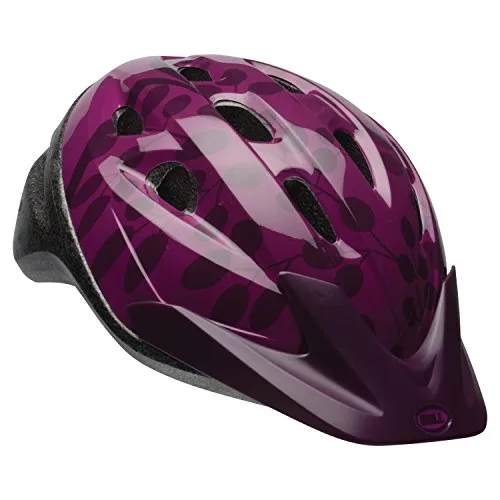
Bell
Bell Thalia Women's Bike Helmet - Wine
Listed fit is 54-58 cm. Best for adult riders in the middle of Bell universal sizing.
As an Amazon Associate we earn from qualifying purchases. Purchases made through these links help support our free calculators.
1. Giro Register MIPS II Helmet - Matte White/Grey
Best all-around road pick. The Register MIPS II combines MIPS rotational protection, CPSC certification, and 20 vents in an adult universal fit. Check current availability and sizing before ordering.
Check Giro Register MIPS II Helmet - Matte White/Grey on Amazon2. Lazer Codax KinetiCore Bike Helmet
Best simple adult Lazer pick. Codax KinetiCore covers 54-61 cm heads and uses Lazer's TurnSys fit system. It is the sensible one-size choice when fit range and price matter more than race weight.
Check Lazer Codax KinetiCore Bike Helmet on Amazon3. Kask Protone Icon - White, Large
The Kask Protone Icon uses Kask's WG11 rotational-impact test protocol and Octo Fit retention system. This offer is the white, large variant; check Kask's size chart before ordering.
Check Kask Protone Icon - White, Large on Amazon4. Lazer Pnut 2.0 KinetiCore Kids Bike Helmet
Best Lazer pick for younger kids who need a compact one-size helmet. Lazer Canada describes the Pnut 2.0 KinetiCore shell and fit system as one-size rather than publishing a numeric range, so measure first and try it on before assuming it fits a toddler.
Check Lazer Pnut 2.0 KinetiCore Kids Bike Helmet on Amazon5. Bell Nomad 2 Jr. MIPS Youth Bike Helmet - Matte Pink (2022), Universal Youth (52-57 cm)
MIPS Evolve · Universal Youth fit, 52-57 cm
Check Bell Nomad 2 Jr. MIPS Youth Bike Helmet - Matte Pink (2022), Universal Youth (52-57 cm) on Amazon6. Bell Nomad 2 Jr. MIPS Youth Bike Helmet - Matte Hi-Viz (2022), Universal Youth (52-57 cm)
MIPS Evolve · Universal Youth fit, 52-57 cm
Check Bell Nomad 2 Jr. MIPS Youth Bike Helmet - Matte Hi-Viz (2022), Universal Youth (52-57 cm) on Amazon7. Bell Nomad 2 Jr. MIPS Youth Bike Helmet - Matte Gray (2022), Universal Youth (52-57 cm)
MIPS Evolve · Universal Youth fit, 52-57 cm
Check Bell Nomad 2 Jr. MIPS Youth Bike Helmet - Matte Gray (2022), Universal Youth (52-57 cm) on Amazon8. Bell Thalia Women's Bike Helmet - Wine
Bell Thalia is an entry-level women's commuter pick, with an adjustable dial, integrated visor, and CPSC certification . It is not a MIPS helmet; check current alternatives if rotational-impact protection is a priority.
Check Bell Thalia Women's Bike Helmet - Wine on AmazonCommon mistakes to avoid
Buying for color before fit
A helmet that doesn't fit your head shape (oval vs round) protects less than one that does. Try at least two brands - Giro and Bell tend to fit round, POC and Kask tend to fit oval, Bontrager fits in between.
Treating MIPS as a bullet point
MIPS is genuinely useful for rotational impacts, but a well-fitted non-MIPS helmet outperforms a loose MIPS helmet. Get the fit right first, then prefer MIPS at the same price.
Keeping a helmet after a crash
A helmet can have impact damage that is not visible outside. Follow the manufacturer's post-impact instructions and use the helmet replacement and inspection guide to check damage, storage and age guidance. Do not treat one replacement interval as universal across brands.
Skipping the chin-strap test
A helmet should rest level on your forehead - two finger-widths above your eyebrows - and not slide forward or back when you nod. Straps should form a Y just below your ears.
The final word
Helmet fit is personal. Use the helmet-size calculator to find a starting size from head circumference, then check the exact model's chart and try it on. Confirm secure retention and the manufacturer's fit checks before riding.
Update log
- Added selection criteria, quick answer, and catalog-backed segmented winners after checking selected products against the in-repo category catalogs. This was not a full product-availability audit.
- Removed the unavailable Bell Nomad Amazon offer and the mismatched DRBIKE kids helmet recommendation; replaced the kids pick with an in-stock Mongoose All Terrain listing after checking its title, age range, fit features, and offer through CreatorAPI. Corrected helmet model descriptions that did not match their current listings.
- Rebuilt on the decision-first template: added a named quick-answer winner, four evidence-backed segmented winners (best overall, best trail/gravel, best premium road pick, best budget kids pick), an evidence-source table citing certification/manufacturer spec/third-party test per pick, and a "what we learned" synthesis section. No products were added to or removed from the existing picks list.
Helmets FAQs
Helmets head-to-head comparisons
Already narrowed to two contenders? See the detailed match-ups our editors put together for helmets.
Compare Bell Pint 48-52cm with Schwinn Classic Teddy Bear XS 44-50cm. Choose by measured head circumference, physical fit and certification.
A comparison of two adult recreational helmets with overlapping fit, but different listed features and price points.
Both are adult-use helmets with overlapping fit ranges; compare the listed features and exact offer details before buying.
Compare Giro Register MIPS II Helmet - Matte White/Grey and Kask Protone Icon - White, Large by their listed features, fit, and intended use.
Compare Giro Register MIPS II Helmet - Matte White/Grey and Lazer Codax KinetiCore Bike Helmet by their listed features, fit, and intended use.
Compare Kask Protone Icon - White, Large and Lazer Codax KinetiCore Bike Helmet by their listed features, fit, and intended use.
Two premium road helmets with different approaches to rotational-impact protection - Kask's WG11 protocol and the POC Omne Air MIPS. Compare their fit, retention, and current Amazon variants.
A compact Lazer kids helmet against a budget multisport helmet. Fit certainty and the child's actual head measurement matter more than the logo here.
See every helmets we recommend
The full category page lists every helmets pick with sizing notes, FAQs, and persona-specific guidance.
Related calculators & tools
Match head circumference to helmet sizes before you buy
Pick lens features that work with your helmet and route