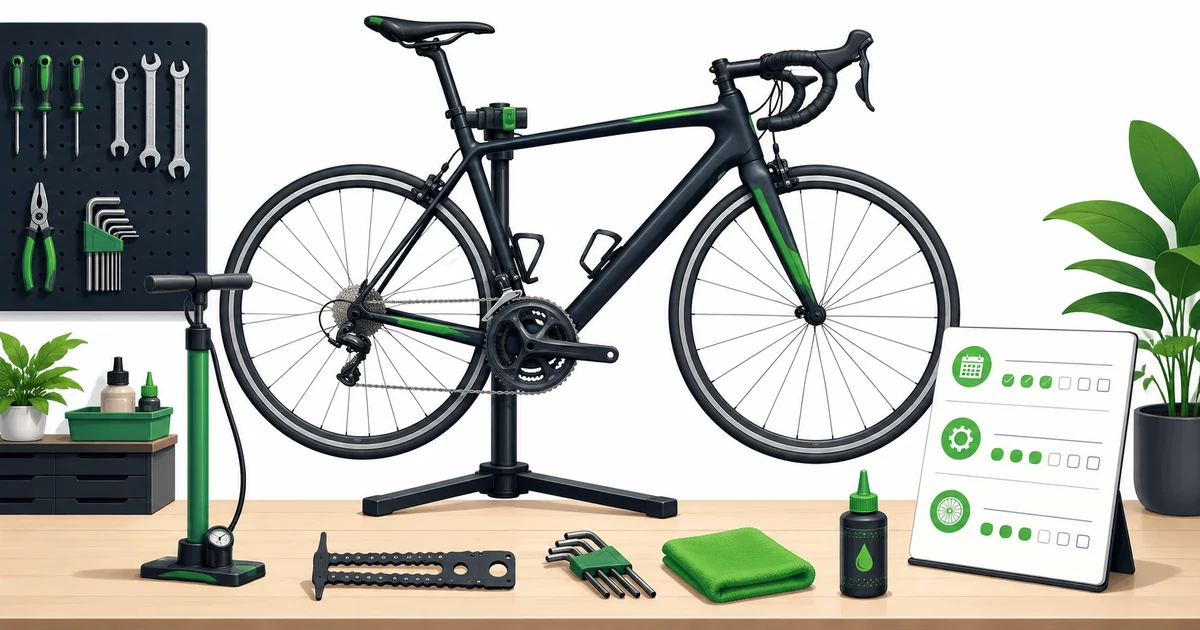
Bike Weight Estimator
Estimate your bike's total weight based on bike type, frame material, and component tier. See a detailed breakdown of what each part contributes.
Loading calculator…
How Bike Weight Affects Performance
Bike weight primarily affects climbing performance and acceleration. On a 7% gradient at 15 km/h, every extra kilogram costs a 75 kg rider approximately 4–5 watts. Over a 10 km climb, saving 1 kg can reduce your time by about 30–40 seconds. On flat terrain, aerodynamics dominates and weight differences are nearly irrelevant.
Rotating weight (wheels, tires, and rotors) has an outsized effect on how the bike feels when accelerating, because this mass must be both moved forward and spun up. That is why wheelset upgrades often feel disproportionately impactful compared to their actual weight savings.
Average Bike Weights by Type
| Bike Type | Lightweight | Mid-Range | Budget/Heavy |
|---|---|---|---|
| Road Race | 6.5–7.5 kg | 8–9 kg | 9.5–11 kg |
| Road Endurance | 8–9 kg | 9–10.5 kg | 10.5–12 kg |
| Gravel | 8–9 kg | 9–10.5 kg | 10.5–12 kg |
| MTB Trail | 12–13 kg | 13.5–15 kg | 15–17 kg |
| MTB XC | 9.5–10.5 kg | 11–12.5 kg | 12.5–14 kg |
| E-Bike | 18–20 kg | 21–24 kg | 24–28 kg |
Where to Save the Most Weight
High Impact Upgrades
- • Wheelset: saves 200–600g per upgrade tier
- • Frame: carbon vs aluminum saves 300–700g
- • Tires: lighter tires + tubeless saves 100–300g
- • Fork: carbon vs aluminum saves 200–400g
Lower Impact Upgrades
- • Saddle: 50–150g savings
- • Seatpost: 50–120g (carbon vs alloy)
- • Stem: 30–80g savings
- • Bar tape / grips: 20–50g
Frequently Asked Questions
Related Guides