Best Bike Tools 2026 - Multi-Tools, Wrenches & Repair Kits
Last reviewed
For tubeless punctures, the Dynaplug Carbon Racer is a compact plug tool with five listed plugs; make sure its repair system suits your tire and riding.
Quick picks at a glance
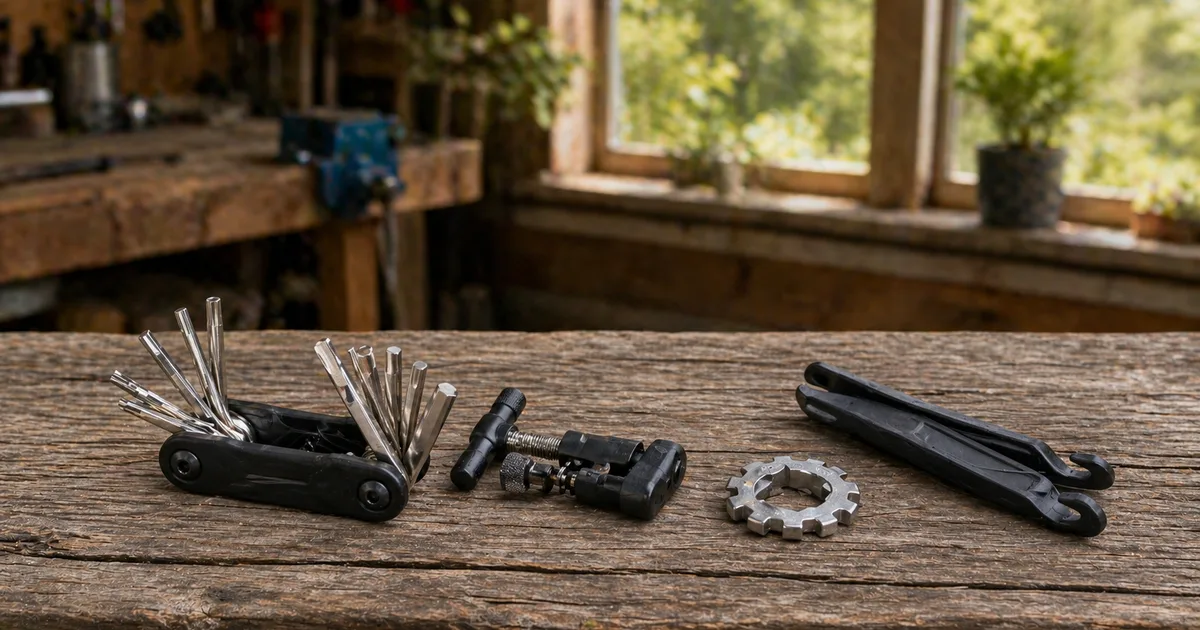
Winners by use case
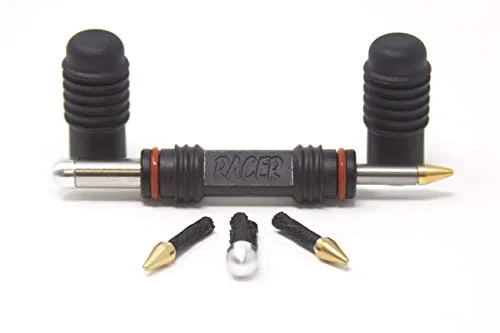
Dynaplug Carbon Racer Tubeless Repair Tool
Catalog specifications list a 14 g Carbon Racer tool with five plugs and a hardened stainless-steel insertion tube.
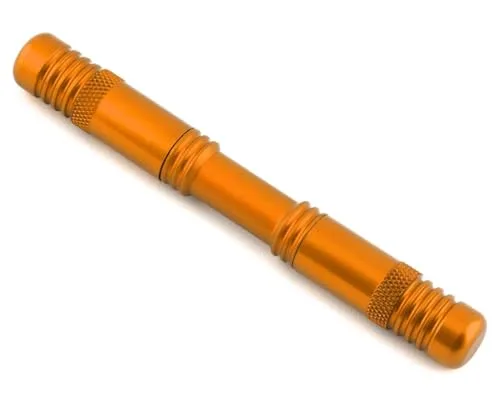
Check on AmazonDynaplug Racer Pro Bicycle Tire Repair Tool
The catalog lists the Dynaplug Racer Pro at 26 g loaded with four preloaded plugs and twin-tube storage.
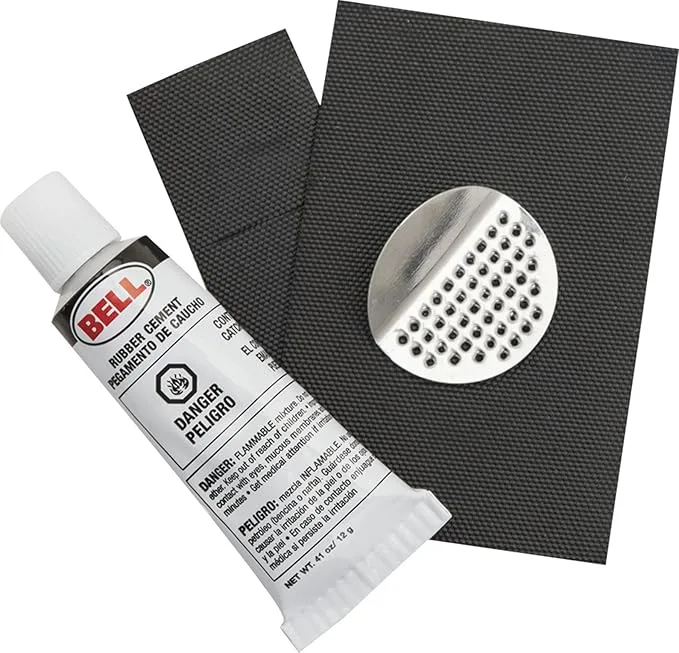
Check on AmazonBell Patch-It Tube Repair Kit
The catalog lists a Bell Patch-It kit with rubber cement, four patches, and a metal buffer.
Check on AmazonA bike tool earns its keep the day it gets you home. Most riders end up with the opposite: a 25-function multi-tool stuffed in a jersey pocket that can't break a chain when it matters, plus a drawer of bits they've never used. Meanwhile the two or three tools that would actually fix the common roadside failures - a snapped chain, a brake rub from a tweaked rotor, a slowly loosening seatpost - never make it into the saddle bag.
Park Tool's BBB-3 Big Blue Book of Bicycle Repair and IB-3 I-Beam multi-tool are the de facto reference for every shop wrench in the US - when picking a tool, ask whether it does the same job as the BBB-3 chapter that covers it.
The picks below cover three duty cycles. First, a pocket-able multi-tool that lives in your saddle bag for the next 200 rides. Then a dedicated chain tool, which earns its weight the one time you need it. Finally a torque wrench: every carbon stem and bar on the market today ships with a stamped Nm spec, and damaging a carbon component by feel is the most expensive way to find out what 8 Nm feels like.
How we chose these tools
- Start from the repair or adjustment you actually need to perform, not the size of a tool kit.
- Check tool compatibility with your tires, valves, fasteners, and bike-specific components.
- For trail tools, weigh portability and mounting method against the repair capacity provided.
- Compare the listed materials and included consumables, such as plugs, patches, or levers.
- Verify tool dimensions and bit or nipple standards before relying on them for a repair.
- Carry only tools you know how to use, and practice non-emergency repairs at home.
Picks are based on manufacturer specifications, applicable certifications, and published feedback. We do not claim hands-on testing unless it is explicitly described.
What to look for in tools in 2026
- Function count vs weight: a 12-function multi-tool covers 95% of roadside fixes at half the weight of a 25-function showpiece. More functions ≠ more useful.
- Included chain tool vs separate: integrated chain tools save weight but rarely match a dedicated tool for stiff or stuck pins. Carry the integrated one for emergencies; keep a real chain tool (Park CT-3.3, Pedro's Apprentice) on the workbench.
- Hex range: minimum 2, 2.5, 3, 4, 5, 6, 8 mm plus Torx T25 (disc rotors, some chainring bolts). T30 is a bonus for SRAM/Avid calipers. Skip tools that stop at 6 mm - you'll be stuck on bottom-bracket and stem-base bolts.
- Torque accuracy: ±4% click-type wrenches in the 2-14 Nm range are the carbon-safe standard. Beam-type and pre-set torque keys (e.g. Ritchey 5 Nm) work for fixed-spec bolts but lack range.
- Build quality and steel grade: Cr-V (chrome-vanadium) or S2 tool steel for hex/Torx bits, hardened-steel chain-tool pins. Cheap zinc-alloy bits round off in months.
- Ride-replaceable spares: tools are only useful with the consumables they drive - quick links (SRAM PowerLock or KMC MissingLink), spare tubes or a plug kit, a derailleur hanger that matches your frame, and a few zip-ties. Pack them with the tool, not separately.
Sizing & fit
Bike tools don't size to riders, but they do size to the job. A ride-along multi-tool needs to live in a saddle bag or jersey pocket - look for 8-15 functions, sub-150 g, with a hex range of 2-8 mm plus Torx T25 (the standard for modern disc-brake rotor bolts). A home workshop kit can be heavier and more specialised: a dedicated chain tool, a 14/15 G spoke wrench (3.23 mm / 3.45 mm nipples are the two common sizes), a pedal wrench (15 mm flats and a long handle), and crucially a click-type torque wrench in the 2-14 Nm range for any carbon component. Carbon stems, handlebars, and seatposts have stamped torque specs (typically 4-6 Nm) and over-torquing crushes the carbon - eyeballing it isn't an option.
Our top tools picks for 2026
Check Amazon for current pricing and availability - we earn a small commission at no extra cost to you.
Dynaplug
Dynaplug Carbon Racer Tubeless Repair Tool
Best for road and smoother gravel tubeless setups where a tiny plug tool can live under a bottle cage. Dynaplug warns the holder can dislodge on rugged trails, so MTB riders should pocket it or store it in a bag.
Dynaplug
Dynaplug Racer Pro Bicycle Tire Repair Tool
Pick Racer Pro if you want more loaded plugs and a metal body. It is still pocket-small but feels more like a long-term tool than an emergency-only spare.
Bell
Bell Patch-It Tube Repair Kit
Carry with tire levers and a pump; works best for repairable tube punctures.
Bell
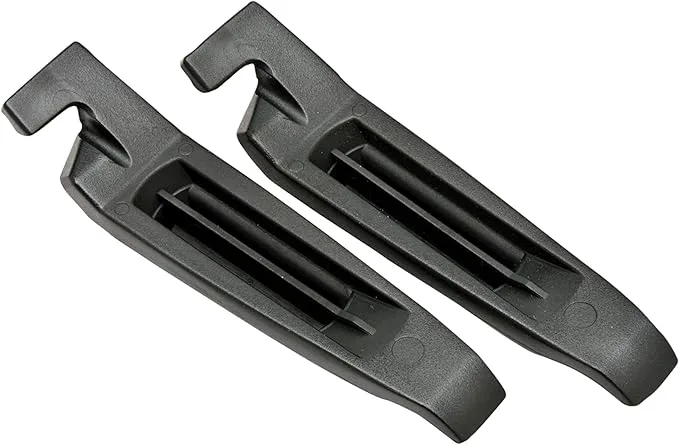
Bell Persuader 200 Tire Levers
Pair with a spare tube or patch kit; useful for most clincher tire setups.
Diamondback
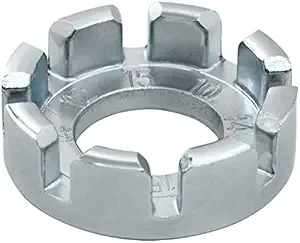
Diamondback Forged Round Spoke Wrench
Multi-size spoke wrench for tweaking wheel trueness - match the slot to your nipple size to avoid rounding.
Park Tool
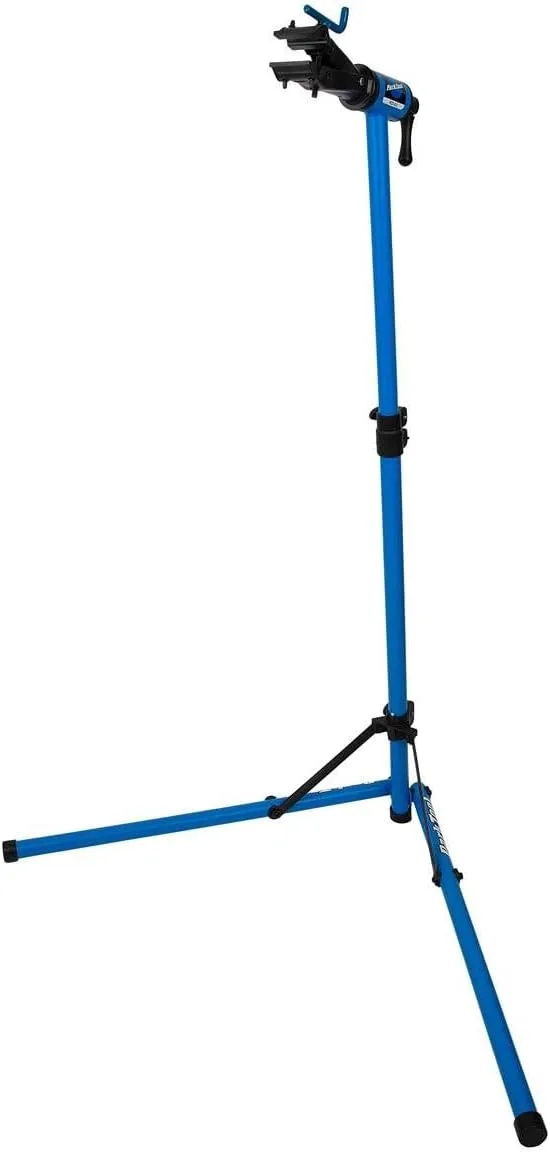
Park Tool PCS-9.3 Home Mechanic Repair Stand
Designed for home use - bench-friendly footprint and folds flat. Clamps any standard round seatpost or top tube. Not as tall as the PCS-10.3 (height adjusts up to ~57" vs 60").
Park Tool
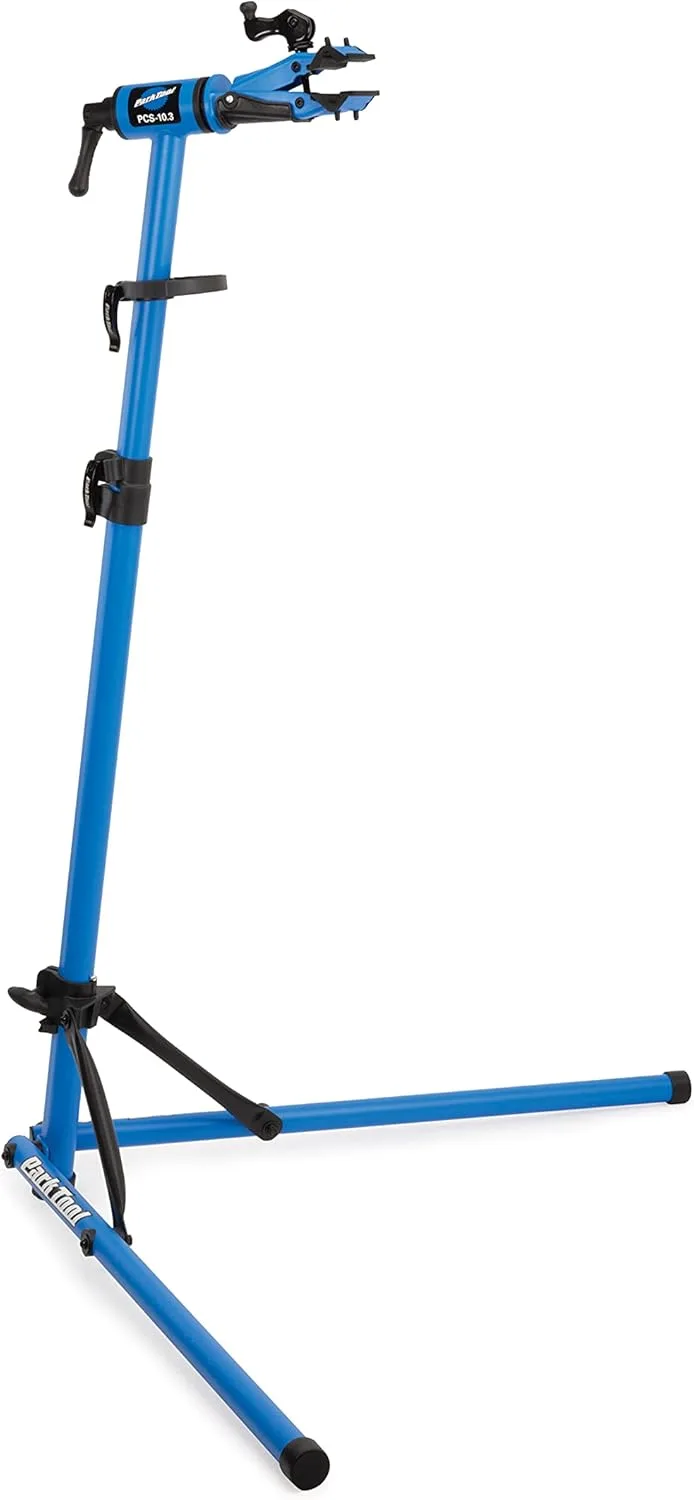
Park Tool PCS-10.3 Deluxe Home Mechanic Repair Stand
The deluxe big brother to the PCS-9.3 - wider clamping range, taller maximum height, and micro-adjustable cam. A better pick for tall riders who want bottom-bracket-height clamping or anyone working on aero/oval seatposts.
Park Tool
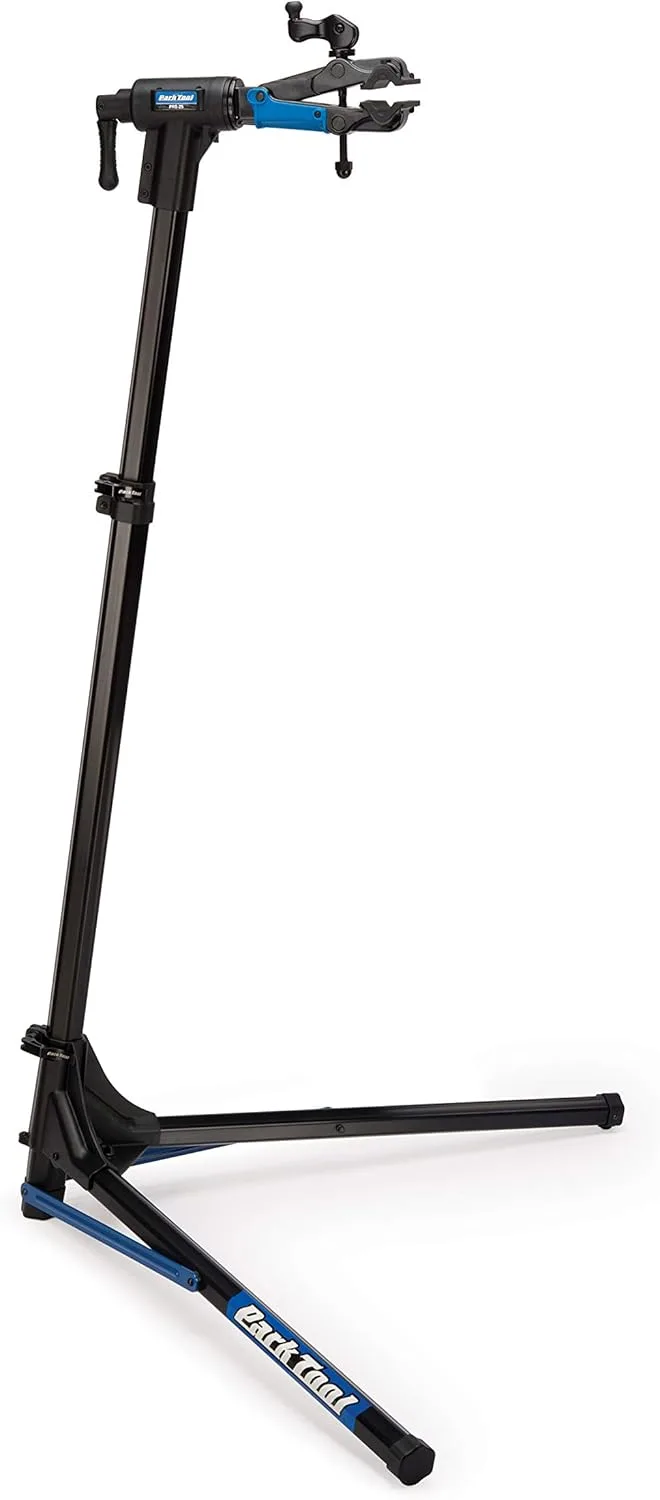
Park Tool PRS-25 Team Issue Portable Repair Stand
Pro-grade portable stand used by World Tour service crews. Significantly more stable than budget portable stands but pricier than the home-mechanic PCS series. Best for travel, race-day, and event mechanics.
As an Amazon Associate we earn from qualifying purchases. Purchases made through these links help support our free calculators.
1. Dynaplug Carbon Racer Tubeless Repair Tool
Best ultralight tubeless plug tool for road and smoother gravel bikes. Dynaplug lists a 14 g Carbon Racer body, a 10 g bottle-cage holder, and five included plugs, but it also warns that brush or debris can knock the holder loose on rugged trails. MTB riders should carry it in a pocket or bag.
Check Dynaplug Carbon Racer Tubeless Repair Tool on Amazon2. Dynaplug Racer Pro Bicycle Tire Repair Tool
Best higher-capacity tubeless plug tool. Racer Pro is still tiny at 26 g loaded, but the aluminum Twin Tube body carries four preloaded plugs. Pick it when repair capacity and durability matter more than saving the last few grams.
Check Dynaplug Racer Pro Bicycle Tire Repair Tool on Amazon3. Bell Patch-It Tube Repair Kit
Bell Patch-It Kit is the saddlebag patch kit - vulcanizing patches (the kind that actually bond permanently), sandpaper square, glue, and a hard plastic case that survives years bouncing around a seat bag. The patches outlast self-adhesive Park Tool GP-2s in heat.
Check Bell Patch-It Tube Repair Kit on Amazon4. Bell Persuader 200 Tire Levers
Bell Persuader 200 is the budget tire lever set - three plastic levers with notches that hook into spokes so you can pry a stiff bead one section at a time. Same form factor as the Pedro's levers everyone recommends, at half the price.
Check Bell Persuader 200 Tire Levers on Amazon5. Diamondback Forged Round Spoke Wrench
One forged wrench, five nipple sizes. The Diamondback Forged Round Spoke Wrench covers nipple sizes 10-15 - the range that fits most stock OEM wheels, nearly every kids bike, and older deep-section road builds. Forged wrenches outlast stamped ones by a decade because the slot edges don't deform under load. Match the slot to your nipple before you turn - the wrong size will round the flats faster than any tool can save them.
Check Diamondback Forged Round Spoke Wrench on Amazon6. Park Tool PCS-9.3 Home Mechanic Repair Stand
All-steel construction with teardrop-shaped tubing for rigidity · Cam-actuated 100-3D clamp fits 1" to 2.4" round and aero seatposts and frame tubes · Adjustable clamping height up to about 57" · Folding tripod base for easy storage · Holds bikes up to 80 lb (36 kg)
Check Park Tool PCS-9.3 Home Mechanic Repair Stand on Amazon7. Park Tool PCS-10.3 Deluxe Home Mechanic Repair Stand
Micro-adjustable cam-actuated 100-5D clamp for 1" to 3" tubing · Telescoping center post adjusts up to 60" clamping height · Tool tray accessory (sold separately) mounts to base · Holds bikes up to 80 lb (36 kg) · Folds for transport and storage
Check Park Tool PCS-10.3 Deluxe Home Mechanic Repair Stand on Amazon8. Park Tool PRS-25 Team Issue Portable Repair Stand
Hexatude hex-shaped aluminum tubing resists flex and rotation · Folds to about 47" for transport · Clamping height adjusts up to 60" · Aluminum leg straps keep all parts unfolding together · Just 13 lb (6 kg) - race-team portable
Check Park Tool PRS-25 Team Issue Portable Repair Stand on AmazonCommon mistakes to avoid
Skipping the torque wrench on carbon parts
Carbon stems, handlebars, and seatposts have stamped torque specs - usually 4-6 Nm. Over-torque by feel and you crush the layup; under-torque and the bar slips mid-descent. A 2-14 Nm click-type wrench costs less than one carbon bar and prevents both failure modes. There is no rider strong-enough-by-hand to substitute for it.
Trusting the integrated chain tool for non-emergencies
A compact chain tool can be useful away from home, but check that it supports your chain. For at-home chain replacements, a compatible workshop tool provides more room to work. Follow the chain maker's joining instructions and use the specified connecting part.
Buying a multi-tool with no Torx T25
Disc-brake rotor bolts, most modern chainring bolts, and many SRAM components use T25 (and increasingly T30). A multi-tool that stops at hex sizes is a multi-tool that can't tighten a wobbling rotor - the most common roadside emergency on a disc-equipped bike.
Ignoring the ride-replaceable spares
Pack compatible spares as well as tools: a spare tube or suitable tubeless repair kit, a pump and any chain joining part your chain permits. Practice repairing a flat tire at home so you know how to use what you carry.
Storing bike tools in a damp shed
Cr-V and S2 tool steel rust. A garage that frosts overnight will pit hex bits in a winter. Keep the workshop kit indoors or in a sealed toolbox with a small desiccant pack; wipe the multi-tool dry after wet rides before it goes back in the saddle bag.
The final word
A good tool kit is built in layers: a multi-tool on the bike, a torque wrench on the bench, and compatible spares that ride with you. Compare the current bike tools against the fasteners and repairs on your own bike, then add specialty tools one bench session at a time as your mechanical confidence grows.
Update log
- Added selection criteria, quick answer, and catalog-backed segmented winners after checking selected products against the in-repo category catalogs. This was not a full product-availability audit.
Tools FAQs
Tools head-to-head comparisons
Already narrowed to two contenders? See the detailed match-ups our editors put together for tools.
See every tools we recommend
The full category page lists every tools pick with sizing notes, FAQs, and persona-specific guidance.
Related calculators & tools
Inseam-based saddle height
Stem length from reach and torso fit
Bar width from shoulder measurement