Rider-matched picks
Brake Pads for commuters
Size-matched brake pads picks for commuters, with fit and feature priorities curated for how commuters actually ride.
What matters for commuters
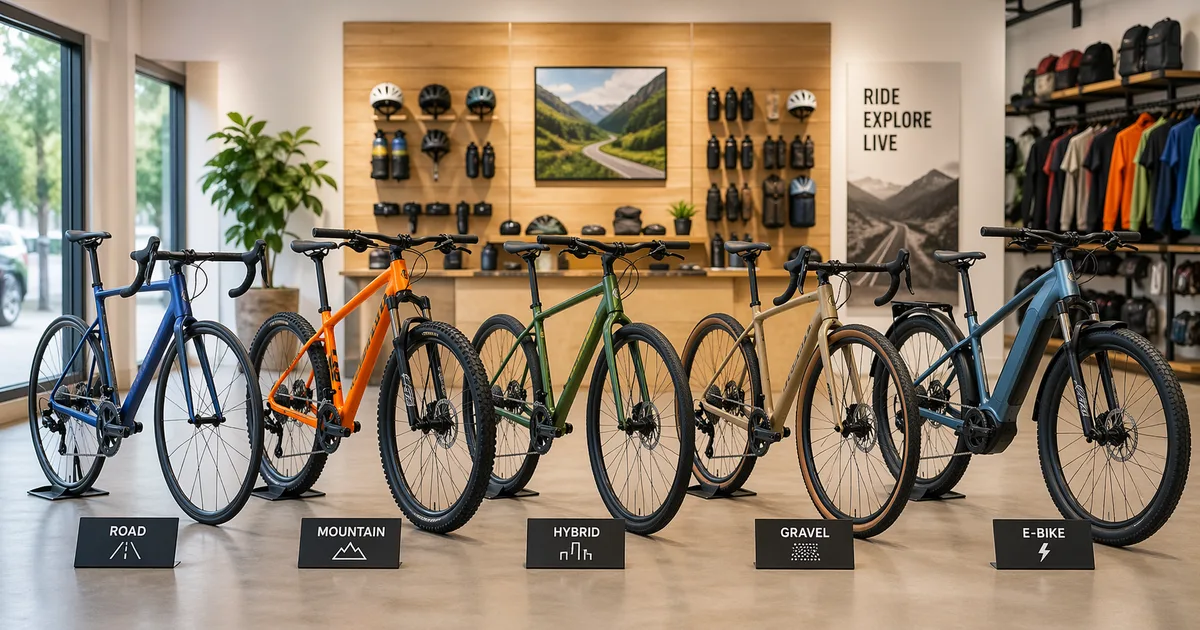
Commuter bikes prioritize an upright position for better visibility in traffic and comfort during stop-and-go riding. Look for flat or riser handlebars that keep your eyes at car-window height, relaxed geometry with shorter reach (15-25mm less than a comparable road bike), and the ability to easily put a foot down at traffic lights without dismounting. Size for comfort and control rather than aerodynamic efficiency - you're not racing, you're getting somewhere safely. Consider slightly wider tires (35-42mm) for pothole absorption and wet-weather grip. If carrying panniers or a backpack, test the bike loaded - added weight changes handling. E-bike commuters should pay extra attention to standover height since the bike is heavier to maneuver at stops. A frame with clearance for full fenders (minimum 10mm between tire and frame) is essential for year-round commuting.
Brake Pads sizing guidance
Brake pads fit the brake, not the rider. Start by identifying the brake type: disc, V-brake, cantilever, road caliper, or hydraulic rim. Disc pads must match the exact caliper pad shape; Shimano, SRAM, Magura, Tektro, and Hope all use several shapes that look close but do not interchange. Rim pads must match the holder: threaded post for V-brake and cantilever systems, cartridge inserts for most road calipers, and the correct pad compound for aluminium or carbon rims. If the old pad has a printed code, use that first. If not, match the caliper model, backing-plate outline, retaining pin, and spring shape before buying. After installation, bed new disc pads into the rotor with repeated firm stops so they bite cleanly and do not glaze.
Most commuters choosing brake pads also compare bags & panniers for commuters, baskets for commuters, and bells & horns for commuters.
Expert tips
- Upright position improves visibility in traffic-you can see and be seen better
- Internal gear hubs and belt drives reduce maintenance for daily riding
- Disc brakes are essential for reliable stopping in all weather conditions
- Choose tires 32mm or wider for comfort on rough city streets and crack resistance