Rider-matched picks
Brake Pads for e-bike riders
Size-matched brake pads picks for e-bike riders, with fit and feature priorities curated for how e-bike riders actually ride.
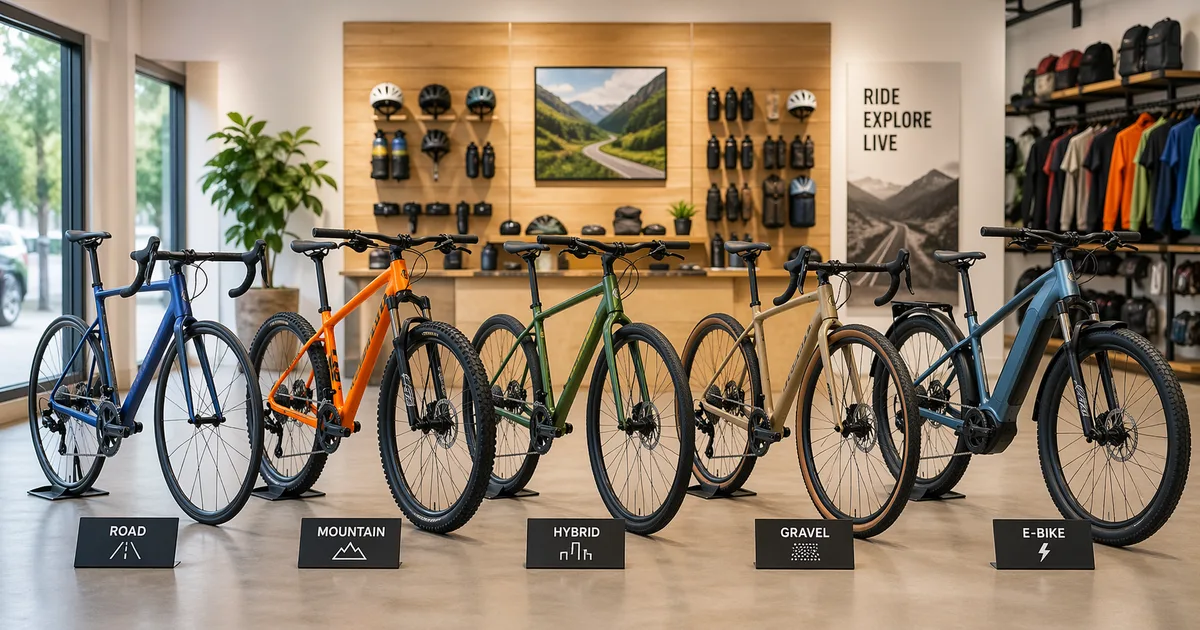
What matters for e-bike riders
E-bikes weigh 20-30 kg compared to 8-12 kg for acoustic bikes, which fundamentally changes how sizing affects handling. The extra weight actually improves stability at speed but makes low-speed maneuvering and stopping more critical - ensure you can confidently put both feet flat on the ground when stopping, especially if you're new to cycling. Step-through frames are strongly recommended for riders with any flexibility limitations, as swinging a leg over a heavy e-bike is significantly harder than a standard bicycle. Mid-drive motors (Bosch, Shimano, Brose) center weight low near the bottom bracket, providing better balance than hub motors which place weight in the wheel. Battery placement (downtube integrated vs rear rack) also affects weight distribution - integrated downtube batteries provide the most natural handling. When sizing, use the same frame size you'd ride on an acoustic bike of the same type - e-road bikes size like road bikes, e-MTBs size like mountain bikes. The motor assist actually makes sizing slightly more forgiving, as you're less reliant on optimal pedaling efficiency.
Brake Pads sizing guidance
Brake pads fit the brake, not the rider. Start by identifying the brake type: disc, V-brake, cantilever, road caliper, or hydraulic rim. Disc pads must match the exact caliper pad shape; Shimano, SRAM, Magura, Tektro, and Hope all use several shapes that look close but do not interchange. Rim pads must match the holder: threaded post for V-brake and cantilever systems, cartridge inserts for most road calipers, and the correct pad compound for aluminium or carbon rims. If the old pad has a printed code, use that first. If not, match the caliper model, backing-plate outline, retaining pin, and spring shape before buying. After installation, bed new disc pads into the rotor with repeated firm stops so they bite cleanly and do not glaze.
Most e-bike riders choosing brake pads also compare bags & panniers for e-bike riders, baskets for e-bike riders, and bells & horns for e-bike riders.
Expert tips
- Size your e-bike the same as you would the acoustic version - a Trek Rail sizes like a Trek Fuel EX
- Step-through frames aren't just for seniors - they're practical for anyone who stops frequently in traffic
- Mid-drive motors (Bosch, Shimano, Specialized) provide the most natural pedal feel and better hill climbing
- Test ride with the battery fully charged AND nearly empty - the bike handles differently with 3-4 kg less weight