Kids · Boys'
Boys' Gloves for 3 year olds
Size-matched gloves for 3 year olds, with color and style notes typically preferred by boys in this age range. Fit remains the priority - pattern and color second.
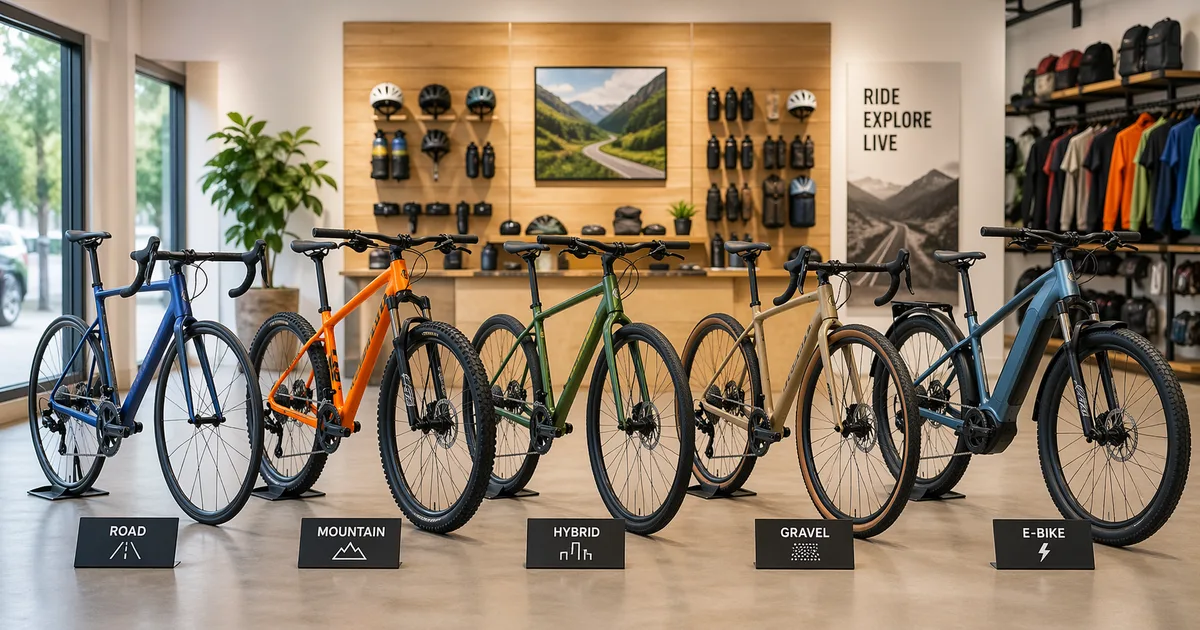
Gloves picks for 3 year olds
Check Amazon for current pricing and availability.
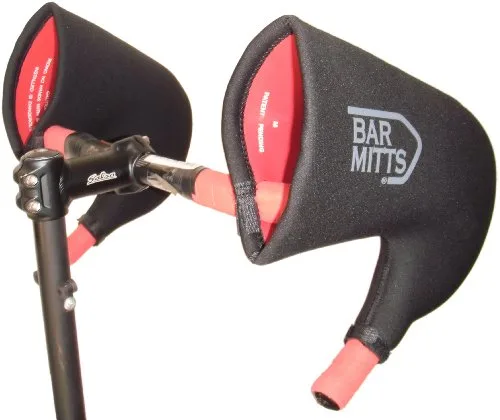
Bar Mitts
Bar Mitts Cold Weather Road Bicycle Handlebar Mittens fits Campy/SRAM/Shimano Shifters with Internally Routed Cables, Large, Black
This Amazon offer is the Large, black variant for internally routed drop-bar controls. Check the manufacturer's fit guidance before ordering; externally routed older shifters need a different Bar Mitts model.
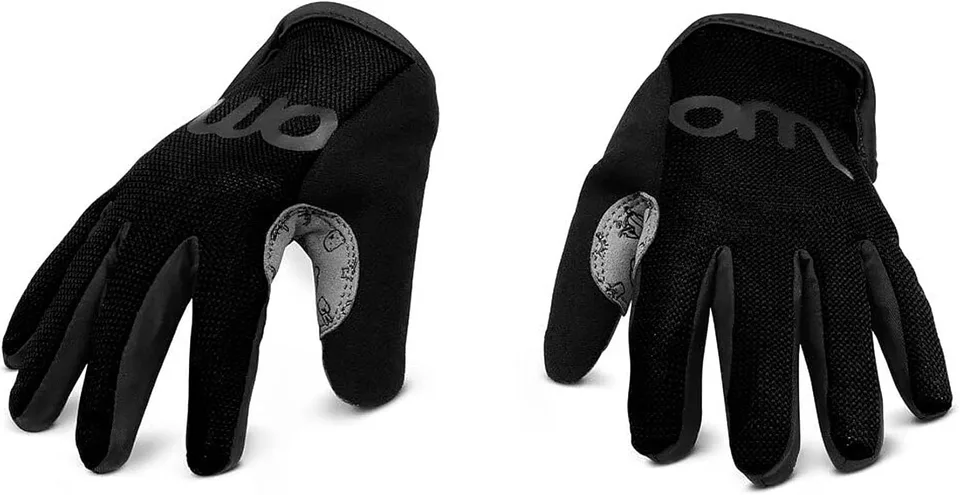
Woom
Woom TENS Bike Gloves (Kids)
Sized XS-XL by hand circumference. Multiple colorways available on the parent listing.
As an Amazon Associate we earn from qualifying purchases. Purchases made through these links help support our free calculators.
What matters for 3 year olds
Three-year-olds are typically the right age to start on a balance bike or a 12-inch pedal bike with training wheels. At this stage, comfort and confidence matter far more than anything else. Your child should be able to sit on the saddle and place both feet flat on the ground. A balance bike is often the best first choice because it teaches steering and balance naturally, making the transition to pedaling much easier later. If you go with a pedal bike, choose one with training wheels and a coaster brake - hand brakes are too difficult for most 3-year-olds. Keep the bike as light as possible; a 3-year-old weighing around 14 kg should not ride a bike heavier than about 5 kg. Heavy bikes are tiring and discouraging.
Gloves sizing guidance
Measure hand circumference at the widest point across your palm, just below the knuckles, with the tape snug but not compressing the hand. Exclude the thumb. Most brands size: XS 6-7", S 7-7.5", M 7.5-8", L 8-9", XL 9-10". Italian brands (Castelli, Sportful) often run a half-size small; US brands (Giro, Pearl Izumi) size true. Kids gloves are usually sold by age band - XS (3-5 yrs), S (5-7), M (7-10), L (10-13) - but always cross-check against the brand's circumference chart because hand size varies more than age does.
Most 3 year olds choosing gloves also compare child seats for 3 year olds, fenders & mudguards for 3 year olds, and helmets for 3 year olds.
Expert tips
- A balance bike at age 3 often means your child skips training wheels entirely and pedals independently by age 4 or 5
- Start on flat grass or a smooth paved path - avoid gravel or rough surfaces that make balancing harder
- Let your child push the bike around and straddle it before expecting them to ride - familiarity builds confidence
- Wear a properly fitted helmet from day one to build a lifelong habit