Rider-matched picks
Hydration for competitive cyclists
Size-matched hydration picks for competitive cyclists, with fit and feature priorities curated for how competitive cyclists actually ride.
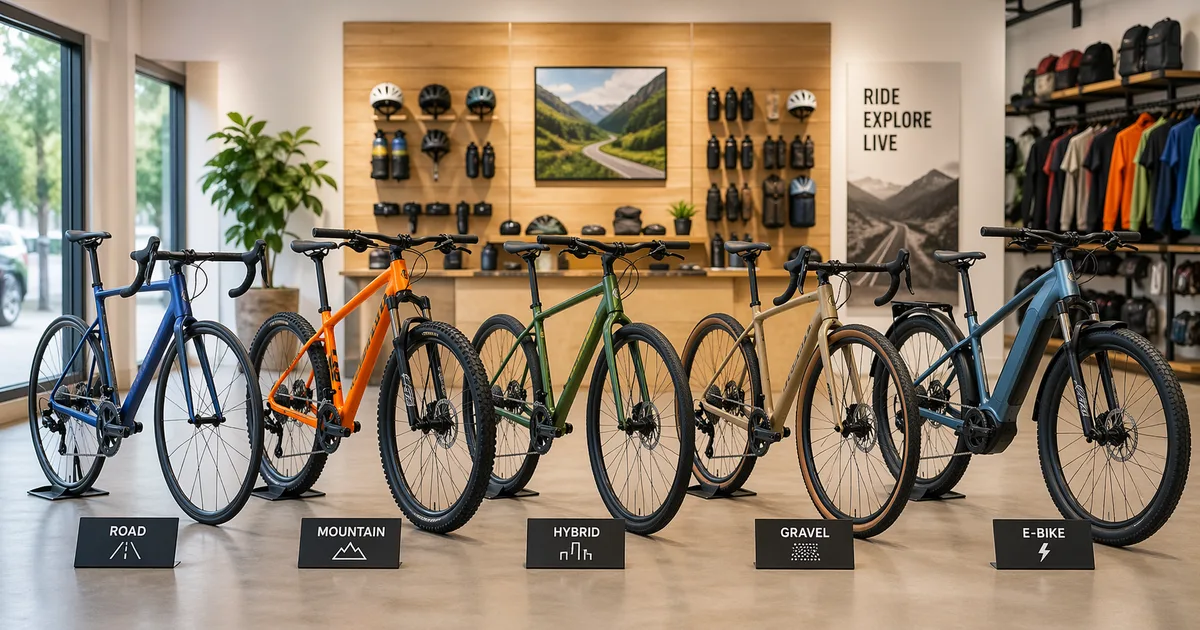
Hydration picks for competitive cyclists
Check Amazon for current pricing and availability.
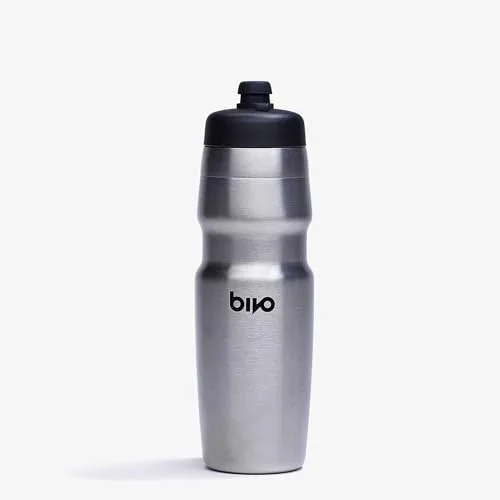
Bivo
Bivo Duo 25 oz Stainless Bottle
Fits most major cages, but the 77 mm maximum diameter is a touch larger than a standard plastic bottle. Check tight side-load cages on very small frames.
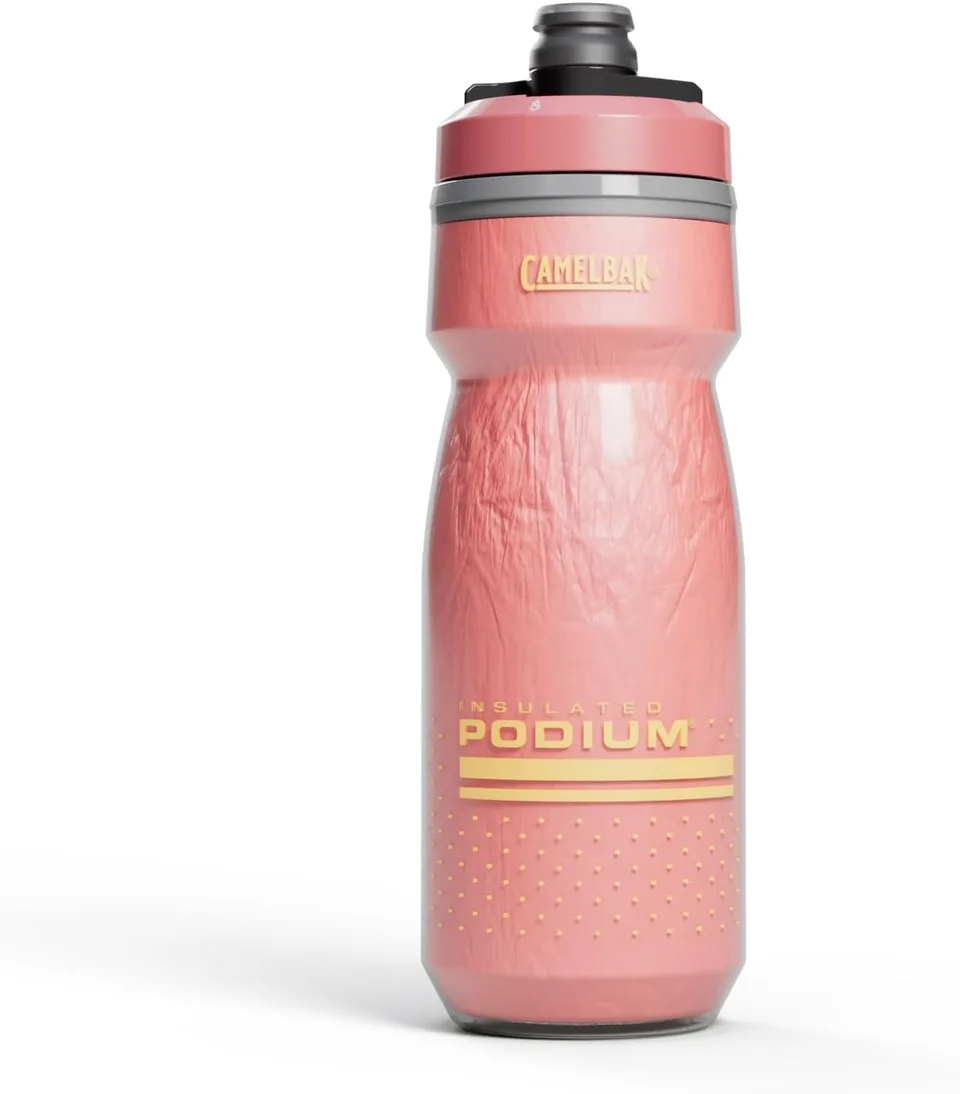
Camelbak
CamelBak Podium Chill - 21oz Coral Sunset
Selected 21oz Coral Sunset bottle. The listing describes secure fit in most bike cages; confirm clearance and cage retention on your bike.
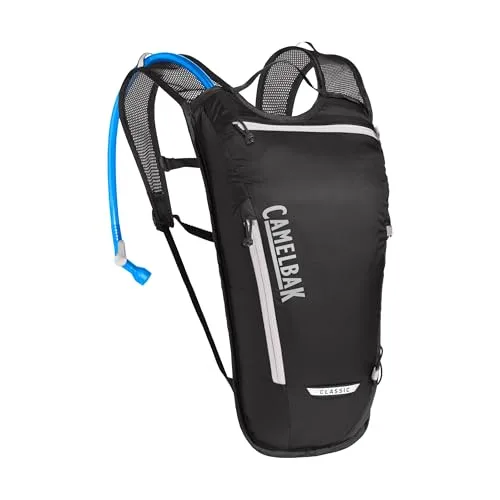
Camelbak
CamelBak Classic Light Hydration Pack - Black 70oz
This offer is size 70oz, color Black 2.0. Check the selected variant and mounting or fit requirements before ordering; other family variants are separate listings.
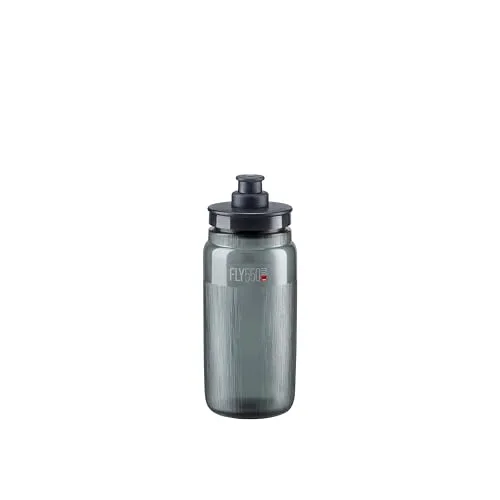
Elite Cycling
Elite Cycling Elite Fly Tex Bottle - 550ml Clear Smoke
This offer is size 550 ml, color Clear Smoke, 550ml. Check the selected variant and mounting or fit requirements before ordering; other family variants are separate listings.
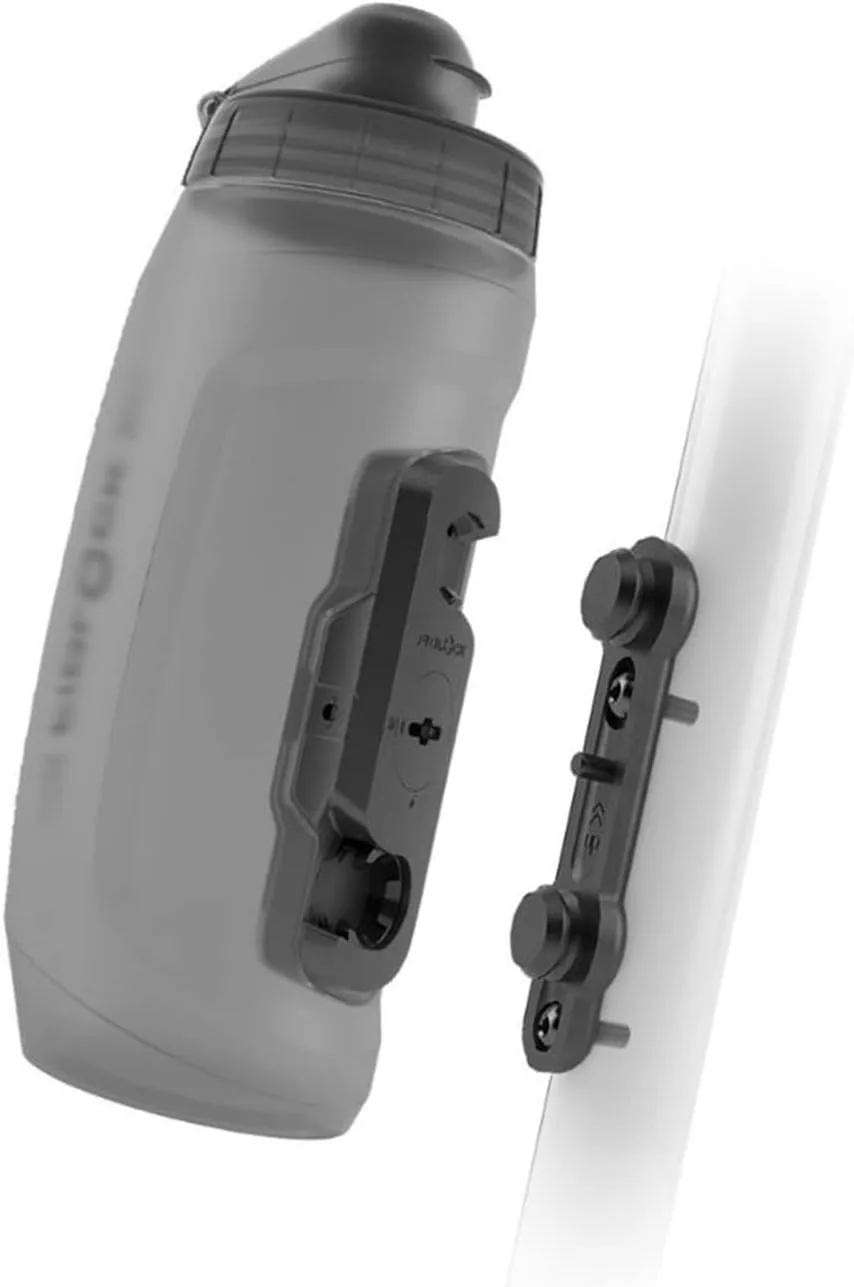
Fidlock
Fidlock TWIST Bottle 590ml + Bike Base
Complete system. No traditional cage needed. Magnetic base mounts on frame.
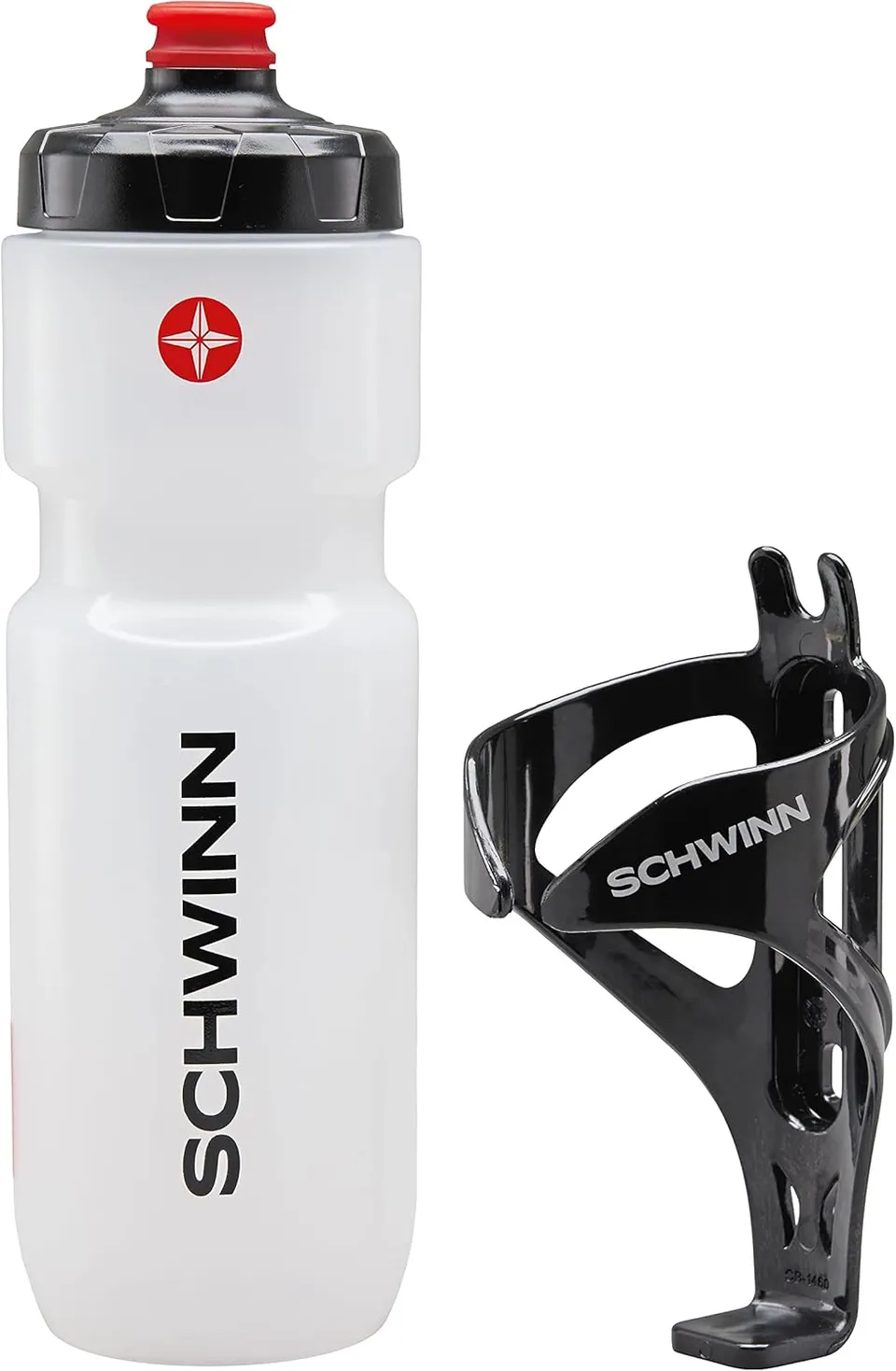
Schwinn
Schwinn Translucent Sport Water Bottle + Cage
Combo set - fits any bike with standard frame water-bottle bosses. Bottle ergonomic shape clicks into the included polymer cage.
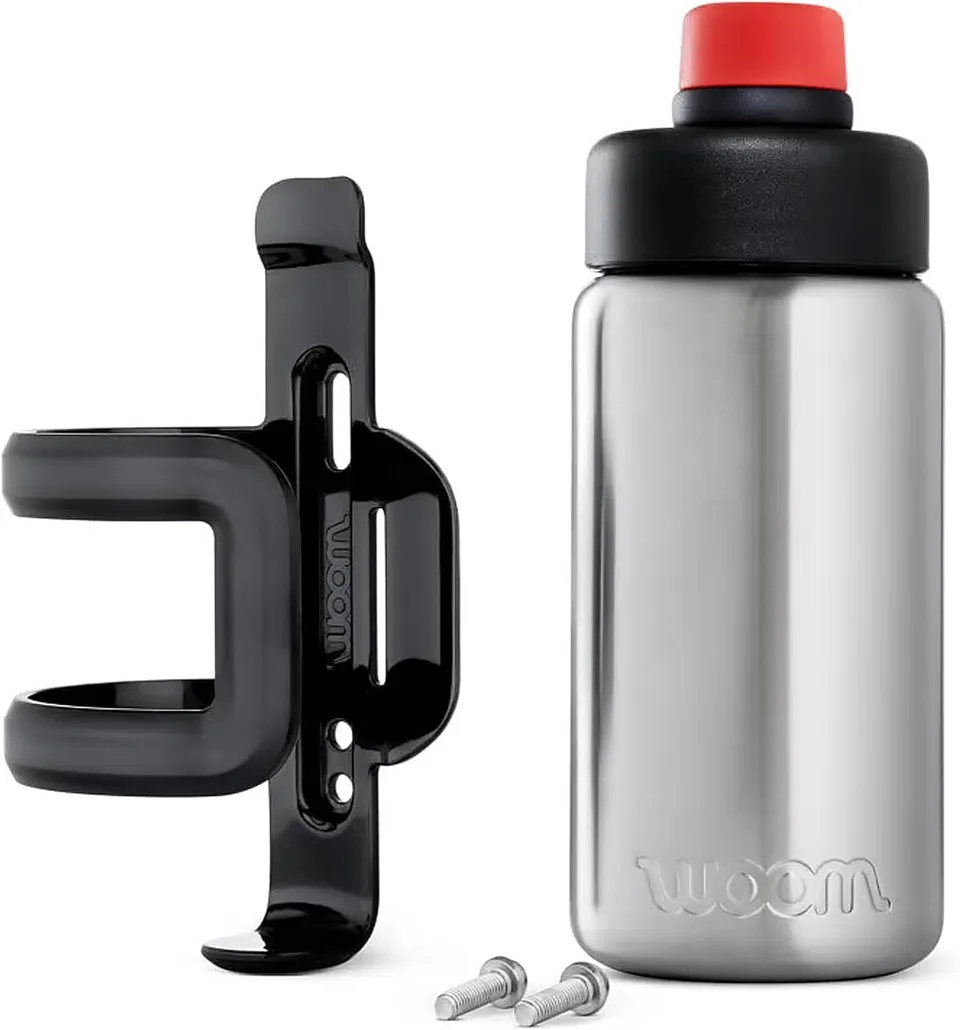
Woom
Woom Glug Stainless Steel Bottle
17 oz capacity sized for kids; side-load design slides into Woom bike side-load cages for easy reach on small frames.
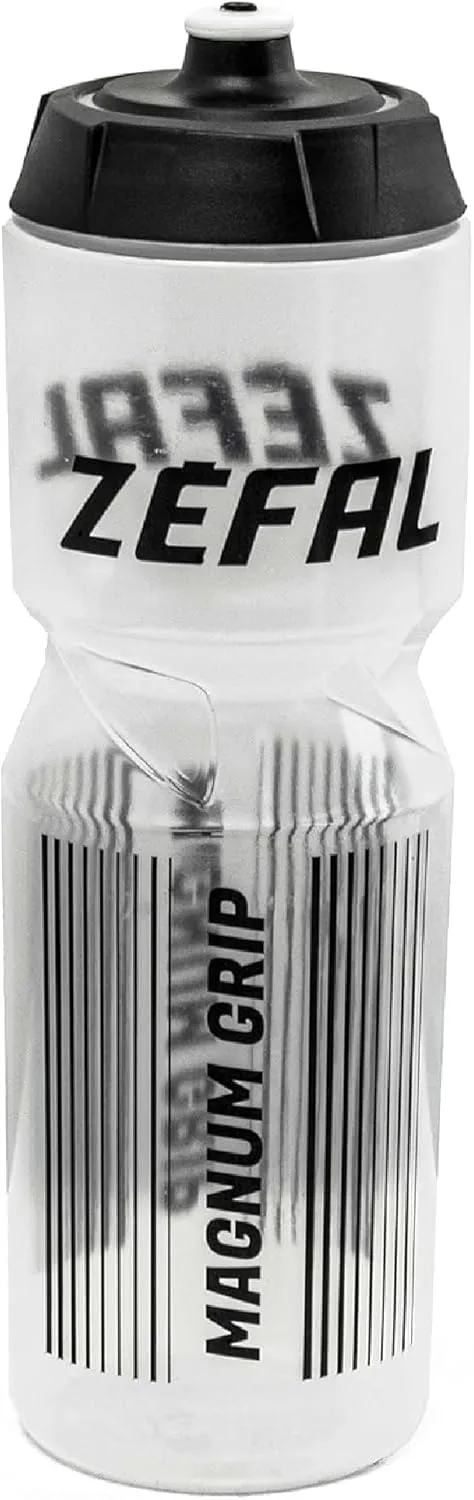
Zefal
Zefal Pulse Water Bottle 600ml
Classic European bottle. Standard 73mm fit.
As an Amazon Associate we earn from qualifying purchases. Purchases made through these links help support our free calculators.
What matters for competitive cyclists
Racing demands aggressive positioning that prioritizes aerodynamics and power transfer over pure comfort. This means a handlebar drop of 5-10cm below saddle height for optimal frontal area reduction, reach that allows a flat back with bent elbows at approximately 155-165 degrees, and precise saddle positioning with knee tracking directly over the pedal spindle at 3 o'clock. However, you must have the flexibility and core strength to sustain these positions - overreaching creates inefficiency, power loss, and injury. Most professional fitters use the 109% inseam method for saddle height and adjust reach based on shoulder flexibility tests. For criterium racing, consider slightly shorter reach for quick handling in tight corners. For time trials, a lower front end with aero extensions changes the fit equation entirely. If you're spending over $5,000 on a race bike, invest $200-350 in a professional Retül or Guru bike fit to optimize your position.
Hydration sizing guidance
Standard cycling bidons are 600-750 ml and fit any 73 mm-OD cage; larger 1 L touring bottles may need side-load cages on small frames (see the bottle cages guide). Hydration packs (CamelBak M.U.L.E., Dakine Drafter) carry 1.5-3 L of fluid plus tools and shell - pick capacity by ride length: ≤ 1.5 L for 1-2 hour XC, 2 L for 3-4 hour gravel, 3 L+ for full-day enduro and bikepacking.
Most competitive cyclists choosing hydration also compare bottle cages for competitive cyclists, brake pads for competitive cyclists, and chain lube for competitive cyclists.
Expert tips
- Invest in a professional bike fit before investing in expensive components-fit improvements outweigh equipment
- A lower position is only faster if you can maintain it-sustainability matters in racing
- Saddle height affects power output more than any other single adjustment-get it precisely right
- Train flexibility specifically for cycling-hip flexor and hamstring mobility enable better positions
Hydration head-to-head comparisons
Cross-shop the hydration competitive cyclists actually consider - specs, fit, and the deciding factor.
Two stainless bike bottles with different capacities and intended riders: an adult 25 oz bottle and Woom's smaller youth-oriented model.
Compare the listed water-bottle and water-bottle formats, product specifications, fit notes and catalog price snapshots for hydration product. Check the exact variant and your setup before ordering.
Compare the listed water-bottle and water-bottle formats, product specifications, fit notes and catalog price snapshots for hydration product. Check the exact variant and your setup before ordering.
Compare a magnetic bottle-and-base system with a conventional bottle and cage bundle.