Rider-matched picks
Kickstands for beginners
Size-matched kickstands picks for beginners, with fit and feature priorities curated for how beginners actually ride.
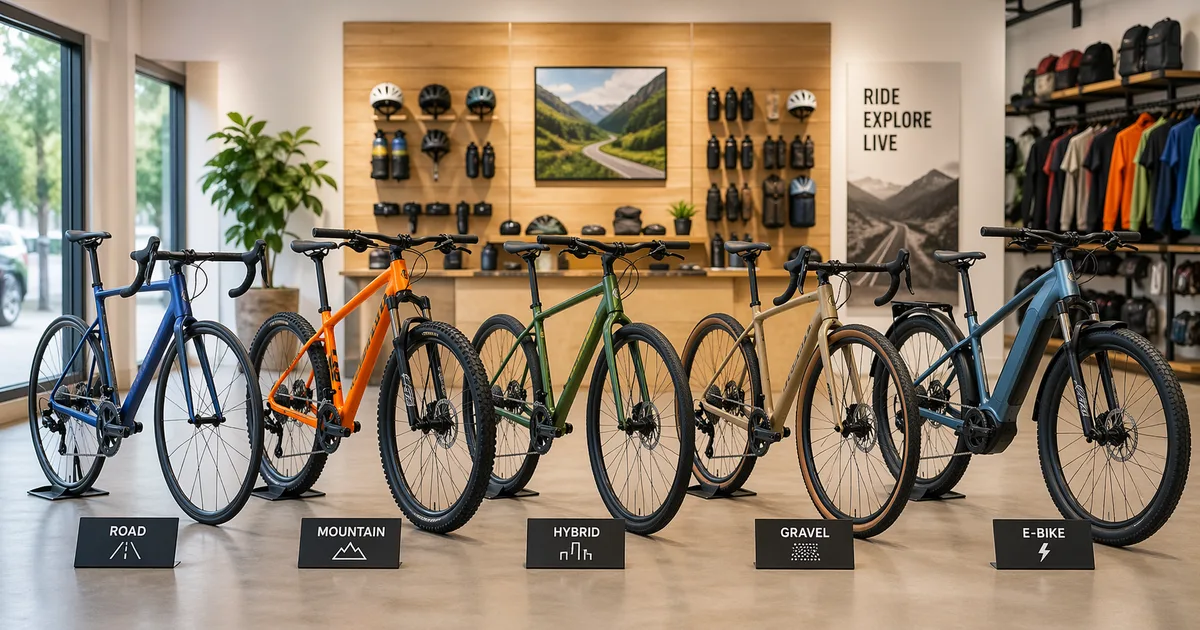
Kickstands picks for beginners
Check Amazon for current pricing and availability.

Joystar
Joystar DRBIKE Kids Bike Kickstand 14-20"
Adjustable side-mount kickstand for 14-20" kids bikes. Trim or adjust to match your bike's chainstay length so the bike leans about 10°.
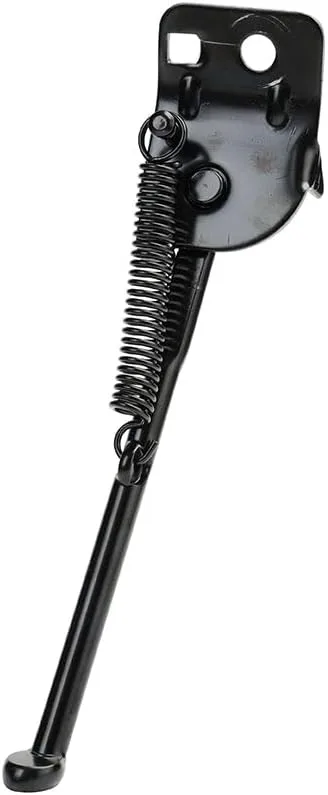
Royalbaby
RoyalBaby Kickstand for 18" Kids Bike
This listing is the 18" length only; RoyalBaby sells separate kickstands for other wheel sizes. Match the length to your chainstay so the bike leans about 10°.
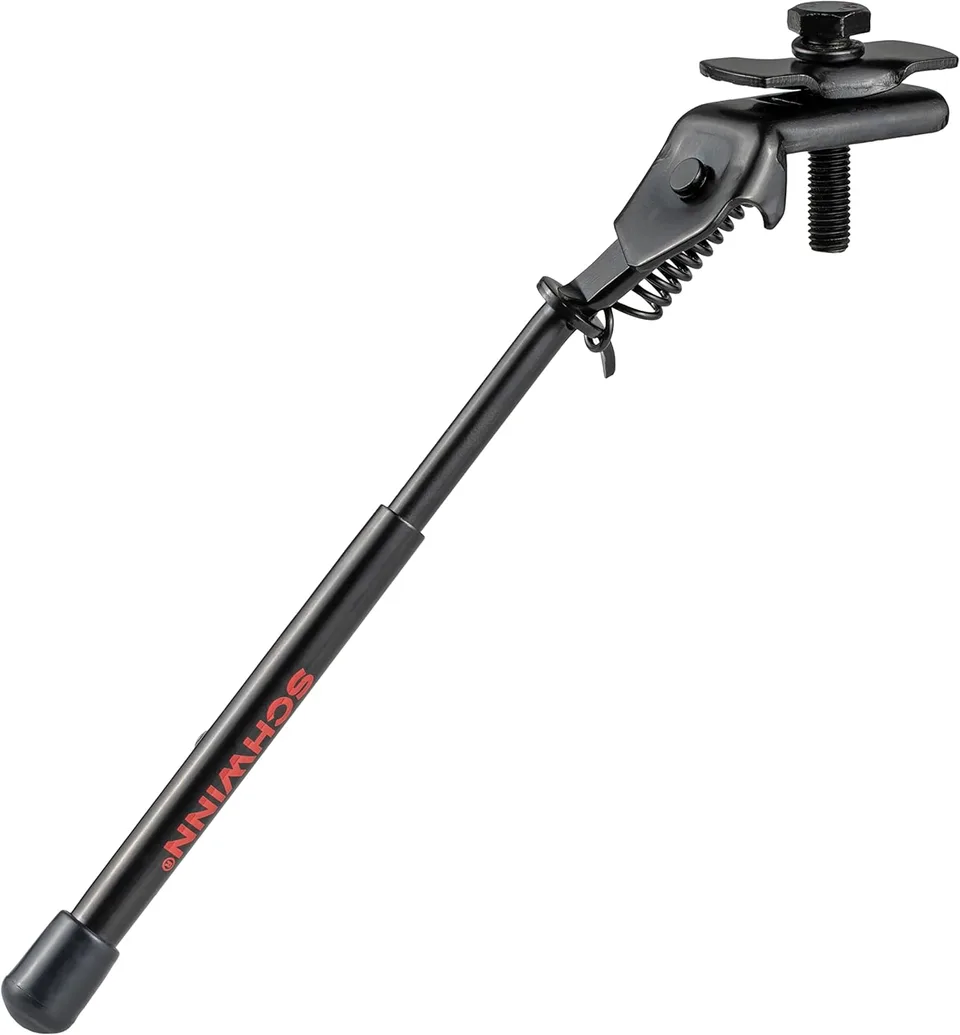
Schwinn
Schwinn Adjustable Kickstand
Adjustable side-mount kickstand sized for typical adult hybrid and commuter frames with 24-28" wheels - trim the leg so the bike leans about 10° when parked. Confirm the published Schwinn fit chart for your specific wheel size before ordering.
As an Amazon Associate we earn from qualifying purchases. Purchases made through these links help support our free calculators.
What matters for beginners
Choose a position you can sustain now, with comfortable mounting and reliable access to brakes and shifters. Measure height and cycling inseam; relatively shorter or longer torso and arm proportions may change the cockpit you need. If the chart suggests two sizes, compare the exact model-year reach, stack, standover and saddle range. Size down only when the smaller candidate passes and the larger cannot; size up when the reverse is true. Either may work within adjustment limits, or there may not be enough evidence to choose. Set the saddle for pedaling, not simply to reach the ground while seated or to shorten handlebar reach. Check stopping and dismounting separately. Respect seatpost insertion, saddle rail and fork/spacer limits, and ask a shop or fitter to resolve missing data, unsafe controls or persistent discomfort.
Kickstands sizing guidance
Kickstands size by wheel diameter and weight rating, not bike size. Adult adjustable kickstands typically cover 24-29" (and 700c) wheels and clamp to the chainstay just behind the bottom bracket; trim the leg so the bike leans 8-12° from vertical when parked. Center-mount (bottom-bracket) kickstands sit between the chainstay tubes on a dedicated plate and suit touring, cargo, and ebike frames. Kids kickstands are shorter and lighter - sized in 12-14", 14-16", 16-20", and 20-24" bands - and usually rear-axle mount on bikes that lack a chainstay clamp boss. Always confirm the kickstand's stated weight rating exceeds the loaded weight of the bike (bike + cargo + child seat).
Most beginners choosing kickstands also compare bags & panniers for beginners, baskets for beginners, and bells & horns for beginners.
Expert tips
- Ask a local bike shop what sizing, assembly and follow-up services are included before buying
- When test riding, ride for at least 10-15 minutes to feel how the bike really fits
- Start with a hybrid or fitness bike if unsure-they're versatile and forgiving
- Practice controlled stopping and dismounting in a safe area; a suitable pedaling saddle height does not necessarily allow both feet flat while seated