Rider-matched picks
Tires for 7 year olds
Size-matched tires picks for 7 year olds, with fit and feature priorities curated for how 7 year olds actually ride.
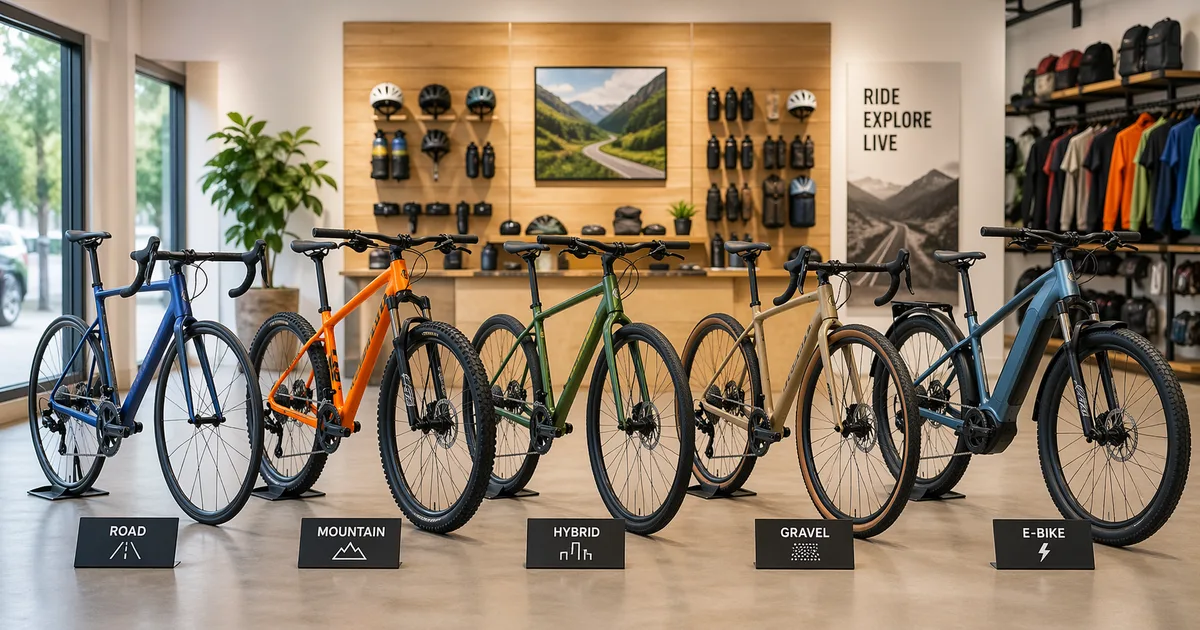
Tires picks for 7 year olds
Check Amazon for current pricing and availability.
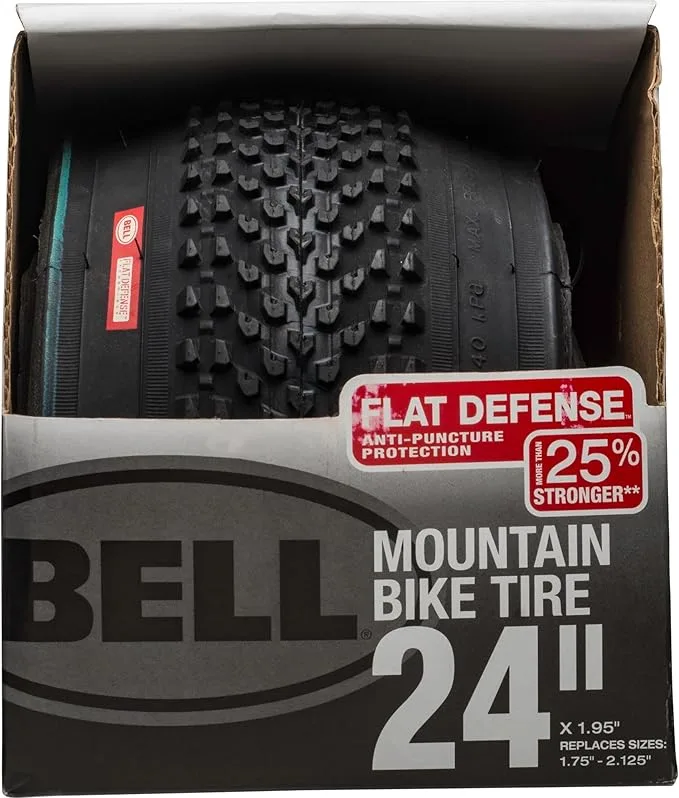
Bell
Bell Flat Defense Mountain Bike Tire
This ASIN is 24 x 1.75-2.25 in. Match wheel diameter, frame clearance, and rim width.
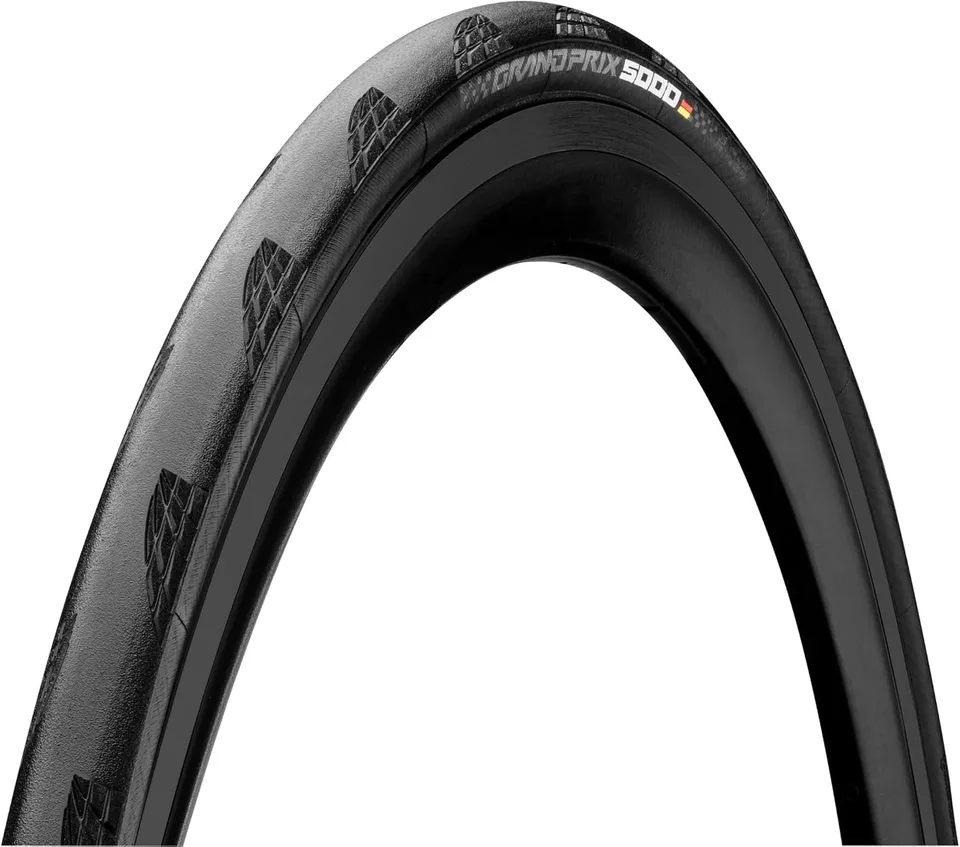
Continental
Continental Grand Prix 5000
Benchmark all-round race tire. 25mm is the most popular all-round size; 28-32mm is the best fit for endurance and rough roads.
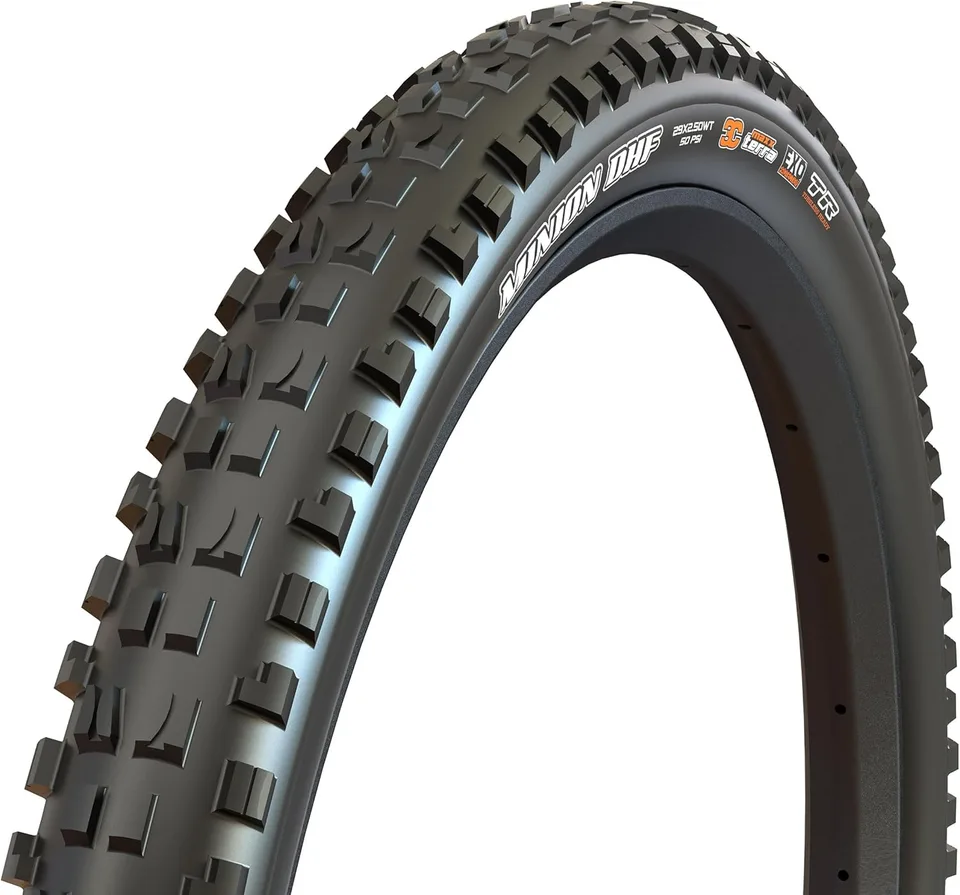
Maxxis
Maxxis Minion DHF
Most popular sizes: 29x2.5WT (modern enduro/trail front), 27.5x2.5WT (downhill), 27.5x2.3 (lighter trail). The wider WT (Wide Trail) versions are optimized for 30-35mm internal rims.
Mongoose
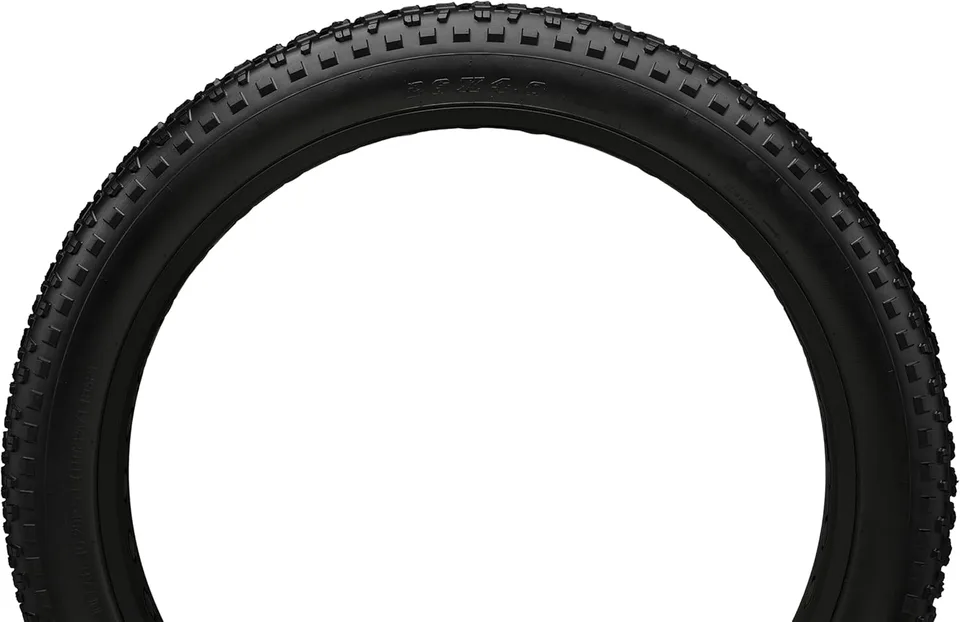
Mongoose Replacement Bike Tire (Fat Bike, 26×4)
Replacement fat-bike tire - match the size to your existing rim and tire (20x4 or 26x4). Wire bead, so confirm rim width compatibility.
Royalbaby
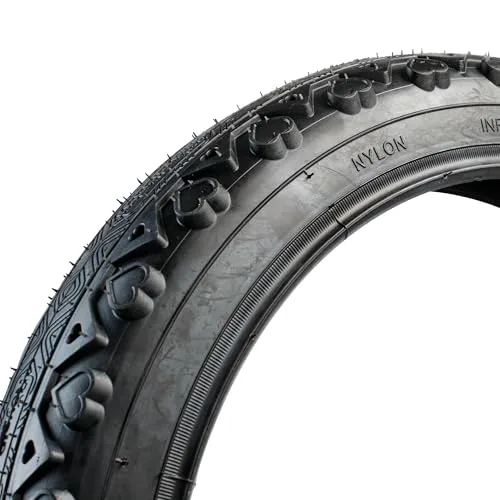
RoyalBaby Bike Out Tire, 14 Inch, Wide 2.125", Black
This offer is a 14-inch, 2.125-inch tire. Confirm both dimensions on the existing tire sidewall before ordering.
Schwalbe
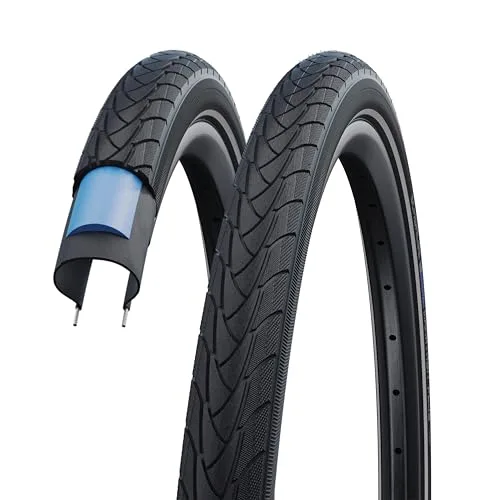
Schwalbe Marathon Plus HS348 - 700 x 32C
This offer is size 28 x 1.26 inch, color Reflex. Match the exact tire sidewall diameter, width and valve or bead requirements; other family sizes are separate listings.
Bell
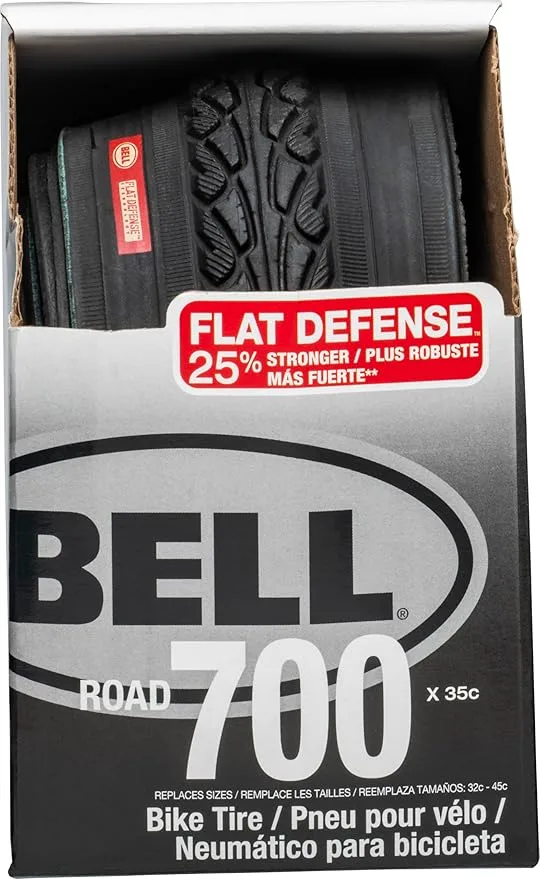
Bell Flat Defense Road Bike Tire
This ASIN is 700c x 32-45. Confirm frame and brake clearance before sizing up.
Continental
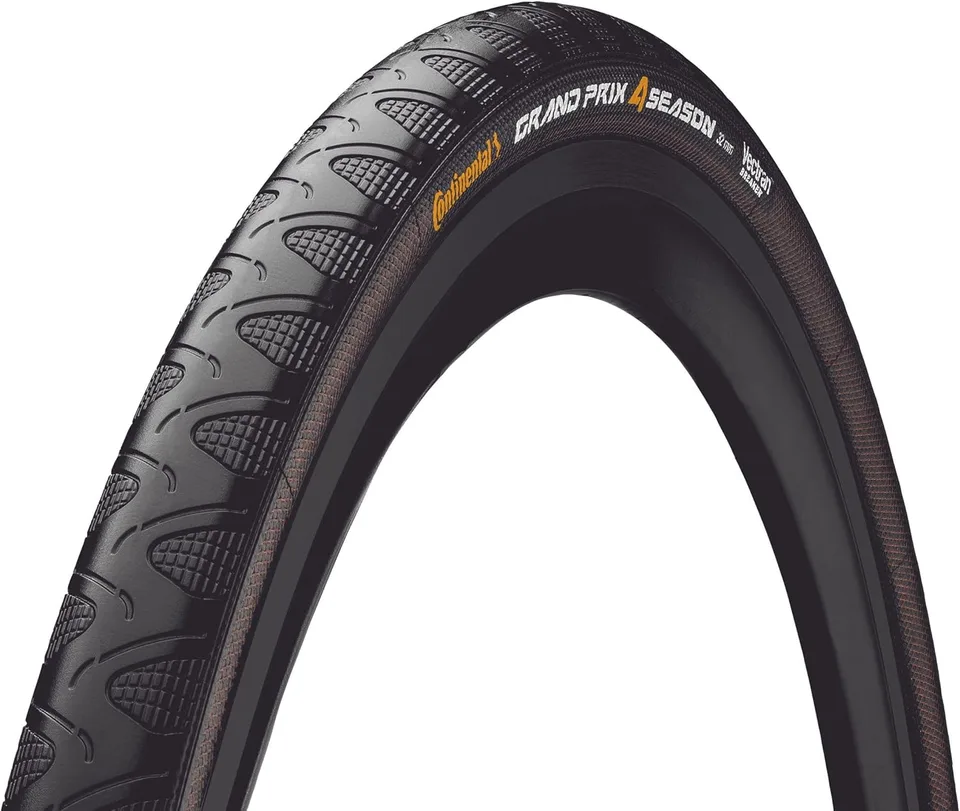
Continental Grand Prix 4-Season
Built for winter training, wet weather, and bad roads. 28mm is the popular all-season choice; 25mm if you want a faster feel year-round.
Maxxis
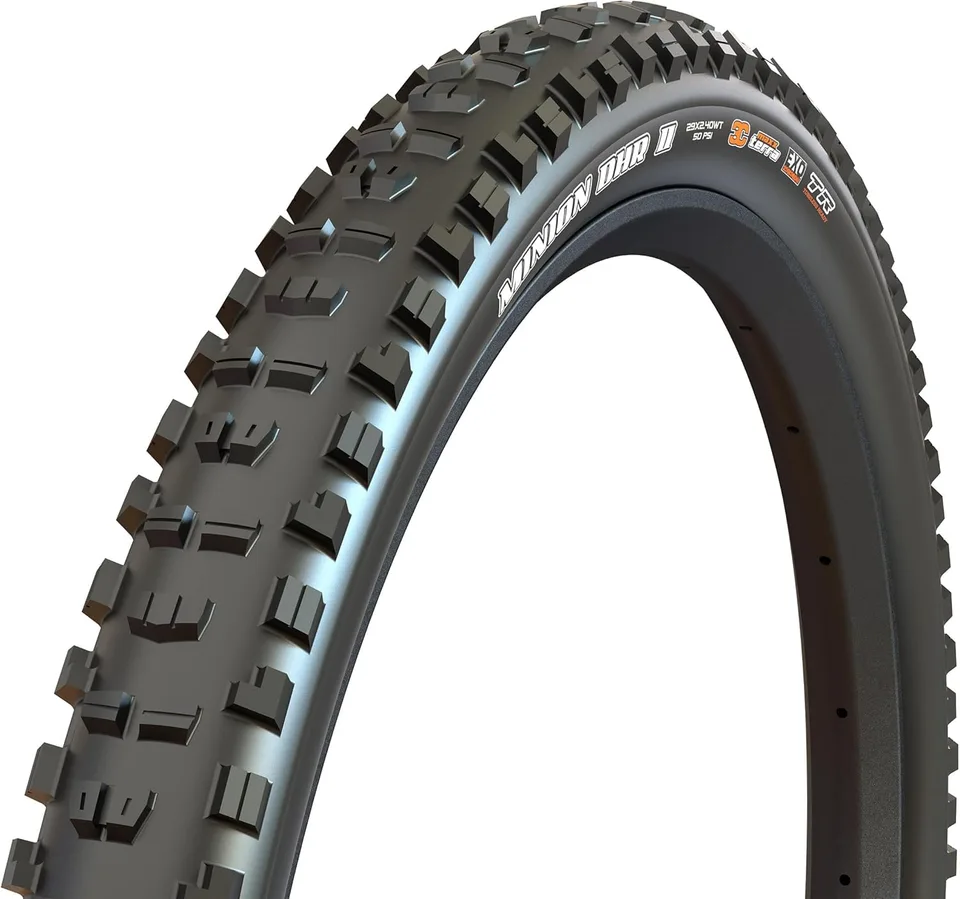
Maxxis Minion DHR II
Pair a 29x2.4WT or 29x2.5WT DHR II rear with a 29x2.5WT DHF front for the classic enduro setup. 27.5x2.4WT for World Cup downhill.
Schwalbe
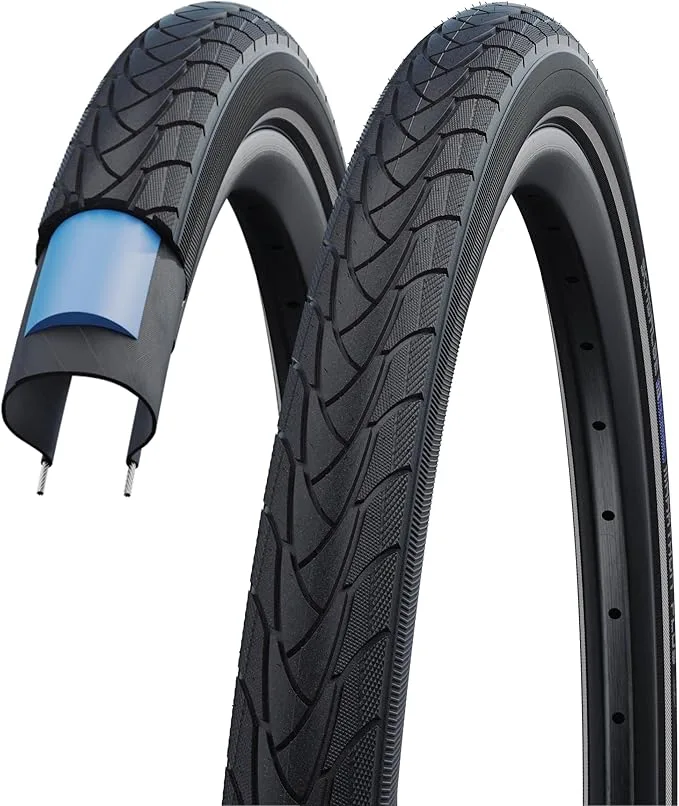
Schwalbe Marathon
The lighter, faster sibling of the Marathon Plus. 700x35-40C is the trekking sweet spot; 700x28-32C for commuting. Choose this over the Plus when you want livelier handling.
Bell
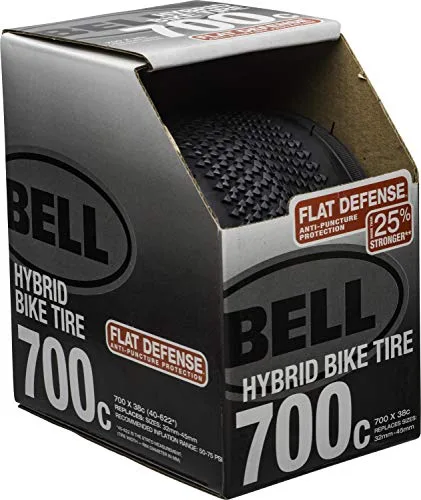
Bell Hybrid Bike Tire with Flat Defense (700 x 38c)
700 x 38c hybrid tire. Confirm the 40-622 bead-seat diameter, frame clearance, and pressure range against your current tire and rim before ordering.
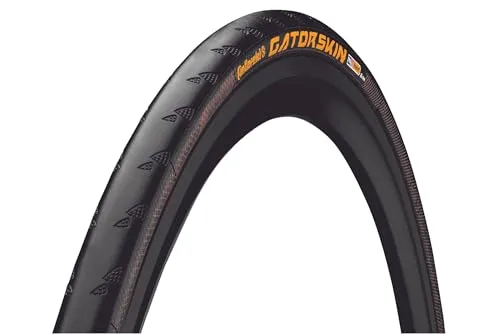
Continental
Continental Gatorskin - 700 x 25C Folding
This offer is size 700 x 25C, color Black. Match the exact tire sidewall diameter, width and valve or bead requirements; other family sizes are separate listings.
As an Amazon Associate we earn from qualifying purchases. Purchases made through these links help support our free calculators.
What matters for 7 year olds
Seven-year-olds are solidly in 20" wheel bike territory. At this age, children are confident riders and ready for longer outings, bike paths, and neighborhood riding. The right fit means your child can sit on the saddle with balls-of-feet ground contact and reach the handlebars with a comfortable slight bend in the elbows. Hand brakes should be the primary braking system - many 20" bikes come with both hand brakes and a coaster brake, which is a good combination for this transition period. Some 7-year-olds are ready for a simple single-chainring gear system (1x6 or 1x7), especially if they ride hills. Bike weight should be under 10 kg for a good riding experience.
Tires sizing guidance
Every bike tire carries two size numbers on the sidewall: the modern ETRTO (ISO 5775) format like 28-622 - width in millimetres, then bead-seat diameter - and an older Imperial label like 700×28c, 26×2.10, or 20×4.0. The first number stays the same regardless of width (700c = 622 mm, 26" MTB = 559 mm, 27.5" = 584 mm, 29"/700c = 622 mm). Width affects everything: a 700×25c rolls fast on smooth roads, 700×32-35c is the modern endurance and gravel default, 2.1-2.4" suits trail MTB, and fat-bike tires run 4.0-4.8" wide for sand and snow. Kids bikes follow wheel diameter - 12", 14", 16", 18", 20", and 24" - and replacement tires must match exactly. Always check your rim's max width and your frame/fork clearance (typically printed on the chainstay or fork) before going wider.
Most 7 year olds choosing tires also compare fenders & mudguards for 7 year olds, gloves for 7 year olds, and helmets for 7 year olds.
Expert tips
- A 20" bike will typically last your 7-year-old 2-3 years, making it a worthwhile investment
- This is a great age to introduce a simple 1x gear system if your child rides hills or longer distances
- Teach both-brake technique now - front brake for power, rear brake to prevent skidding
- Consider a bike with a kickstand and fenders if your child rides to school
Tires head-to-head comparisons
Cross-shop the tires 7 year olds actually consider - specs, fit, and the deciding factor.
Bell’s two 700c replacement tires overlap in stated width range, but differ in their listed tread and intended surface mix.
A 700 x 25C road-tire comparison for riders checking exact size, recorded construction, and what each catalog entry does not specify.
Two road clinchers with overlapping 700c widths; their catalog notes point to different weather and riding priorities.