Rider-matched picks
Tires for e-bike riders
Size-matched tires picks for e-bike riders, with fit and feature priorities curated for how e-bike riders actually ride.

Tires picks for e-bike riders
Check Amazon for current pricing and availability.
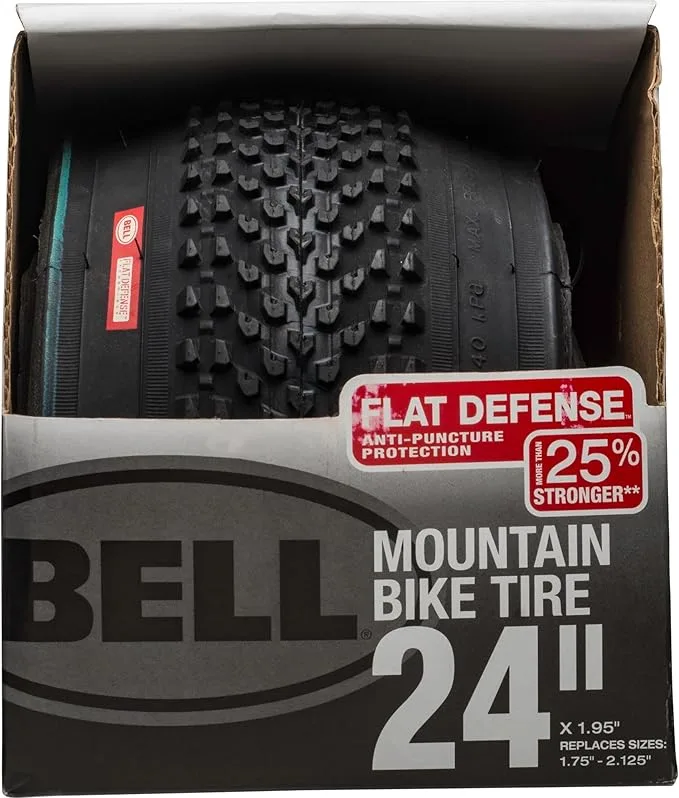
Bell
Bell Flat Defense Mountain Bike Tire
This ASIN is 24 x 1.75-2.25 in. Match wheel diameter, frame clearance, and rim width.
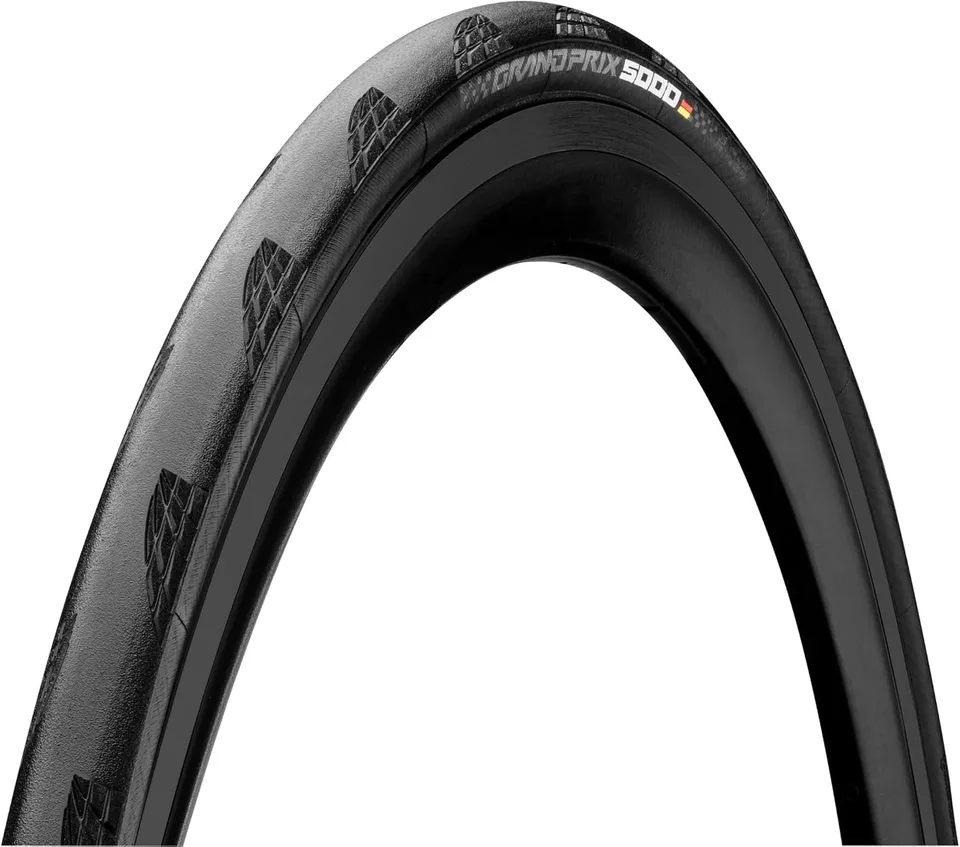
Continental
Continental Grand Prix 5000
Benchmark all-round race tire. 25mm is the most popular all-round size; 28-32mm is the best fit for endurance and rough roads.
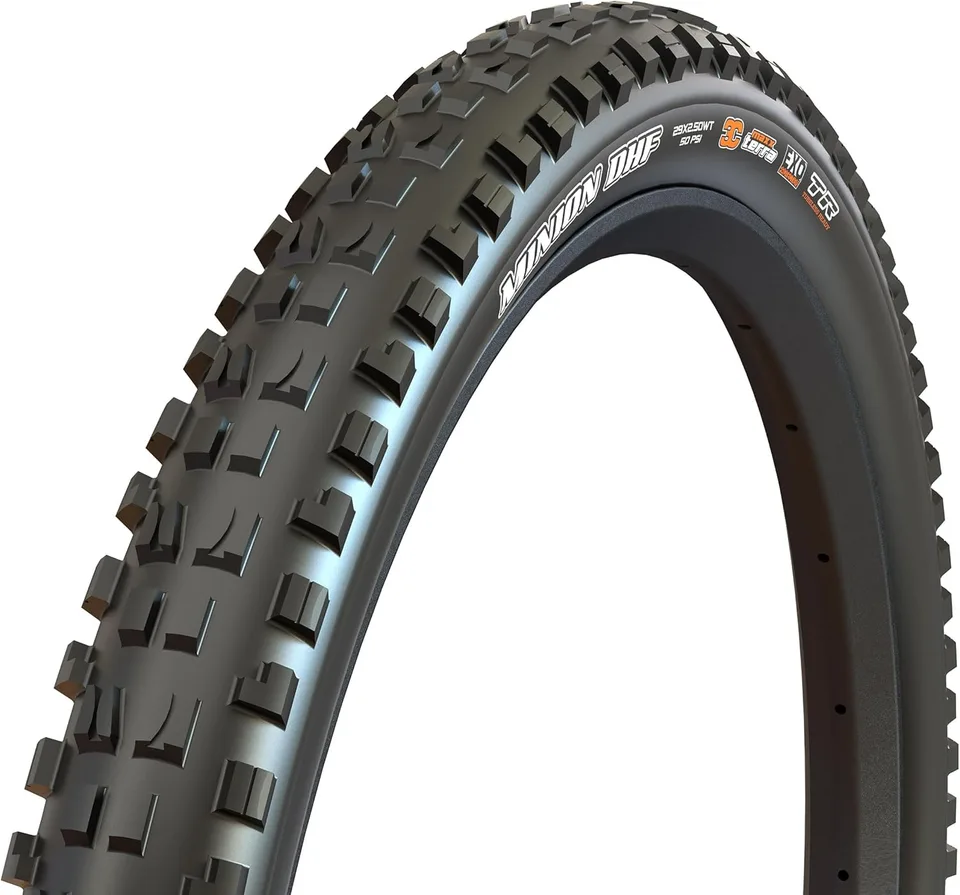
Maxxis
Maxxis Minion DHF
Most popular sizes: 29x2.5WT (modern enduro/trail front), 27.5x2.5WT (downhill), 27.5x2.3 (lighter trail). The wider WT (Wide Trail) versions are optimized for 30-35mm internal rims.
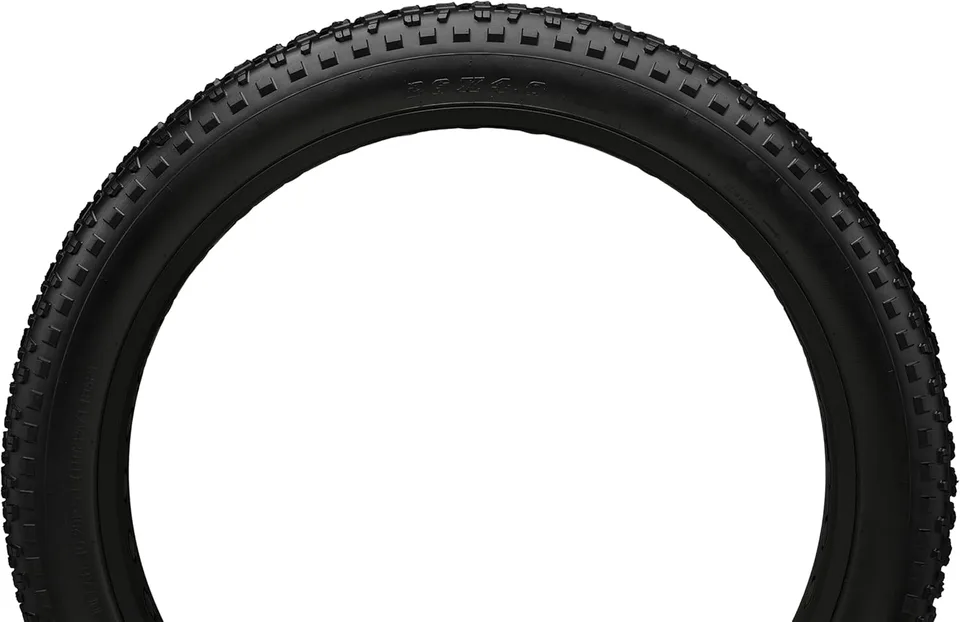
Mongoose
Mongoose Replacement Bike Tire (Fat Bike, 26×4)
Replacement fat-bike tire - match the size to your existing rim and tire (20x4 or 26x4). Wire bead, so confirm rim width compatibility.
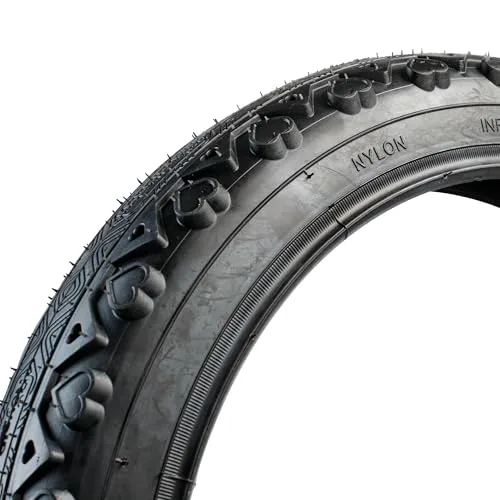
Royalbaby
RoyalBaby Bike Out Tire, 14 Inch, Wide 2.125", Black
This offer is a 14-inch, 2.125-inch tire. Confirm both dimensions on the existing tire sidewall before ordering.
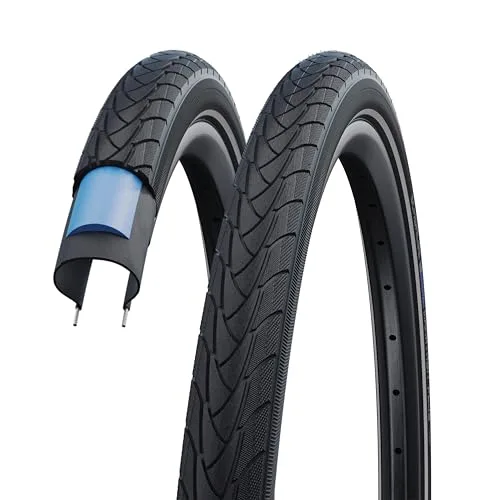
Schwalbe
Schwalbe Marathon Plus HS348 - 700 x 32C
This offer is size 28 x 1.26 inch, color Reflex. Match the exact tire sidewall diameter, width and valve or bead requirements; other family sizes are separate listings.
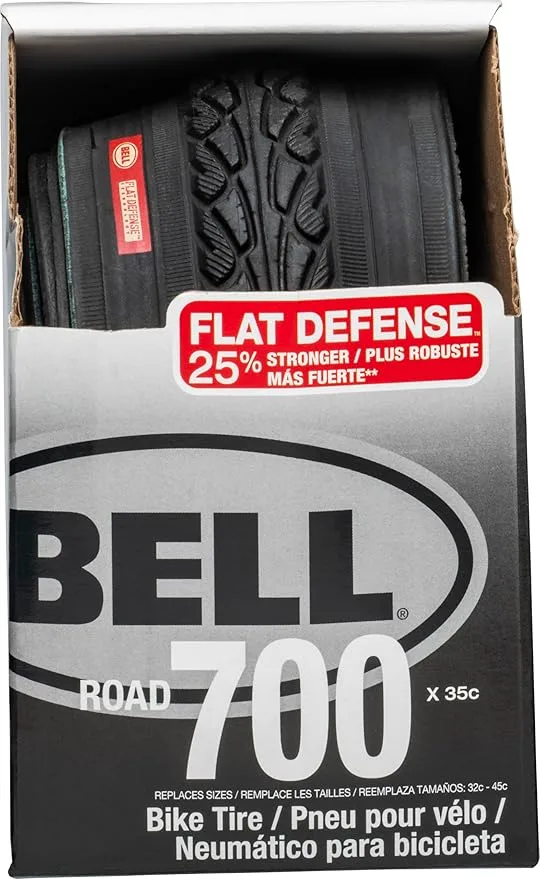
Bell
Bell Flat Defense Road Bike Tire
This ASIN is 700c x 32-45. Confirm frame and brake clearance before sizing up.
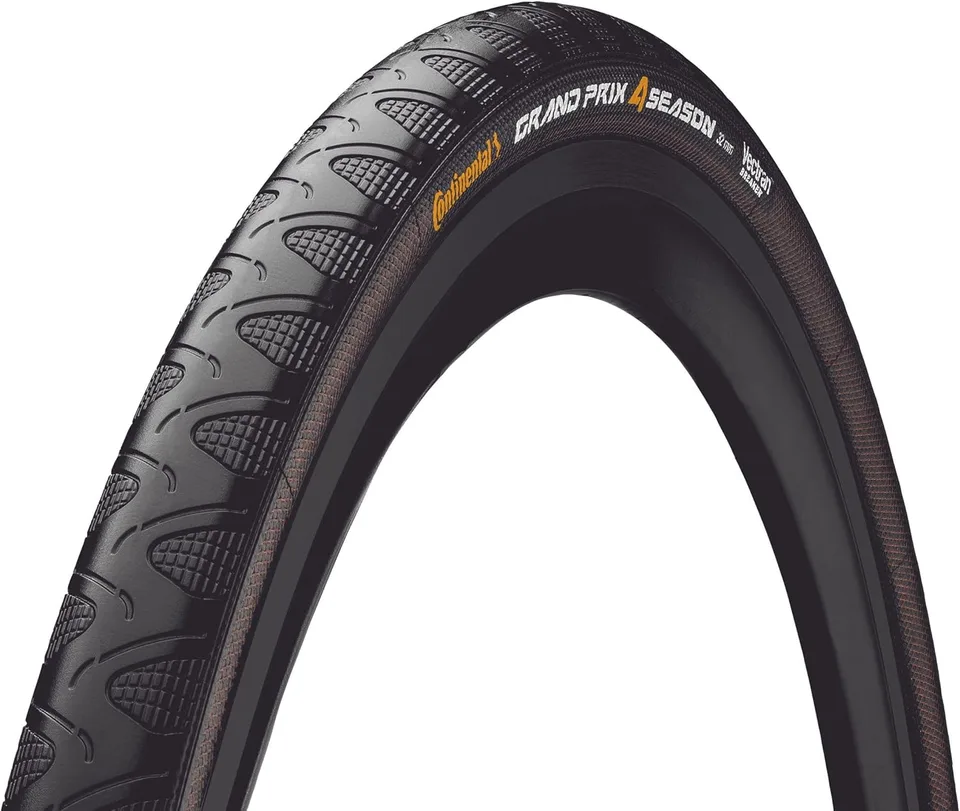
Continental
Continental Grand Prix 4-Season
Built for winter training, wet weather, and bad roads. 28mm is the popular all-season choice; 25mm if you want a faster feel year-round.
Maxxis
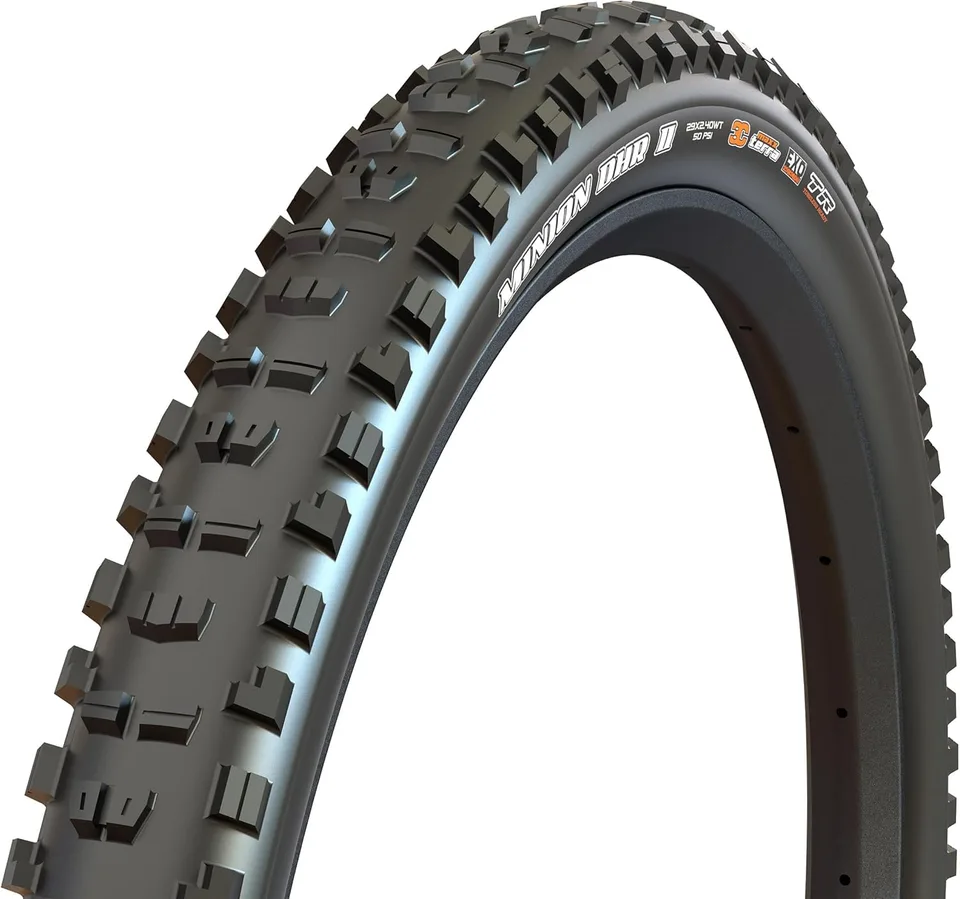
Maxxis Minion DHR II
Pair a 29x2.4WT or 29x2.5WT DHR II rear with a 29x2.5WT DHF front for the classic enduro setup. 27.5x2.4WT for World Cup downhill.
Schwalbe
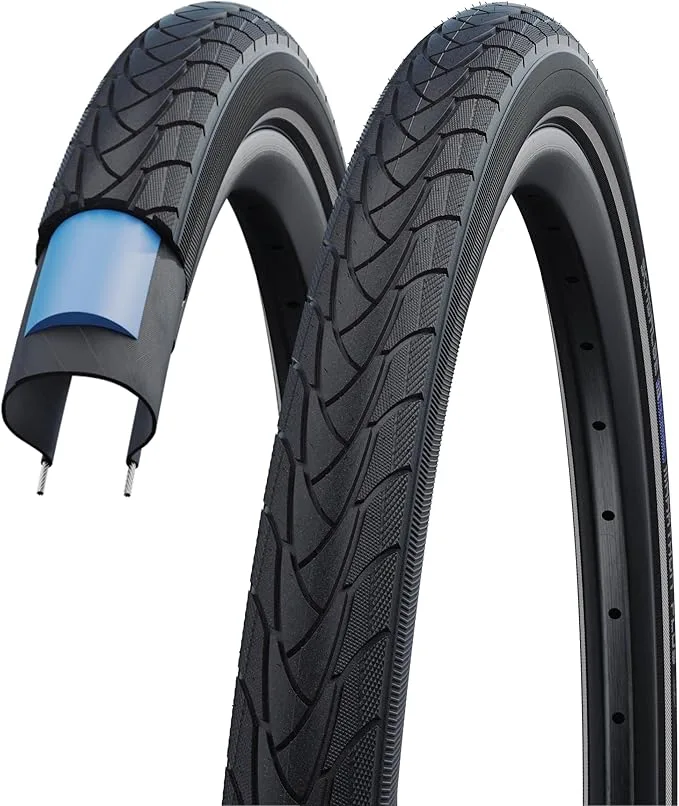
Schwalbe Marathon
The lighter, faster sibling of the Marathon Plus. 700x35-40C is the trekking sweet spot; 700x28-32C for commuting. Choose this over the Plus when you want livelier handling.
Bell
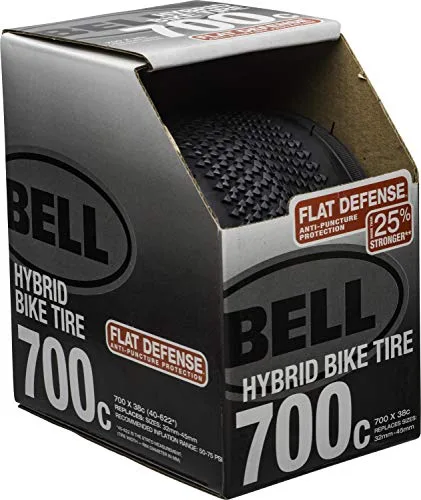
Bell Hybrid Bike Tire with Flat Defense (700 x 38c)
700 x 38c hybrid tire. Confirm the 40-622 bead-seat diameter, frame clearance, and pressure range against your current tire and rim before ordering.
Continental
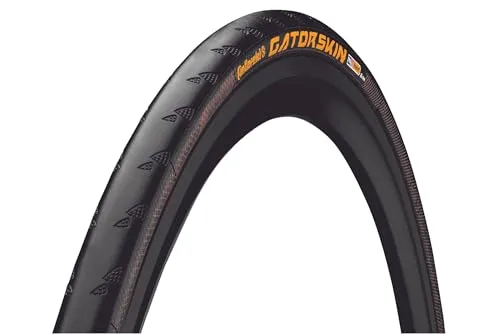
Continental Gatorskin - 700 x 25C Folding
This offer is size 700 x 25C, color Black. Match the exact tire sidewall diameter, width and valve or bead requirements; other family sizes are separate listings.
As an Amazon Associate we earn from qualifying purchases. Purchases made through these links help support our free calculators.
What matters for e-bike riders
E-bikes weigh 20-30 kg compared to 8-12 kg for acoustic bikes, which fundamentally changes how sizing affects handling. The extra weight actually improves stability at speed but makes low-speed maneuvering and stopping more critical - ensure you can confidently put both feet flat on the ground when stopping, especially if you're new to cycling. Step-through frames are strongly recommended for riders with any flexibility limitations, as swinging a leg over a heavy e-bike is significantly harder than a standard bicycle. Mid-drive motors (Bosch, Shimano, Brose) center weight low near the bottom bracket, providing better balance than hub motors which place weight in the wheel. Battery placement (downtube integrated vs rear rack) also affects weight distribution - integrated downtube batteries provide the most natural handling. When sizing, use the same frame size you'd ride on an acoustic bike of the same type - e-road bikes size like road bikes, e-MTBs size like mountain bikes. The motor assist actually makes sizing slightly more forgiving, as you're less reliant on optimal pedaling efficiency.
Tires sizing guidance
Every bike tire carries two size numbers on the sidewall: the modern ETRTO (ISO 5775) format like 28-622 - width in millimetres, then bead-seat diameter - and an older Imperial label like 700×28c, 26×2.10, or 20×4.0. The first number stays the same regardless of width (700c = 622 mm, 26" MTB = 559 mm, 27.5" = 584 mm, 29"/700c = 622 mm). Width affects everything: a 700×25c rolls fast on smooth roads, 700×32-35c is the modern endurance and gravel default, 2.1-2.4" suits trail MTB, and fat-bike tires run 4.0-4.8" wide for sand and snow. Kids bikes follow wheel diameter - 12", 14", 16", 18", 20", and 24" - and replacement tires must match exactly. Always check your rim's max width and your frame/fork clearance (typically printed on the chainstay or fork) before going wider.
Most e-bike riders choosing tires also compare bags & panniers for e-bike riders, baskets for e-bike riders, and bells & horns for e-bike riders.
Expert tips
- Size your e-bike the same as you would the acoustic version - a Trek Rail sizes like a Trek Fuel EX
- Step-through frames aren't just for seniors - they're practical for anyone who stops frequently in traffic
- Mid-drive motors (Bosch, Shimano, Specialized) provide the most natural pedal feel and better hill climbing
- Test ride with the battery fully charged AND nearly empty - the bike handles differently with 3-4 kg less weight
Tires head-to-head comparisons
Cross-shop the tires e-bike riders actually consider - specs, fit, and the deciding factor.
Bell’s two 700c replacement tires overlap in stated width range, but differ in their listed tread and intended surface mix.
A 700 x 25C road-tire comparison for riders checking exact size, recorded construction, and what each catalog entry does not specify.
Two road clinchers with overlapping 700c widths; their catalog notes point to different weather and riding priorities.