Fuji Bike Size Chart
Size chart and fit guide for 2026
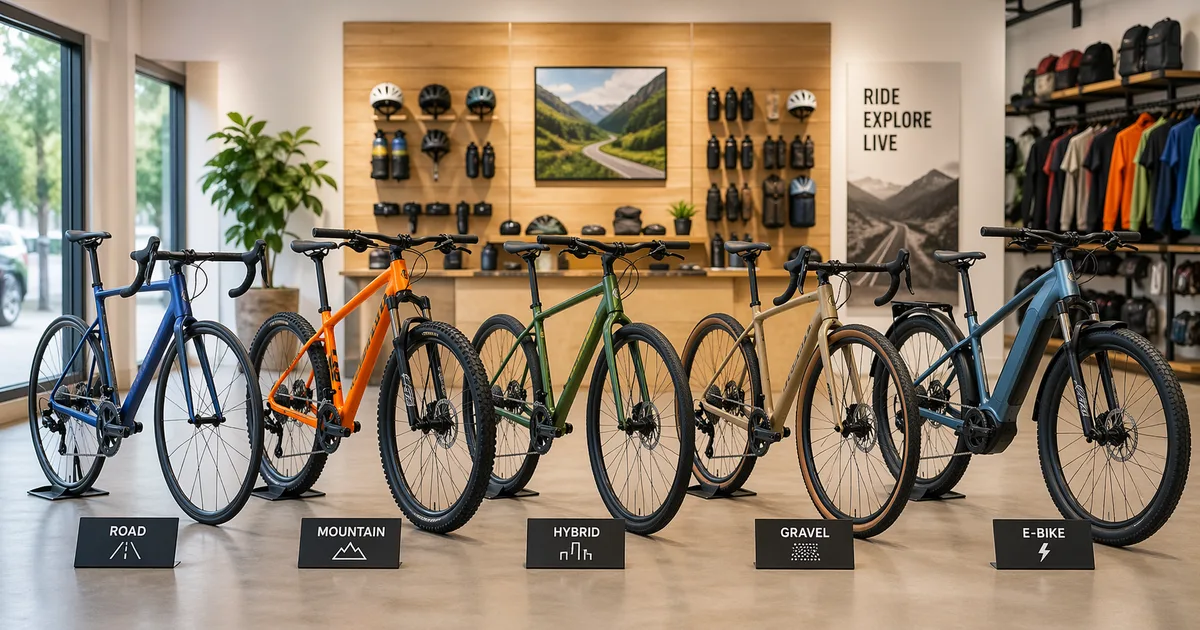
Continue researching this bike brand
With over 125 years of bicycle manufacturing heritage, Fuji designs their sizing to be accessible across a broad spectrum of riders, from first-time cyclists to seasoned racers. Their approach balances Japanese precision engineering with approachable geometry, offering numeric frame sizes on road and gravel models for fine-tuned fit and letter sizes on mountain and hybrid bikes for simplified selection. Fuji's commitment to value means each size receives the same attention to ride quality, ensuring consistent performance whether on an entry-level alloy or a top-tier carbon frame.
Fuji Size Charts by Category
Fuji Road Bike Size Chart
| Size | Height Range | Inseam Range |
|---|---|---|
49 | 5'2" - 5'5"(157 - 166 cm) | 27.6" - 29.5"(70 - 75 cm) |
52 | 5'5" - 5'8"(164 - 173 cm) | 29.1" - 31.1"(74 - 79 cm) |
54 | 5'7" - 5'11"(171 - 180 cm) | 30.7" - 32.7"(78 - 83 cm) |
56 | 5'10" - 6'2"(178 - 187 cm) | 32.3" - 34.6"(82 - 88 cm) |
58 | 6'1" - 6'4"(185 - 194 cm) | 34.3" - 36.2"(87 - 92 cm) |
61 | 6'4" - 6'8"(192 - 202 cm) | 35.8" - 38.2"(91 - 97 cm) |
Fuji Mountain Bike Size Chart
| Size | Height Range | Inseam Range |
|---|---|---|
S | 5'2" - 5'6"(157 - 168 cm) | 28.0" - 30.3"(71 - 77 cm) |
M | 5'5" - 5'10"(166 - 178 cm) | 29.9" - 32.3"(76 - 82 cm) |
L | 5'9" - 6'2"(176 - 188 cm) | 31.9" - 34.6"(81 - 88 cm) |
XL | 6'1" - 6'6"(186 - 199 cm) | 34.3" - 37.0"(87 - 94 cm) |
Fuji Hybrid Bike Size Chart
| Size | Height Range | Inseam Range |
|---|---|---|
S | 5'1" - 5'6"(155 - 167 cm) | 27.6" - 29.9"(70 - 76 cm) |
M | 5'5" - 5'10"(165 - 177 cm) | 29.5" - 32.3"(75 - 82 cm) |
L | 5'9" - 6'2"(175 - 187 cm) | 31.9" - 34.3"(81 - 87 cm) |
XL | 6'1" - 6'6"(185 - 198 cm) | 33.9" - 37.0"(86 - 94 cm) |
Fuji Gravel Bike Size Chart
| Size | Height Range | Inseam Range |
|---|---|---|
49 | 5'2" - 5'6"(157 - 167 cm) | 27.6" - 29.9"(70 - 76 cm) |
52 | 5'5" - 5'9"(165 - 174 cm) | 29.5" - 31.5"(75 - 80 cm) |
54 | 5'8" - 5'11"(172 - 181 cm) | 31.1" - 33.1"(79 - 84 cm) |
56 | 5'10" - 6'2"(179 - 188 cm) | 32.7" - 35.0"(83 - 89 cm) |
58 | 6'1" - 6'5"(186 - 196 cm) | 34.6" - 37.0"(88 - 94 cm) |
Popular Fuji Models & Sizing Notes
Specific sizing recommendations for Fuji's most popular bike models. Geometry measurements shown for reference size (typically M or 54cm).
Fuji Transonic
🚴 Road Bike • 2025Aero road bike with Oval Concepts integrated cockpit and Kamm-tail tube profiles. Aggressive race geometry with a low front end-riders prioritizing aerodynamic positioning should size true, while those wanting versatility may prefer one size up for additional spacer room.
Fuji SL
🚴 Road Bike • 2025Endurance road bike designed for long-distance comfort with a taller head tube and shorter top tube than the Transonic. Fuji's most forgiving road geometry-riders between sizes generally fit well on either option thanks to the generous seatpost and stem adjustability.
Fuji Nevada
🚵 Mountain Bike • 2025Entry-to-mid-level 29er hardtail built for cross-country trails and recreational riding. Uses Fuji's standard S/M/L/XL sizing with generous standover clearance-ideal first mountain bike where riders should prioritize comfortable standover height when choosing between sizes.
Fuji Jari
🏔️ Gravel Bike • 2025Versatile gravel bike with clearance for 700x45mm or 650bx47mm tires and multiple mounting points for bikepacking. Geometry sits between Fuji's road and mountain lines-road riders should consider their standard numeric size, while MTB riders may want to size down.
Fuji Absolute
🚲 Hybrid Bike • 2025Flat-bar fitness hybrid with an upright riding position and lightweight alloy frame. The flat handlebar provides roughly 20 mm less reach than a comparable drop-bar road bike, so road cyclists transitioning to flat-bar should compare reach and stack values rather than matching frame size directly. Riders between sizes should choose the smaller frame for a sportier feel or the larger for a more relaxed commuting posture.
Fuji Sizing Tips
How to Measure
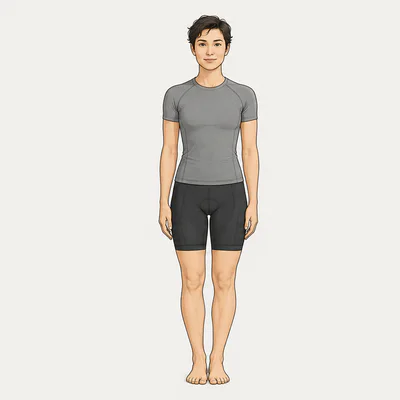
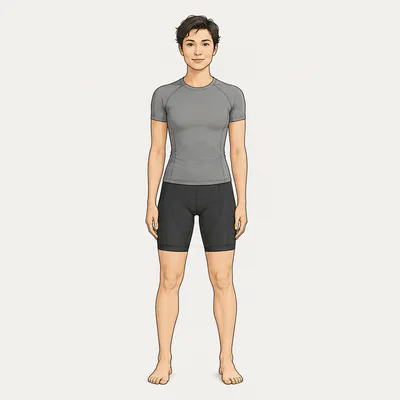
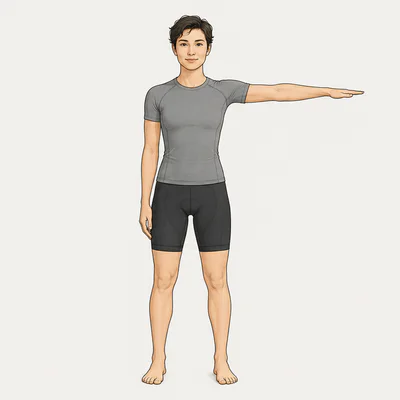
- • Height: Stand barefoot against a wall and measure from floor to top of head
- • Inseam: Stand barefoot with feet 6 inches apart, press a level book firmly upward, and measure from the floor to its top edge
- • Arm Reach: For road bikes, measure from shoulder to fingertips
When Between Sizes
- • Comfort priority: Choose the larger size
- • Performance priority: Choose the smaller size
- • Long torso: Size up for better reach
- • Long legs: Size down for better standover
Fuji Sizing FAQ
Accessories for Fuji bikes
Helmets, saddles, lights and locks that fit any Fuji build.
Bell
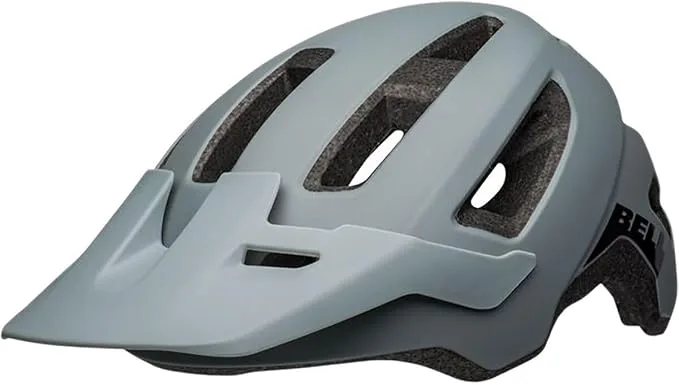
Bell Nomad 2 MIPS
This ASIN is Small/Medium 52-57 cm. Check the selected Amazon size/color before checkout.
Avasta
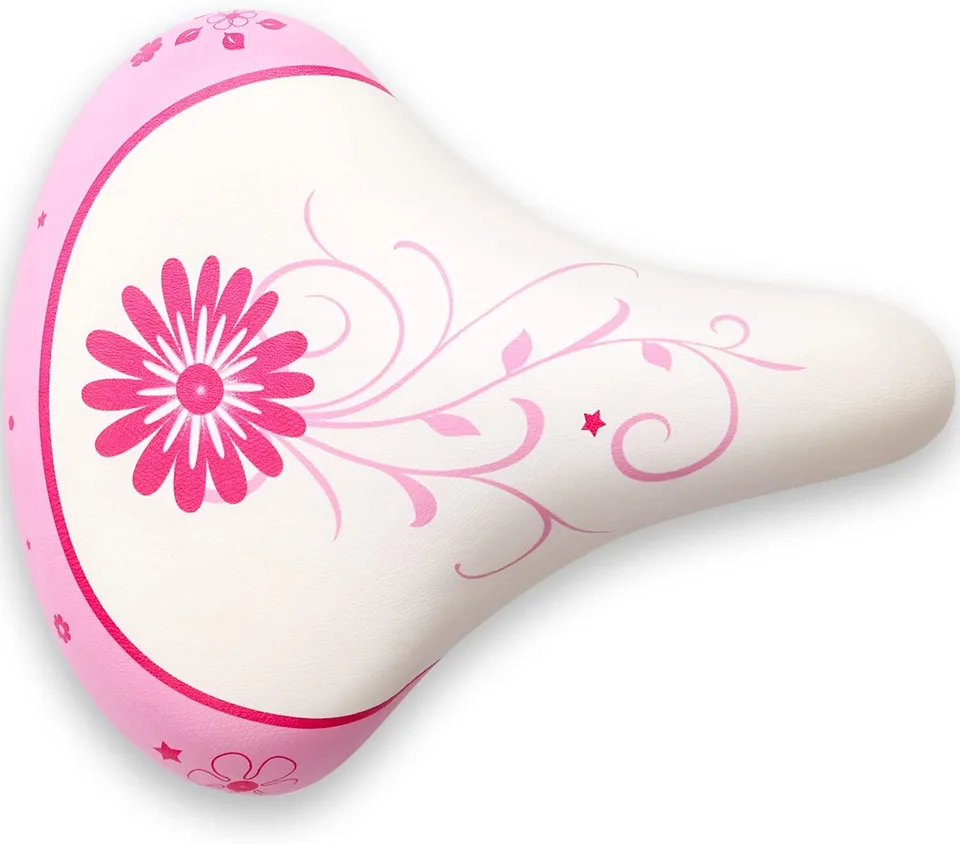
AVASTA Kids Bicycle Saddle
Standard saddle rail spacing fits most kids' seatpost clamps. Designed primarily for 12-20" wheel kids' bikes; larger riders may prefer a wider adult saddle.
Bell
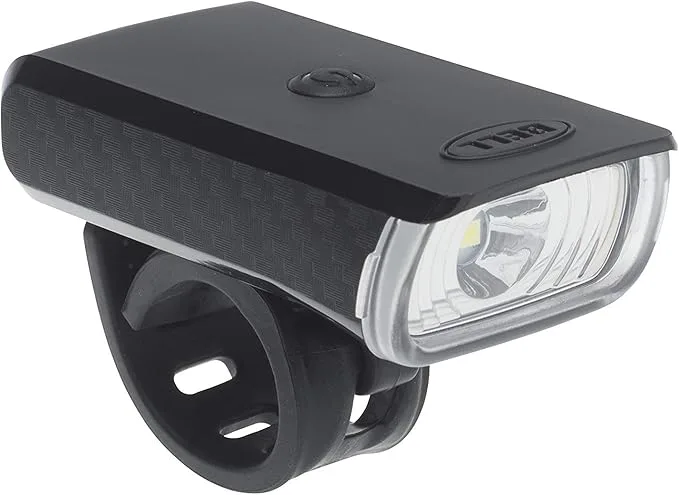
Bell Lumina 300 Headlight
Tool-free handlebar mount; check bar space around computers, bells, and baskets.
Abus
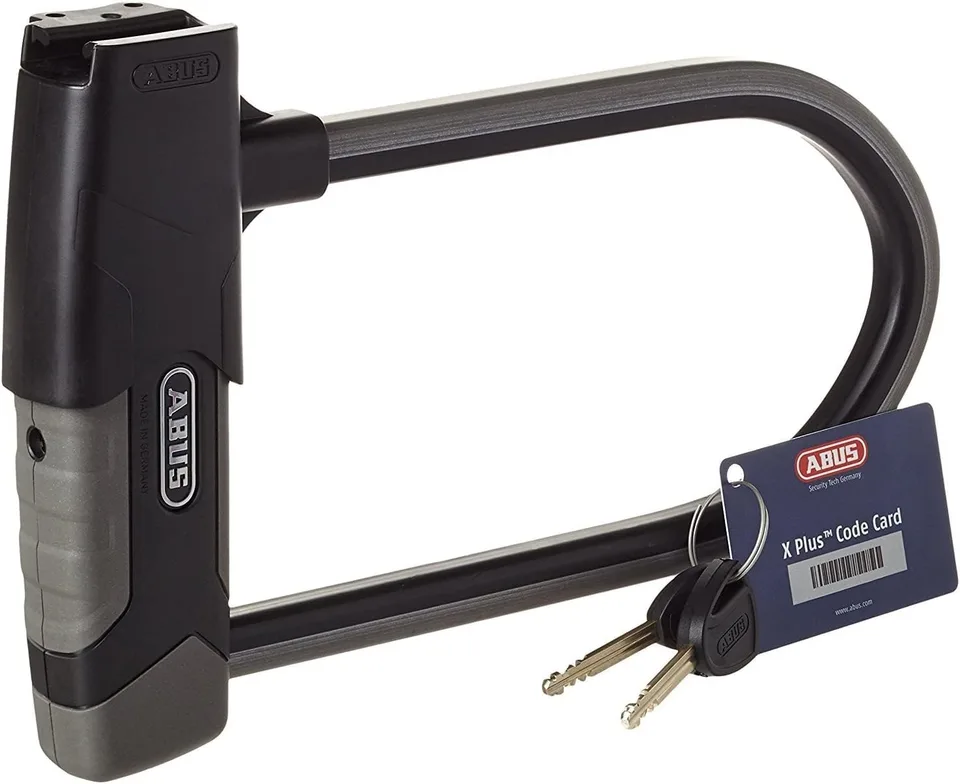
ABUS Granit X-Plus 540
Inner dimensions: 5.5" x 8" (14 x 20cm). Premium size for frame + wheel security. Heavy-duty for high-theft areas.
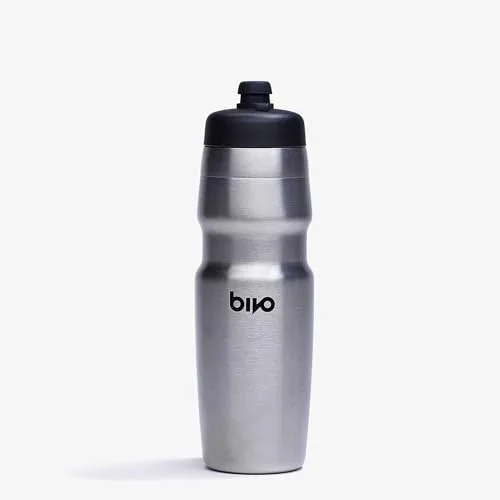
Bivo
Bivo Duo 25 oz Stainless Bottle
Fits most major cages, but the 77 mm maximum diameter is a touch larger than a standard plastic bottle. Check tight side-load cages on very small frames.
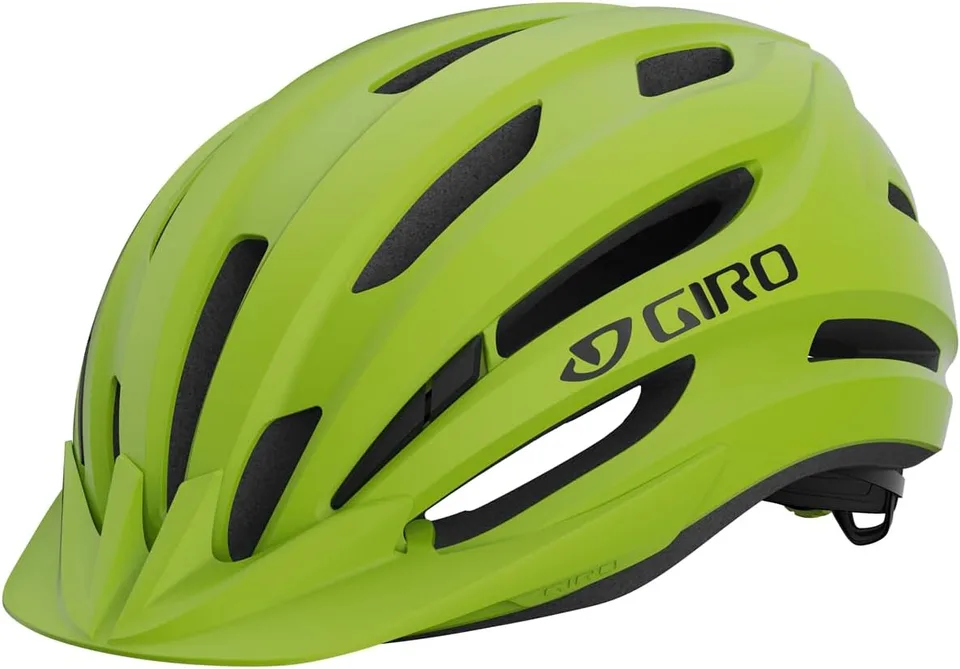
Giro
Giro Register MIPS
S 51-55 cm, M 55-59 cm, L 59-63 cm
Fuji Comparisons & Guides
Find Your Fuji Size
Use our free calculators and guides to determine your ideal Fuji frame size.
Best next guides
Where to go from your Fuji sizing
Turn your measurements into a confident buy.