Bike Bottle Cages - Sizing, Materials & Top Picks
Compare bike bottle cages by material, retention, and frame fit - carbon, alloy, side-load, and magnetic systems for road, gravel, MTB, and small frames.
If fit depends on the rider, start with bottle cages for competitive cyclists, bottle cages for commuters, or bottle cages for e-bike riders. Brand details matter too, especially sizing and compatibility notes from Arundel, Fidlock, and Bell.
Top bottle cages picks
Check Amazon for current pricing and availability.
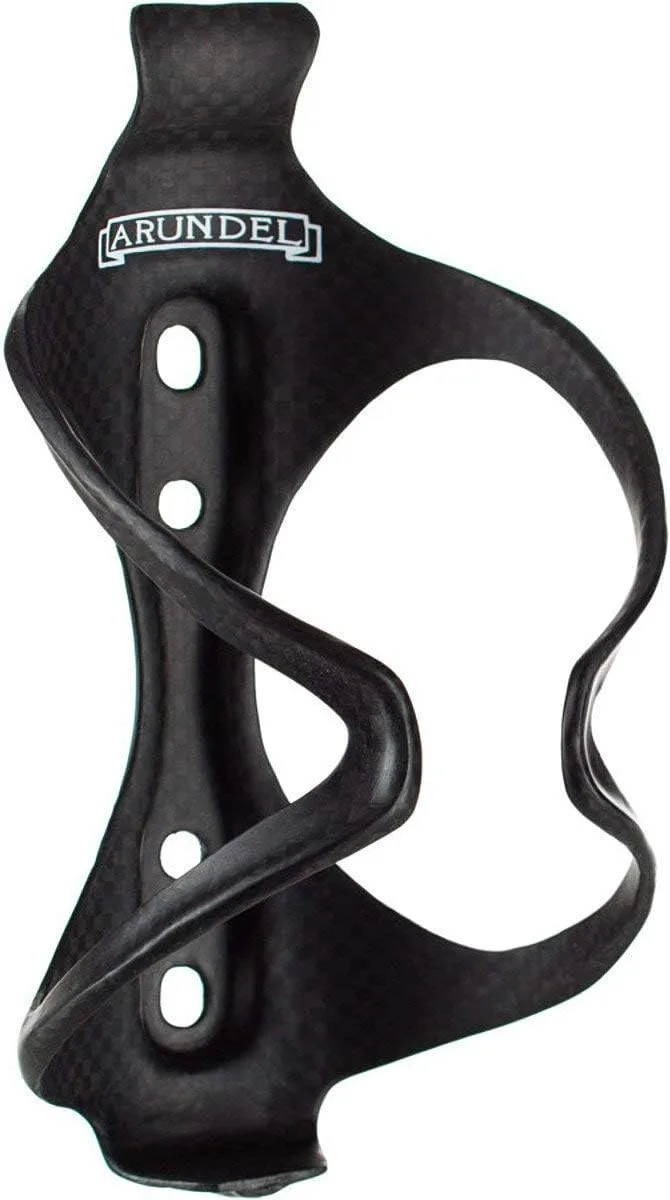
Arundel
Arundel Mandible Carbon
Ultralight carbon. Standard 73mm OD bottles.
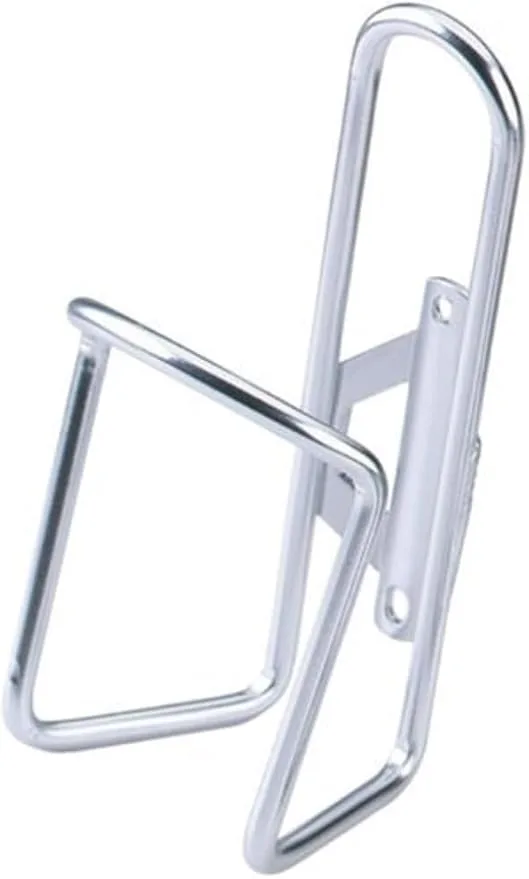
Bell
Bell Clinch 100 Alloy Bottle Cage
Fits standard bottle-cage bosses; check small frames for bottle clearance.
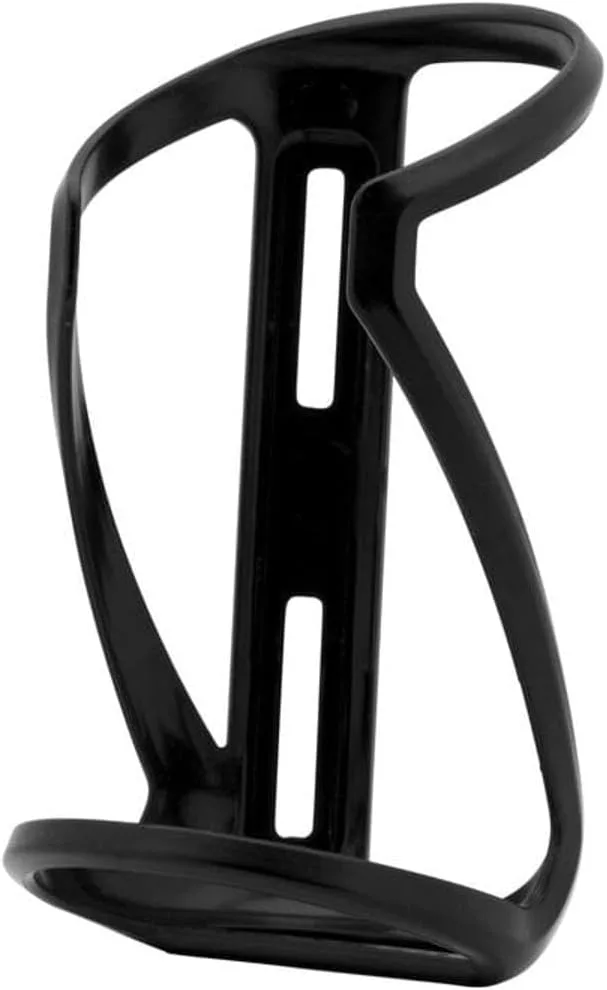
Blackburn
Blackburn Slick Racing Bottle Cage
Standard cage for 73mm bottles.
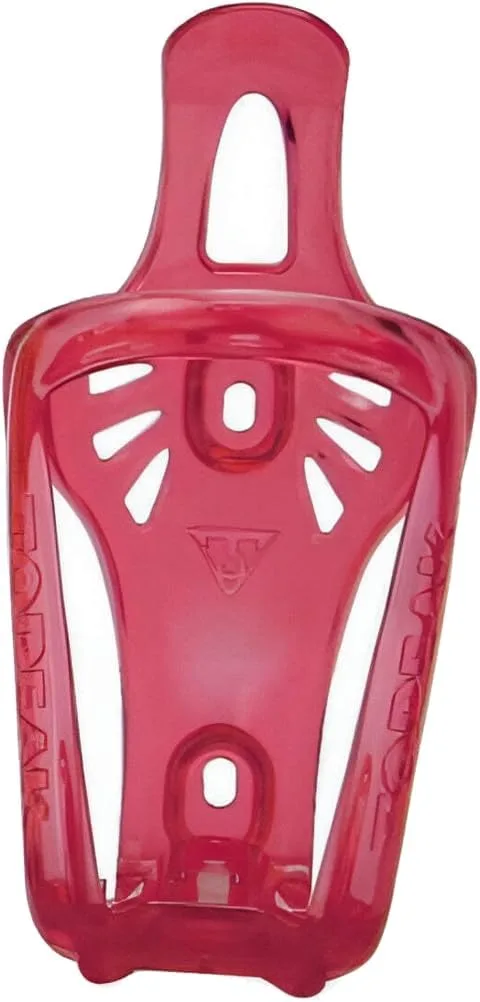
Topeak
Topeak Mono Cage CX
Standard 73mm bottle opening. Fits most road/gravel bikes.
As an Amazon Associate we earn from qualifying purchases. Purchases made through these links help support our free calculators.
Sizing & fit guidance
Standard cycling bottles are 73 mm outside diameter at the gripped section, and almost every cage is built around that spec. The variable is your frame's main triangle: short-reach road frames in 49-52 cm and most full-suspension MTBs leave very little room between the down tube and seat tube, which is where side-entry cages (left- or right-load) earn their keep - they let a 750 ml or 1 L bottle drop in sideways instead of straight up. Confirm your frame has 2 bottle-boss mounts (M5 × 0.8 thread, 64 mm spacing) before buying; some compact frames ship with only one, and a few aero road frames use proprietary hardware. Cargo cages (Salsa Anything Cage, Blackburn Outpost) follow a wider 3-bolt pattern, usually pre-drilled on adventure forks.
What to look for when buying
- Material vs weight: carbon cages run 15-28 g and grip via flex; aluminum cages run 35-55 g and grip via shaped tabs; stainless wire cages (King Cage, Nitto) run 50-70 g and last decades. Plastic cages (~25 g) are fine for casual riding but fatigue and crack within a couple of seasons.
- Side-load orientation: small frames (49-52 cm road, S/M full-suspension MTB) almost always need side-entry cages. Pick the side that matches your dominant hand - left-load cages are easier to access if you grab bottles with your right hand off the bars.
- Retention vs ejection: trail and gravel riders should test cages with a full bottle on a rough section before committing. Carbon cages with a wraparound design (Arundel Mandible, Specialized Zee Cage II) are the gold standard for retention; minimal bent-wire cages eject on chunky terrain.
- Magnetic systems (Fidlock TWIST): replace the cage entirely with a magnetic + mechanical lock. Excellent for rough trail and triathlon transitions, but the bottle is proprietary - you can't just refill at a café from a standard bidon.
- Bottle compatibility: most insulated bottles (CamelBak Podium Chill, Polar Breakaway) are slightly oversized vs standard 73 mm. Tight aluminum cages may scuff insulated walls; carbon cages with flex tolerate them better.
- Bolts and torque: M5 cage bolts spec 4-5 Nm. Carbon frames are unforgiving - over-tightening cracks the down tube paint at minimum and the carbon at worst. Use a torque wrench.
Frequently Asked Questions
Keep planning your build
Sizing calculators
Sizing guides by rider
Bottle Cages by rider type
Persona-tailored bottle cages guides with fit, style, and feature notes for how you actually ride.
Sizing your bike first?
Your frame size changes what fits - get the bike right and the accessories will follow.