Mountain Bike Size Guide for Women - Trail, Enduro & XC
GuideStarting range, not final fit. Verify the exact model before buying.

Finding the right mountain bike size as a woman requires more than just checking a unisex height chart. Women typically have longer legs relative to torso length, narrower shoulders, smaller hands, and lighter body weight - all of which affect how a mountain bike handles on the trail. This guide covers women's-specific MTB geometry, suspension tuning for lighter riders, handlebar and brake lever sizing, and how to choose between women's-specific brands like Juliana and Liv versus riding unisex frames with component swaps. Whether you're riding XC, trail, or enduro, getting the right fit means more confidence, better control, and more fun on the trail.
A starting range, not final fit
A rider profile does not determine one exact frame or guarantee comfort. Measure height and cycling inseam, and keep any chart overlap or disagreement visible. Torso and arm proportions, mobility and intended riding can change which model works within the starting range.
Check both candidate sizes for standover, saddle range, sustainable cockpit reach and brake access. Respect seatpost, saddle rail and cockpit adjustment limits. Use the recommended brand links below to locate the exact model-year chart; brand-wide ranges and representative geometry are not verification of every model. Missing or conflicting dimensions call for a shop check, test ride or professional fit, not an automatic size-up or size-down rule.
Start the first-bike workflow or use the two-size worksheet and fit checklist before buying. Compare exact geometry when both model sizes have usable source data.
How to size a bike for women mountain bikers
Women mountain bikers should focus on reach rather than standover height when selecting frame size - modern MTB geometry means standover is rarely limiting, but reach determines how confidently you can descend technical terrain and how efficiently you climb. Women typically need shorter reach values than men of the same height due to proportionally shorter torsos, which is why sizing down one frame size on a unisex bike often works. However, purpose-built women's MTBs from Juliana and Liv already account for these proportional differences, so use their size charts directly. Suspension is equally critical: lighter riders need softer spring rates and lower air pressures than stock settings, which are typically tuned for 170-180lb riders. Women's-specific models come with appropriate spring rates, but on unisex bikes you'll need to reduce air pressure by 15-25% from stock recommendations. Narrower handlebars (740-760mm vs 780-800mm stock) improve leverage for riders with narrower shoulders, and shorter-reach brake levers ensure reliable stopping power with smaller hands.
Recommended Geometry Preferences
proportional to reach
shorter than unisex equivalent
shorter effective top tube
standard for category
steeper for proportional weight distribution
Which brands fit women mountain bikers best?
These brands are known for offering excellent options for women mountain bikers.
What are the common sizing mistakes for women mountain bikers?
- 1Buying a unisex bike without adjusting suspension for lighter body weight - stock settings are too stiff
- 2Keeping stock 780-800mm handlebars that are too wide for narrower shoulders
- 3Not adjusting brake lever reach - smaller hands need shorter-reach levers for confident braking
- 4Sizing up for 'more stability' when a properly-sized smaller frame with correct reach is more controllable
- 5Ignoring women's-specific saddles - pelvic anatomy differences make stock saddles uncomfortable on MTBs
- 6Assuming you need a women's-specific bike - some women fit unisex frames perfectly
Expert tips for women mountain bikers
- 1Test ride both women's-specific and unisex bikes in your size range - your proportions determine which fits better
- 2Juliana and Liv bikes come with suspension tuned for women's typical weight range - a significant advantage over swapping springs on unisex bikes
- 3Cut handlebars to 740-760mm if your shoulders are narrower than 42cm - it dramatically improves control
- 4Set sag at 25-30% of travel using your actual riding weight - don't rely on stock pressure charts
- 5Shorter cranks (165mm instead of 170-175mm) improve pedaling for riders under 165cm and reduce knee strain
- 6Dropper post reach is critical - ensure you can fully extend and retract while seated without stretching
- 7Consider 27.5-inch wheels if you're under 160cm - they roll faster over obstacles at smaller frame sizes
The frame fits. What should you adjust next?
If the size is right but the ride still feels wrong, compare a video-based fit check with guided mobility work before changing several parts at once.
Explore Fit & MobilityCalculate Your Size
Use our calculator with preset values optimized for women mountain bikers. Adjust as needed based on your exact measurements.
Measure from the ground to your crotch while standing.
Women Mountain Bikers Sizing FAQ
Recommended Bikes for Women Mountain Bikers
Picks from our partner retailers, matched to this rider profile.
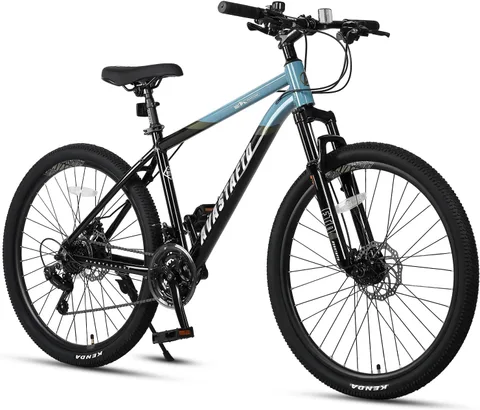
AVASTA
AVASTA Earth 26/27.5 Mountain Bike
Entry-level aluminum hardtail in 26" and 27.5" wheels with a switchable (lockable) suspension fork, 21-speed Shimano-compatible drivetrain, and dual mechanical disc brakes. Single frame size per wheel; adjustable saddle/stem fits 5'3"-6'2" depending on wheel choice. Hidden cable routing and quick-release wheels.
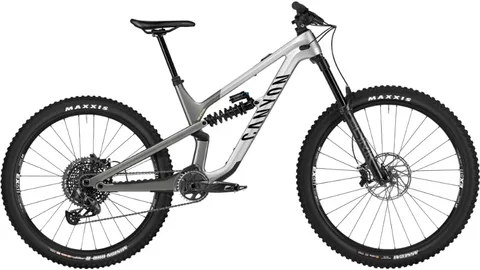
Canyon
Canyon Spectral
Trail/enduro bike with 150mm travel. Modern long geometry-many riders size down from road sizing; prioritize reach over height.
CUBSALA
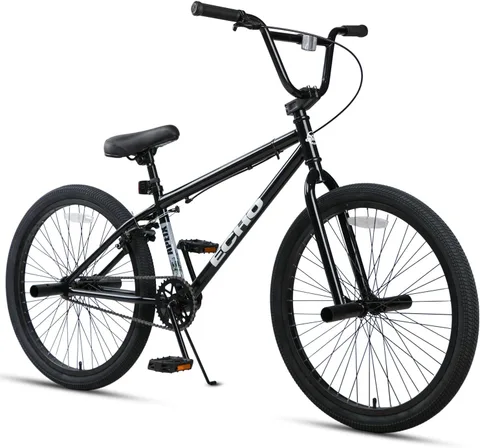
CUBSALA Echo 24 BMX
24" beginner BMX with high-tensile steel frame, rear U-brake, and 4 stunt pegs included. Fits riders 4'10"-6'0" - large enough for teens and most adults but lighter and more flickable than a 26" mountain bike. Ships 85% pre-assembled.
Dynacraft
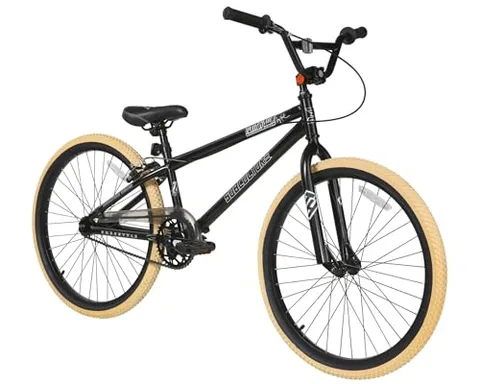
Dynacraft Tony Hawk Subculture 24" BMX
Licensed Tony Hawk 24 in BMX cruiser for teens and small adults (height 4'10" to 5'6", inseam 26-30 in). Steel frame with longer top tube than a 20 in BMX, single rear rim brake, pegs included. The 24 in wheel makes it a comfortable street cruiser rather than a park bike - good for tall pre-teens who have outgrown a 20 in BMX but aren't ready for a full mountain bike.
Elite BMX
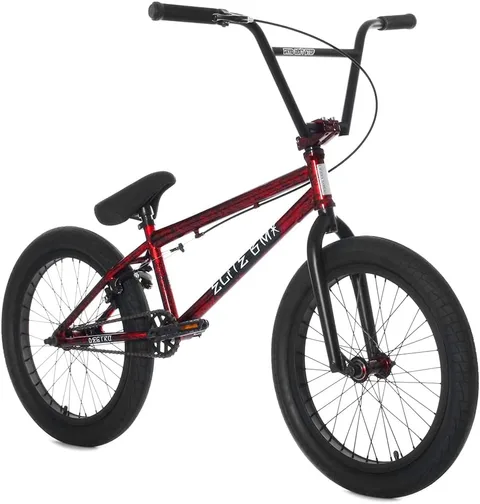
Elite BMX Destro BMX
Intermediate 20" freestyle BMX with 3-piece Cro-Mo crankset, sealed bearing wheels (vs Stealth's loose-ball), and Elite's reinforced tubing. Aimed at riders pushing past beginner street/park sessions. Single 20" wheel size fits most teens and adult street riders 5'0"-6'0".
HILAND
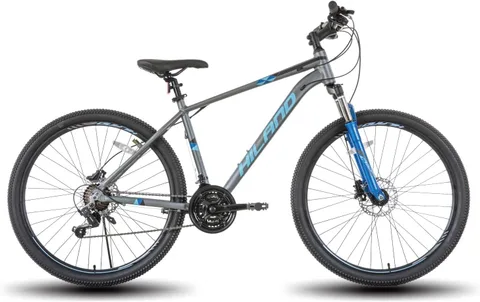
HILAND Slycan 27.5
HILAND's flagship aluminum mountain bike with hydraulic disc brakes, lock-out suspension fork, and a 21-speed drivetrain on 27.5-inch wheels. The 18-inch frame fits riders 5'8"-6'5". A 17" frame option suits riders 5'6"-5'10". Internal cable routing keeps the look clean and protects the cables.
As an Amazon Associate we earn from qualifying purchases. Purchases made through these links help support our free calculators.
Once the frame size is set, match the contact and safety gear to this rider profile: compare bottle cages for women mountain bikers, brake pads for women mountain bikers, and chain lube for women mountain bikers.
Recommended accessories for Women Mountain Bikers
Helmets, lights and gear that match this rider profile.
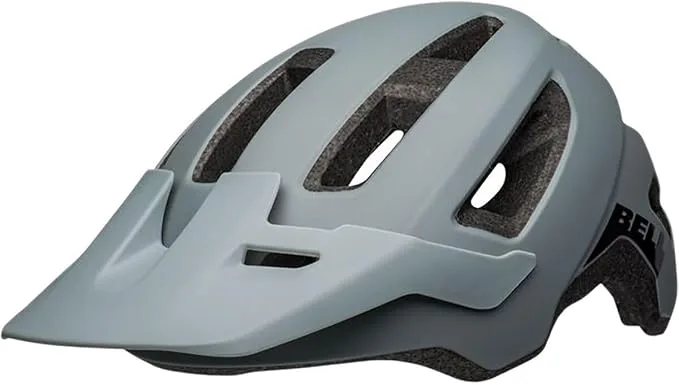
Bell
Bell Nomad 2 MIPS
This ASIN is Small/Medium 52-57 cm. Check the selected Amazon size/color before checkout.
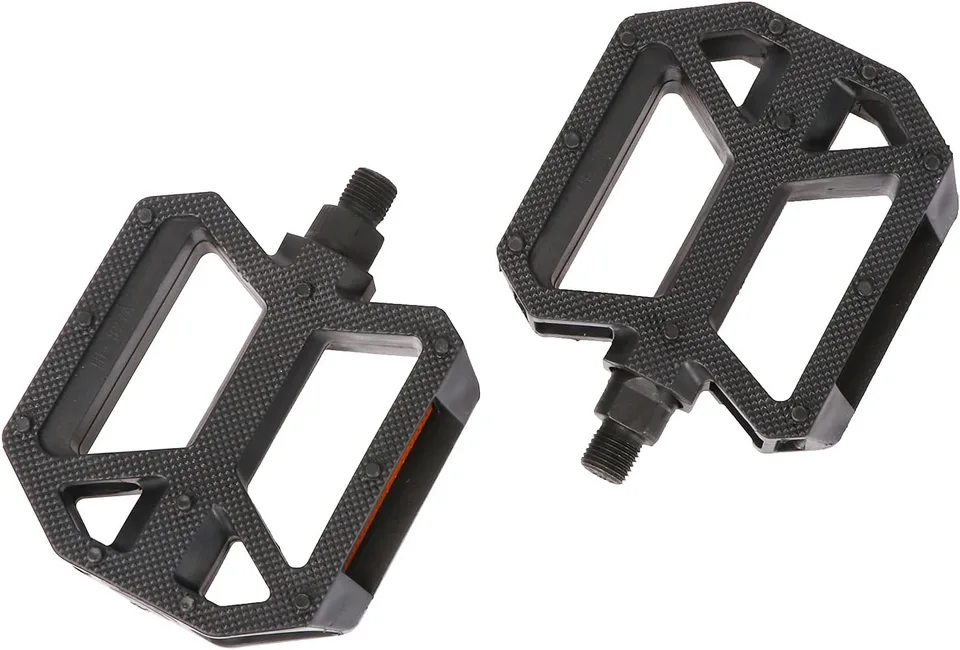
Avasta
AVASTA Polypropylene Bike Pedals
Two thread sizes (9/16" for adult bikes with 3-piece cranks, 1/2" for one-piece-crank kids' and BMX bikes). Identify your bike's crank type before installing.
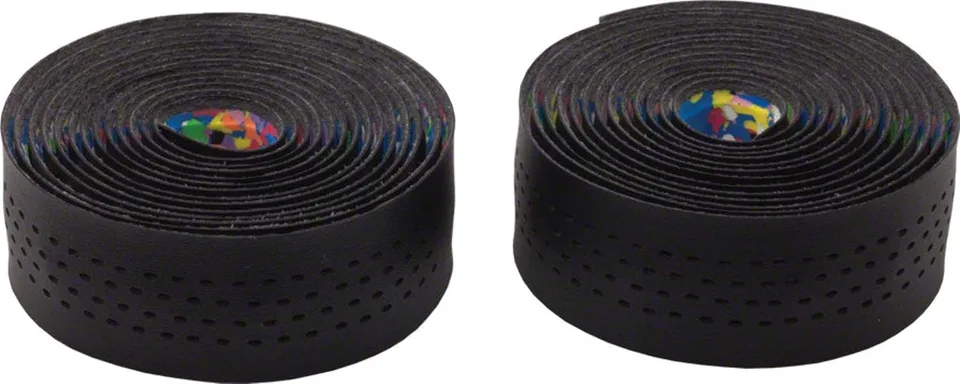
Cinelli
Cinelli Caleido Cork Tape
Standard drop-bar tape 23.8mm. 2m roll. Classic Italian aesthetic with natural materials.
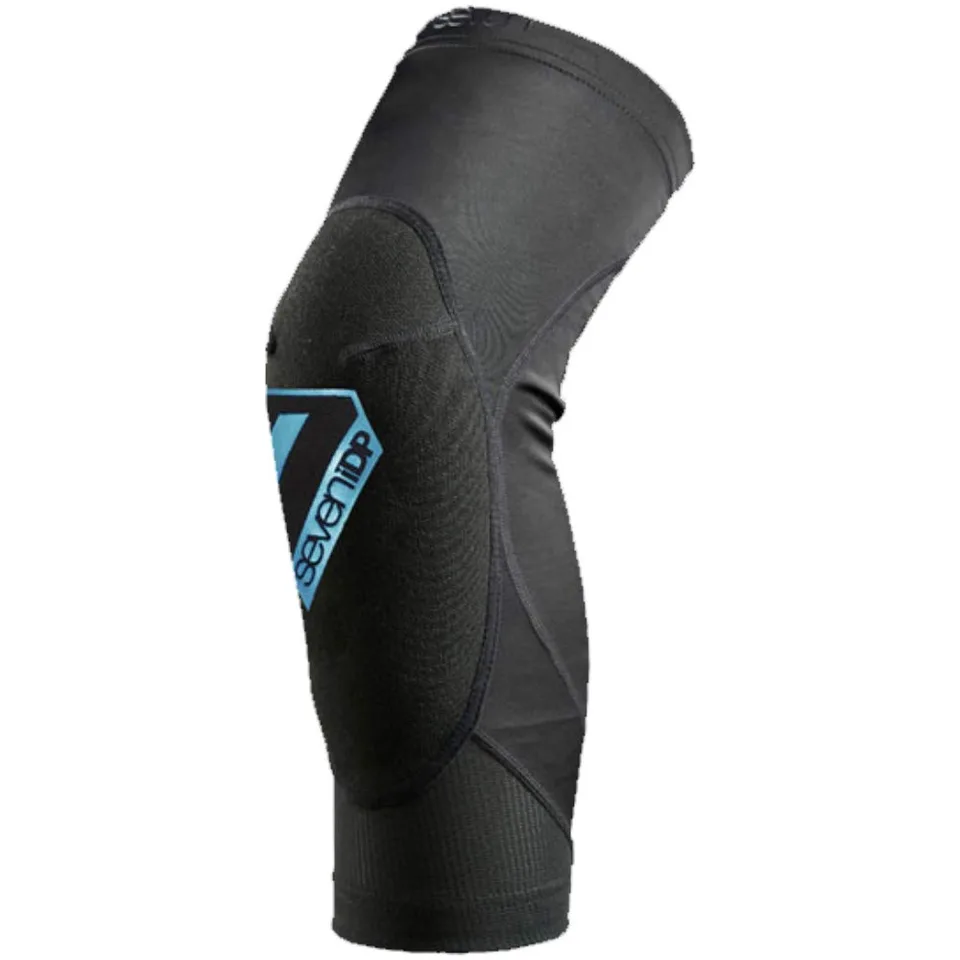
7idp
7iDP Youth Transition Knee Pad
Size XS fits 28-32 cm thigh circumference, 135-150 cm rider height
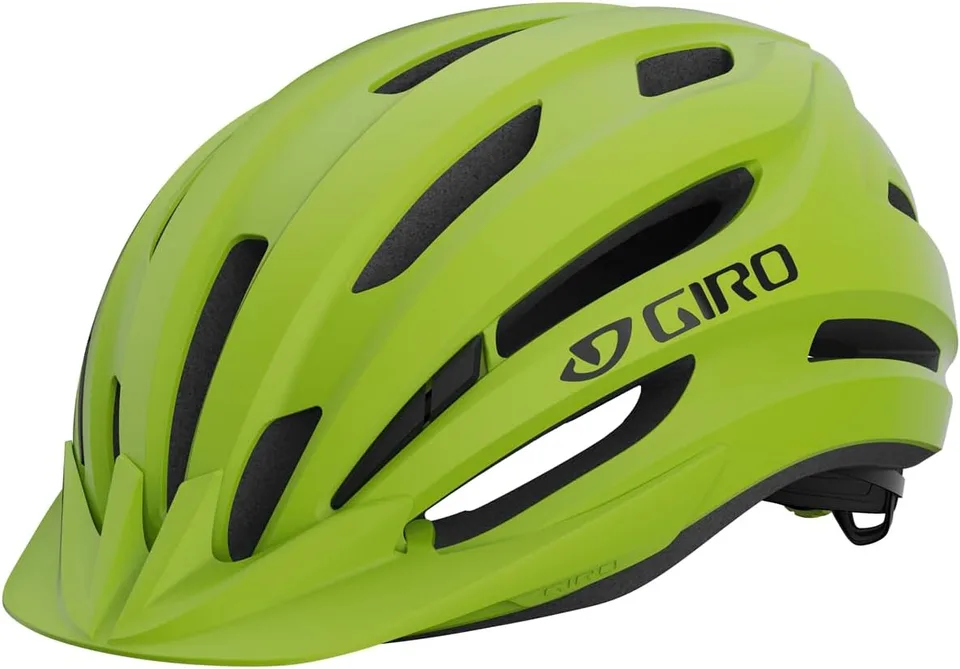
Giro
Giro Register MIPS
S 51-55 cm, M 55-59 cm, L 59-63 cm
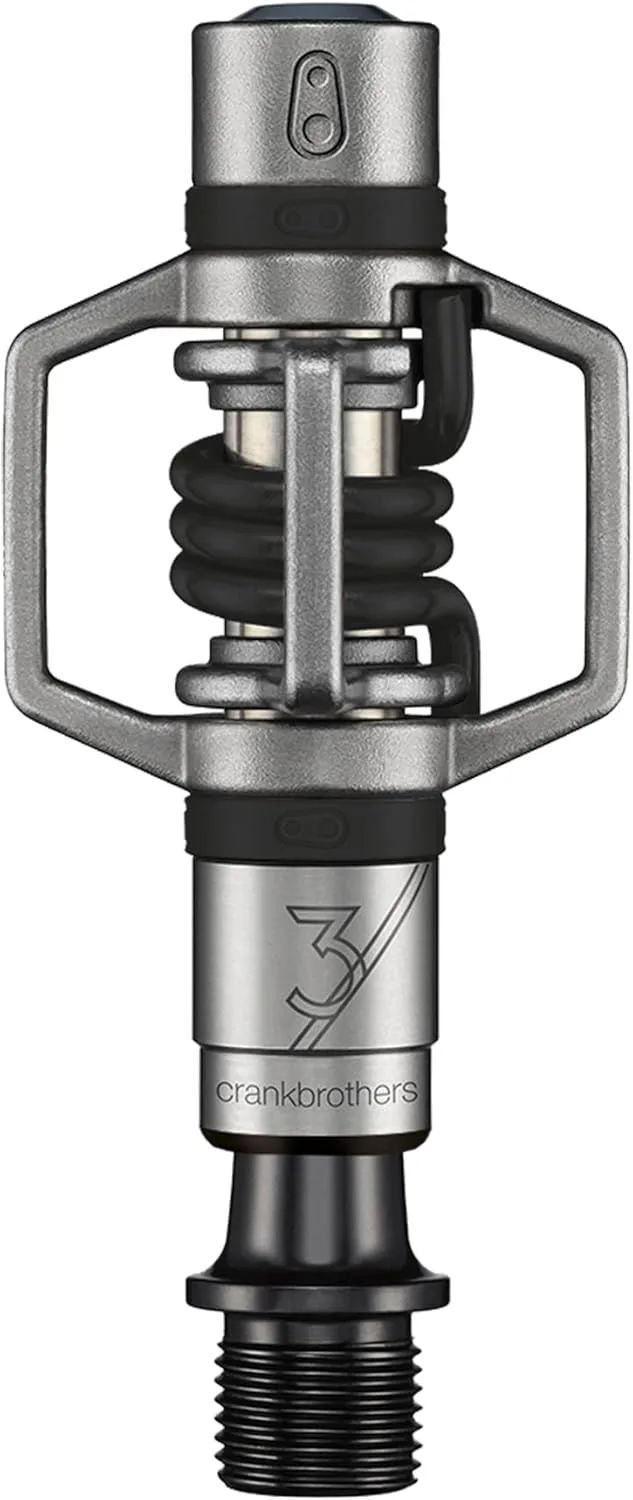
Crankbrothers
Crankbrothers Eggbeater 3
9/16" thread standard. Q-factor 142mm. Entry from 4 angles (0°, 90°, 180°, 270°).
Keep Exploring
Bike comparisons for women mountain bikers
Know the rules where you ride
Bike laws - helmets, sidewalk riding, lights, right of way - vary by state. Check the basics before you head out: