Maxxis Bike Tires
17 verified Maxxis tires, each with the size range, tread, and puncture protection spelled out so you can match a tire to your rim, frame clearance, and the surface you actually ride. Prices are checked on Amazon and update with current availability.
Maxxis is the de facto standard tire brand of professional mountain biking - its tread patterns (Minion DHF/DHR II, Assegai, Aggressor, Dissector) define the modern gravity tire and dominate World Cup downhill, Enduro World Series, and elite XC race results.
Maxxis tire picks
Every Maxxis tire below links straight to its Amazon listing for live pricing.
Maxxis
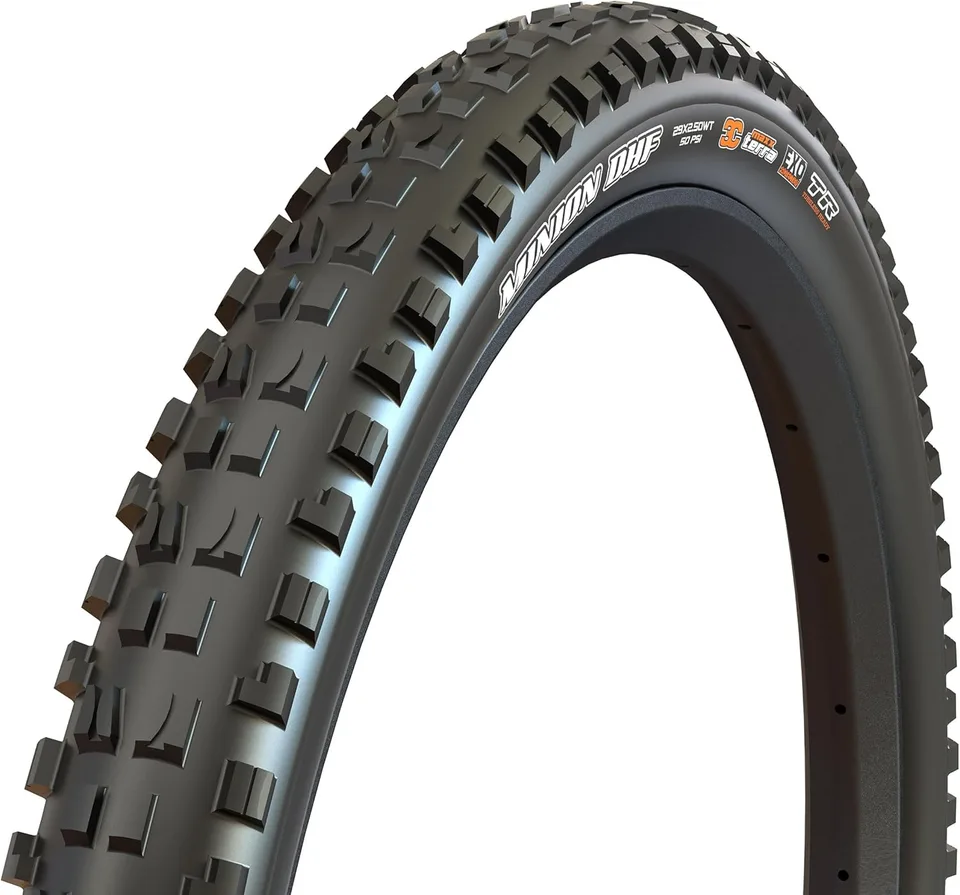
Maxxis Minion DHF
Most popular sizes: 29x2.5WT (modern enduro/trail front), 27.5x2.5WT (downhill), 27.5x2.3 (lighter trail). The wider WT (Wide Trail) versions are optimized for 30-35mm internal rims.
Maxxis
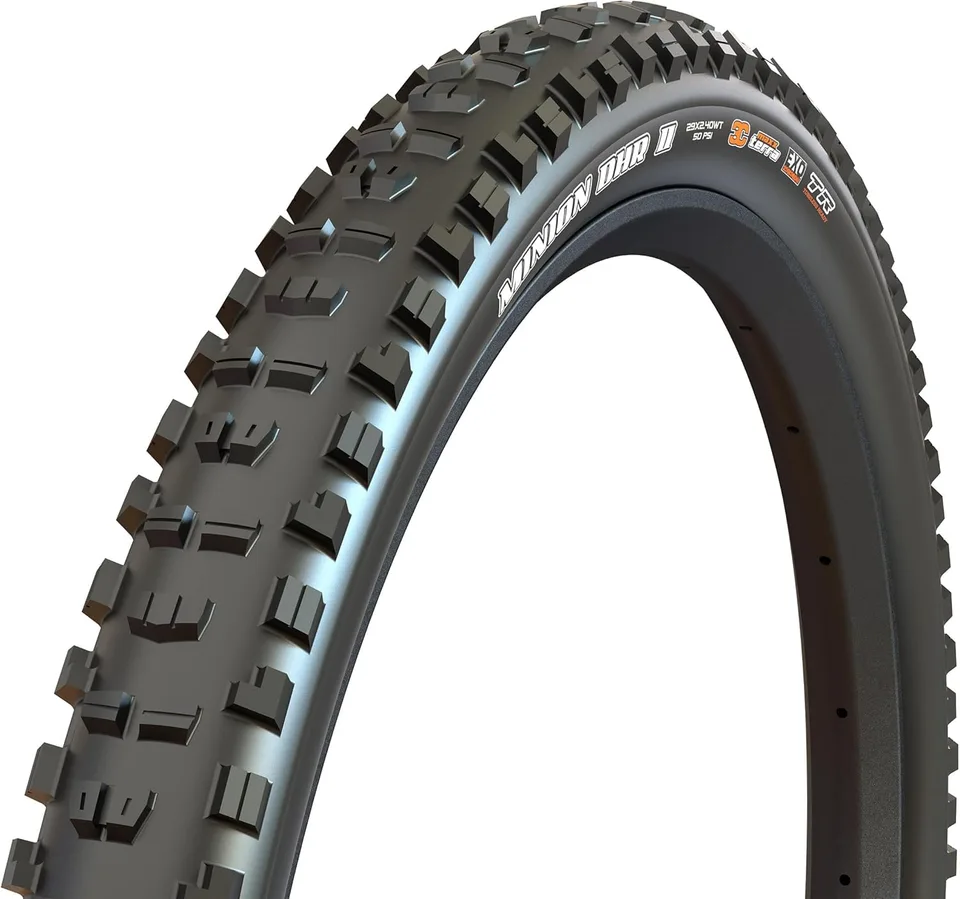
Maxxis Minion DHR II
Pair a 29x2.4WT or 29x2.5WT DHR II rear with a 29x2.5WT DHF front for the classic enduro setup. 27.5x2.4WT for World Cup downhill.
Maxxis
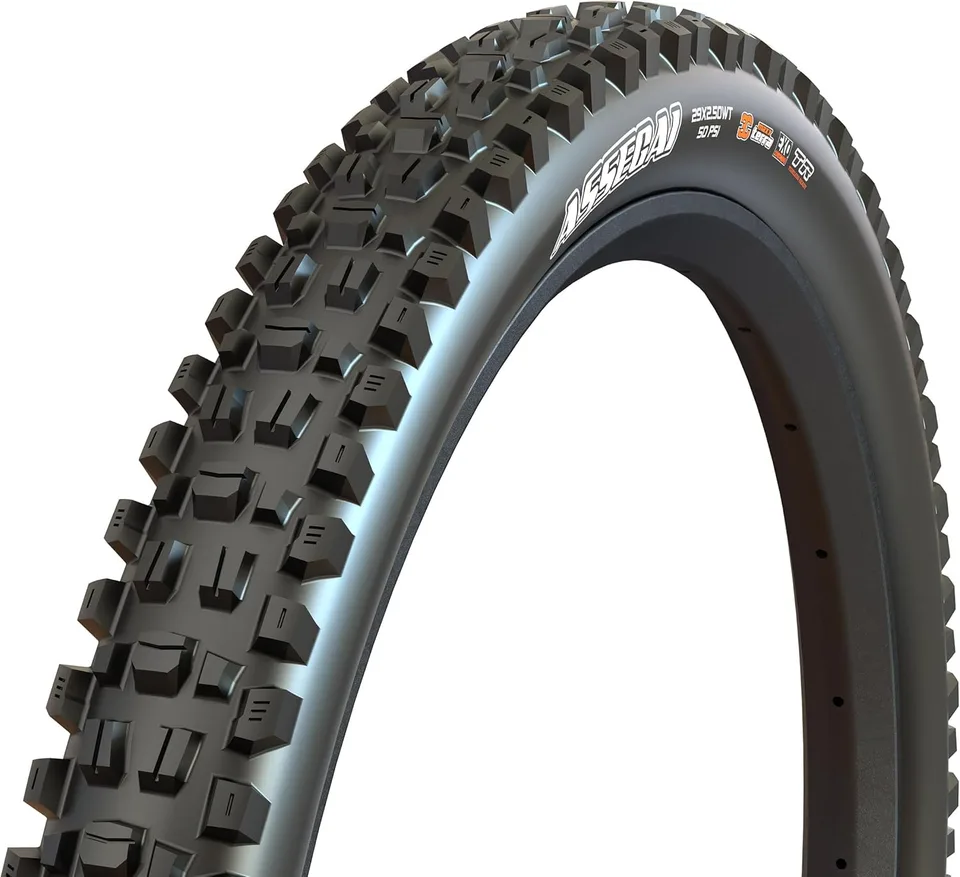
Maxxis Assegai
29x2.5WT is the dominant World Cup enduro front. Choose Assegai over DHF when you need maximum grip and don't mind slower rolling resistance.
Maxxis
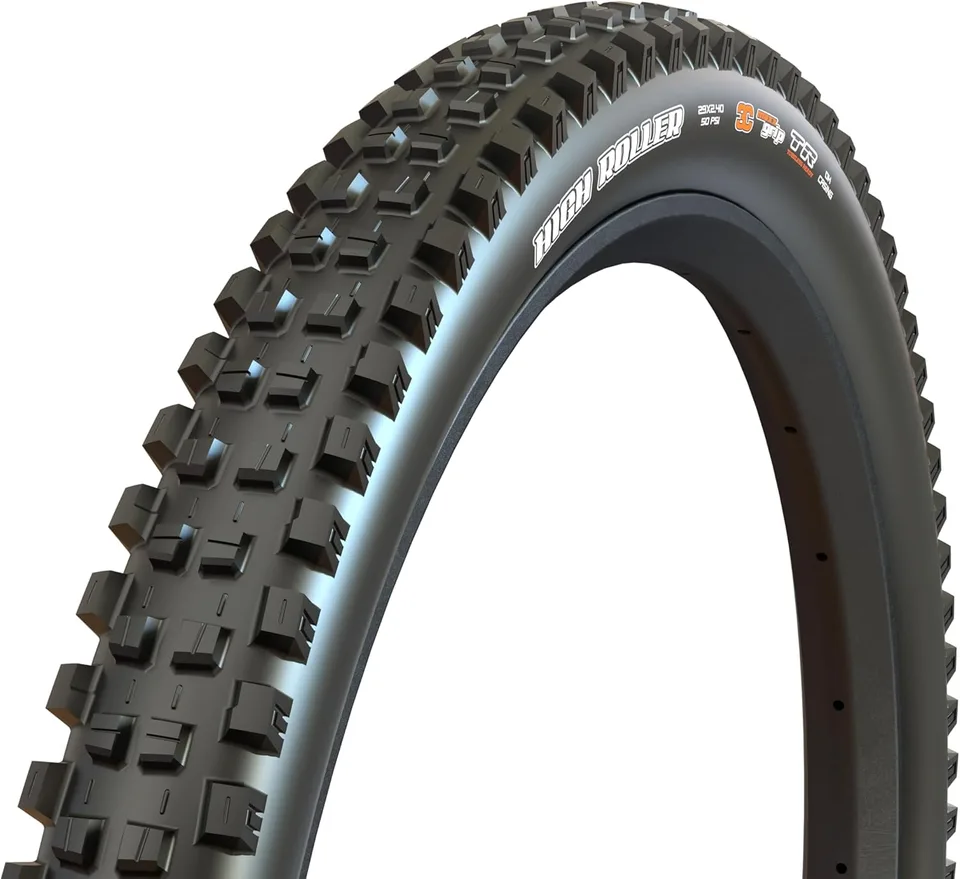
Maxxis High Roller 3
Picks up where the legendary High Roller II left off. Best when conditions are too soft for Assegai but don't quite warrant a Shorty mud spike.
Maxxis
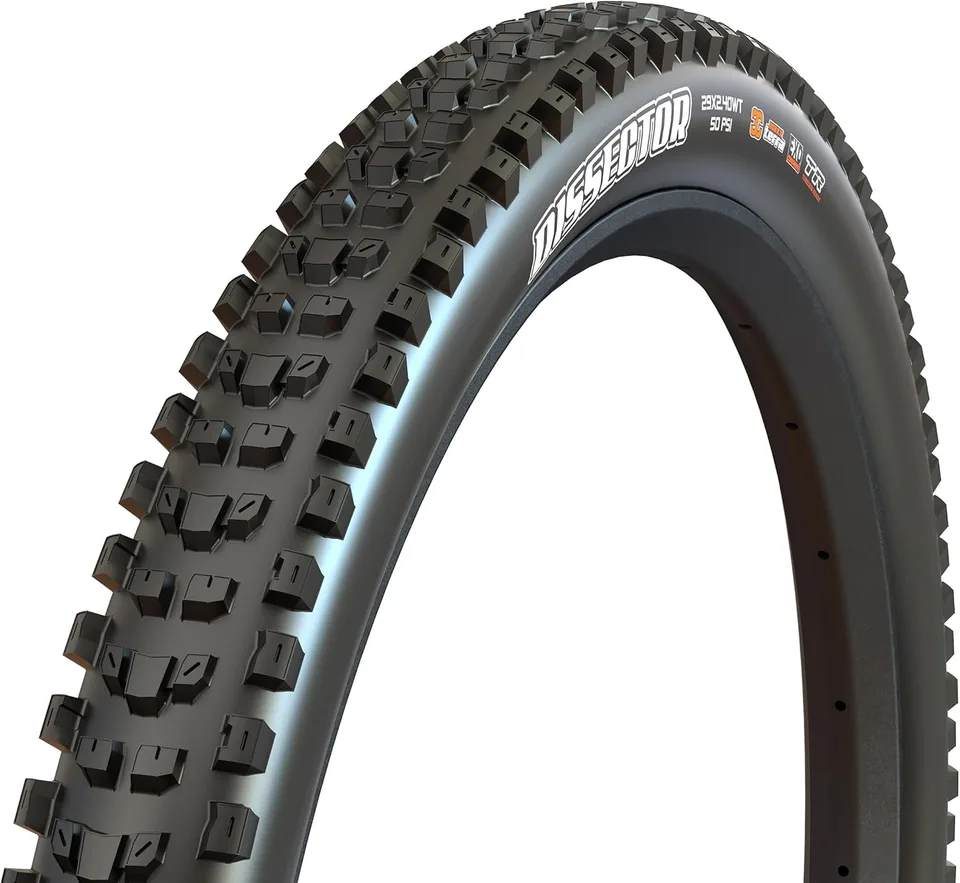
Maxxis Dissector Gen 2
Ideal as a fast-rolling rear on 130-150mm trail bikes. Pairs naturally with a DHF or Assegai front. For dryer/harder terrain over the DHR II.
Maxxis
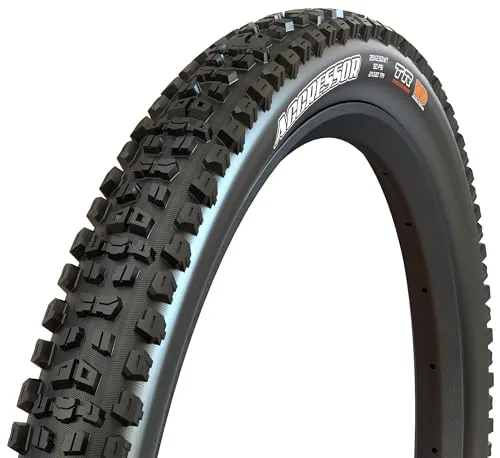
Maxxis Aggressor 29x2.30 DoubleDown
Popular as a high-mileage rear paired with a DHF or Assegai front. Faster rolling than the DHR II at the cost of some braking grip.
Maxxis
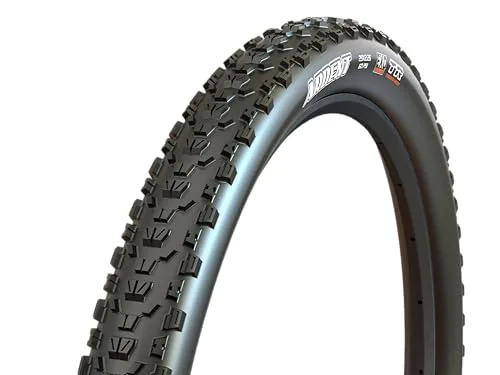
Maxxis Ardent EXO - 27.5 x 2.25
This offer is size 27.5x2.25 - EXO, color Black. Match the exact tire sidewall diameter, width and valve or bead requirements; other family sizes are separate listings.
Maxxis
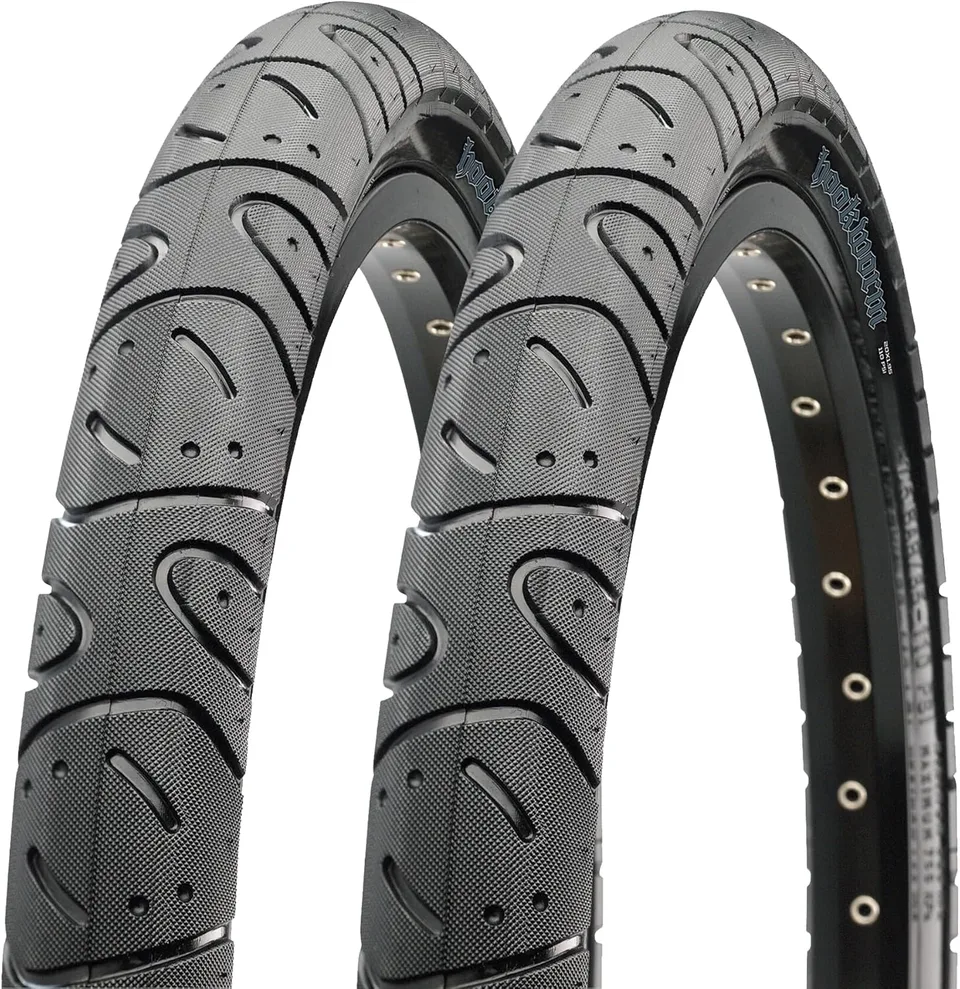
Maxxis Hookworm (2-Pack)
This listing is a 2-pack of 29x2.50. Choose by wheel size to match your bike — 26x2.5 is the original BMX/urban favourite; 29x2.5 fits modern dirt-jump and street MTB.
Maxxis
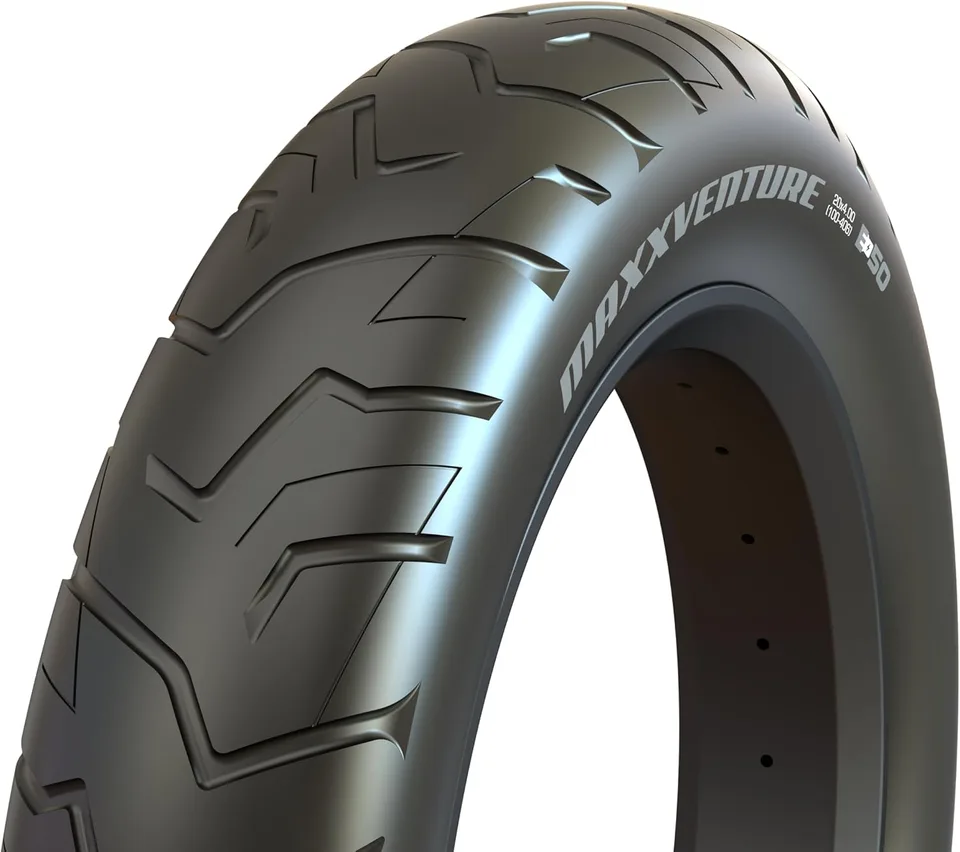
Maxxis MaxxVenture Fat E-Bike Tire
20x4.0 fits Super73, Lectric XP, RadRunner, and similar 20-inch fat e-bike platforms. Verify rim width compatibility (typically 65-100mm internal).
Maxxis
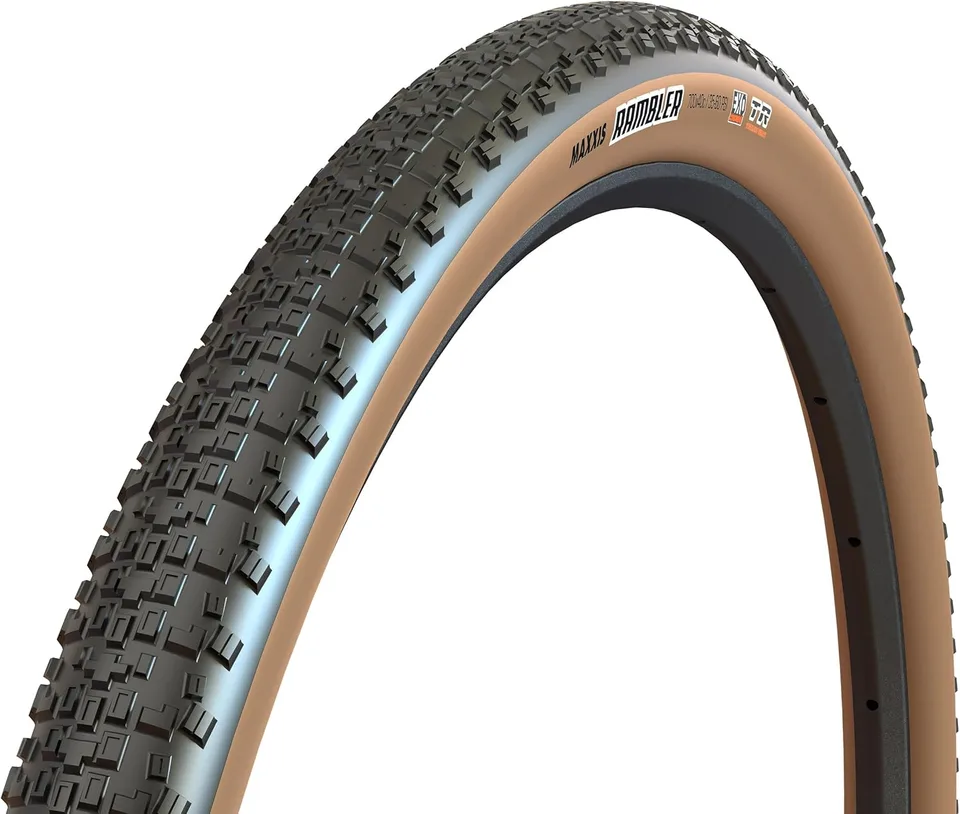
Maxxis Rambler
700x40 is the most popular size for general gravel; 700x45 / 50 for rougher routes; 650bx47 for plus-size gravel rigs. Up-size 5mm if you ride mostly singletrack.
Maxxis
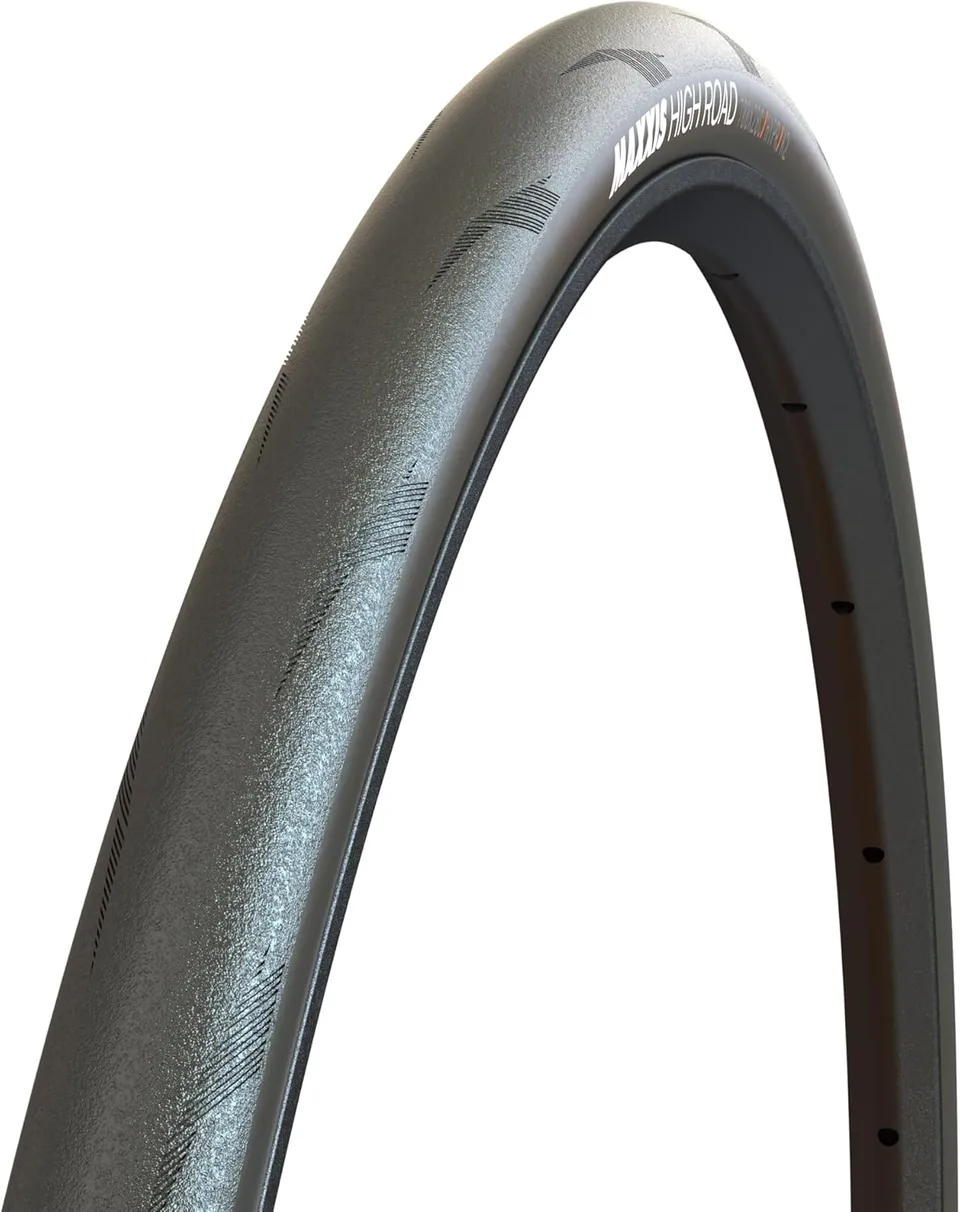
Maxxis High Road
700x28 is the modern road race default; 700x30 / 32 for endurance and rough roads. ZK casing is the race version; SL is heavier-but-tougher training spec.
Maxxis
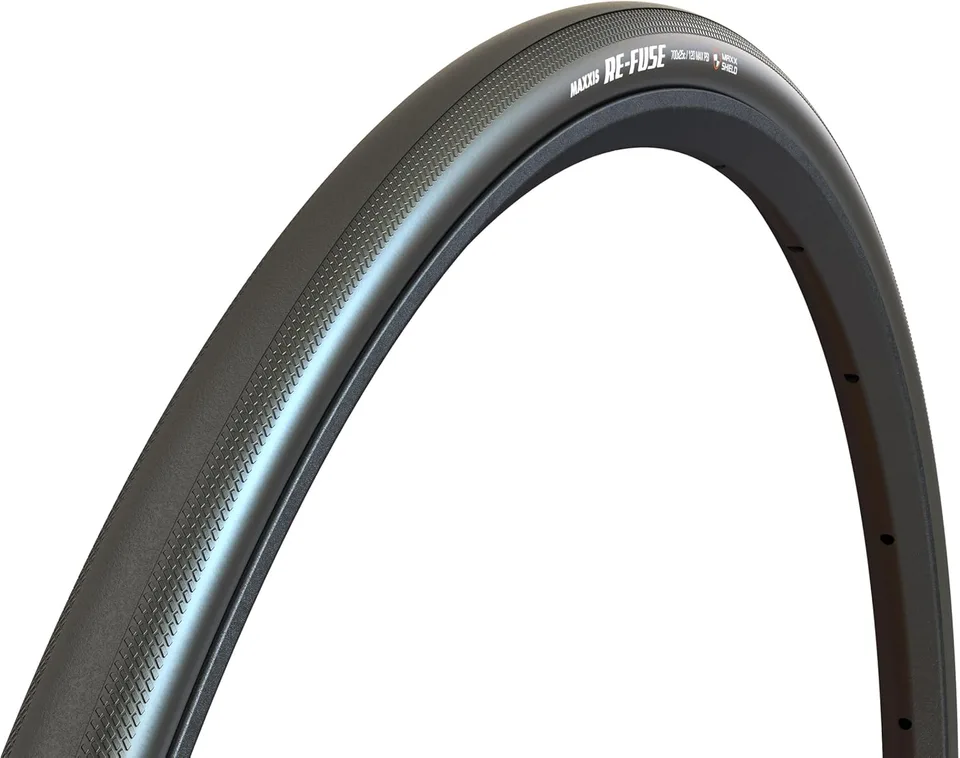
Maxxis Re-Fuse Gen 2
The go-to high-mileage trainer and commuter tire. 700x28 fits most road bikes; 700x32 / 40 widens compatibility to gravel-capable road frames.
Maxxis
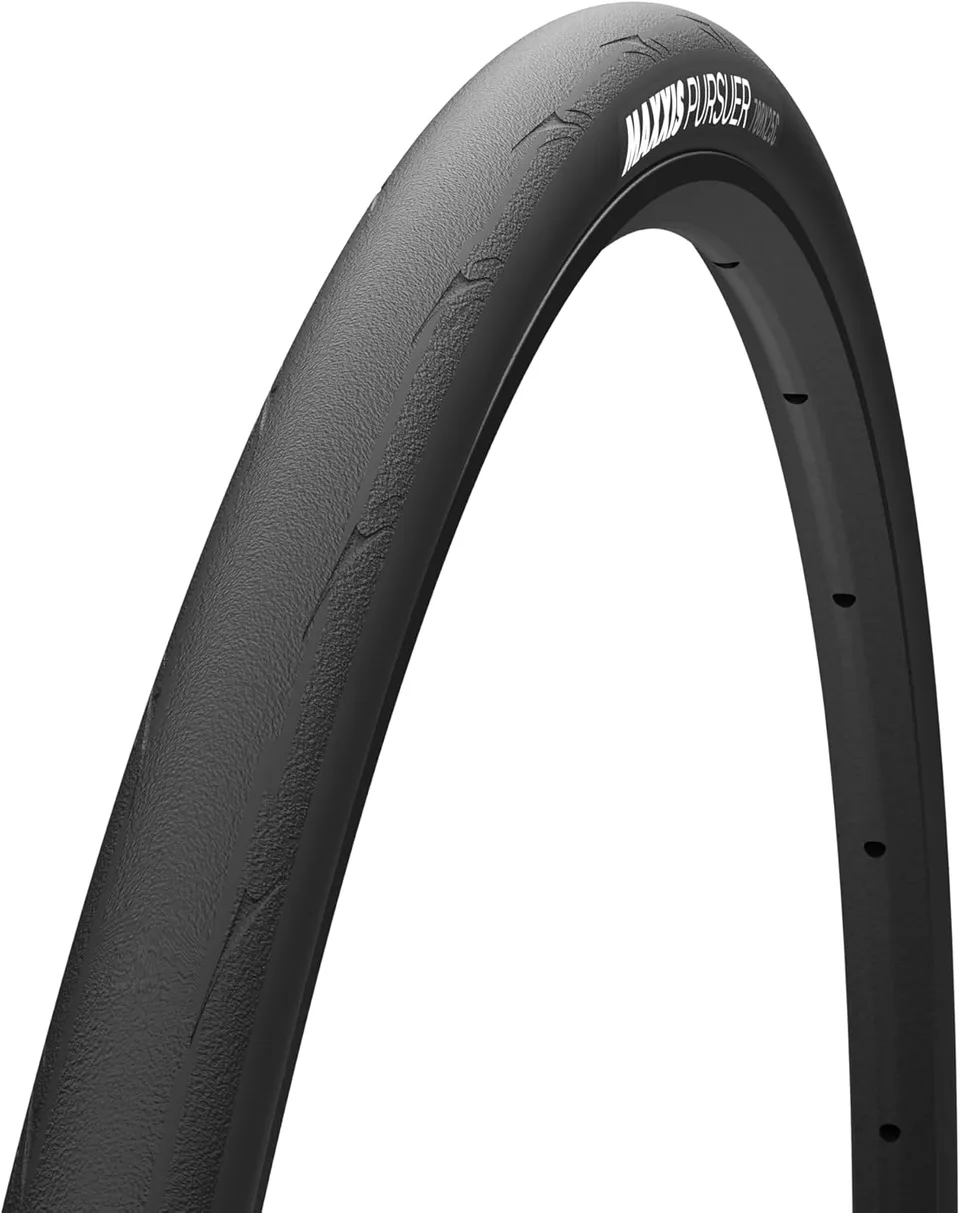
Maxxis Pursuer
700x28 is the modern training default; size up to 700x30 or 700x32 for rougher pavement, mixed surfaces, or wider modern road rims (19-21mm internal).
Maxxis
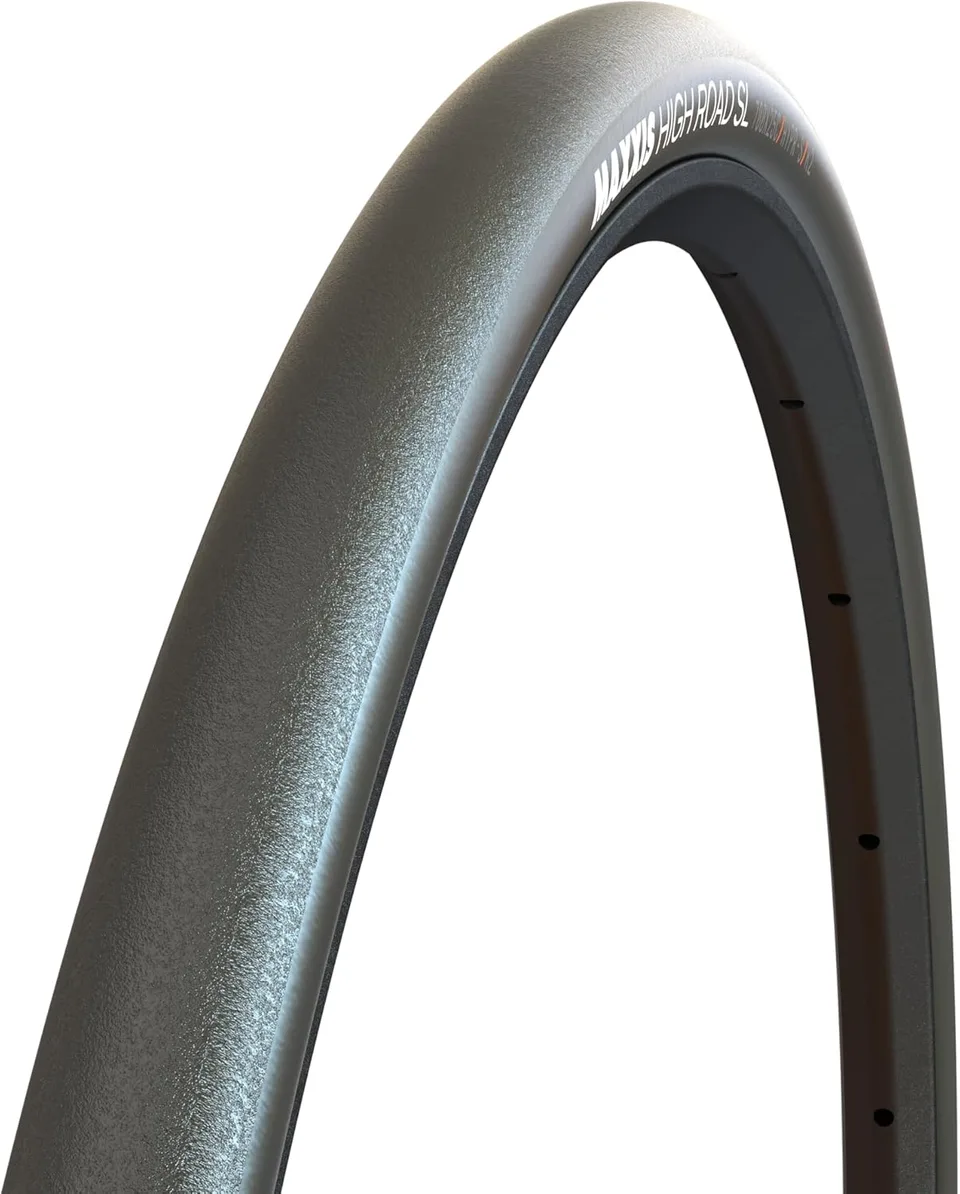
Maxxis High Road SL
700x28 is the modern race default on 21-25mm internal rims; 700x25 still has a place on tighter aero frames. Race-day tire — pair with a more durable trainer for everyday miles.
Maxxis
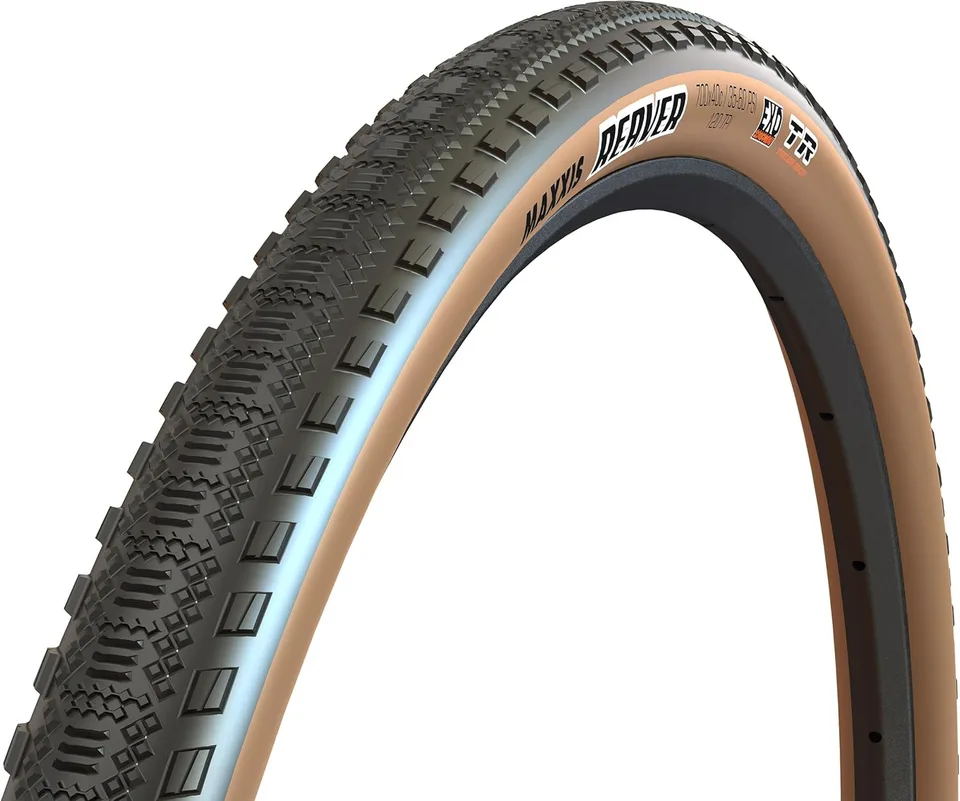
Maxxis Reaver
700x40 for hard-pack and traditional gravel race courses; 700x45 for modern wide-tire gravel events and rougher terrain. Pairs natively with 23-25mm internal gravel rims.
Maxxis
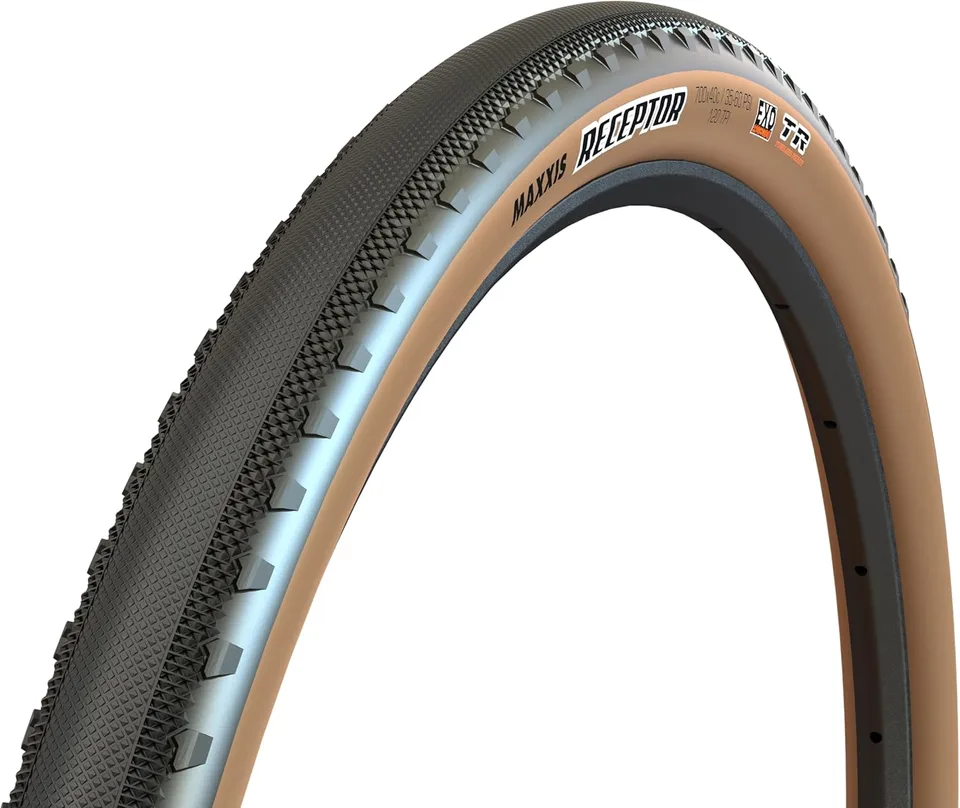
Maxxis Receptor
650x47B for plus-style gravel setups and bikepacking comfort; 700x40 or 700x47 for modern gravel race and adventure rigs. Run as a semi-slick rear with a more aggressive front for the best of both worlds.
Maxxis
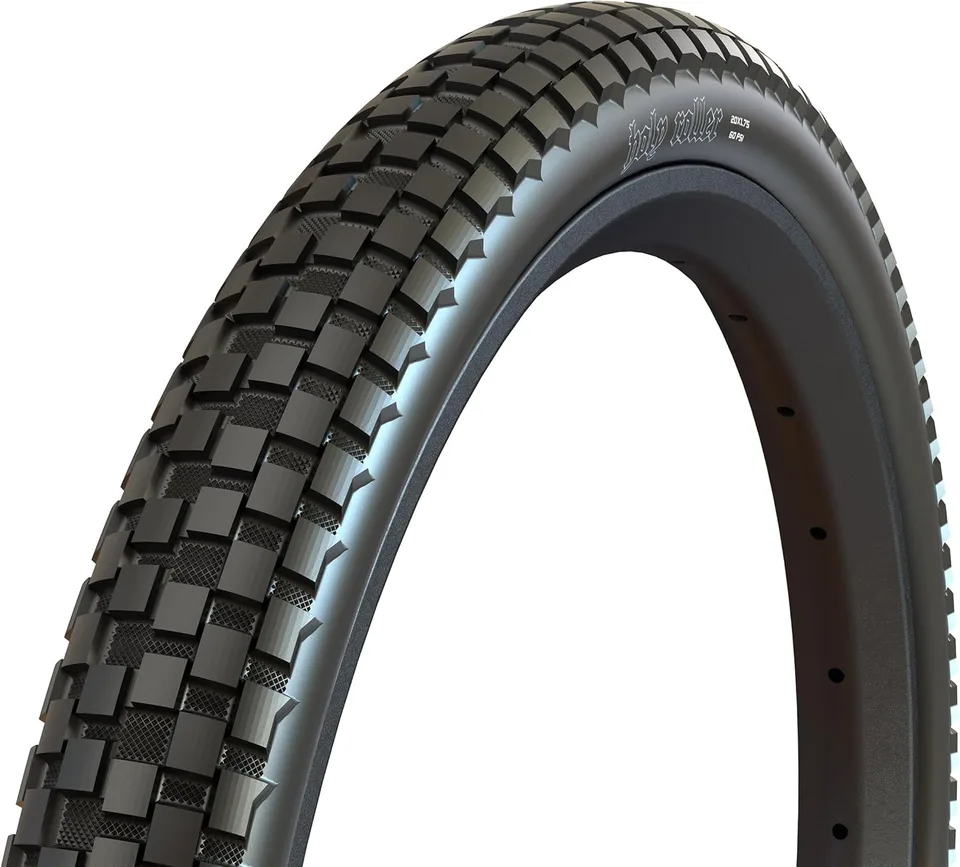
Maxxis Holy Roller
Most popular as 26x2.40 for urban / dirt jump, 20x1.95 for BMX park, and 29x2.20 for hybrid / commuter use. Wire bead keeps the price down — folding-bead version not offered.
As an Amazon Associate we earn from qualifying purchases. Purchases made through these links help support our free calculators.
Maxxis tire range, model by model
What each model is built for, the sizes it comes in, and the fit notes worth knowing before you buy.
- Gravity-focused front tire - the gold standard, in production since 2003
- Available 24", 26", 27.5" and 29" - widths from 2.3" to 3.0" WT
- Compounds: Dual, 3C MaxxTerra, 3C MaxxGrip - ramped center knobs roll fast, paddled side knobs bite hard in corners
- Casings: EXO (trail), EXO+ (enduro), DD (Double Down), DH (downhill) - all tubeless ready
Sizing: Most popular sizes: 29x2.5WT (modern enduro/trail front), 27.5x2.5WT (downhill), 27.5x2.3 (lighter trail). The wider WT (Wide Trail) versions are optimized for 30-35mm internal rims.
- Rear companion to the DHF - paddle center knobs for braking traction, square side knobs for cornering
- Available 24", 26", 27.5", 29" in widths 2.3" to 2.6" WT
- Dual, 3C MaxxTerra, and 3C MaxxGrip compounds
- EXO / EXO+ / DD / DH casings, all tubeless ready
Sizing: Pair a 29x2.4WT or 29x2.5WT DHR II rear with a 29x2.5WT DHF front for the classic enduro setup. 27.5x2.4WT for World Cup downhill.
- Designed in collaboration with downhill legend Greg Minnaar
- Aggressive enduro/DH front tread - supreme braking and lean-angle cornering grip
- 27.5" and 29", widths 2.4" / 2.5" WT
- Best in 3C MaxxGrip compound for ultimate grip; MaxxTerra for longer wear
Sizing: 29x2.5WT is the dominant World Cup enduro front. Choose Assegai over DHF when you need maximum grip and don't mind slower rolling resistance.
- All-new 2024 hybrid tread between Shorty mud spike and Assegai aggressive front
- Lower-height mid-spike center knobs penetrate soft, loose, and dusty terrain
- Large supported side knobs for predictable cornering
- 29" and 27.5" in 2.4" / 2.5" WT
Sizing: Picks up where the legendary High Roller II left off. Best when conditions are too soft for Assegai but don't quite warrant a Shorty mud spike.
- Updated 2025 generation - Troy Brosnan's signature trail/enduro rear tire
- Split center knobs with 2-3-2 layout for braking control without sacrificing roll speed
- Outward-pushed transition knobs for smoother cornering
- 29" / 27.5" in 2.4" / 2.6" WT - 3C MaxxTerra compound, EXO+ casing
Sizing: Ideal as a fast-rolling rear on 130-150mm trail bikes. Pairs naturally with a DHF or Assegai front. For dryer/harder terrain over the DHR II.
- Fast-rolling enduro rear tire with dual-compound tread
- 29x2.30 size with DoubleDown (DD) casing
- E25 rated
Sizing: Popular as a high-mileage rear paired with a DHF or Assegai front. Faster rolling than the DHR II at the cost of some braking grip.
Maxxis Ardent EXO - 27.5 x 2.25
Mountain Trail- Model: Maxxis Ardent EXO - 27.5 x 2.25
- Selected size: 27.5x2.25 - EXO
- Selected color: Black
Sizing: This offer is size 27.5x2.25 - EXO, color Black. Match the exact tire sidewall diameter, width and valve or bead requirements; other family sizes are separate listings.
- Iconic urban / BMX / cruiser tire with wraparound slick tread
- Designed to take pavement, skatepark, and street abuse
- Available 20", 24", 26", 27.5", 29" - typical width 2.5"
- 60 TPI clincher casing, wire bead
Sizing: This listing is a 2-pack of 29x2.50. Choose by wheel size to match your bike — 26x2.5 is the original BMX/urban favourite; 29x2.5 fits modern dirt-jump and street MTB.
- Designed for 20" fat-tire e-mopeds and class-3 e-bikes
- Grooved slick tread - primarily street, capable of mild gravel detours
- 20x4.0 (single size, single compound)
- E50 ebike-certified (highest e-bike speed rating)
Sizing: 20x4.0 fits Super73, Lectric XP, RadRunner, and similar 20-inch fat e-bike platforms. Verify rim width compatibility (typically 65-100mm internal).
- All-around gravel tire - tightly packed center knobs roll quickly, aggressive side knobs corner
- 650b and 700c - widths from 38mm to 50mm
- Dual compound rubber, EXO or SilkShield puncture protection
- Tubeless ready, folding bead
Sizing: 700x40 is the most popular size for general gravel; 700x45 / 50 for rougher routes; 650bx47 for plus-size gravel rigs. Up-size 5mm if you ride mostly singletrack.
- Maxxis' flagship road race clincher
- HYPR full-silica compound - 16% lower rolling resistance and 23% better wet grip vs prior compound
- K2 puncture protection breaker - lighter and more supple than Kevlar/Vectran
- 120 TPI folding casing, ~210g (700x25)
Sizing: 700x28 is the modern road race default; 700x30 / 32 for endurance and rough roads. ZK casing is the race version; SL is heavier-but-tougher training spec.
- Updated training and commuting clincher - faster, lighter, and more durable than original Re-Fuse
- Slick center with micro knobs for added cornering control on damp roads
- Single-compound full-silica all-season rubber
- MaxxShield puncture protection
Sizing: The go-to high-mileage trainer and commuter tire. 700x28 fits most road bikes; 700x32 / 40 widens compatibility to gravel-capable road frames.
- Sport-level training and everyday road tire — single compound, folding bead
- Available 700x25, 700x28, 700x30, 700x32 — clincher, durable casing
- Slick center for low rolling resistance, light file tread on shoulders for confidence
- Strong puncture protection for trouble-free training miles and casual group rides
Sizing: 700x28 is the modern training default; size up to 700x30 or 700x32 for rougher pavement, mixed surfaces, or wider modern road rims (19-21mm internal).
- Maxxis lightest and fastest road racing tire — race-use only
- HYPR-S compound — even lower rolling resistance than the standard High Road
- K2 puncture protection belt under the tread, ONE70 sidewall
- Available 700x25 and 700x28 — clincher / TR ready
Sizing: 700x28 is the modern race default on 21-25mm internal rims; 700x25 still has a place on tighter aero frames. Race-day tire — pair with a more durable trainer for everyday miles.
- Dedicated gravel racing tire — faster, lighter, more durable than the Rambler
- Low-profile diamond-knurled center for low rolling resistance
- Spaced, offset side knobs with grooves for cornering bite and casing flex
- Available 700x40 and 700x45 — Dual Compound, EXO casing, Tubeless Ready
Sizing: 700x40 for hard-pack and traditional gravel race courses; 700x45 for modern wide-tire gravel events and rougher terrain. Pairs natively with 23-25mm internal gravel rims.
- Semi-slick gravel tire — fast-rolling slick center, knobby shoulders for cornering
- Available 700x40, 700x47 and 650x47B — Dual Compound, EXO casing, Tubeless Ready
- Best on hard-pack gravel, smooth dirt, and dry singletrack — not for mud
- Lighter and faster than fully-knobbed gravel tires when conditions allow
Sizing: 650x47B for plus-style gravel setups and bikepacking comfort; 700x40 or 700x47 for modern gravel race and adventure rigs. Run as a semi-slick rear with a more aggressive front for the best of both worlds.
- Maxxis most versatile BMX / urban tire — dirt-to-pavement crossover tread
- Tightly-spaced center knobs with deep-cut groove for straight-line speed
- Available 20", 24", 26" and 29" — wire bead, single compound, Silkworm puncture belt
- Hooks up in medium-density soil and trails; rolls fast on pavement
Sizing: Most popular as 26x2.40 for urban / dirt jump, 20x1.95 for BMX park, and 29x2.20 for hybrid / commuter use. Wire bead keeps the price down — folding-bead version not offered.
How to size Maxxis tires
Every bike tire carries two size numbers on the sidewall: the modern ETRTO (ISO 5775) format like 28-622 - width in millimetres, then bead-seat diameter - and an older Imperial label like 700×28c, 26×2.10, or 20×4.0. The first number stays the same regardless of width (700c = 622 mm, 26" MTB = 559 mm, 27.5" = 584 mm, 29"/700c = 622 mm). Width affects everything: a 700×25c rolls fast on smooth roads, 700×32-35c is the modern endurance and gravel default, 2.1-2.4" suits trail MTB, and fat-bike tires run 4.0-4.8" wide for sand and snow. Kids bikes follow wheel diameter - 12", 14", 16", 18", 20", and 24" - and replacement tires must match exactly. Always check your rim's max width and your frame/fork clearance (typically printed on the chainstay or fork) before going wider.
What to check before you buy
- Tread pattern: slick or file tread for road and smooth pavement, semi-slick with side knobs for gravel and light trail, full knobby for MTB and loose terrain, and 4.0"+ paddle-style lugs for fat-bike snow and sand.
- Puncture protection: look for a Kevlar or Vectran belt under the tread, sidewall reinforcement (Continental's 'Plus' / 'Hardshell', Schwalbe's GreenGuard / SmartGuard) - adds 50-150 g per tire but dramatically reduces flats for commuters and tour riders.
- TPI (threads per inch) of the casing: 60 TPI is durable and value-priced; 120-320 TPI rolls faster and conforms better but cuts more easily - match TPI to terrain.
- Folding (Kevlar) bead vs wire bead: folding tires save 50-100 g per tire and pack down for spares; wire-bead tires are cheaper and slightly more durable for everyday city use.
- Tubeless-ready (TLR / TR / TLE) vs tubed: tubeless seals small punctures with sealant, runs lower pressures for grip and comfort, and is now standard on gravel and MTB - but requires tubeless-compatible rims, valves, and sealant top-ups every 2-4 months.
- Intended terrain and weight rating: heavier riders and ebike riders should look for an ebike-rated tire (e.g. ECE-R75, the European spec for S-pedelecs up to 45 km/h) or a reinforced casing; touring riders prioritise sidewall protection over weight.
Other tire brands to compare
Cross-shop Maxxis against the other tire makers we cover in depth, with the same sizing notes and Amazon-checked picks.
More from Maxxis
Maxxis also makes gear in these categories, each with its own sizing guide and verified picks.
Tires by rider
Tread, width, and durability picks tuned to how you ride.
Not sure which size to order?
Read the numbers on your current tire's sidewall first. Width and bead-seat diameter decide what fits before brand or tread ever do.