What to Do If Your Bike Is Stolen: A Recovery Action Plan
How-To
Having a bike stolen is gutting, and the first hour matters more than most people realize. The good news: bikes are recovered far more often than the "it's gone forever" folklore suggests, and the steps that make recovery possible are simple if you take them quickly. This guide walks through exactly what to do, in order, from the police report to the insurance claim - and how to leave a net out so a recovered bike can find its way home weeks or months later.
Quick Answer
Find your frame serial number, file a police report and save the case number, then mark the bike stolen on Bike Index and Project 529. Search local marketplaces and bike shops, and file an insurance claim if the value justifies it. Never confront a seller yourself - hand evidence to the police instead.
This article is general information, not legal advice. Theft-reporting procedures, insurance terms, and registration programs vary by location - confirm the specifics with your local police department and your insurer.
Tools for the Aftermath
Whether you recover the bike or end up replacing it, these free calculators help you get the next bike sized correctly so the replacement actually fits.
The First Hour
Speed helps because a stolen bike is most exposed right after it is taken. Many bikes are sold within days, locally, on resale apps - so the sooner the serial number is on a police record and flagged on the public registries, the better the odds someone spots it. Before you do anything else, do a quick reality check: walk back to where you parked and confirm it is actually gone and not impounded by a property manager, towed from a no-parking rack, or borrowed by a family member. It happens more than you would think.
Once you are sure it is stolen, work through the steps below in order. The first three (details, police report, registries) are the ones that actually drive recovery. The rest protect you financially and stop it happening again.
Step 1: Gather Your Bike Details
Everything downstream depends on one number: the frame serial number. It is the unique identifier police and shops use to confirm a recovered bike is yours. On most bikes it is stamped into the metal underneath the bottom bracket shell - turn the bike upside down and it is the cluster of digits where the pedals and cranks attach. Some brands put it on the head tube, seat tube, or a rear dropout instead.
Already stolen and you never recorded it?
The serial number is probably still findable. Check your original receipt or invoice, the bike's original box or hang tag, your account with the manufacturer (Trek, Specialized, Cannondale and others tie the serial to your profile at purchase), or any registry, shop service record, or warranty card. Photograph the serial number on every bike you own today so you never have to do this scramble.
Alongside the serial number, write down or assemble:
- Make, model, model year, and frame size - and the component highlights (groupset, wheels) if it is a higher-end build.
- Color and any distinguishing marks - stickers, scratches, a non-stock saddle, mismatched pedals, a name engraved on the frame. Quirks make a bike identifiable.
- Your best photos - ideally clear, well-lit shots from a few angles taken before the theft. A photo of the serial number itself is gold.
- Proof of ownership - the receipt, a credit-card statement line, or a manufacturer registration confirmation.
Step 2: File a Police Report
File a report with the police department where the bike was stolen. Many cities let you do this online for a property theft, which is faster than going in person; for higher-value bikes or if you have a suspect or evidence, an in-person report can carry more weight. Give them the serial number, make, model, color, photos, value, and the time and place of the theft. Then save the case or report number - you will need it for the registries and the insurance claim.
A report on a single bike rarely launches an investigation, and that is fine. Its real value is twofold. First, it puts your serial number into the system officers check when they recover bikes or process pawn-shop intakes - police enter stolen bikes and their serial numbers into the FBI's National Crime Information Center (NCIC) Stolen Article File, which any US agency can query when a bike turns up[1]. Second, most insurers require a police report before paying a theft claim[2]. Skipping this step closes off both recovery and reimbursement, so do it even when you are not optimistic.
Bicycle theft is generally handled as ordinary property theft - there is no national bike-theft registry run by any government agency, and no US state operates a statewide bike registry[5]. If you are curious about how registration and licensing actually work (and where the rare mandatory programs exist), our guide to bicycle registration and licensing laws breaks it down state by state, and the Bike-Laws Hub covers the rest of the rules cyclists ask about. Riding in New York City? Our guide to reporting a stolen bike in NYC walks through the NYPD online report and precinct process step by step.
Step 3: Mark It Stolen on Registries
Private theft-recovery registries are the most effective recovery tool most cyclists have, and they are free. They are not law enforcement and have no legal authority, but police in many cities query them when they recover bikes, and buyers and shops use them to screen suspicious sales. Two are worth using together:
- Bike Index - an open, nonprofit database and the largest in North America. It is free, searchable by anyone, and checked by police departments in many cities. Marking a bike stolen pushes it into public theft alerts[3].
- Project 529 (529 Garage) - widely used in the Pacific Northwest and Canada, with an app, a community of riders who get alerted to nearby thefts, and an optional tamper-resistant frame shield[4].
- Manufacturer accounts - if you registered the bike with Trek, Specialized, Cannondale, or another brand at purchase, note it as stolen there too. Police rarely query these, but it documents ownership.
If your bike was already registered, log in and switch its status to stolen, then add the police case number. If it was never registered, you can still create a stolen listing now using the serial number and photos you gathered in Step 1. Either way, the serial number is the field that does the work, so double-check it for typos.
Step 4: Search Marketplaces and Locally
Most stolen bikes are sold quickly and locally, so this is where active effort pays off in the first couple of weeks. Cast a wide net:
- Resale marketplaces - watch Facebook Marketplace, Craigslist, OfferUp, eBay, and any local buy/sell apps. Search by model and by the generic description ("black gravel bike 56cm"), since thieves often misdescribe bikes.
- Local cycling and neighborhood groups - post your photos and details in city subreddits, Facebook cycling groups, and neighborhood apps. Cyclists are a tight community and frequently spot listed or abandoned bikes.
- Bike shops and pawn shops - call or visit nearby shops with your serial number. Reputable shops flag bikes that come in for service or resale with mismatched ownership, and pawn shops in many areas are required to log serial numbers.
Watch for relisting
Keep the stolen flags on Bike Index and Project 529 active even after the trail goes cold. Bikes resurface when they are pawned, relisted months later, or recovered in an unrelated case. A live registry listing with your serial number is a passive search that runs for years with no effort from you.
Step 5: File an Insurance Claim
If the bike is valuable enough to justify it, file a claim. A standard homeowners or renters policy typically covers personal property, including a bike stolen away from home - reimbursing you minus your deductible - but the details matter[2]. Your deductible is subtracted from any payout, there may be a per-item cap on bikes, and some policies pay depreciated value rather than replacement cost. For an expensive bike, the deductible alone can swallow most of the claim, and filing may nudge your premium up at renewal.
Read your policy's limits before you file, and weigh whether the payout beats the long-term premium cost. Riders with high-value bikes, e-bikes, or who race or travel with their bikes often find a dedicated bicycle policy or a scheduled rider covers gaps a basic policy leaves open. Our bike insurance overview explains what dedicated coverage adds. Whatever route you take, you will need the police report and proof of ownership to file.
If You Spot Your Bike
Finding your stolen bike for sale is exhilarating, and the right move is to slow down. Do not arrange to meet the seller and take it back yourself. Confronting a stranger over property can escalate quickly, and you have no way to know who you are dealing with. Instead:
- Screenshot everything - the listing, photos, price, seller profile, and any location or contact details.
- Take it to the police with your case number and serial number. Recovery of stolen property is their job.
- Let an officer handle any meeting with the seller. If police arrange a buy or recovery, follow their lead and stay out of it.
Your evidence wins this, not a face-off. A matching serial number, your dated photos, and a receipt are what let the police return the bike and, sometimes, charge the seller.
Step 6: Prevent the Next Theft
Whether you recover the bike or replace it, close the gap that let it happen. Two habits do most of the work.
First, register the bike before its first ride. Add it to Bike Index and Project 529 with the serial number and clear photos while it is new and you have the receipt in hand. Registration is the single highest-leverage thing you can do for future recovery, and it takes a few minutes. The theft-registration services overview covers the free and paid options.
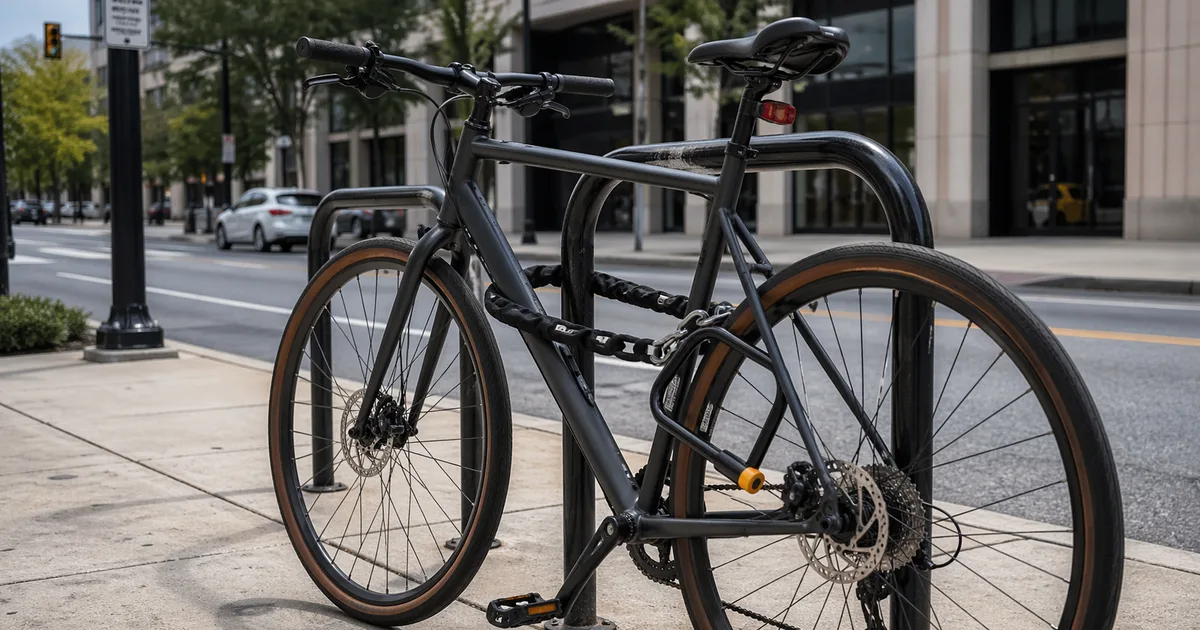
Second, lock it properly. A thief with the right tool will beat a weak lock in seconds, so invest in a tested hardened-steel U-lock or a high-security chain, lock the frame and a wheel to a fixed immovable object, and avoid leaving a bike out overnight in the same spot repeatedly. Our roundup of the best bike locks for 2026 compares the strongest options from brands like Kryptonite, ABUS, and Hiplok. A good lock plus a registered serial number is the combination that keeps you off this page next year.
Locks Worth Replacing Yours With
Hardened-steel U-locks and chains that buy you the seconds a thief does not have.
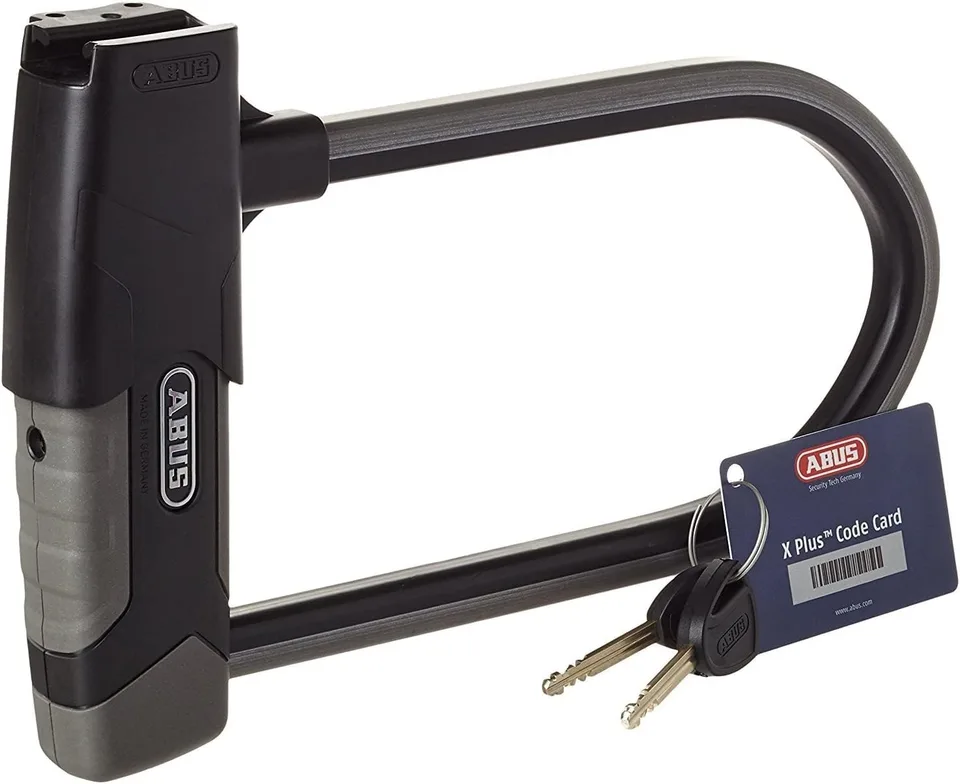
Abus
ABUS Granit X-Plus 540
Inner dimensions: 5.5" x 8" (14 x 20cm). Premium size for frame + wheel security. Heavy-duty for high-theft areas.
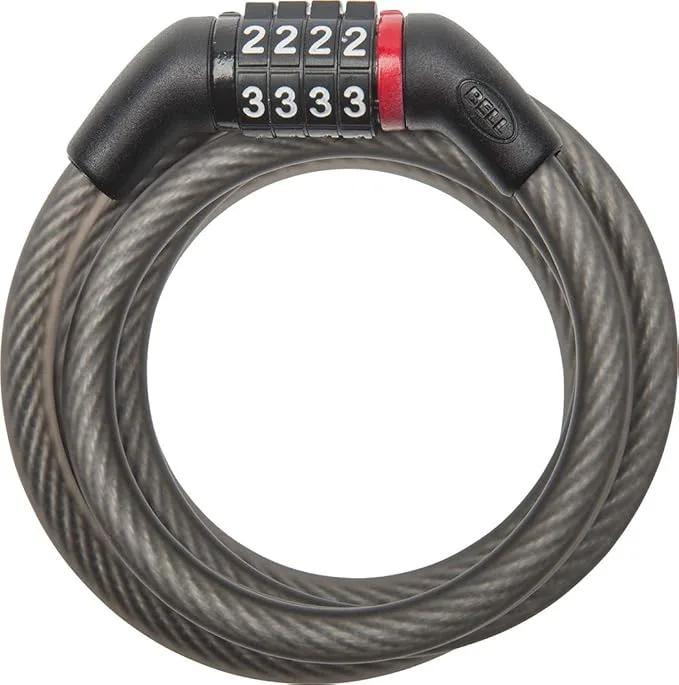
Bell
Bell Watchdog Cable Combo Lock
Best for low- to medium-risk stops; cable length works for frame-plus-wheel locking.
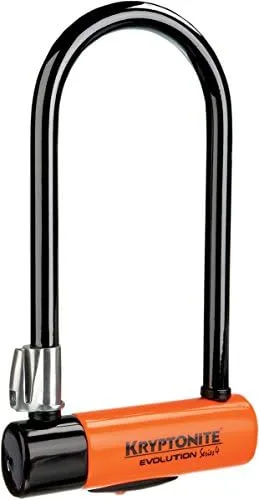
Kryptonite
Kryptonite Evolution Series 4 Standard
Inner dimensions: 4" x 9" (10 x 23cm). Fits frame + single wheel through U + around fixed object. Standard commute size.
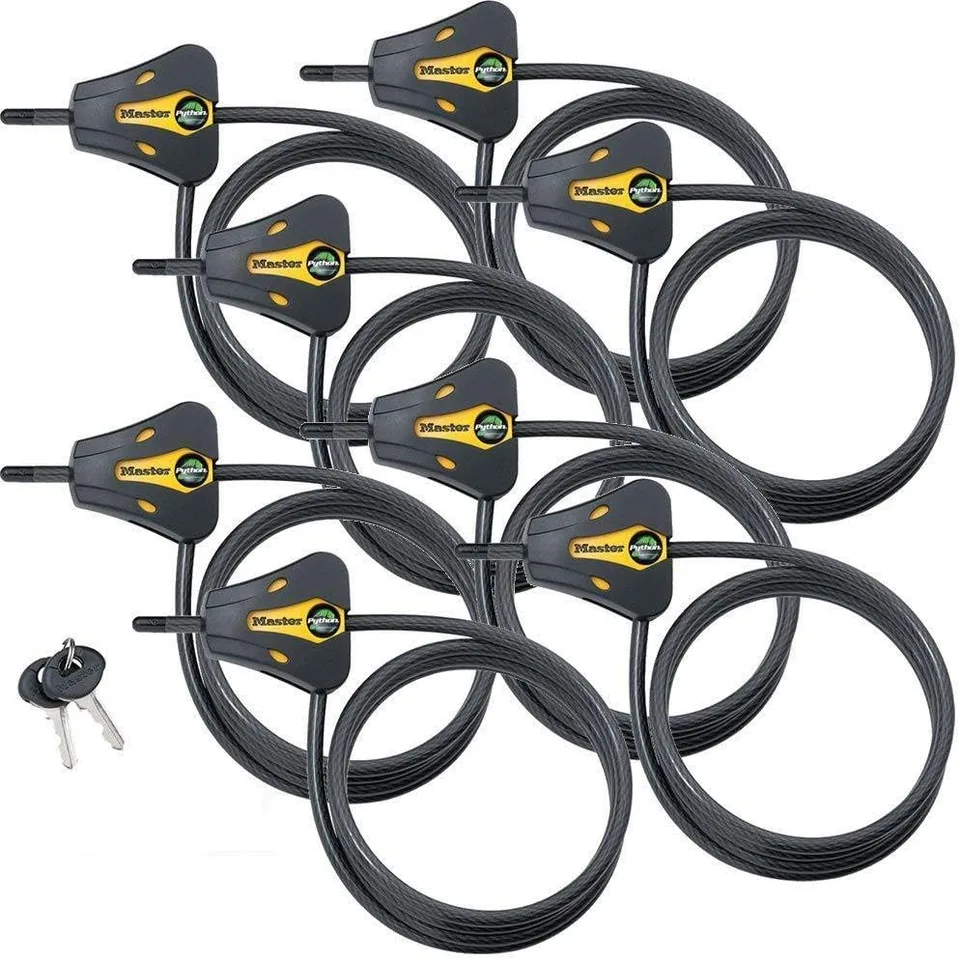
Master Lock
Master Lock Python 8419DPF Cable Lock
Lengths: 5mm x 6ft (1.8m), 8mm x 8ft (2.4m). Armored cable with protective nylon coating. Casual/low-risk use.
Onguard
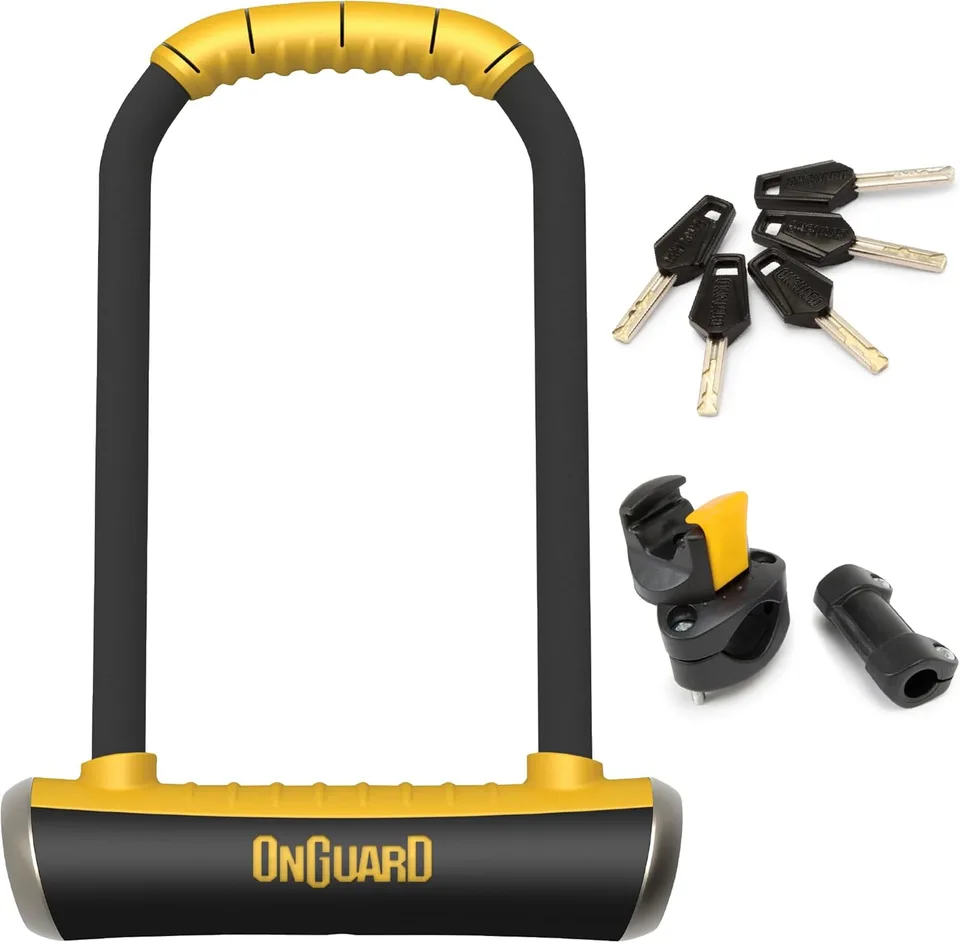
OnGuard Brute LS 8004
Inner: 3.5" x 7.5" (9 x 19cm). Mid-size U-lock suitable for commute + light recreation. Affordable high-security option.
Schwinn
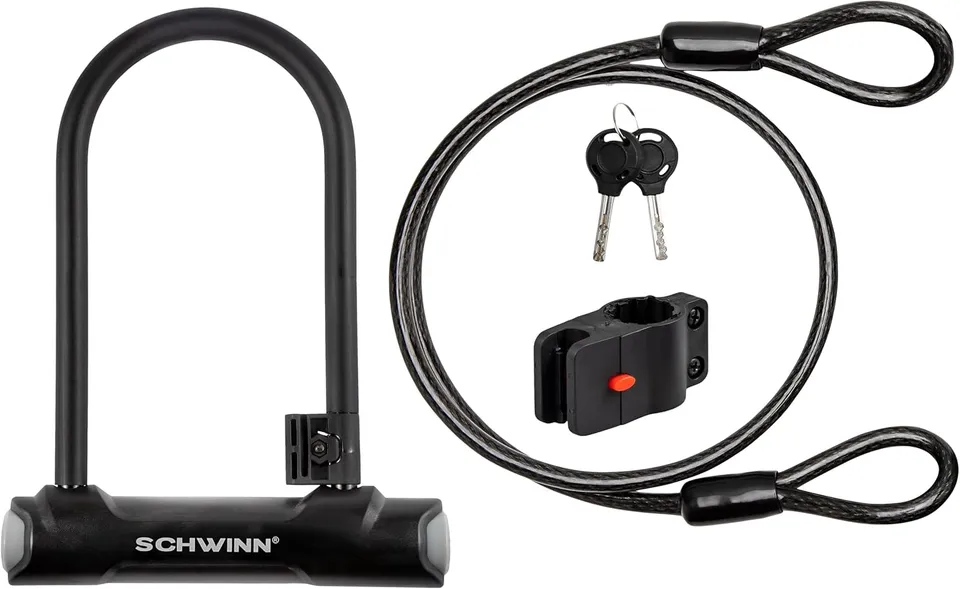
Schwinn Bike U-Lock with Cable
Key-operated U-lock plus 4 ft extension cable lets you secure both wheels through a rack or post. Comes with a frame bracket so you can carry it on the bike.
As an Amazon Associate we earn from qualifying purchases. Purchases made through these links help support our free calculators.
Frequently Asked Questions
Conclusion
A stolen bike is not always a lost bike. The riders who get theirs back are usually the ones who moved fast in the first hour: pulled the serial number, filed a report, and flagged it stolen on the registries that police and the cycling community actually check. The financial side - the insurance claim - is worth doing when the value justifies it, and the prevention side keeps you from repeating the whole ordeal. Start by registering every bike you own and locking the next one with a lock that actually holds up. If you are replacing a bike, use our bike size calculator so the new one fits from day one.
Sources
The legal, police-process, registry, and insurance facts in this guide are drawn from the following primary and authoritative sources, current as of June 2026. Programs and policy terms change - verify the specifics with your local police department and your own insurer.
- U.S. Federal Bureau of Investigation - National Crime Information Center (NCIC), the national law-enforcement database whose Stolen Article File holds stolen property (including bicycles) by serial number for recovery across agencies.
- Insurance Information Institute - Bicycle safety and insurance, which states bicycles are covered under the personal-property section of standard homeowners and renters policies, reimbursed minus the deductible and subject to coverage limits.
- Bike Index - nonprofit, open bicycle registry and theft-alert service used by police departments and the cycling community.
- Project 529 (529 Garage) - bicycle registry, theft-alert community, and frame-shield program.
- BikeSize - Bicycle registration and licensing laws by US state, our reviewed guide citing primary statutes (e.g., Haw. Rev. Stat. § 249-14, Cal. Veh. Code §§ 39000-39011) and federal agency positions, documenting that no US state runs a statewide bicycle registry and no federal agency maintains one.
Related Calculators & Tools
Replacing a stolen bike? Get the right frame size before you shop a refund or insurance payout
Wheel-diameter sizing for a child whose bike was taken
Reach and stack sizing for a replacement trail bike
Size a do-it-all gravel bike if you are starting over