
Road Bike

Felt AR Advanced vs Canyon Aeroad

Aero road showdown: the dealer-supported, wind-tunnel-validated Felt AR Advanced versus Canyon's direct-to-consumer Aeroad. Compare aero claims, weight, fit philosophy, and real-world value.

Cyclist considering which bike to choose

Side-by-Side Overview

Felt AR Advanced

$3,000 - $10,500

Best for: Riders who want a wind-tunnel-validated aero bike with hands-on dealer fit and service

Strengths

  • •Truncated airfoil tubing validated in Felt's own wind tunnel
  • •Slightly taller head tube than the FR makes it livable for long road days, not just crits
  • •Dealer purchase means professional assembly, fitting, and warranty claims handled in person
  • •Numeric sizing (47-61) gives seven steps for finer fit selection than letter sizing
  • •TeXtreme carbon layup keeps frame weight competitive for a true aero platform
  • •Standard threaded BB and more conventional cockpit options than many integrated aero rivals

Considerations

  • •Smaller US dealer network than Trek, Specialized, or Giant - finding a demo bike can be hard
  • •Pricing at the dealer level rarely undercuts Canyon's direct-to-consumer numbers
  • •Color and build-kit choices are limited compared to mass-market brands
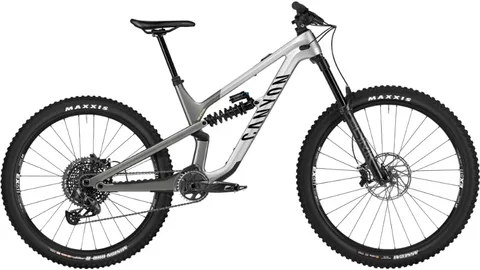
Canyon Aeroad

$3,500 - $10,000

Best for: Self-sufficient racers and fast riders who want UCI WorldTour aero performance at the lowest possible price

Strengths

  • •Direct-to-consumer pricing delivers more frame and groupset per dollar than dealer brands
  • •UCI WorldTour proven under Movistar and Alpecin - pedigree is not theoretical
  • •CP/CPS integrated cockpit adjusts width and reach without a full bar swap (rare for aero bikes)
  • •Perfect Positioning System (PPS) online fit tool is unusually accurate for a remote-purchase bike
  • •Frame weights for the CFR trim are competitive with lightweight all-rounders, not just aero bikes
  • •Seven-size range (2XS-2XL) covers shorter and taller riders many race brands ignore

Considerations

  • •No physical store in most US markets - assembly, fit, and warranty service fall on the rider
  • •Proprietary CP/CPS cockpit limits aftermarket bar/stem swaps to Canyon parts
  • •Lead times and stock availability fluctuate with Canyon's batch-release model
  • •Resale value lags dealer brands because second-hand buyers worry about warranty transfer

Head-to-Head Comparison

Aero validation
Felt AR AdvancedFelt in-house wind tunnel + truncated airfoils
Canyon AeroadWind-tunnel + UCI WorldTour race data ✓
Frame weight (top trim, size 56/M)
Felt AR Advanced~990g claimed (AR Advanced FRD)
Canyon Aeroad~870g claimed (Aeroad CFR) ✓
Sizing system
Felt AR Advanced7 numeric sizes (47-61)
Canyon Aeroad7 letter sizes (2XS-2XL) + CP/CPS adjustable cockpit ✓
Purchase channel
Felt AR AdvancedLocal Felt dealer (assembly + fit included) ✓
Canyon AeroadDirect-to-consumer (home assembly required)
Cockpit adjustability
Felt AR AdvancedBayonet integrated front end - limited
Canyon AeroadCP/CPS bar adjusts width and reach without swap ✓
Entry price (105/Rival-level build)
Felt AR Advanced~$3,000 ✓
Canyon Aeroad~$3,500
Top-tier price (Dura-Ace/Red AXS)
Felt AR Advanced~$10,500
Canyon Aeroad~$10,000 (CFR) ✓
Resale value
Felt AR AdvancedSolid (dealer-supported brand) ✓
Canyon AeroadBelow dealer brands at resale

Size Chart Comparison

Felt AR Advanced
Size 51
Stack:
518 mm
Reach:
381 mm
Size 54
Stack:
539 mm
Reach:
383 mm
Size 56
Stack:
561 mm
Reach:
394 mm
Size 58
Stack:
579 mm
Reach:
408 mm
Canyon Aeroad
Size XS
Stack:
520 mm
Reach:
378 mm
Size S
Stack:
539 mm
Reach:
390 mm
Size M
Stack:
560 mm
Reach:
393 mm

Geometry Comparison Chart

Loading chart…

Sizing Comparison

Felt uses traditional numeric sizing (48, 51, 54, 56, 58, 61) while Canyon uses letter sizing (2XS through XL). The two run close on stack but not on reach: a Felt 51 (518/381) lines up almost exactly with a Canyon XS (520/378), and a Felt 54 (539/383) matches a Canyon S on stack (539/390) while sitting 7mm shorter in reach. Step up to the Felt 56 (561/394) and it lands within 1mm of a Canyon M on stack (560/393) and reach alike. The practical difference is at the small end, where the Aeroad reaches further for the same bar height, so riders with a short torso tend to fit the AR better. Use Canyon's PPS fit tool for the Aeroad and Felt's dealer-fit process for the AR. Our [bike size calculator](/) will give you a sanity-check starting point before you visit either brand's tools.

Verdict

Pick the Canyon Aeroad if you trust an online fit tool, can turn a torque wrench, and want the most aero-per-dollar in the category - at equivalent build levels Canyon usually undercuts Felt by 15-25% and the Aeroad's WorldTour pedigree is hard to argue with. Pick the Felt AR Advanced if you want a wind-tunnel-developed aero bike that you can actually demo, get fitted on, and have serviced locally; Felt's slightly more relaxed AR geometry also rewards riders who want to race occasionally without abandoning long Sunday rides. The Aeroad wins on price and out-and-out aero credentials; the AR wins on accessibility, fit support, and long-ride composure.

Best for Comfort

Felt AR Advanced - taller stack and dealer-fit support make all-day positioning easier to dial in

Best for Performance

Canyon Aeroad - lower frame weight, WorldTour development, and adjustable aero cockpit give it the racing edge

Felt AR Advanced vs Canyon Aeroad FAQ

Shop Felt & Canyon Models

Available now from our partner retailers.

As an Amazon Associate we earn from qualifying purchases. Purchases made through these links help support our free calculators.