Bike Size Guide for Senior Cyclists (55+)
GuideStarting range, not final fit. Verify the exact model before buying.
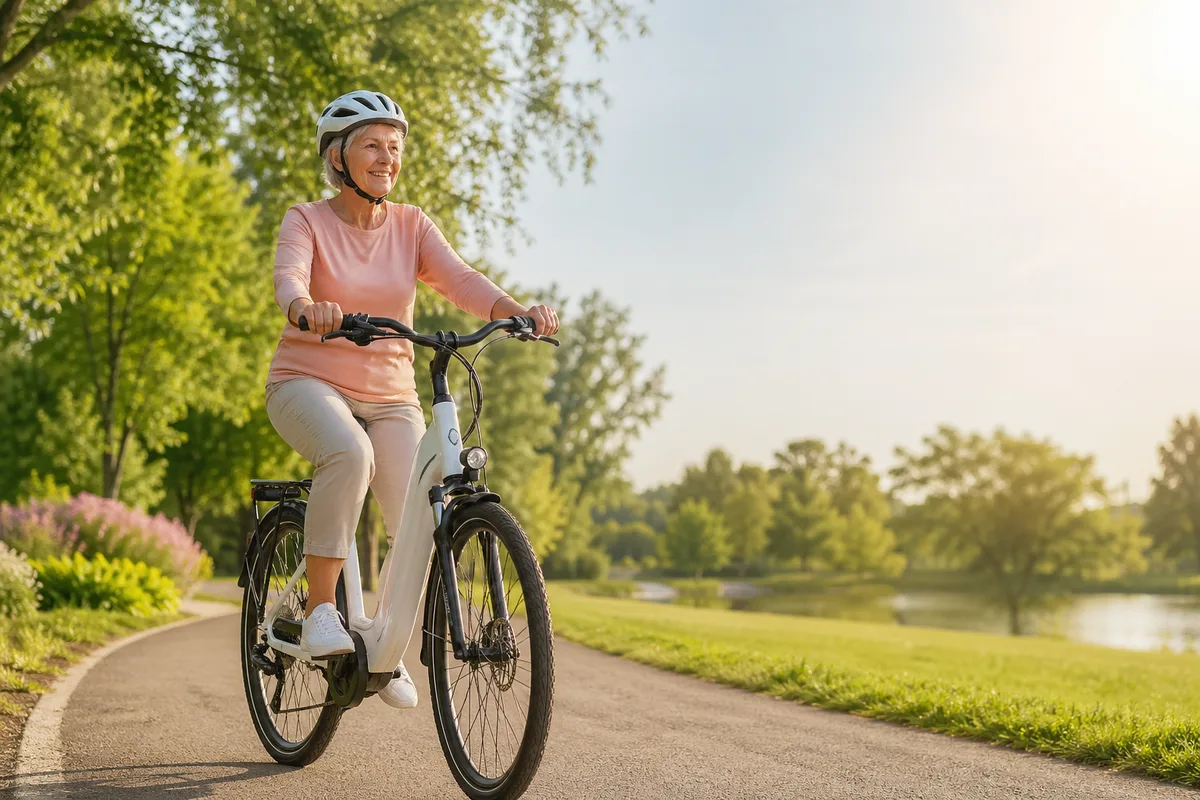
Cycling is excellent exercise for seniors, offering low-impact cardiovascular benefits, improved joint mobility, and better balance - all without the joint stress of running or high-impact sports. This guide helps riders aged 55 and older find bikes with comfortable, upright geometry, easy step-through mounting, and features that accommodate reduced flexibility, changing vision, and joint conditions like arthritis. The right bike size and style makes the difference between riding comfortably into your 70s and beyond, or giving up after a few painful outings.
A starting range, not final fit
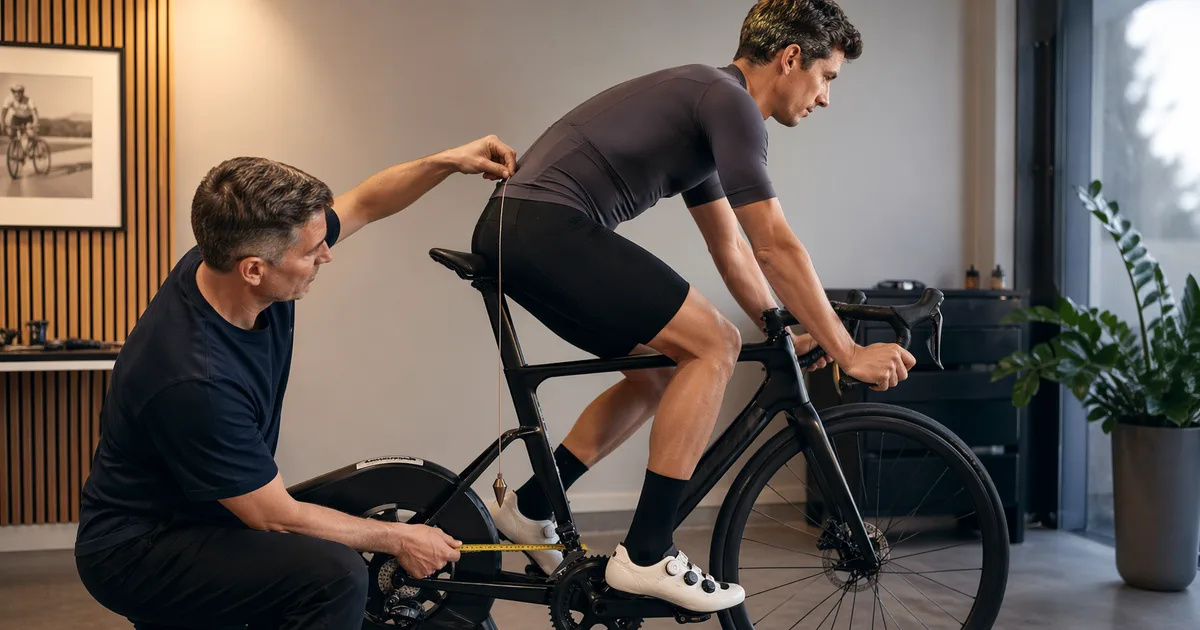
A rider profile does not determine one exact frame or guarantee comfort. Measure height and cycling inseam, and keep any chart overlap or disagreement visible. Torso and arm proportions, mobility and intended riding can change which model works within the starting range.
Check both candidate sizes for standover, saddle range, sustainable cockpit reach and brake access. Respect seatpost, saddle rail and cockpit adjustment limits. Use the recommended brand links below to locate the exact model-year chart; brand-wide ranges and representative geometry are not verification of every model. Missing or conflicting dimensions call for a shop check, test ride or professional fit, not an automatic size-up or size-down rule.
Start the first-bike workflow or use the two-size worksheet and fit checklist before buying. Compare exact geometry when both model sizes have usable source data.
How to size a bike for senior riders
Senior riders often benefit from more upright geometry that reduces strain on the back, neck, and wrists - conditions that worsen with age and can be aggravated by aggressive cycling positions. Step-through or low-step frames (with standover heights under 70cm) make mounting and dismounting significantly easier, especially with reduced hip flexibility or balance concerns. Consider adjustable stems with 10-35 degree rise for fine-tuning handlebar height without frame changes, wider saddles (155-175mm) with gel padding for comfort on sit bones that may have less natural padding, and ergonomic grips with bar ends that reduce hand numbness from ulnar nerve pressure. E-bikes are worth serious consideration for seniors - motor assist eliminates the fitness barrier to enjoying longer rides and hills. When sizing, prioritize the ability to stop safely with both feet flat on the ground over optimal pedaling efficiency. Comfort is paramount - avoid aggressive racing positions that stress aging joints and connective tissue.
Recommended Geometry Preferences
higher
shorter
shorter for upright position
taller
relaxed
Which brands fit senior riders best?
These brands are known for offering excellent options for senior riders.
Trek
Verve and FX series offer comfortable, upright positions with step-through options
View details →Electra
Flat Foot Technology allows comfortable seated stops
What are the common sizing mistakes for senior riders?
- 1Choosing aggressive racing geometry that strains the back and neck
- 2Buying a bike with too-high top tube that's difficult to mount safely
- 3Ignoring the benefits of e-bikes, which extend riding range and reduce strain
- 4Selecting narrow, hard saddles designed for racing rather than comfort
- 5Overlooking handlebar height adjustment options
- 6Assuming you need the same aggressive position you rode 20 years ago
Expert tips for senior riders
- 1Consider step-through or low-step frames for easy mounting-there's no shame in prioritizing accessibility
- 2E-bikes can extend your riding years significantly by reducing strain on hills and headwinds
- 3Look for adjustable stems that allow you to raise handlebars for a more upright position
- 4Wider tires (35-50mm) provide more cushion and stability than narrow racing tires
- 5Ergonomic grips and bar ends reduce hand and wrist strain on longer rides
- 6Consider three-wheel trikes if balance is a concern-they're surprisingly fun
- 7A professional bike fit is especially valuable for seniors to optimize comfort and prevent injury
The frame fits. What should you adjust next?
If the size is right but the ride still feels wrong, compare a video-based fit check with guided mobility work before changing several parts at once.
Explore Fit & MobilityCalculate Your Size
Use our calculator with preset values optimized for senior riders. Adjust as needed based on your exact measurements.
Measure from the ground to your crotch while standing.
Senior Riders Sizing FAQ
Recommended Bikes for Senior Riders
Picks from our partner retailers, matched to this rider profile.
Schwinn
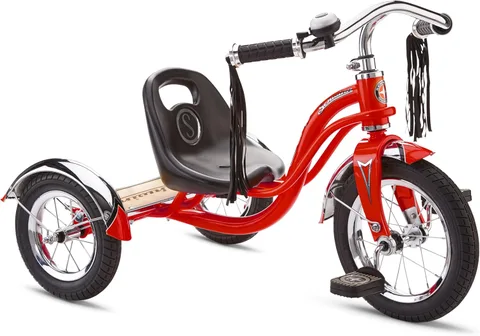
Schwinn Roadster Tricycle
Retro 12-inch front-wheel tricycle for kids ages 2-4 (29"-37" tall). Low center of gravity with adjustable five-position seat that grows with the child. Steel frame, chrome fenders, real wood deck and mustache handlebars.
Schwinn
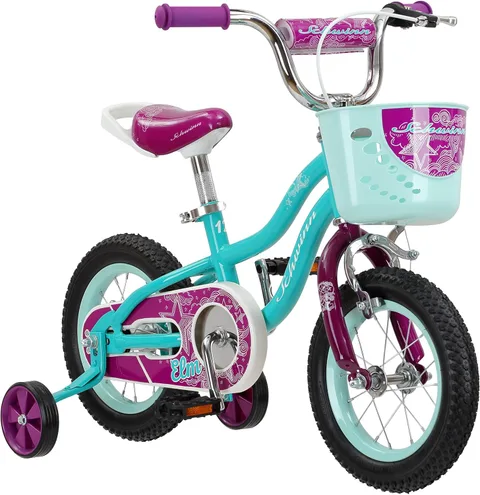
Schwinn Elm 12
12-inch SmartStart kids bike for ages 2-4 (30"-38" tall). Single-speed drivetrain, rear coaster brake plus front caliper hand brake, training wheels, chain guard, and adjustable seat. Includes a basket and seat handle for early riders.
Schwinn
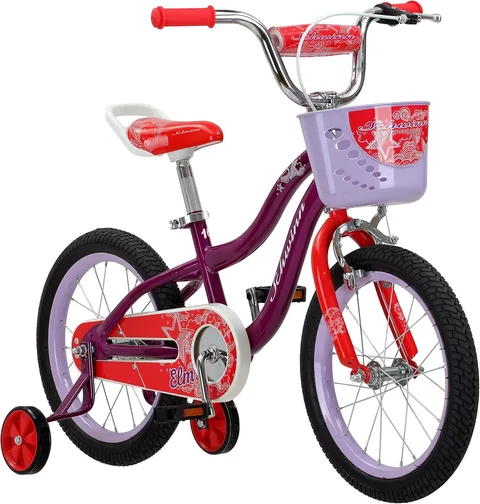
Schwinn Elm 16
16-inch SmartStart kids bike for ages 3-7 (38"-48" tall). Single-speed with rear coaster brake and front caliper brake. Adjustable seat for tool-free growth, training wheels included.
Schwinn
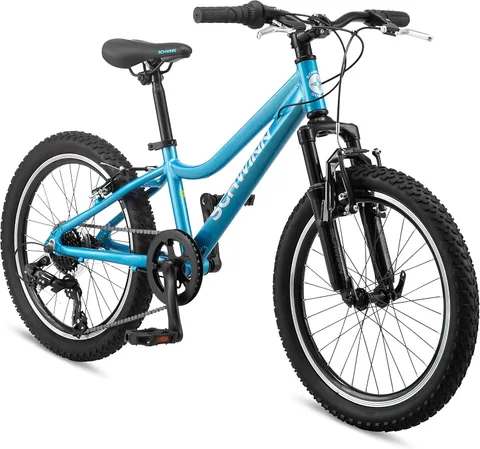
Schwinn High Timber AL 20 Youth
Youth mountain bike with a lightweight 10.5" aluminum frame and 20" wheels for riders 4'0"-5'0" tall. 7-speed twist shifters, alloy crank, front suspension and wide knobby tires. Quick-release seatpost makes it easy to grow with.
Schwinn
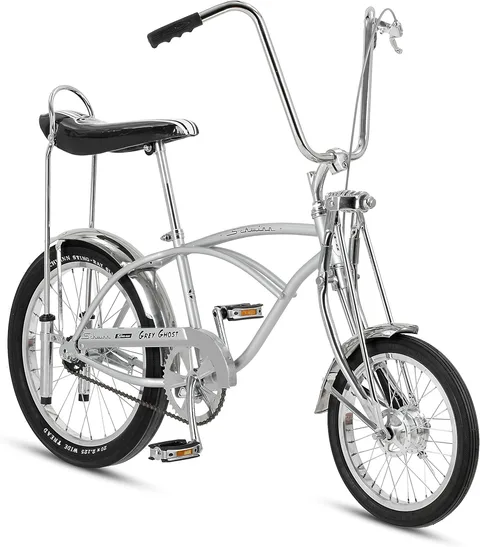
Schwinn Sting-Ray Krate Grey Ghost
Reissue of the iconic 1970s Sting-Ray with a 16" front wheel and 20" rear Slik tire - fits kids and adults 48"-64" tall. Steel frame, springer fork, single-speed coaster brake, banana seat, sissy bar, and ape-hanger handlebars.
Schwinn
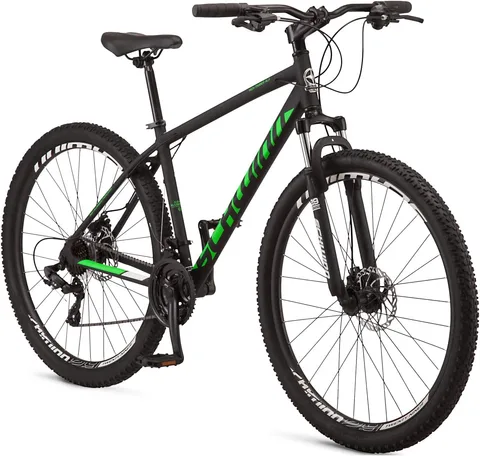
Schwinn High Timber ALX 29
Adult hardtail with an 18" aluminum frame and 29" wheels for riders 5'4"-6'2" tall. 21-speed twist shifters, alloy crank, front suspension and knobby tires for neighborhood and casual trail riding.
As an Amazon Associate we earn from qualifying purchases. Purchases made through these links help support our free calculators.
Once the frame size is set, match the contact and safety gear to this rider profile: compare baskets for senior riders, bells & horns for senior riders, and fenders & mudguards for senior riders.
Recommended accessories for Senior Riders
Helmets, lights and gear that match this rider profile.
Bell
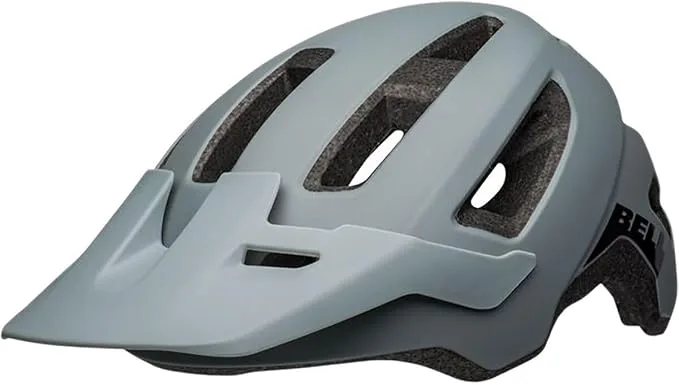
Bell Nomad 2 MIPS
This ASIN is Small/Medium 52-57 cm. Check the selected Amazon size/color before checkout.
Bell
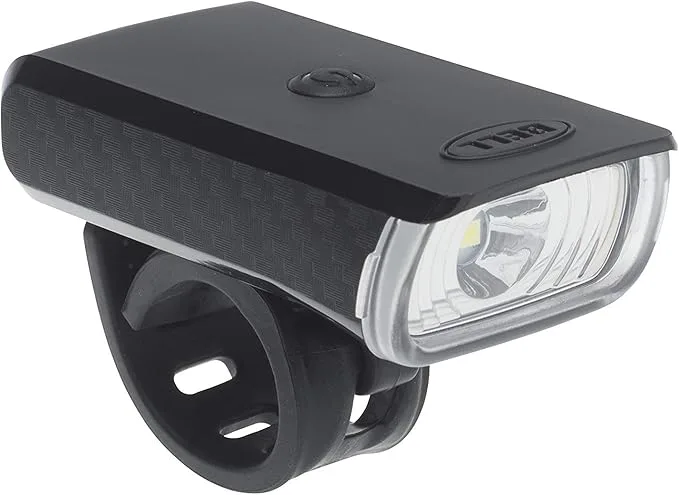
Bell Lumina 300 Headlight
Tool-free handlebar mount; check bar space around computers, bells, and baskets.
Abus
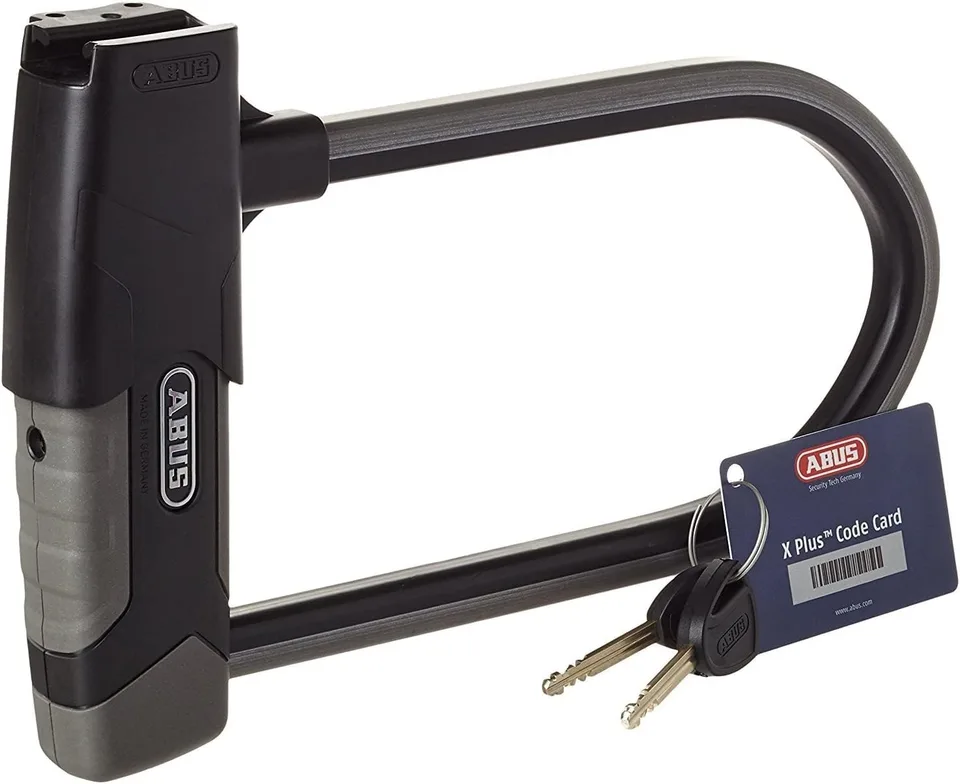
ABUS Granit X-Plus 540
Inner dimensions: 5.5" x 8" (14 x 20cm). Premium size for frame + wheel security. Heavy-duty for high-theft areas.
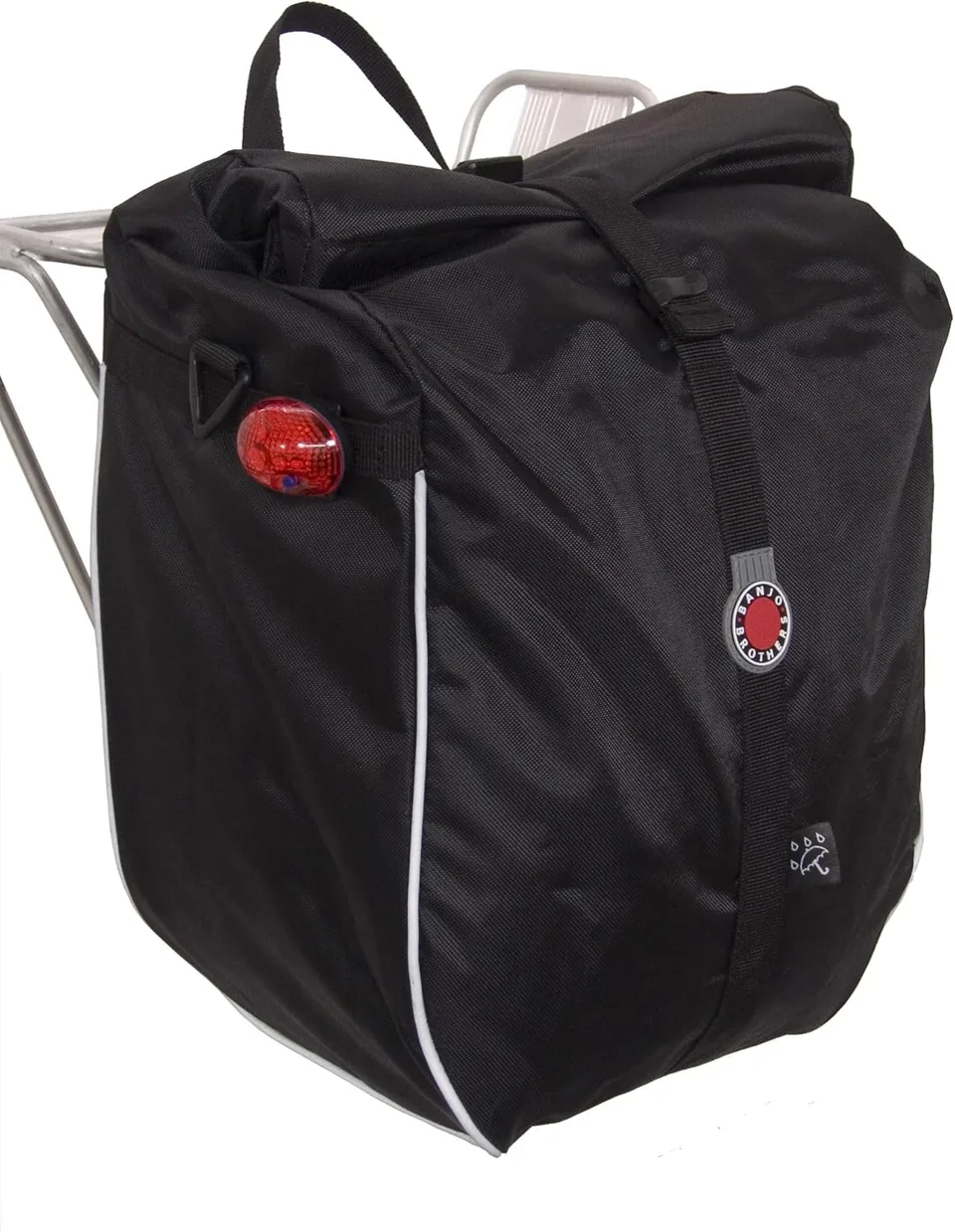
Banjo Brothers
Banjo Brothers Waterproof Pannier
Pair recommended for full touring. Convertible handles allow backpack use. Lifetime warranty.
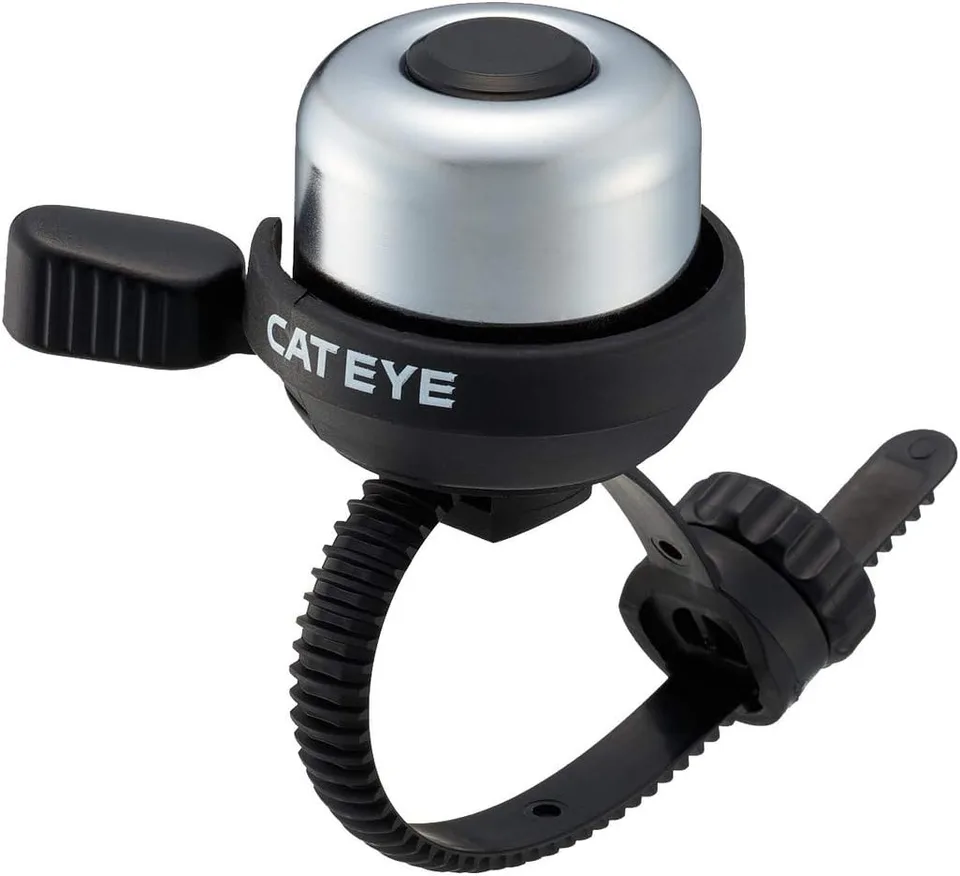
Cateye
CatEye Bell PB-200
Mid-range option; fits drop-bar primarily; 23.8 mm optimized mount
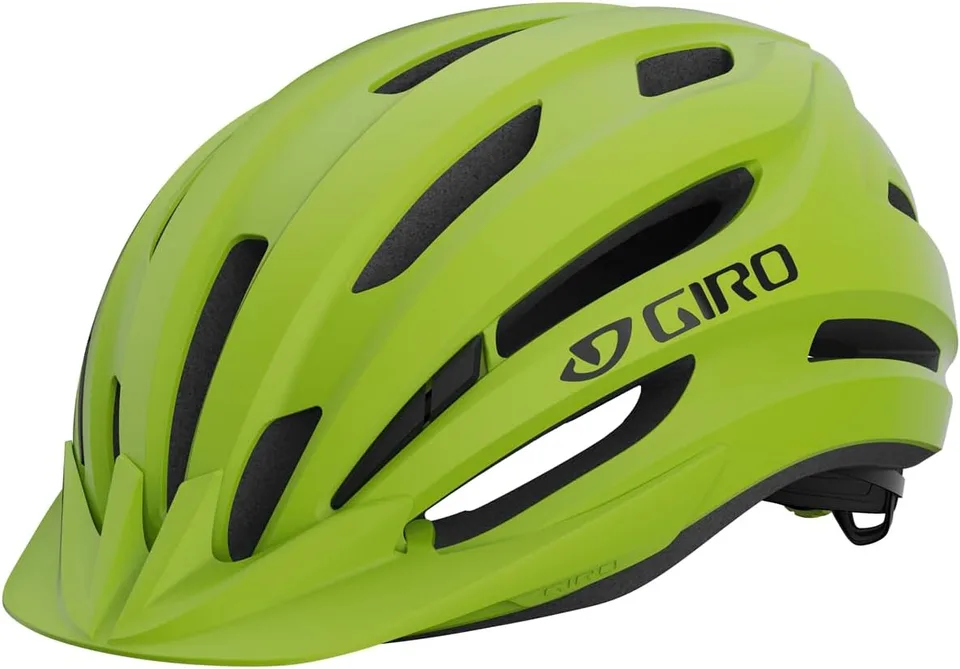
Giro
Giro Register MIPS
S 51-55 cm, M 55-59 cm, L 59-63 cm
Keep Exploring
Bike comparisons for senior riders
Know the rules where you ride
Bike laws - helmets, sidewalk riding, lights, right of way - vary by state. Check the basics before you head out: