How to Choose Knee & Elbow Pads for Kids 2026 | Sizing & Fit Guide
How-To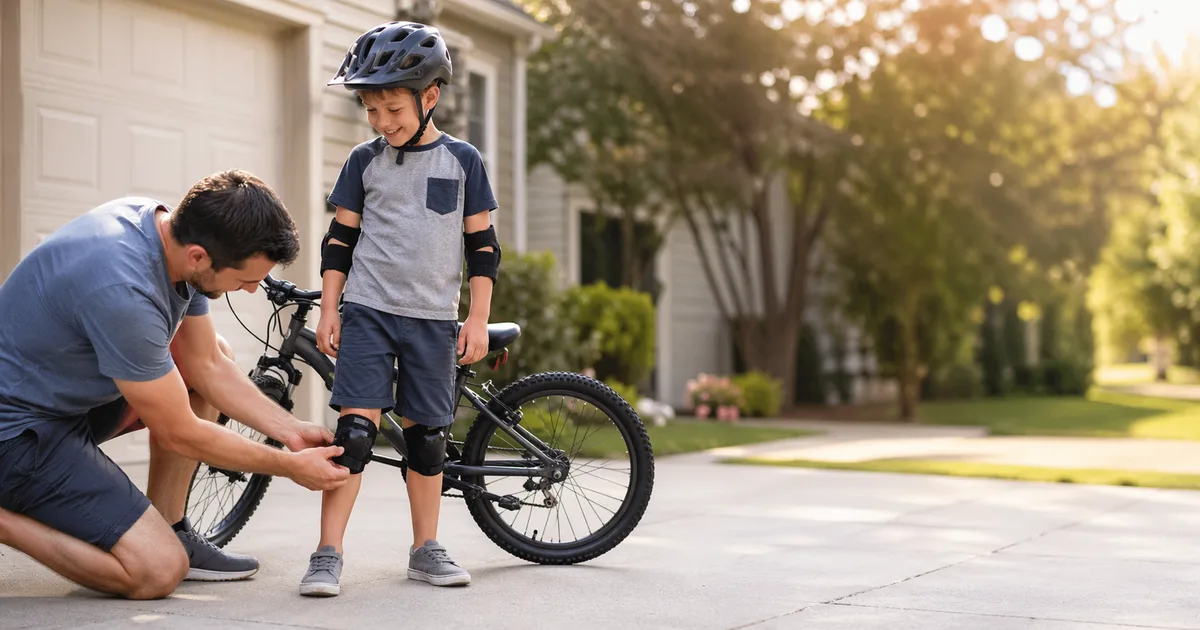
Watching your child wobble down the sidewalk for the first time is one of parenting's great joys - right up until they tip over and skin a knee. The good news: a well-fitted set of knee and elbow pads turns most of those tumbles into a quick brush-off and a giggle. The less-good news: most kids' pads are sold by vague age ranges, slip down within minutes, and end up abandoned in the garage. This guide walks you through measuring, sizing, and fitting pads that your child will actually keep on, plus when each riding style needs them. For shoppable picks across price tiers, see our best knee and elbow pads for 2026 roundup once you know your size.
Quick Answer
Don't trust age tables alone - measure the circumference of your child's mid-thigh, mid-calf, mid-bicep, and mid-forearm, then match those numbers to the manufacturer's size chart. Pads should sit snugly with no more than 1 cm of slip when you tug them down. For sidewalk and balance-bike riders, soft-shell pads are usually enough; for BMX, pump tracks, and mountain biking, choose hard-shell. Pair pads with a properly sized helmet - use our Helmet Size Calculator to confirm fit.
Tools & Calculators for Kids' Cycling Gear
Pads are only one piece of the protection puzzle. Before you shop, confirm the bike, helmet, and gloves all fit - an oversized bike causes more crashes than any pad can prevent. Free, no account needed.
Match wheel size to your child's age and inseam - oversized bikes cause most preventable crashes
A helmet is non-negotiable; this calculator matches head circumference to youth helmet sizes
Full-finger gloves protect palms in the most common falls - a tiny piece of gear that prevents big tears
BMX riders need hard-shell pads; start with the right bike to match
When Does Your Kid Need Pads?
Not every ride calls for full armor. Match protection to the riding environment, the speed, and your child's confidence level. Kids who feel over-padded for a quiet sidewalk loop will resist the gear when they really need it.
Balance Bikes & First Pedalers (Ages 2-5)
Speeds are low, but kids this age fall often - sometimes a dozen times in a single backyard session. Soft-shell knee pads alone are usually enough; elbow pads help if your child tends to throw their arms out. See our best knee and elbow pads for 2026 roundup for kid-sized picks, and the best training wheels for 2026 if you're bridging from balance bike to pedal bike. Many parents skip pads at this stage, but a soft sleeve-style pad costs less than a box of bandages and avoids the "I don't want to ride anymore" meltdown after a scrape.
Sidewalk & Neighborhood Riders (Ages 5-8)
Speeds climb, surfaces are harder, and curbs become hazards. Soft-shell knee and elbow pads are appropriate for everyday riding. If your child is still building confidence or learning to brake, lean toward fuller coverage. Once they're comfortable, many families drop the elbow pads for casual cruising and keep knees protected. It's also worth a quick look at the child cycling laws in your state - sidewalk-riding rules and supervision requirements vary by city and age group.
BMX, Skatepark & Pump Track
Hard-shell pads are essential. Concrete and wood ramps don't forgive, and pump-track berms generate real speed. Pair pads with a skate-style helmet (multi-impact rated) and full-finger gloves. Brands like POC and Giro make purpose-built youth hard-shell pads and skate helmets. Many parks won't allow kids to ride without visible knee and elbow protection.
Mountain Biking & Trails
Roots, rocks, and unexpected obstacles make pads a must from the first ride. Start with hard-shell knee pads and soft-shell elbows; upgrade elbows to hard-shell when your child progresses to features, drops, or flow trails. For sizing the bike itself, see our Mountain Bike Sizing Guide.
Dirt Jumps & Aggressive Riding
Full hard-shell knee/shin combos and elbow/forearm combos are the baseline. At this point, you're also looking at full-face helmets and back protection. If your child is asking about jumps, it's time to step up the gear - not a moment after the first crash.
How to Measure for Kids' Pads
Children's limbs grow at different rates, and two kids the same age can wear sizes two apart. Skip the guesswork and grab a soft cloth tape measure (or a piece of string and a ruler). Have your child stand relaxed in shorts and a short-sleeve shirt.
The Four Key Measurements
- Mid-thigh circumference: Measure roughly 10 cm above the kneecap, around the thickest part of the lower thigh.
- Mid-calf circumference: Measure about 10 cm below the kneecap, around the thickest part of the calf.
- Mid-bicep circumference: Measure roughly halfway between the shoulder and the elbow with the arm relaxed at the side.
- Mid-forearm circumference: Measure about 5 cm below the elbow, around the thickest part of the forearm.
Hold the tape snug but not tight - you should be able to slip a finger underneath without pulling. Write the numbers down, then match them against the size chart of the specific pad you're considering. A "youth small" from one brand can be a full size off another brand's "child medium."
Knee pads use the thigh and calf measurements together; the smaller of the two usually drives the size choice (so the pad doesn't balloon at the calf). Elbow pads use bicep and forearm the same way.
Sizing Chart by Age
Use this chart only as a starting point. Your child's actual measurements always win.
| Age Range | Typical Size | Mid-Thigh / Mid-Bicep (cm) | Mid-Calf / Mid-Forearm (cm) |
|---|---|---|---|
| 3-5 years | XXS / Toddler | 22-28 / 14-17 | 18-22 / 13-16 |
| 6-8 years | XS / Youth Small | 28-34 / 17-20 | 22-26 / 16-19 |
| 9-11 years | S / Youth Medium | 33-38 / 20-24 | 26-30 / 19-22 |
| 12+ years | M / Youth Large or Adult XS | 37-44 / 23-28 | 29-34 / 21-25 |
Parent Heads-Up
Tall-for-their-age and short-for-their-age kids regularly land outside these ranges. A 7-year-old in the 90th percentile for height may need a Youth Medium, while a slim 10-year-old may still wear Youth Small. Always measure first - returning pads after a crash isn't fun for anyone.
Soft-Shell vs Hard-Shell Pads
Soft-Shell (Sleeve-Style) Pads
Soft-shell pads use thick foam - often viscoelastic foam that stiffens on impact - encased in a stretchy sleeve. They're lightweight, breathable, and easy to pull on. Best for sidewalk riding, balance bikes, casual neighborhood loops, and beginner mountain biking. They absorb sliding falls and minor impacts well, but won't protect against sharp rocks or repeated heavy crashes.
Hard-Shell Pads
Hard-shell pads add a rigid plastic cap over the foam. The cap deflects sharp objects, slides cleanly on concrete, and spreads impact across a wider area. Required for BMX, skateparks, pump tracks, dirt jumps, and intermediate-to-advanced mountain biking. Downsides: heavier, hotter, and more visible - some kids resist wearing them for casual rides.
Practical Rule
If your child rides on anything harder than packed dirt, or at speeds where they can't put a foot down to catch a fall, choose hard-shell. Otherwise, soft-shell is more comfortable and far more likely to actually be worn.
Critical Fit Checks
A pad that migrates during a fall is barely better than no pad at all. Run these three checks before every ride for the first week, then spot-check weekly.
- The Slip Test: With the pad on, grip it and tug downward firmly. It should move no more than about 1 cm. If it slides toward the ankle or wrist, it's too big.
- The Gap Test: Have your child squat (for knee pads) or bend the elbow to 90° (for elbow pads). The protective shell or foam should still cover the joint. A pad that exposes the kneecap or olecranon when bent is the wrong size or wrong style.
- The Pinch Test: Look for red marks or pinching at the top and bottom cuffs after 10 minutes of wear. Indents are fine; angry red welts mean the pad is too tight and circulation is being restricted.
If you can't pass all three checks, try the next size up or down, or switch brands - some are cut for slimmer limbs, others for chunkier ones.
Coverage Considerations
Pad coverage matters as much as pad size. The most common kid crash is a forward tip-over: hands hit first, then forearms, then knees and shins. Match coverage to that reality.
- Knee + shin combos protect the entire front of the lower leg. Worth it for mountain biking and BMX where pedals can strike the shin.
- Elbow + forearm combos reduce road rash on the frequent "arm-out" reflex. Highly recommended for skatepark riding.
- Full-finger gloves are the single most under-bought piece of kid bike gear. Palms hit pavement first in nearly every crash; padded full-finger gloves eliminate the worst of the scrapes. Use our Glove Size Calculator to size them correctly.
- Helmet first, always. No pad replaces a properly fitted helmet. Confirm fit with our Helmet Size Calculator, then browse our best bike helmets for 2026 - Bell, Lazer, Kask, and Smith all stock youth-specific MIPS shells.
Comfort & Compliance
The best pad in the world is useless if it lives in the closet. Kids will tell you, in no uncertain terms, when gear is uncomfortable - and they'll abandon it without warning. A few features make the difference between "I love my pads" and "I'm not wearing those."
- Breathable mesh backing keeps the back of the joint ventilated. Critical in summer; non-negotiable for sweaty kids.
- Low-profile silicone cuffs grip skin or sock without digging. Avoid pads with elastic-only cuffs - they slip on small limbs.
- Pre-curved shape follows the natural bend of the knee/elbow, so the pad doesn't bunch when pedaling.
- Light weight matters for kids more than adults. A half-pound pad feels like an anchor on a 6-year-old.
- Let your child pick the color. Sounds silly, but it's the cheapest compliance hack in cycling.
Care, Replacement & Outgrowing
Washing
Soft-shell pads can usually go in a mesh laundry bag on a cold gentle cycle, then air-dry. Heat destroys the foam - never put pads in the dryer. For hard-shell pads, remove the inner sleeve if possible and wipe the shell with mild soap and water. Skip the bleach; it degrades the elastic and the foam.
When to Replace
Replace pads after any crash that left a visible crack in the shell, a compressed spot in the foam that doesn't spring back, or a tear in the sleeve. Foam-only pads should be replaced every 1-2 seasons of regular use, sooner if they're visibly thin. If your child can bend the hard-shell with their hands, the plastic has fatigued - time for a new pair.
Outgrowing
Expect to size up every 12-18 months for kids under 10, and every 18-24 months for older kids. Re-measure at the start of each riding season. A pad that fit fine last fall may now leave a 2 cm gap above the knee - meaning the protective area is no longer over the kneecap. Hand pads down to younger siblings only if the cuffs still grip and the foam still rebounds.
Common Mistakes Parents Make
- Buying too big to "grow into": Oversized pads slide off in a fall, exposing the joint at the worst possible moment. Buy to fit now; replace as your child grows.
- Skipping elbow pads: Forearms and elbows are the second-most-injured area in kid bike crashes. Don't treat elbow pads as optional.
- Reusing adult pads: Adult pads cinched down on a small limb pinch and rotate. The proportions are wrong.
- Forgetting the helmet check: A helmet that's even half a size too big tips back and exposes the forehead. Re-measure annually with our Helmet Size Calculator.
- Ignoring the bike itself: A bike that's too big is the leading cause of preventable kid crashes. Read our Kids Bike Sizing Guide and check fit with the Kids Bike Size Calculator. Cross-check the size charts from Woom, Royalbaby, or Schwinn, Huffy, Mongoose, Joystar, or Cubsala before you buy. For shoppable picks across price tiers, see our best bikes for kids and best accessories for kids roundups.
- Putting pads on over jeans: The denim slides under the pad on impact, defeating the protection. Pads belong on bare skin or thin leggings.
Recommended Kids Protective Gear
Pads and helmets sized to fit growing riders.
7idp
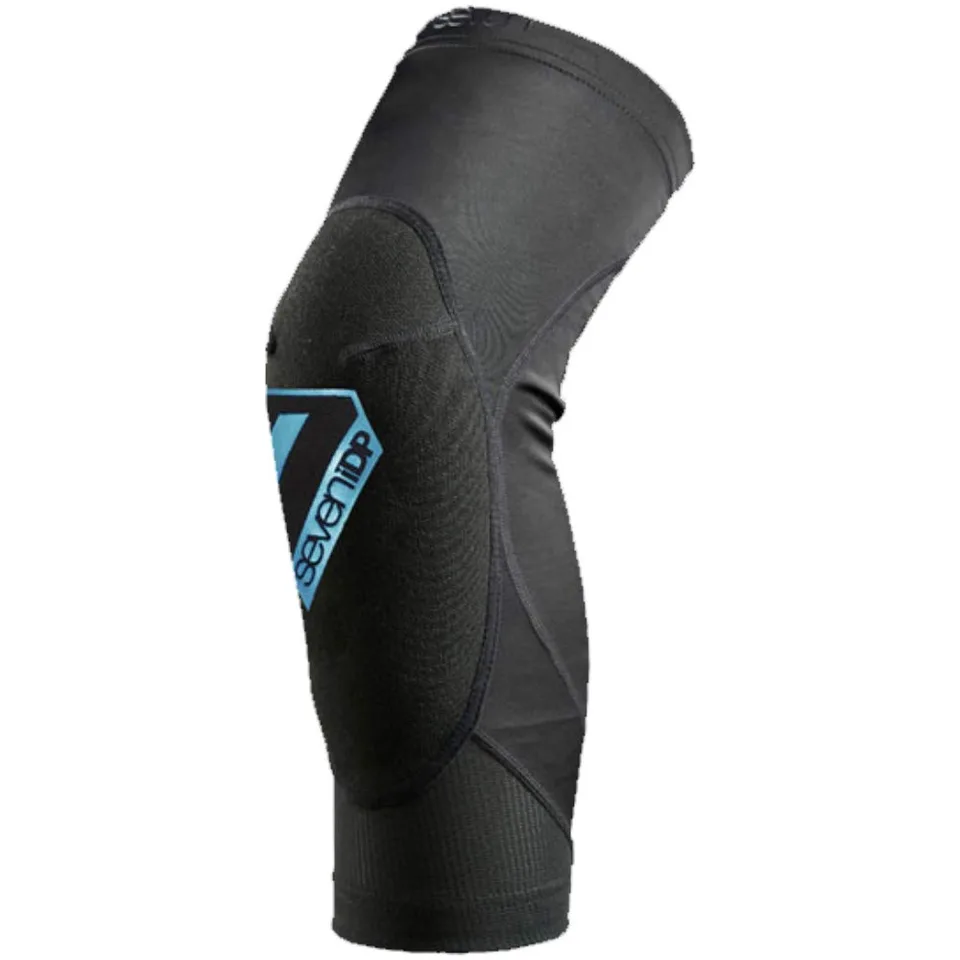
7iDP Youth Transition Knee Pad
Size XS fits 28-32 cm thigh circumference, 135-150 cm rider height
Dakine
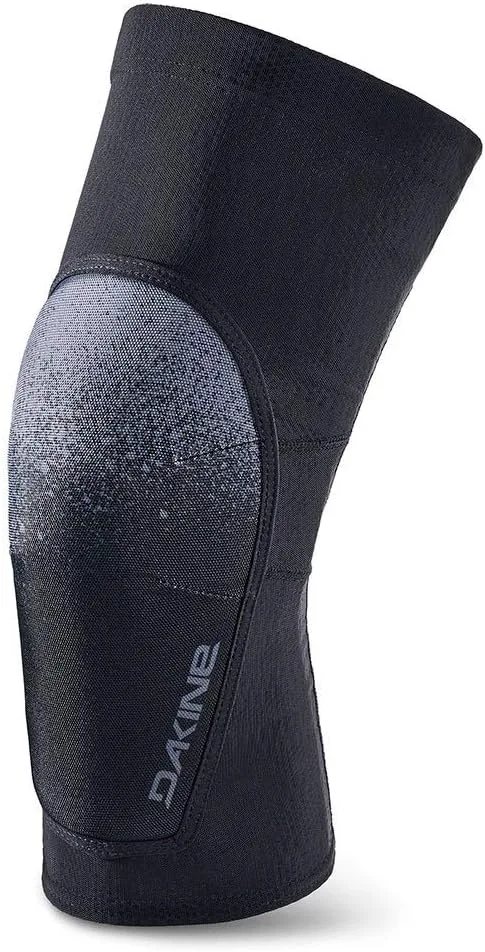
Dakine Slayer Knee Pad
Adult sizing only — the Slayer runs XS through XL rather than youth sizes. XS fits roughly 30-34 cm thigh circumference, S 34-38 cm, M 38-43 cm.
Fox Racing
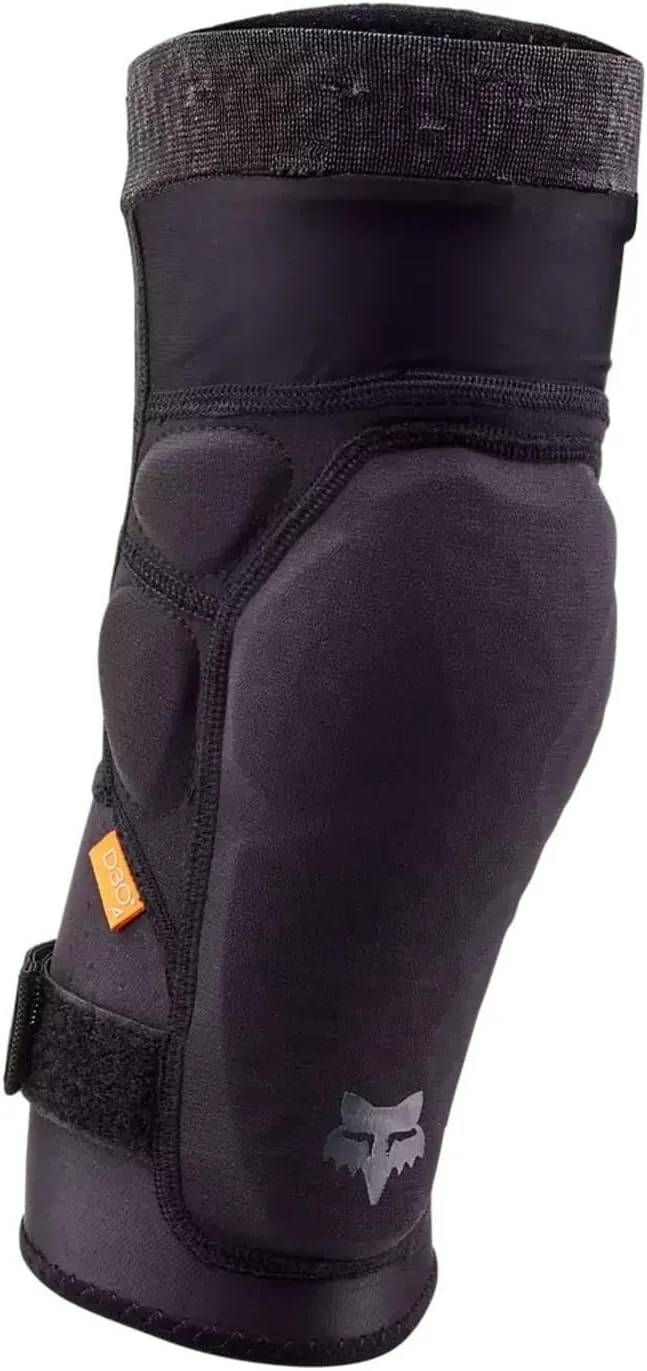
Fox Racing Fox Rampage Youth Knee Guard
Size SM fits 28-32 cm thigh circumference, 140-155 cm rider height
Bell
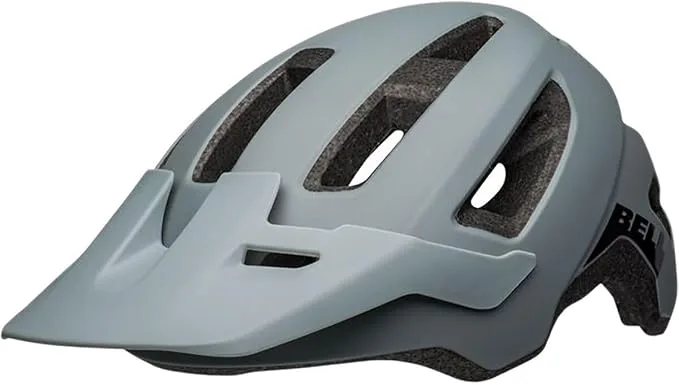
Bell Nomad 2 MIPS
This ASIN is Small/Medium 52-57 cm. Check the selected Amazon size/color before checkout.
Giro
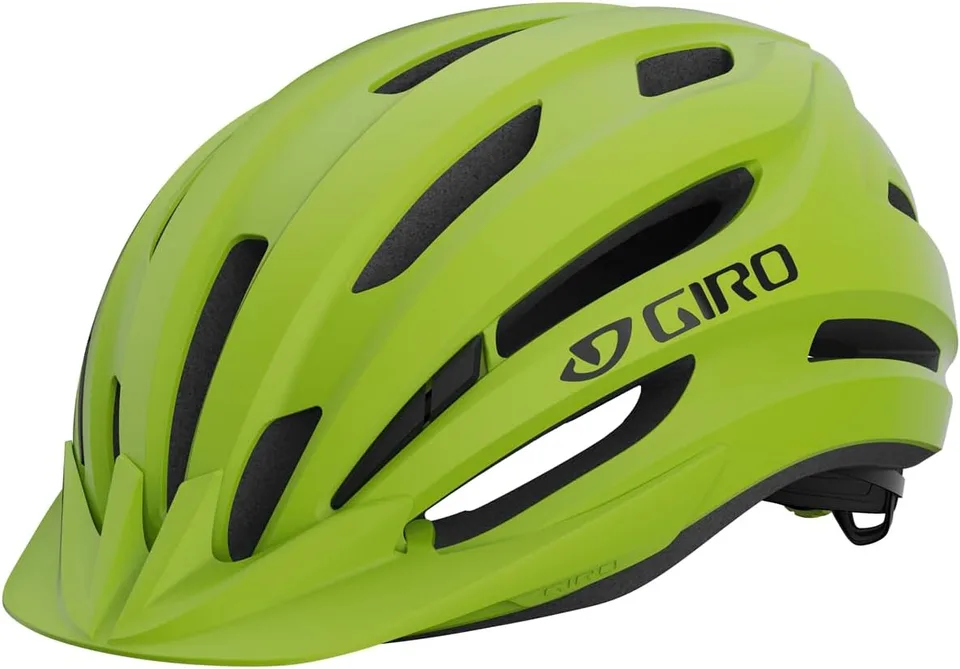
Giro Register MIPS
S 51-55 cm, M 55-59 cm, L 59-63 cm
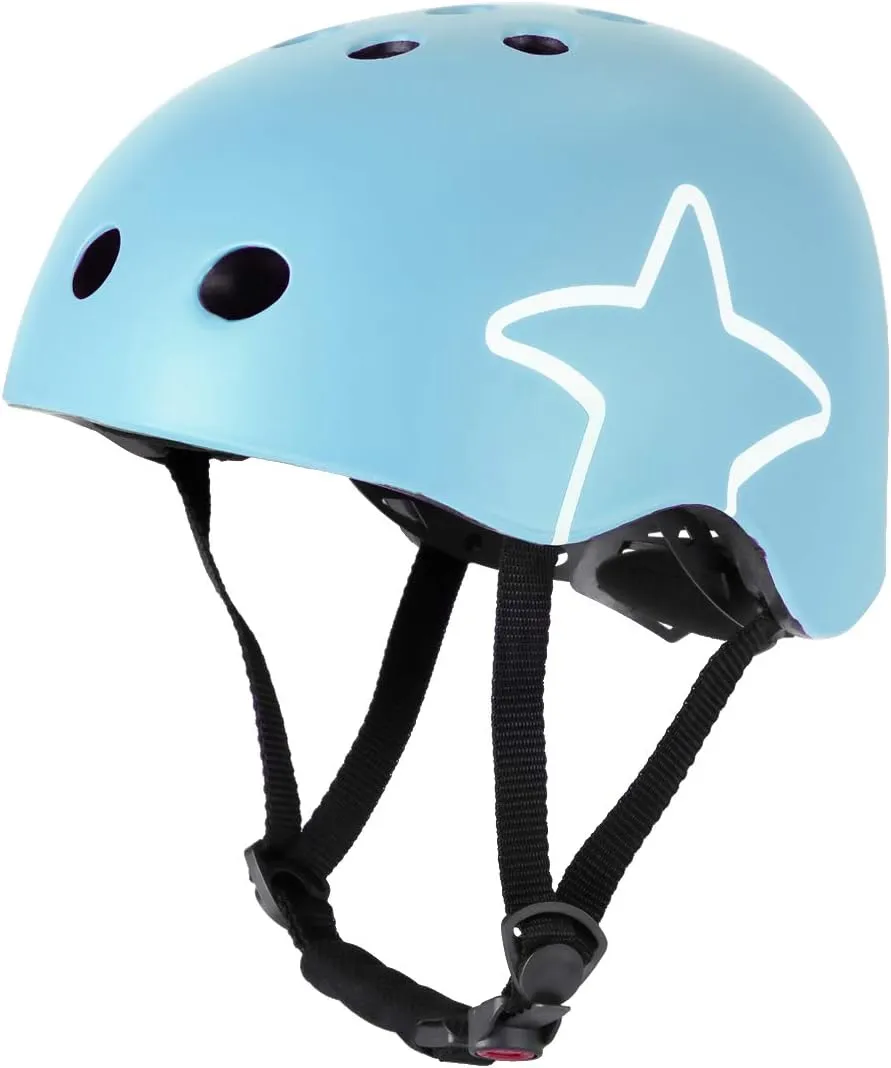
Joystar
Joystar DRBIKE Kids Multi-Sport Helmet (Ages 3-8)
Adjustable dial-fit kids multi-sport helmet sized for ages 3-8. Compatible with biking, skateboarding, and scooter use. EPS foam with vented hard shell.
As an Amazon Associate we earn from qualifying purchases. Purchases made through these links help support our free calculators.
Frequently Asked Questions
Conclusion
Choosing kids' knee and elbow pads doesn't need to be intimidating. Measure four limb circumferences, match them to the manufacturer's chart (not the age range on the packaging), pick soft-shell or hard-shell based on where your child rides, and run the slip/gap/pinch checks before they roll out. A correctly sized pad your child willingly wears is worth ten oversized ones gathering dust in the garage.
Key Takeaways
- Measure, don't guess: Mid-thigh, mid-calf, mid-bicep, and mid-forearm circumferences beat any age table.
- Match shell to surface: Soft-shell for sidewalks and grass; hard-shell for BMX, skateparks, and mountain trails.
- Run the three fit checks: Slip (under 1 cm of movement), gap (joint stays covered when bent), pinch (no red welts after 10 minutes).
- Don't skip elbows or gloves: Hands and forearms hit first in most kid crashes.
- Resist the urge to size up: Oversized pads migrate during a fall and expose the joint at the worst moment.
- Re-measure each season: Kids grow fast; a pad that fit in fall may leave gaps by spring.
- Comfort drives compliance: Breathable mesh, silicone cuffs, and a color your child picked equal pads that actually get worn.
Ready to get the rest of the gear right? Start with the bike using our Kids Bike Size Calculator, confirm helmet fit with the Helmet Size Calculator, and add full-finger gloves sized with our Glove Size Calculator. For deeper guidance on bike fit by age, see our Kids Bike Sizing Guide and the persona-specific Young Kids and Older Kids guides. When you're ready to coach a new rider, our Teaching a Kid to Ride a Bike guide walks you through it step by step.
Related Calculators & Tools
Find the right wheel size for your child by age and inseam
Match a helmet to your child's head circumference
Get the right glove size for full-finger protection
Size a BMX bike for skatepark and dirt riding