Bikepacking frame bag fit: size, bottle and frame clearance
GuideUse the bag as you will ride it. The tool does not invent dimensions or certify dynamic clearance.

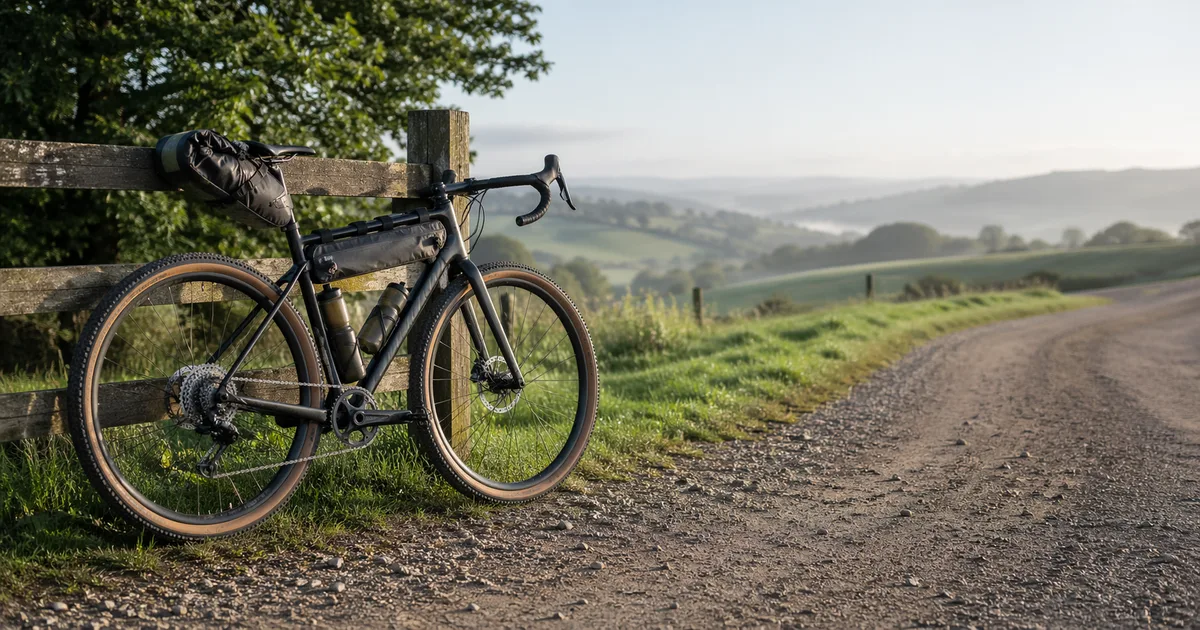
A frame bag can keep dense gear low and inside the bike, but a size that looks right in a product photo may not suit your frame. The top tube, down tube, seat tube, bottle cages, cables and straps all shape the usable space. Start with the bag maker's drawing or template, then check the real bike. For other luggage positions, see our bike bags and panniers buying guide.
Measure the opening, not a size label
Record the frame's inside triangle on the exact bike and frame size. Measure along the tube lines and mark the widest available opening, but do not assume that a top-tube length, seat-tube length or frame-size label is a frame-bag dimension. A bag pattern may taper or cut away around a shock, bottle bosses or welds. Geometry references such as reach, stack and standover help identify the frame, but do not replace a bag-specific template.
Use the manufacturer's model-year chart where one is provided. For a new or unfamiliar bike, measure the physical frame rather than relying on an online geometry database. Our guide to comparing two bike sizes explains why a size name is only a starting point. When the fit question is really about the bicycle, not the bag, compare the bike and frame before buying luggage.
What manufacturer templates can tell you
These examples show why a bag's litres are not a fit measurement. The maker's template or size chart is the useful reference. Sizes, line drawings and compatibility can change, so open the current product page before ordering.
| Bag and variant | Published spec | Fit reference | What to verify |
|---|---|---|---|
| Revelate Designs Ranger, Small | A–E: 16.25, 1.5, 16.25, 3.25, 8.25 in | Manufacturer dimensions and 1:1 template | The maker defines these as minimum fit dimensions and advises sizing down when between sizes. That advice applies to this model, not every frame bag. |
| Ranger, Medium | A–E: 18.5, 1.75, 17.75, 4, 10.25 in | ||
| Ranger, Large | A–E: 20, 1.75, 18.5, 4, 11.5 in | ||
| Ranger, XL | A–E: 21.5, 2, 20.5, 4, 13.75 in | ||
| Apidura Expedition Frame Pack, 2.8 / 3.8 / 4.3 / 5.7 L | 210 / 244 / 263 / 282 g respectively | Size-specific dimensions and printable templates | Use its visual tool or print the template at full scale with bottles and frame accessories installed. |
| Salsa EXP Cholla Half-Frame Bag, six sizes | Six bag sizes; straps fit a range of Salsa and non-Salsa frames | Salsa compatibility chart | Direct mounting is only for select Salsa frames; check the listed model and size rather than assuming a match. |
Revelate's A–E measurements describe its own outline; they are not universal labels for frame dimensions. The table uses inches as shown by the maker. Check its current drawing for the line each letter measures and use its full-size Ranger pattern for an actual bike comparison. Apidura publishes a different set of volumes and weights, with size-specific dimension diagrams and printable files on the Expedition product page. Its sizing guide says to base selection on frame dimensions, not desired capacity.
Fit a bottle you can actually remove
A bag may sit inside the triangle and still block bottle access. Install the cage and the bottle you normally carry before checking the outline. Fit any cage adapter you plan to use too. Then rehearse taking the bottle out and returning it with the bag mounted; a clearance gap on a side view does not show the path your hand and bottle need.
Apidura recommends placing bottles and frame accessories on the bike when using its sizing tool. The company also notes that frame size, geometry, pack size and bottle size affect clearance, and suggests side-entry cages or its bottle-cage adapter when space is tight. Those are maker suggestions, not a guarantee that a given bottle will fit. See the manufacturer's bottle-clearance guidance and compare the fit on your own bike. Our bike fit guide and gravel fit guide cover the rider position that the frame must preserve.
Check straps, rub and moving parts
A paper outline checks only a flat, unloaded shape. A packed bag can bulge, sit wider than expected or shift under load. Secure the bag as its maker instructs. Look for contact with paint, brake or shift housing, hoses, bottle cages, cranks and your knees. Do not route a strap over a cable or moving part, and use only frame protection that the bike and bag makers allow.
On a full-suspension bike, inspect the bag, shock, linkage and tire through the range of movement permitted by the bicycle maker. Do not improvise a suspension-compression procedure. If you cannot make the check safely, ask a mechanic. The same caution applies to dropper movement and seat bags; the suspension setup guide covers why a parked-bike check does not show every moving clearance. The bag-clearance checker compares measurements you provide; it cannot inspect motion or certify a frame, strap or bag combination.
If the bike is secondhand or its frame size is uncertain, first work through the used-bike fit checks. A frame that needs an awkward bag workaround may not be the right purchase; choosing a bike by fit comes before choosing storage.
Choose capacity only after the fit check
Once a model's outline works, decide what you need to carry. Larger bags can take more gear but occupy more of the frame opening; loading them may also change their shape. Pack the intended load, install the bag and repeat bottle access and movement checks. Do not assume an empty bag's dimensions prove the loaded bag will behave the same way.
If choosing a size between two, follow that manufacturer's own advice. Do not transfer a sizing rule from Revelate to Apidura or Salsa. Check model year and exact frame size in the maker's chart. A general bike-size estimate or geometry comparison can help identify a frame, but neither tool sizes the bag for you.
Common questions
Manufacturer specifications reviewed November 6, 2026. Dimensions, templates and compatibility refer to each linked brand's product only. This guide does not certify fit on any individual bicycle.