Gravel Bike Sizing, Geometry & Fit Guide 2026
Guide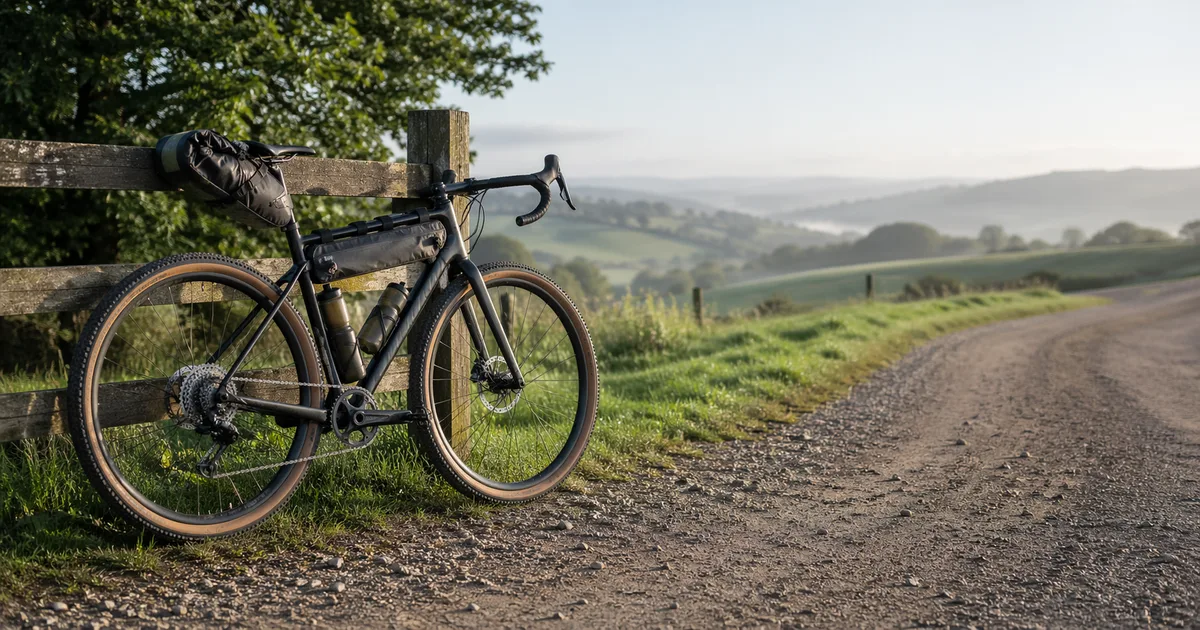
Gravel bikes look like road bikes at a glance, but the geometry tells a different story. Slacker head angles, longer wheelbases, taller stacks and tire clearance that swallows 45 mm rubber make them their own category - and that means sizing them like a road bike will leave you with a cockpit that's too low, too long, or too twitchy on loose surfaces. This guide walks you through the dimensions that actually matter, how race and adventure geometries diverge, brand quirks worth knowing, and the test-ride checks that confirm your size before you commit.
Quick Answer
Size your gravel bike by stack and reach, not seat tube length. Most riders need a frame with 10-30 mm more stack and 5-15 mm less reach than their road bike for an all-day position. Use our Gravel Bike Size Calculator to get a personalized starting point, then verify on a test ride.
Gravel Sizing Tools & Calculators
Before we get into the geometry weeds, grab a starting number from one of our calculators. Free - no account required.
Enter height and inseam to get a recommended size with reach and stack targets
See how two frame sizes differ in cockpit position before you commit
Stack head angles, wheelbase, and chainstay length side by side
Dial pressure for the tire width and surface mix you actually ride
What Makes Gravel Geometry Different
Gravel geometry sits between road and cyclocross, but it's not simply a blend - it's tuned for a different problem. Cyclocross bikes are designed for 60-minute UCI courses with tight corners and shouldering sections. Gravel bikes are designed for all-day rides on loose, washboarded, and unpredictable surfaces. Stable handling, comfortable reach, and big tire clearance all flow from that one design goal.
Gravel vs Road
- Slacker head angle: Typically 70-72° versus 73-74° on road bikes. The slacker angle adds trail and slows steering input, which is what you want when the front wheel skips over loose rock.
- Longer wheelbase: Usually 25-50 mm longer than a comparable road frame. More wheelbase means more stability at speed and a calmer line through ruts.
- Lower bottom bracket: BB drop of 70-85 mm versus 65-72 mm on road. A lower BB lowers your center of gravity, helping the bike feel planted on cambered gravel.
- Taller stack: 10-40 mm more stack at the same nominal size, putting you in a less aggressive position you can hold for six-plus hours.
- Massive tire clearance: 40 mm minimum, often 50 mm or 700×45c plus 27.5×2.1in mullet options.
Gravel vs Cyclocross
- More relaxed front end: CX bikes have higher BBs (for pedal clearance through grass) and steeper head angles for race agility. Gravel goes the other direction.
- More clearance: Most CX bikes are limited to 33 mm tires per UCI rules; gravel frames have no such cap.
- Lower BB drop: Where CX prioritizes pedal-strike clearance, gravel prioritizes stability you can feel on a three-hour descent.
Why this matters for sizing
Because gravel frames already build in a more upright position, you generally don't need to size up to get extra stack the way some road riders do. Sizing up usually adds too much reach - the opposite of what makes a gravel bike feel right.
Key Dimensions That Matter Most
Gravel manufacturers don't agree on what “size 56” means. One brand's 56 is another's 54. The only reliable cross-brand comparison is geometry numbers.
Stack and Reach
Stack is the vertical distance from the bottom bracket to the top of the head tube. Reach is the horizontal distance from the bottom bracket to the top of the head tube. Together they describe the cockpit position you actually ride - independent of seat tube angle, top tube slope, or how the brand chose to label sizes.
For most riders moving from a road bike, target gravel stack 10-30 mm taller and reach 5-15 mm shorter than your current road frame. Use the Reach & Stack Calculator to see what that shift looks like in real numbers.
Trail
Trail is the distance between where the steering axis meets the ground and where the tire contact patch sits. More trail equals more self-centering force and a calmer front end. Gravel bikes usually run 65-75 mm of trail (versus 55-60 mm on road). That extra trail is what makes a loaded gravel bike track straight on a loose descent.
Bottom Bracket Drop
BB drop is how far below the wheel axles the bottom bracket sits. A drop of 75-85 mm gives that locked-in feel on cambered surfaces. Frames designed around 650b wheels typically use a smaller drop number to keep BB height similar.
Chainstay Length
Chainstays in the 420-435 mm range are now standard. Shorter chainstays make the bike feel snappy under power; longer chainstays add stability and accommodate frame bags or rear-loaded bikepacking. Sliding dropouts (Salsa Cutthroat, some Surly models) let you tune this on the fly.
Wheelbase
Total wheelbase in a 56 cm gravel bike is typically 1020-1060 mm - longer than a road bike (about 985-1010 mm) and shorter than most touring rigs. Race-focused gravel sits at the short end, adventure builds at the long end.
Sizing by Height & Inseam
Use this chart as a starting point, then compare the exact model's reach and stack with your target position. These ranges assume an average torso-to-leg ratio; if your proportions differ, check the geometry rather than moving up or down a size by rule.
| Height | Inseam | Frame Size (cm) | Letter Size |
|---|---|---|---|
| 5'0”-5'3” | 66-72 cm | 47-49 | XS |
| 5'3”-5'6” | 71-76 cm | 50-52 | S |
| 5'6”-5'9” | 75-81 cm | 53-55 | M |
| 5'9”-6'0” | 80-86 cm | 56-58 | L |
| 6'0”-6'3” | 85-91 cm | 58-60 | XL |
| 6'3”+ | 90 cm+ | 61-63 | XXL |
Why Stack and Reach Beat Seat Tube Length
Two frames labeled “56” can have a 20 mm reach difference and a 30 mm stack difference. That's a different bike. With long-dropper-post compatibility and increasingly sloped top tubes, seat tube length tells you almost nothing about how the bike will fit your hands. Stack and reach are the only numbers worth comparing across brands.
Standover vs Slammed-Stem Reality
Modern sloping top tubes give plenty of standover at almost any size. That's mostly good - it makes dab-foot dismounts on rough terrain easier - but it also means you can't use standover alone to confirm size. If you have to slam the stem just to reach a comfortable bar height, the frame stack is too low. Conversely, if you're running 40 mm of spacers under the stem, the stack is too tall.
Race vs Adventure Gravel Geometry
Gravel has split into two design philosophies. Knowing which camp a bike falls into prevents the most common sizing mistake: buying a race bike and trying to ride it like an adventure bike, or vice versa.
Race Gravel
- Lower stack - closer to endurance road numbers (560-600 mm at size L)
- Longer reach - 385-400 mm at size L
- Steeper head angle (71.5-72.5°)
- Shorter wheelbase (around 1020 mm at L)
- Shorter chainstays (415-425 mm) for snappy acceleration
- Examples: Cervélo Aspero, Specialized Crux, Allied Able, 3T Exploro Race
Adventure / All-Road Gravel
- Tall stack (600-640 mm at size L)
- Shorter reach (375-390 mm at size L)
- Slacker head angle (69.5-71°)
- Longer wheelbase (1040-1070 mm at L)
- Longer chainstays (430-445 mm) and tons of mounts for bags, racks, fenders
- Examples: Salsa Cutthroat, Surly Midnight Special, Trek Checkpoint ALR, Specialized Diverge STR
Pick the geometry, not the paint
A race-geometry gravel bike with adventure tires still rides like a race bike: aggressive, twitchy under load, harsh on long days. An adventure bike with race tires still has a long wheelbase that won't corner like a Cervélo. Match the bike's geometry to how you'll actually ride 80% of the time.
Tire Clearance & Width Choices
Tire choice on a gravel bike is more impactful than on any other drop bar bike. Going from 38 mm to 47 mm changes ride feel more than swapping the frame would.
The Three Common Widths
- 40 mm: Fast on hardpack and pavement, the default if you ride mostly smooth dirt and rail trails. Lower rolling resistance, less weight, but harsh on chunky surfaces.
- 45 mm: The do-everything middle. Plush enough for chunky gravel, fast enough for the road sections that connect it. Most modern gravel bikes are designed around this width.
- 50 mm and up: Plus-size gravel for rough, rooty, or sandy terrain. Bikepacking loads benefit from the extra air volume. Requires frames built for it - typically newer designs from 2022 onward.
Mullet Setups (700c Front, 650b Rear)
Some adventure bikes ship with or accept a mullet wheel configuration - a 700×40c front for rolling speed and a 650b×2.1in rear for traction and air volume. This works only on frames designed for it (Salsa Warbird, Lauf Seigla, Specialized Diverge STR). On a non-mullet-compatible frame, the swap drops the BB enough to cause pedal strikes.
How Clearance Affects Sizing
Tire clearance and bag clearance need to be checked on the exact frame size. Neither wider tires nor rear luggage is an automatic reason to size down. If you are between sizes, compare saddle range, cockpit position and room to move with the intended luggage. For pressure targets at any width, see our bike tire pressure guide.
Drop Bar Flare and Cockpit
Gravel drop bars flare outward at the drops, which changes how reach and width interact compared to a road bar.
Flare Angles
- 12-16° flare: Mild flare, road-like at the hoods, slightly wider in the drops. Good if you ride a lot of pavement between gravel sections.
- 16-20° flare: The current sweet spot. Comfortable hood reach, much more control in the drops on technical descents.
- 20-25°+ flare: Aggressive bikepacking and adventure bars. Drops may be 20 cm wider than the hoods. Great for loaded touring, less so for fast group rides.
Width Selection
Most riders go up one size in handlebar width versus their road bar. If you ride 42 cm road bars, try 44 or 46 on gravel. The wider position improves control on rough terrain and opens the chest for easier breathing on long climbs. Verify with our Handlebar Width Calculator.
Reach Implications
Flared bars effectively shorten reach because the hoods rotate slightly inboard. If you're upgrading from a road bar to a flared gravel bar without changing the frame, expect to need a 10 mm longer stem to maintain the same hood position. Our stem length guide covers the full reach math.
Frame Material Trade-offs
Material choice rarely changes the size you need, but it does affect ride feel and reach numbers slightly across a brand's lineup.
Carbon
Lightest, most tunable for compliance, and often the most modern geometry. Premium gravel platforms (Cervélo Aspero, Specialized Crux, Trek Checkpoint SLR) use carbon to engineer rear-end flex without a weight penalty. Reach numbers tend to match the brand's alloy equivalent within 2-3 mm.
Aluminum
Stiff, durable, often the same geometry as the carbon flagship at half the price. The trade-off is harshness on chunky surfaces, partially masked by wider tires and lower pressure. Trek Checkpoint ALR and Cannondale Topstone Alloy are strong examples.
Steel
Heavier but compliant; built-in damping makes long days easier on the body. Steel gravel bikes (Surly, All-City, Stinner) often have slightly longer chainstays and lower BBs - check geometry charts before assuming sizing carries over from carbon.
Titanium
The forever-bike option: corrosion-proof, compliant like steel, lighter than alloy. Custom titanium builders (Moots, Mosaic, Litespeed) will match geometry to your measurements rather than the other way around, which sidesteps the sizing problem entirely.
Brand Sizing Quirks
These brands trip up more gravel buyers than any others. Always cross-check stack and reach against your current bike rather than relying on the brand's size chart alone.
Specialized Diverge
The Diverge runs taller in stack than most competitors at the same nominal size, especially the STR with its rear suspension head tube extension. Riders coming from a Tarmac or Roubaix should expect to size down by one or run a shorter stem. Cross-reference the Specialized size chart before ordering.
Trek Checkpoint
The Checkpoint has a relatively short reach in each size, which can make some riders feel cramped. If you fall between sizes, compare the fit and adjustment range of both exact sizes rather than automatically sizing up. See the Trek size chart for current numbers.
Felt Breed
The Breed runs on the longer/lower side of gravel geometry - closer to a CX bike than to an adventure rig. If you're comparing it against a Salsa Warroad or Trek Checkpoint, expect a more aggressive fit and consider sizing down a half-step. The Felt size chart spells it out.
Cervélo Aspero
Pure race geometry - long reach, low stack, steep head angle. Treat the Cervélo size chart like a road bike, not like other gravel brands. Most riders will fit the same size as their road Cervélo, not a size up.
Common Gravel Fit Mistakes
Sizing Up for Adventure
A larger frame can add reach as well as stack, so sizing up is not a reliable way to make a gravel bike more comfortable. Compare the exact model's geometry and cockpit adjustment range. Some adventure models have more stack than race-focused bikes, but check the published numbers rather than assuming that from the category name.
Ignoring Stack
The single biggest sizing error is buying a frame with too little stack and stacking 30 mm of spacers under the stem. The result is a flexy front end that feels vague at speed. If you need that many spacers, the frame's stack is wrong for you - switch to a taller-stack model.
Oversize Bars
It's tempting to grab the widest, most flared bar available for the “control” benefit. Beyond about 20 cm of total flare, you give up too much hood comfort and shoulder neutrality. Try before you commit.
Undersized Tires
Riding 35 mm tires on a frame designed for 45 wastes the bike's entire design intent. Wide tires at low pressure are the suspension system on a gravel bike. Size up the rubber, not the frame.
Test Ride Checklist
Before you commit to a frame, work through these four tests. Each one targets a different fit failure mode you won't catch in the parking lot.
- Loose gravel descent: Find a 30-second descent on loose surface. The bike should feel calm and self-correcting. If the front end darts or you feel like you're wrestling it, the head angle/wheelbase combo is wrong for the loads you'll carry.
- Paved climb in the drops: Ride a 5-minute climb in the drops. Hands should sit naturally without shoulder tension. If you're hunched, reach is too long; if elbows are pinned to your ribs, reach is too short.
- Gear-out test: Stand to sprint in your biggest gear. The bike should accelerate without the rear wheel feeling disconnected. If the back end wags noticeably, chainstays are too flexible or you're too far back on the saddle.
- Washboard chatter: Find 30 seconds of washboard gravel and ride at 25 km/h. Hands and arms should be relaxed. If you feel buzz in the palms, the frame stack is too low (forcing weight forward) or tire pressure is too high.
The 30-minute rule
Any test ride under 30 minutes flatters every bike. Push for at least 45 minutes - preferably with a real climb and a real descent. Hands, neck, and lower back start telling the truth around the 25-minute mark.
Recommended Setup Tools
Tools for dialing in your gravel fit and tire pressure.
Stanley
Stanley FatMax 30-Foot Tape Measure (33-730)
Selected 30-foot FatMax tape measure for rider-height, inseam and bike setup measurements. This is the 33-730 single tool, not the previous 25-foot model or a two-pack.
Topeak
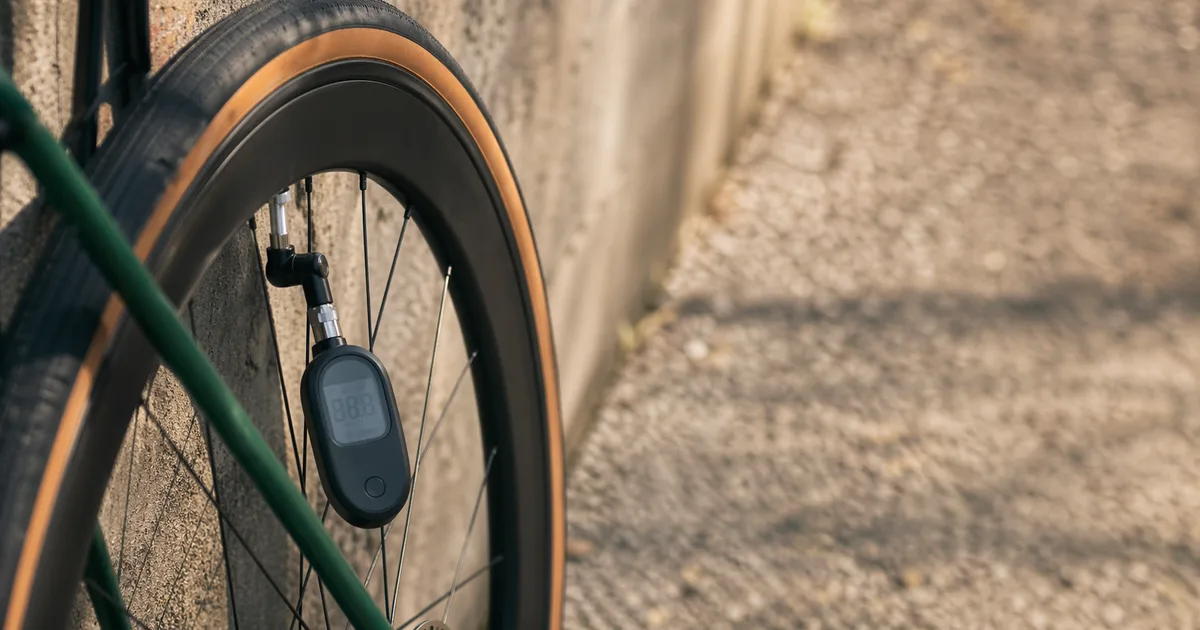
Topeak SmartGauge D2 Digital Tire Pressure Gauge
Digital tire pressure gauge reading up to 250 PSI / 17 bar with a swivel head that fits both Presta and Schrader valves. Pairs with our tire pressure calculator.
Crankbrothers
Crankbrothers M19 Multi-Tool
19-function bike multi-tool with hex, Torx, screwdriver, and chain breaker. The go-to ride-along tool for saddle height, seatpost, and on-the-road adjustments.
Park Tool
Park Tool TW-5.2 Ratcheting Click-Type Torque Wrench
2-14 Nm click-type torque wrench built for bicycle stem, handlebar, and seatpost bolts. Essential when pairing with our stem length and handlebar width calculators.
As an Amazon Associate we earn from qualifying purchases. Purchases made through these links help support our free calculators.
Frequently Asked Questions
Conclusion
Gravel bike sizing rewards riders who ignore the size sticker and read the geometry chart. Stack and reach do the heavy lifting; everything else - tire clearance, head angle, wheelbase - tunes the ride character around that core fit. Match the geometry to how you actually ride, not how the bike is marketed.
Key Takeaways
- Size by stack and reach: Seat tube length and nominal frame size mean different things across brands. Stack and reach are the only reliable cross-brand numbers.
- Don't default to sizing up: Gravel frames already build in taller stack and shorter reach than road. Sizing up usually adds reach you don't want.
- Match geometry to ride style: Race gravel for speed and aggression; adventure gravel for comfort, loads, and chunky terrain. They're different bikes.
- Plan around tire width: Pick clearance for the widest tire you'll realistically run, plus 4-6 mm mud clearance. 45 mm is the modern do-everything default.
- Watch brand quirks: Specialized Diverge runs tall, Trek Checkpoint runs short on reach, Felt Breed runs aggressive, Cervélo Aspero fits like a road bike.
- Test ride for at least 45 minutes: Include a descent, a climb, and a section of washboard. Hands and lower back start telling the truth after 25 minutes.
- Use the right cockpit: One bar size wider than your road setup, 16-20° flare, and a stem length tuned to keep elbow bend in the 15-25° range on the hoods.
A correctly sized gravel bike disappears beneath you on the descent and stays comfortable when you're six hours in and 60 km from the car. That's the standard worth holding out for - and the geometry numbers tell you whether a frame can deliver it before you ever throw a leg over.
Ready to find your size? Start with the Gravel Bike Size Calculator for a personalized recommendation, then compare specific models with the Geometry Comparison tool. For broader fit fundamentals, our complete bike fitting guide covers saddle height, cleat position, and reach optimization in detail. Many gravel frames share geometry with their road siblings, so it's worth cross-referencing a manufacturer chart such as the Giant road bike size chart before you commit to a size.