Pre-Ride Safety Check: The 5-Minute M-Check for Cyclists
How-To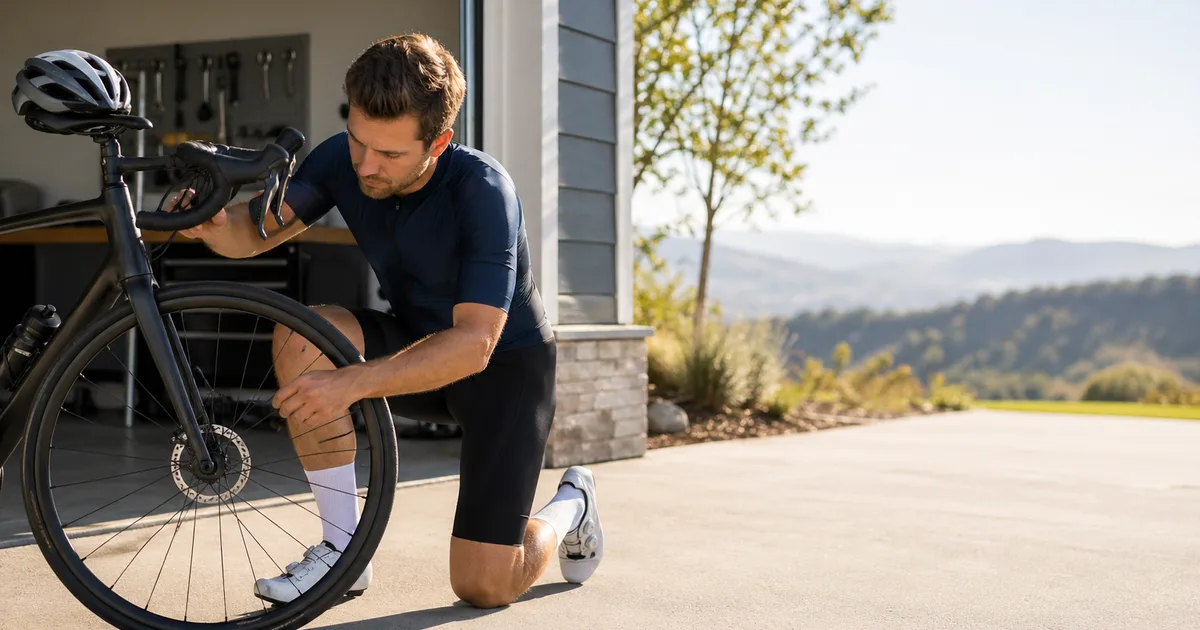
The single most common cause of a roadside breakdown isn't a worn part - it's the part that worked fine yesterday and wasn't checked today. A 5-minute pre-ride safety check catches loose quick releases, soft tires, slipping seatposts, and dry brake pads before they become a crash. The M-check is the industry-standard inspection used by bike shops, race mechanics, and cycling instructors because it follows the literal shape of an M over the bike, so you never miss a contact point. This guide walks you through the full 5-minute routine, the tools worth keeping by the door, and the few warning signs that mean stop and call a shop.
At a Glance
- Time: 5 minutes
- Skill level: Beginner
- Cost: Free
- Tools: Multitool, floor pump, pressure gauge
Who This Is For
- New riders who want a repeatable routine before every ride
- Commuters and casual cyclists whose bikes sit outside or in a garage between rides
- Parents checking a kid's bike before family rides - pair this with our Teaching a Kid to Ride guide
- Anyone who borrowed, rented, or pulled a bike out of storage and isn't sure of its history
- Returning riders rebuilding confidence after time off the bike
Tools & Parts You Need
The whole check runs on three tools you almost certainly already have. If you don't, build the kit once and it'll outlast the bike. See our roundups of the best bike tools and multitools and the best floor pumps if you're still building out a home workshop.
| Tools (one-time) | Consumables (ongoing) |
|---|---|
| Multitool with 4/5/6 mm hex keys | Clean rag for wiping the chain and rims |
| Floor pump with pressure gauge | Drip chain lube (only if the chain is dry) |
| Standalone digital tire-pressure gauge (optional but accurate) | Spare tube and patches (for your saddle bag) |
| Torque wrench (only for carbon parts) | CO2 cartridges or mini-pump |
What Is the M-Check?
The M-check traces the literal shape of an M over your bike: start at the front hub, climb up to the headset and bars, drop down to the bottom bracket, climb back up to the saddle, and drop to the rear hub. That path passes every safety-critical contact point in order, so once it's muscle memory you'll never skip a check. It's the same routine taught in League of American Bicyclists instructor courses and is the basis of the older “ABC” check (Air, Brakes, Chain) used by bike-share operators.
Run the full M-check at the start of every ride. If the bike has been transported, dropped, or sat unused for more than a week, slow down and double-check torque on the stem, seatpost collar, and axle clamps before you roll away.
Step 1 - Front Wheel and Quick Release
Lift the front of the bike a few inches and let the wheel spin. Watch the gap between the rim and brake pad - the wheel should run true, with no side-to-side wobble greater than about 2 mm. Then check the closure: a quick release lever should leave a clear imprint in your palm when fully closed; a thru-axle should be torqued snug, not finger-tight. Grab the wheel at 9 and 3 o'clock and try to rock it sideways. Any clunk means a loose hub bearing or unseated axle. Don't ride it.
Step 2 - Front Brake and Headset
Squeeze the front brake lever firmly. It should stop short of the bar with a solid feel. A spongy lever that pulls all the way to the grip means air in a hydraulic line or a stretched cable - both unsafe. Now keep the front brake squeezed and rock the bike forward and back. If you feel or hear a clunk through the bars, the headset is loose (most often the top cap or stem bolts). It's a 60-second fix with a hex key - but do it now, not on the road. A loose headset chews bearings within a single ride.
Step 3 - Stem and Handlebars
Stand in front of the bike, lock the front wheel between your knees, and try to twist the bars left and right. The stem should refuse to rotate. If it slips, tighten the stem bolts in a star pattern to manufacturer torque (typically 5-6 Nm for alloy stems on steerers). Check that the bars are square to the front wheel and that brake levers and shifters are angled the way you remember them - a hand-rolled bar in transit is one of the most common causes of weird wrist pain.
Step 4 - Saddle and Seatpost
Grab the saddle by the nose and tail and try to twist and lift it. It should be locked in place. If it moves, inspect the relevant clamp and follow the frame, post and saddle makers' torque and assembly guidance. Check that its position has not slipped from your reference marks. Mechanical security is separate from fit: use the saddle-position check if the height or tilt needs reassessing. Meet both the frame and post minimum-insertion requirements before riding.
Step 5 - Bottom Bracket, Cranks, and Pedals
Grip both crank arms and try to rock them sideways. Any lateral play is a worn bottom bracket bearing - rideable short term, but book a shop visit. Now backpedal slowly: the chain should run smoothly with no skipping, the pedals should spin freely without grinding, and there should be no clicking from the cranks. If the chain looks dry, brown, or makes a whisper noise, lube it before you ride. Our Bike Chain Maintenance Guide covers the full cleaning and lubing routine.
Step 6 - Rear Wheel and Drivetrain
Mirror Step 1 on the rear wheel: spin it, check trueness, confirm the axle is closed and torqued. Squeeze the rear brake and rock the bike - you're looking for the same firm bite. Then lift the rear wheel and shift the entire cassette in both directions. Every gear should engage cleanly within a half pedal stroke. Hesitation, ghost shifts, or noise in one specific gear usually means a derailleur cable has stretched a turn out of adjustment. If you've recently changed gearing, sanity-check the math with our Gear Inch Calculator.
Step 7 - Tires and Pressure
Run a thumbnail along each tread and inspect the sidewalls for cuts, cracks, or embedded glass. A small thorn that's been sitting in the tread for three rides will pick today to push through. Then check pressure with a gauge - a thumb squeeze tells you almost nothing. Use our Tire Pressure Calculator to find the right PSI for your weight, tire width, and surface, and our Tire Size Calculator if a sidewall marking confuses you. Tires lose roughly 1-2 PSI per day, so a bike that sat all week will be 10-15 PSI low. If a tire is past its useful life, see our picks for the best bike tires for 2026 and the best inner tubes for your saddle bag.
Step 8 - Bell, Lights, and Short Test Ride
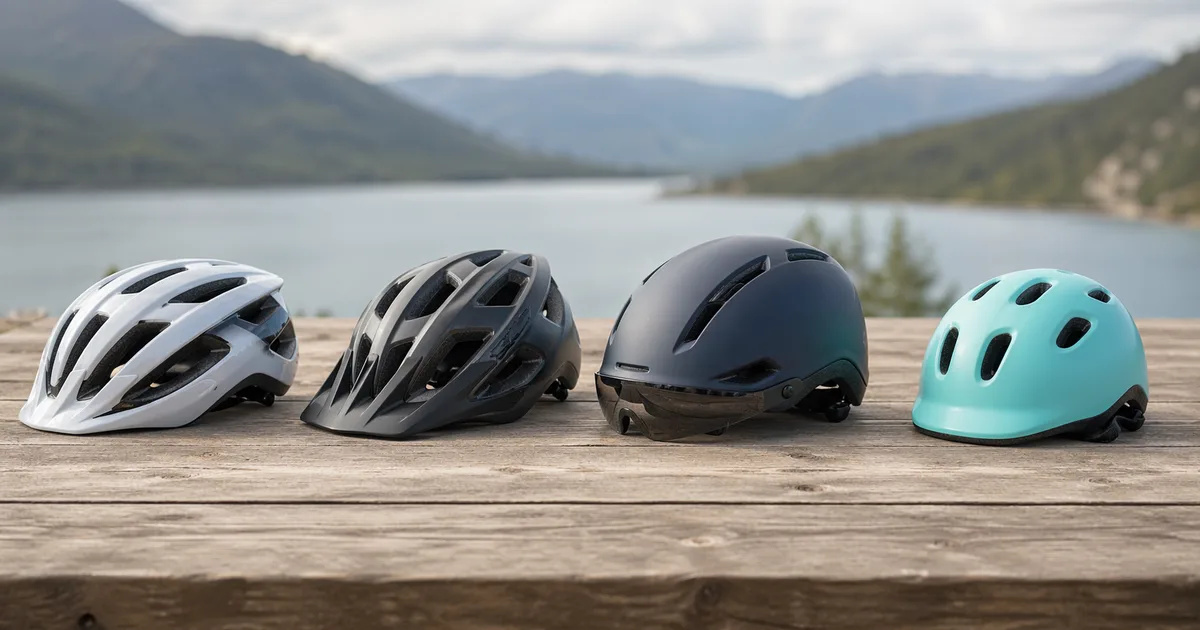
Ring the bell. Cycle through every light mode - front white, rear red, and any side reflectivity. USB-rechargeable lights die silently; plan to top them off the night before. Brands like CatEye and Knog publish honest runtime numbers; if your current setup is dim or unreliable, browse our picks for the best bike lights and the best bike bells and horns for 2026. Confirm your helmet still passes the 2-V-1 fit check (two fingers above the brow, straps form a V below each ear, one finger under the chin); if the foam is cracked or the straps are stretched, replace it - see our roundup of the best bike helmets for 2026 with picks from Bell, Giro, and Lazer. If you'll lock up at the destination, double-check the U-lock or chain isn't worn or jammed - our guide to the best bike locks for 2026 covers Sold Secure ratings worth carrying. Finally, roll the bike forward 20 feet in a straight line, brake hard with each lever individually, and shift through two or three gears under light pedal pressure. This catches anything the static checks missed - a slipping seatpost, a dragging brake, a chain that jumps under load - while you're still next to your toolbox, not stuck miles from home. For a deeper dive into chain noise and skipping under load, see our chain wear guide.
Common Mistakes
- Skipping the check on familiar rides: Most failures happen on routine commutes, not big adventures, because that's when the routine gets cut.
- Using a thumb-test for tire pressure: Modern road tires can feel rock-hard at 40 PSI below their target. Use a real gauge - and pair it with our tire pressure guide.
- Tightening the stem too much: Carbon parts crack long before they feel tight. Use a torque wrench on any carbon stem, bar, or seatpost.
- Mistaking a loose headset for a worn fork: Always tighten the headset before assuming a creak is a bigger problem.
- Re-marking saddle height by eye: Marks rub off and eyeballs lie. Mark the post with electrical tape or use a measured reference from our calculator.
- Ignoring a quiet brake rub: A pad that touches the rotor only when you stand to climb wears unevenly and overheats on long descents.
Troubleshooting
| Symptom | Likely Cause | Fix |
|---|---|---|
| Clunk when rocking bike with front brake on | Loose headset | Snug top cap, then re-torque stem bolts |
| Spongy brake lever | Air in line or stretched cable | Hydraulic bleed (shop) or cable adjust |
| Wheel won't spin freely | Brake rub or unseated axle | Re-center caliper or reseat wheel in dropouts |
| Saddle slowly tilts down mid-ride | Under-torqued saddle clamp | Tighten clamp bolt(s) to spec, check rail wear |
| Skipping in one specific gear | Cable stretch or worn chain | Quarter-turn barrel adjuster; check chain wear |
| Tire flat overnight, no visible cause | Slow puncture or valve seal | Inflate, submerge in water, locate bubbles |
When to Call a Shop
Most M-check findings are 60-second adjustments. A few aren't. Stop riding and book a shop visit if you find any of the following:
- Visible cracks on a frame, fork, bar, stem, or seatpost - especially on carbon. Don't ride a cracked carbon part, ever.
- A brake that won't firm up after a cable or lever adjustment - hydraulic systems need a proper bleed.
- Persistent crank or bottom bracket play after tightening the crank bolt - bearings are worn.
- A wheel that won't true with normal spoke tension or has broken/missing spokes.
- Bent derailleur hanger - symptoms include shifting fine in one direction only and chain falling into spokes. Cheap to replace, expensive to ignore.
- Anything you don't recognise - a new noise, new resistance, new wobble. Trust the bike to tell you when something has changed. Cross-reference with our bike fitting guide if the change started after a fit adjustment.
Frequently Asked Questions
Conclusion
Five minutes is the price of admission for every ride you take. The M-check turns “is the bike OK?” from a vague worry into a repeatable two-handed sweep that catches almost every common failure before it becomes a crash. Build the habit, keep the three tools by the door, and your bike will reward you with thousands of miles of uneventful rides - which is exactly what you want.
Key Takeaways
- Trace the M: front wheel → headset/bars → bottom bracket → saddle → rear wheel. Never skip a contact point.
- Always finish with a 20-foot test ride - static checks miss what only shows up under load.
- Use a real pressure gauge. Pair it with our Tire Pressure Calculator.
- Stop and call a shop for cracked carbon, persistent crank play, or any unfamiliar noise.