Summer Cycling Heat Guide 2026 | Hydration & Hot-Weather Setup
How-To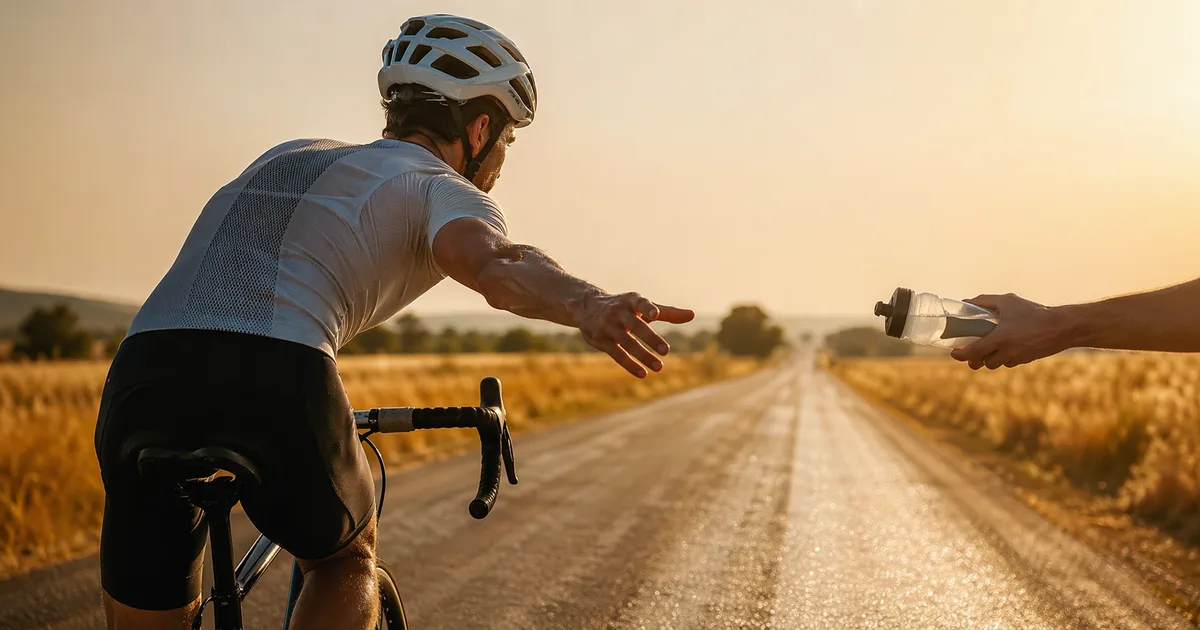
Summer riding rewards you with long evenings, dry roads, and that unmistakable feeling of freedom - but heat is a quiet performance killer. Once ambient temperatures push past 80°F (27°C), your body starts diverting blood to the skin to shed heat, your sweat rate climbs, and even your tires behave differently. Riders who ignore the heat cramp up at mile 30, blow tubeless tires in the parking lot, or worse, end up in the ER with heat stroke. This guide walks through the hydration math, gear tweaks, and routing decisions that keep you comfortable, safe, and fast through the hottest months of the year.
Quick Answer
Drink 16-32 oz of fluid per hour with electrolytes (more if you sweat heavily), drop tire pressure by 2-3 psi to compensate for heat-induced air expansion, and ride before 9 a.m. or after 6 p.m. when surface temperatures and UV index are lowest. Use our Tire Pressure Calculator to set a safe summer baseline.
Summer Cycling Tools & Calculators
Before you head out into the heat, take five minutes to confirm the basics: pressure, fit, and helmet ventilation. These free calculators give you a personalized starting point with no account required.
Calculate a heat-safe psi based on rider weight, tire width, and terrain
A well-fitting, well-vented helmet is your first line of cooling
Inefficient pedaling generates extra body heat - check before long rides
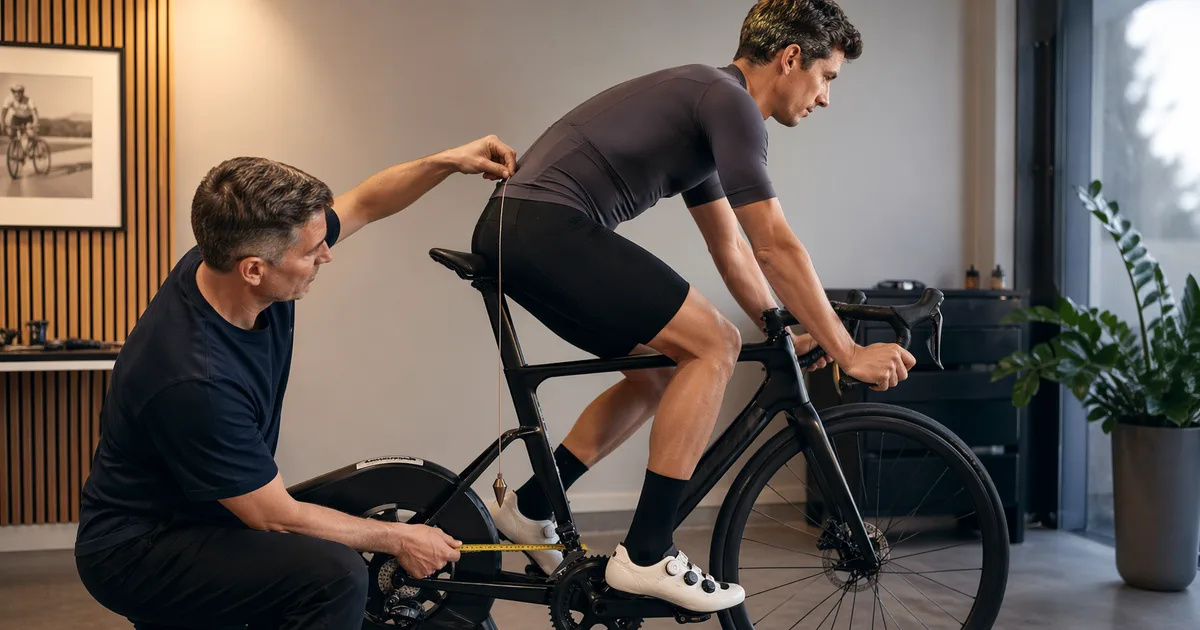
A relaxed fit reduces shoulder tension and breathing restriction in heat
How Heat Affects Your Body & Bike
Heat does not just make you uncomfortable - it changes the physics of your ride. Your body and your bike both respond to rising temperatures in measurable, predictable ways, and understanding those responses is the first step toward managing them.
Core Temperature & Sweat Rate
Normal core temperature sits around 98.6°F (37°C). During hard cycling in hot weather, it can climb to 102°F (38.9°C) or higher within 30-60 minutes. Above roughly 104°F (40°C), cognitive function and muscle performance decline rapidly, and the risk of heat stroke becomes real. Your body fights this rise by sweating - trained cyclists can lose 1-2 liters of fluid per hour in hot conditions, and elite riders in extreme heat have been measured at over 3 liters per hour. That fluid loss thickens your blood, raises heart rate, and reduces stroke volume, which is why a ride that felt easy in May can feel brutal in August at the same wattage.
Tire & Sealant Behavior
Air expands as it heats. A tire pumped to 80 psi in a cool 65°F garage can read 88-92 psi after sitting in direct sun on 95°F asphalt - pavement surface temperatures can hit 140°F (60°C) on a hot afternoon. That extra pressure makes tires bouncier, harsher, and more prone to pinch flats on rough sections. Tubeless sealant also degrades faster in heat: latex-based sealants dry out in roughly half the time at 90°F+ compared to 70°F, leaving you vulnerable to small punctures that would normally self-seal. Rubber compounds get tackier and wear faster, and sidewalls flex more under load.
Heads Up
Black bar tape, dark saddles, and carbon components absorb heat aggressively. A carbon top tube parked in direct sun can exceed 150°F - hot enough to soften some resin systems and uncomfortable to grab when remounting.
Hydration Math
Hydration is the single biggest lever you control on a hot ride. Get it right and you'll feel strong at hour three; get it wrong and you'll cramp, bonk, or worse. The good news is the math is simple.
The 16-32 oz Per Hour Baseline
For most riders, 16-32 oz (475-950 ml) of fluid per hour covers normal summer conditions. The lower end fits a lightweight rider in mild 75°F weather; the upper end fits a heavier rider in 95°F+ heat or high humidity. A standard large bottle holds 24 oz, so plan on roughly one bottle per hour and a refill stop every two hours.
Personalize By Body Weight & Sweat Rate
For a more accurate number, do a one-time sweat test: weigh yourself nude before a one-hour hot ride at your usual intensity, weigh again after (also nude, toweled off), and add back any fluid you drank during the ride. Each pound lost equals about 16 oz of sweat. So if you lost 2 lb and drank 16 oz, your sweat rate is roughly 48 oz per hour - you should target close to that for replacement.
A simpler rule of thumb: drink 0.5 oz per pound of body weight per hour in moderate heat, scaling up to 0.75 oz in extreme heat. A 160 lb rider lands at 80 oz over a three-hour ride - about three large bottles plus a refill. For shoppable bottles, hip packs, and backpack reservoirs, see our roundup of the best cycling hydration systems for 2026; insulated bottles from CamelBak keep water cool roughly twice as long as standard bottles in midday sun.
Electrolyte Balance
Plain water alone is not enough beyond about 90 minutes. Sweat carries sodium (roughly 500-1500 mg per liter, depending on the rider), plus smaller amounts of potassium, magnesium, and chloride. Replacing only water dilutes blood sodium and can trigger cramps, nausea, or in extreme cases hyponatremia. Aim for 300-700 mg of sodium per hour in heat, either through a drink mix, salt tabs, or salty real food (pretzels, olives, chip-bag style snacks). If you find white salt rings on your kit after rides, you're a heavy salt sweater and should target the high end of that range.
Pre-Ride Hydration
Drink 16-20 oz of water with electrolytes 2-3 hours before a hot ride, then another 8 oz 15 minutes before rolling out. Starting hydrated buys you a 30-45 minute cushion before sweat losses catch up.
Tire Pressure in Heat
Tire pressure is the most overlooked summer adjustment. Most riders pump up at home, head out into the sun, and never reconsider - but the same pressure that feels perfect at 65°F is too high at 95°F.
Drop 2-3 psi for Heat
As a general rule, reduce your normal pressure by 2-3 psi when ambient temperatures exceed 85°F. The ideal-gas relationship means tire pressure rises roughly 1 psi for every 10°F increase in tire temperature, and tire temperature on hot pavement runs 30-50°F above ambient. By starting slightly low, you land in the right range once the tire warms up rather than overshooting into a harsh, skittery feel.
For exact numbers based on your weight, tire width, and terrain, run your inputs through our tire pressure calculator and subtract 2-3 psi from the result for hot-day riding. For a deeper look at how width, casing, and surface affect pressure, see our bike tire pressure guide.
Tubeless Sealant in Heat
Heat can shorten sealant life. Follow the product's inspection and refill guidance and check more often in hot, dry conditions. The tubeless setup guide covers sealant and troubleshooting; an absence of sloshing alone does not tell you the remaining quantity. Check pressure before riding and investigate unexpected losses.
Avoid Maximum PSI
Never pump to the sidewall's max pressure on hot days. Heat expansion can push pressure past the rated limit, risking blowouts - especially with hookless rims or older tubes. Stay 10-15 psi below max as a safety margin.
Sun Protection
Sun exposure on a bike is brutal. You're outside for hours, often between 10 a.m. and 4 p.m. when UV is strongest, and the wind hides the burn until it's too late. Sun damage is not just a cosmetic issue - it accelerates fatigue, raises core temperature, and over years dramatically increases skin cancer risk.
UPF Kit & Light Colors
Modern summer cycling kit increasingly uses UPF-rated fabrics (typically UPF 30-50+). Lightweight long-sleeve jerseys and arm coolers can actually keep you cooler than bare skin in direct sun because they reflect UV and wick sweat into an evaporative cooling layer. Choose white, light gray, or pastel colors - black jerseys absorb roughly 90% of solar radiation while white reflects most of it. The same goes for your helmet: a white or light-colored shell can run 15-25°F cooler than a matte black one in direct sun. For vented summer-friendly options, see our best bike helmets for 2026 - Giro, Bell, and POC all build heavily ventilated road shells designed to dump heat at speed.
Sunscreen Strategy
Apply SPF 30+ broad-spectrum sunscreen 20 minutes before rolling out, focusing on the back of the neck, ears, nose, cheeks, forearms, calves, and the gap between jersey hem and shorts. Sweat and sweat-rinsing reduce protection - reapply every 90-120 minutes during long rides. Stick-format sunscreens travel well in jersey pockets and apply cleanly without greasing up your bars. Lip balm with SPF prevents the chapped, cracked lips that come from breathing hard in dry summer air.
Eyewear
Quality cycling sunglasses block 100% of UVA/UVB, reduce squinting (which contributes to facial fatigue), and keep grit out of your eyes. Photochromic lenses adapt to changing light through tunnels and tree cover, and a contrast-enhancing tint (rose, amber) helps you spot road hazards in dappled shade. Don't forget your hands: lightweight UPF-rated summer gloves prevent the burn line at the back of the wrist and wick sweat off the bars - see our picks for the best cycling gloves for 2026.
Cooling Strategies On the Bike
Beyond hydration and sun protection, a handful of small tactics make a big difference once temperatures climb past 90°F.
Ice Socks & Cold Bottles
An ice sock - literally a knee-high tube sock or pantyhose stuffed with ice cubes and tied at the top - tucked under the back of your jersey collar provides 30-45 minutes of intense cooling at the carotid arteries. Pro teams use this trick at the Tour de France and at hot Classics. A quick alternative: at every refill stop, fill one bottle with ice water and rotate it across your neck, wrists, and inner thighs (where blood vessels run close to the skin) before drinking from the other.
Pre-Cooling
Drinking a cold slushie or ice-cold beverage 15 minutes before rolling out lowers core temperature by 0.5-1°F, buying you extra time before heat stress kicks in. A cold shower beforehand has a similar effect. This is especially valuable for time trials, criteriums, or hard early-morning intervals.
Route Shade
Shade can reduce perceived temperature by 10-15°F. When planning hot rides, prioritize tree-lined backroads, river paths, and rail trails over open highways and exposed climbs. Even a single shaded descent in the middle of a ride lets your body shed enough heat to recover for the next exposed section.
Smart Route & Time Planning
The smartest heat-management decision is made before you clip in. Time of day, road orientation, and refill availability all matter more than gear in extreme heat.
Early or Late, Not Midday
Aim to be done by 9 a.m. or to start after 6 p.m. on hot days. Air temperature peaks around 3-5 p.m., but pavement temperature peaks slightly later as asphalt continues releasing stored heat into the evening. Pre-dawn rides are coolest, with the bonus of empty roads and spectacular sunrises. If you can't avoid midday riding, cut duration and intensity, and double your fluid plan.
Road Orientation
North-side roads of east-west routes stay shaded by trees and buildings longer in the morning. East-facing climbs are cool at sunrise; west-facing climbs are scorching by mid-afternoon. Out-and-back rides let you ride the shaded side both directions if you time it right.
Water Refill Stops
Map water refills every 20-30 miles in hot weather. Gas stations, public parks, cemeteries, and water fountains in trail systems are reliable. Apps and crowd-sourced cycling maps tag bottle-fill stations. Carry a few dollars for a gas-station ice cup - pour the ice into one bottle and fill with water for an instant cold drink.
Bike Storage in Heat
Heat damages bikes that are never even ridden. A few storage precautions extend the life of tires, saddles, and components.
Never Leave a Bike in a Hot Car
Vehicle interiors in summer can exceed 150°F (65°C) within an hour. At those temperatures, tires can exceed maximum pressure and blow off the rim, electronic shifting batteries degrade faster, hydraulic brake fluid expands, and saddle covers can warp or delaminate. If you must transport a bike on a hot day, use a roof or hitch rack rather than the trunk, and bleed 2-3 psi out of the tires before loading.
Garage & Outdoor Storage
Garages can hit 100°F+ even in moderate climates. If your bike lives in a hot garage, store it off direct sun (south-facing windows are the worst), check tire pressure weekly because heat accelerates air loss, and wipe down chains more often since chain lube thins and slings off in heat. Saddles left in direct UV for months will fade, crack, and stiffen - a $5 bike cover protects a $200 saddle.
Warning Signs of Heat Illness
Heat illness exists on a spectrum. The earlier you recognize the signs, the easier it is to recover. Pushing through is never the right answer in extreme heat.
Heat Exhaustion (Stop & Cool Down)
Symptoms include:
- Heavy sweating, often with cool, clammy skin
- Dizziness, lightheadedness, or weakness
- Nausea, headache, or muscle cramps
- Heart rate elevated 15-25 bpm above your usual zone
- Difficulty maintaining pace despite easy effort
What to do: Stop immediately. Find shade, drink cool fluid with electrolytes, douse your head and neck with water, and rest at least 30 minutes before deciding whether to continue. If symptoms persist, call for a ride home.
Heat Stroke (Medical Emergency)
Call 911 If You See
- Hot, dry skin or sweating stops - the body's cooling has failed
- Confusion, slurred speech, or disorientation
- Core temperature above 104°F (40°C)
- Loss of coordination, staggering, or collapse
- Seizure or loss of consciousness
Heat stroke is fatal within 30-60 minutes if untreated. While waiting for help, move the rider into shade, remove excess clothing, and apply ice or cold water to the neck, armpits, and groin.
Riders most at risk include those new to hot-weather training, anyone returning from cooler climates, and riders on certain medications (antihistamines, blood pressure meds, stimulants). Build heat tolerance gradually over 10-14 days of progressively longer rides in the heat - this is real physiological adaptation called heat acclimatization, and it meaningfully lowers core temperature and heart rate at any given workload.
For the cold-weather counterpart to this guide, see our winter cycling setup guide.
Hot-Weather Gear Picks
Hydration systems and ventilated helmets for summer rides.
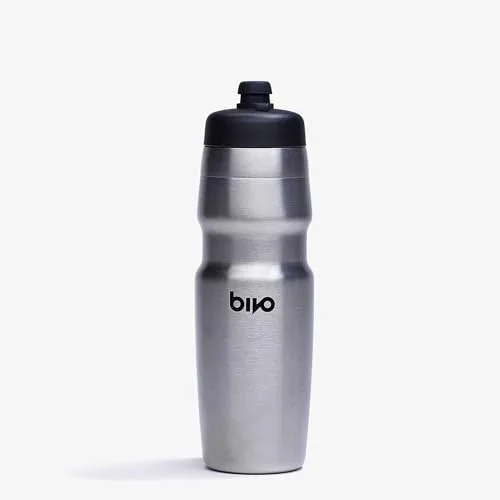
Bivo
Bivo Duo 25 oz Stainless Bottle
Fits most major cages, but the 77 mm maximum diameter is a touch larger than a standard plastic bottle. Check tight side-load cages on very small frames.
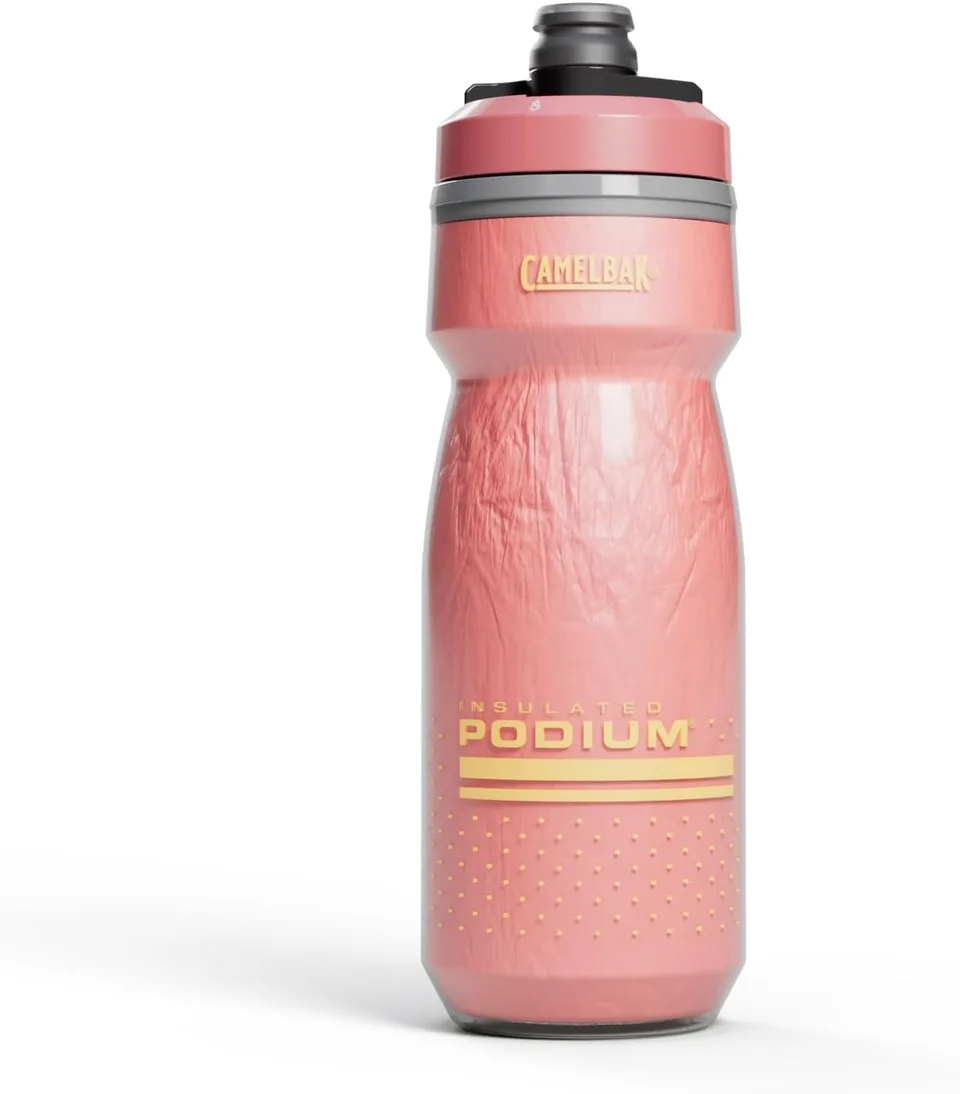
Camelbak
CamelBak Podium Chill 21oz
Standard 73mm bottle diameter. Optimized cage fit for most bike bottle cages.
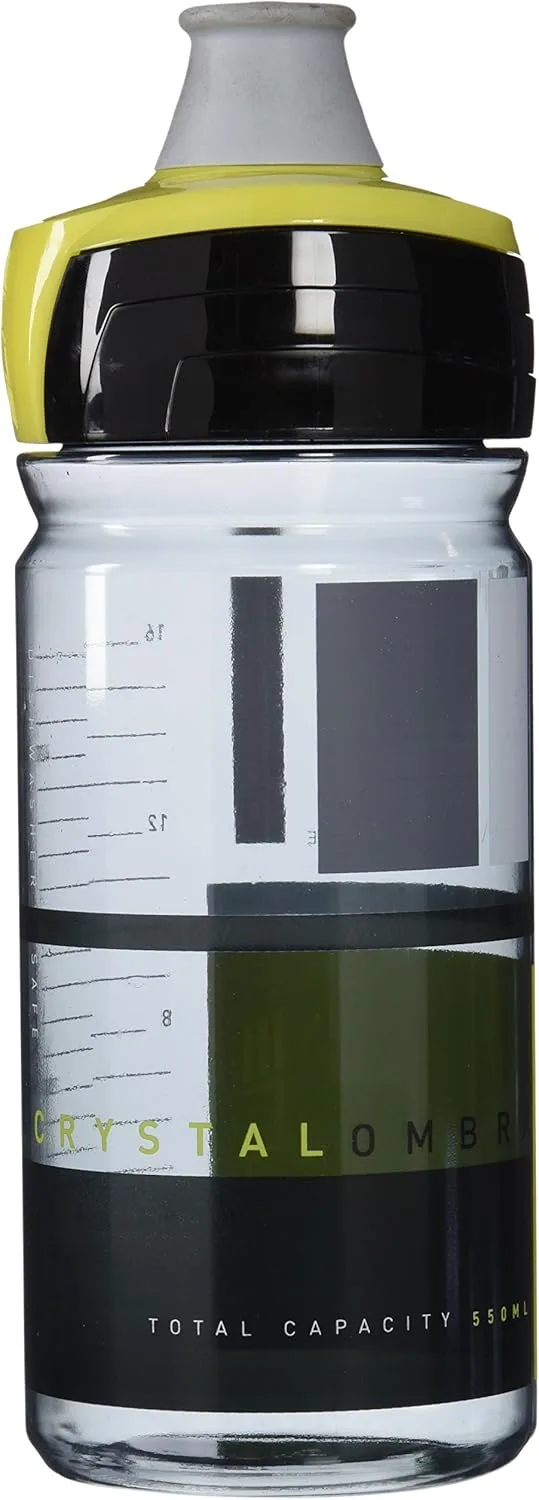
Elite Cycling
Elite Cycling Elite Ombra Water Bottle 550ml
Compact 550ml. Ideal for road racing and small-frame riders.
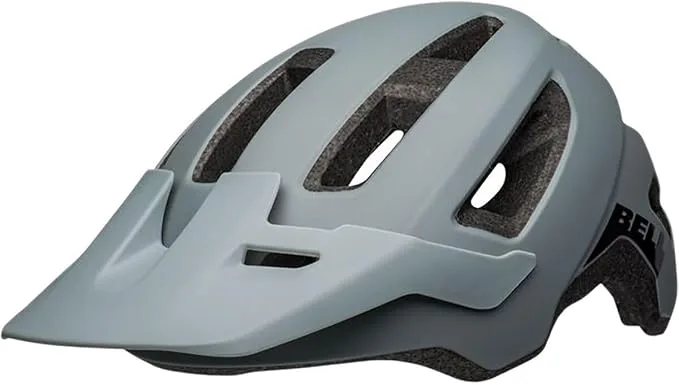
Bell
Bell Nomad 2 MIPS
This ASIN is Small/Medium 52-57 cm. Check the selected Amazon size/color before checkout.
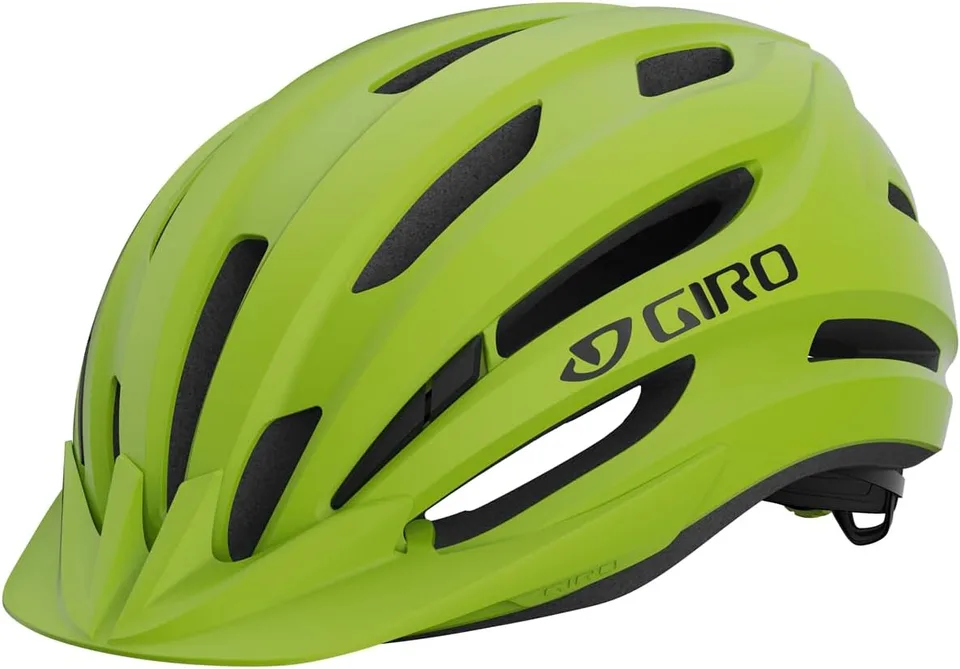
Giro
Giro Register MIPS
S 51-55 cm, M 55-59 cm, L 59-63 cm
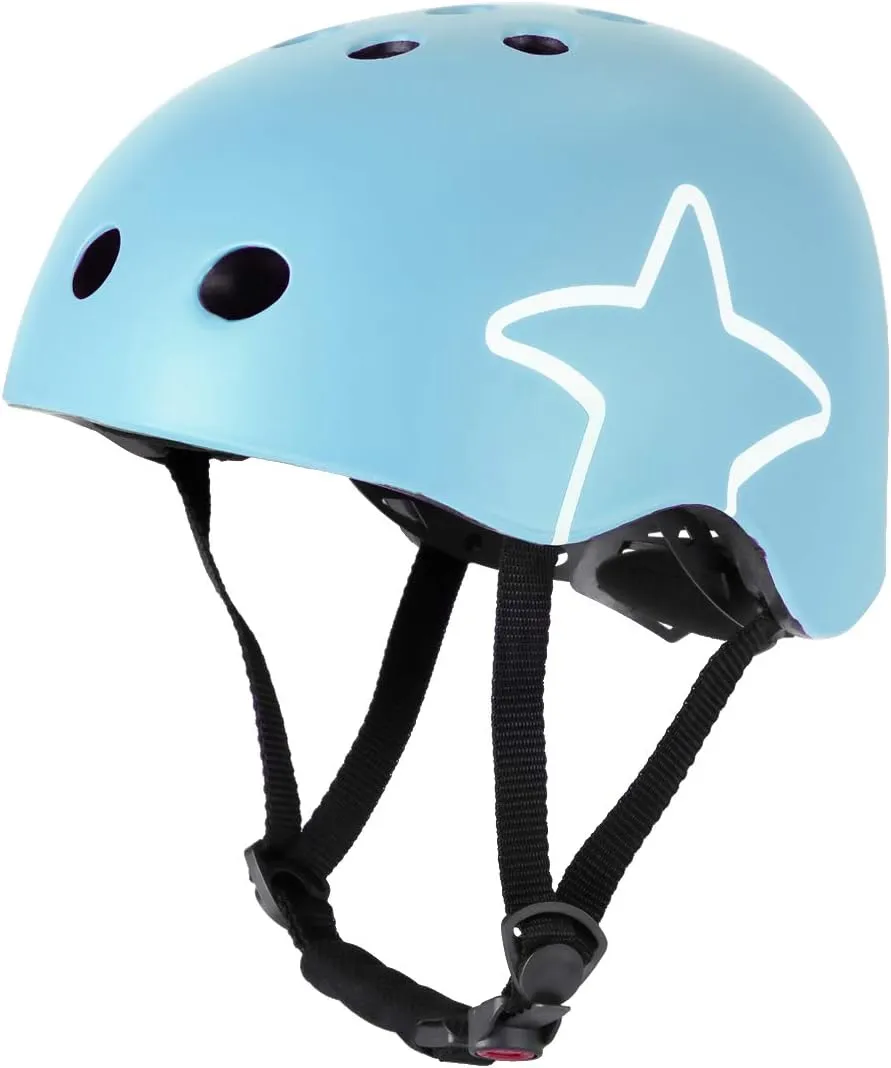
Joystar
Joystar DRBIKE Kids Multi-Sport Helmet (Ages 3-8)
Adjustable dial-fit kids multi-sport helmet sized for ages 3-8. Compatible with biking, skateboarding, and scooter use. EPS foam with vented hard shell.
As an Amazon Associate we earn from qualifying purchases. Purchases made through these links help support our free calculators.
Frequently Asked Questions
Conclusion
Summer cycling is some of the best riding of the year - if you respect the heat. The riders who suffer most in August are usually the ones who treated their July setup as good enough: same pressure, same bottles, same noon start time. A handful of small adjustments - two psi off your tires, an extra bottle in the cage, an earlier alarm, a dab of sunscreen on your ears - add up to the difference between cooked and crushing it.
Key Takeaways
- Hydrate by the numbers: 16-32 oz of fluid per hour with 300-700 mg of sodium; do a sweat test for a precise personal target.
- Drop pressure 2-3 psi: Heated air expands - start slightly low to land in the right range once tires warm up. Stay 10-15 psi below max.
- Refresh tubeless sealant more often: Every 6-8 weeks in summer instead of every 3-4 months.
- Cover up smartly: White or pastel UPF kit, light helmet, SPF 30+ sunscreen reapplied every 90-120 minutes, UV-blocking eyewear.
- Use cooling tactics: Ice socks at the neck, cold bottles on the wrists, pre-cooling with a slushie or cold shower before hard efforts.
- Time it right: Finish by 9 a.m. or start after 6 p.m.; map water refills every 20-30 miles.
- Protect your bike: Never leave it in a hot car; store off direct sun; check pressure weekly through summer.
- Know the warning signs: Heat exhaustion means stop and cool. Hot dry skin, confusion, or loss of coordination is heat stroke - call 911 immediately.
Pair this guide with our complete bike fitting guide and saddle comfort tips to keep your fit dialed when long, sweaty rides start exposing every weak link in your setup. Stay cool, ride smart, and enjoy the best season of the year.