Winter Cycling Setup Guide & Clothing Selector
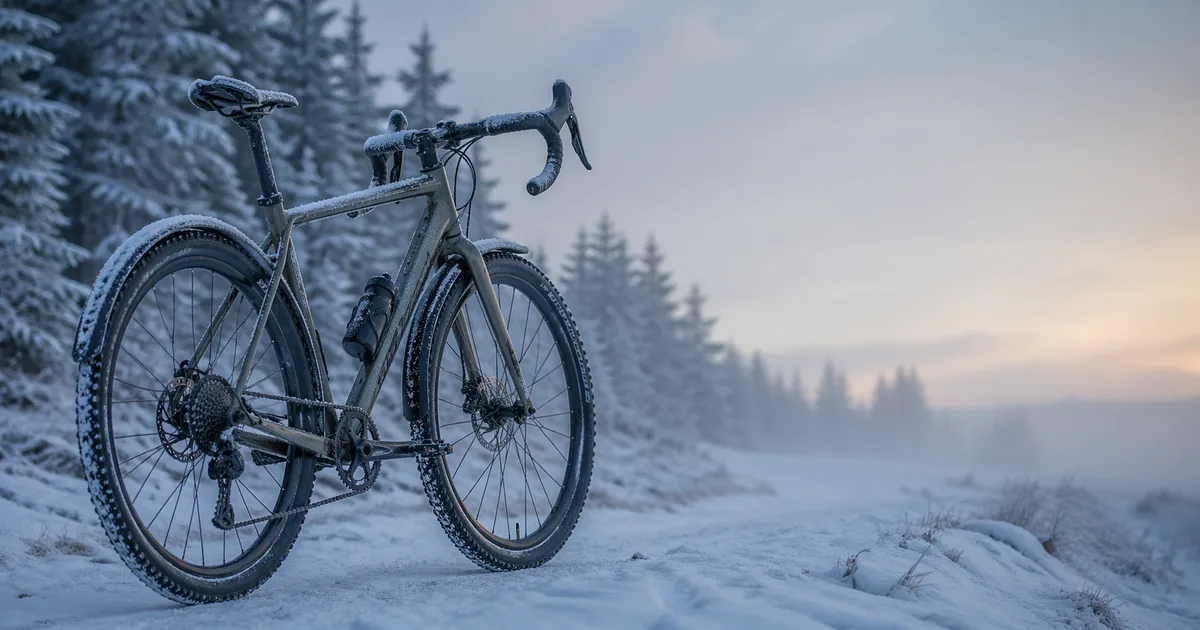
Winter riding adds more variables than simply choosing a warmer jacket. Surface conditions can change block by block, tire pressure shifts with temperature, wet grit reaches the drivetrain, and effort can turn an appropriate layer into a damp one. This guide gives you a practical way to review the bike, the route, and your clothing without pretending that one setup works for every rider or every forecast.
Start with conditions
Check the current local forecast, official warnings, road surface, visibility, and local lighting laws before riding. A clothing or equipment choice does not make ice, freezing rain, or poor visibility safe.
Winter Cycling Tools
Use these calculators as starting points, then check the limits and instructions supplied by the relevant manufacturer. A calculator cannot inspect your road surface, component condition, circulation, or control.
Estimate a baseline, then stay within tire and rim manufacturer limits
Check ordinary glove sizing before assessing dexterity and circulation
Check ordinary helmet sizing; it cannot approve added layers underneath
Find a frame-size starting point for a mountain or winter bike
Review the Route Before the Equipment
The same air temperature can accompany dry pavement, wet leaves, packed snow, refrozen meltwater, or freezing rain. Those surfaces do not call for the same decision. Look beyond the headline temperature: review precipitation timing, recent temperature changes, wind, visibility, road treatment, traffic, and places where water collects. Bridges, shaded corners, and untreated paths can differ from a nearby main road.
Build an exit plan before leaving. A shorter loop with nearby indoor stops offers more options than a remote out-and-back. Tell someone the route, carry communication and repair essentials, and be willing to turn around. If an official warning, surface condition, or equipment problem falls outside your experience, use an indoor session instead of treating a clothing list as permission to continue.
Match Tires and Pressure to the Setup
Tire choice starts with the surface and with what your frame, fork, rim, and fenders can clear. Studded designs may help on ice when used according to the tire maker's instructions. Open tread can shed loose snow or slush differently from a smooth road tread. Wider tires may offer more volume, but width alone does not establish grip, and no tire removes the need to slow down or avoid a hazardous surface.
Avoid copying a fixed winter pressure from another bike. Total load, casing, measured width, rim, tubed or tubeless setup, speed, and surface all matter. Start with our Tire Pressure Calculator and the Bike Tire Pressure Guide, then stay inside tire and rim limits. Recheck pressure after the bike has reached outdoor temperature. If support, handling, sealing, or rim protection is uncertain, stop adjusting and ask a qualified mechanic.
Tubeless systems in cold weather
Sealant behavior and service intervals vary by formula. Check the current sealant maker's temperature range and maintenance instructions rather than assuming that a familiar summer product will behave the same way. Inspect before the ride and carry a repair method appropriate to the tire, rim, and conditions.
Plan for Wet Grit and De-Icing Residue
Winter roads can put water, grit, and de-icing residue onto the chain, brakes, frame, and fasteners. Use the lubricant and corrosion-care instructions supplied by the frame and component manufacturers. After a dirty ride, remove residue with gentle cleaning methods that do not force water into bearings or contaminate braking surfaces. Dry and inspect the bike before storage.
Full-coverage fenders can reduce spray when they fit the bike with adequate tire clearance. Installation details matter: loose stays, packed debris, or insufficient clearance can create a new problem. Check mounting hardware and wheel clearance regularly, and follow the fender and bicycle makers' guidance.
Choose Lights for the Route and Law
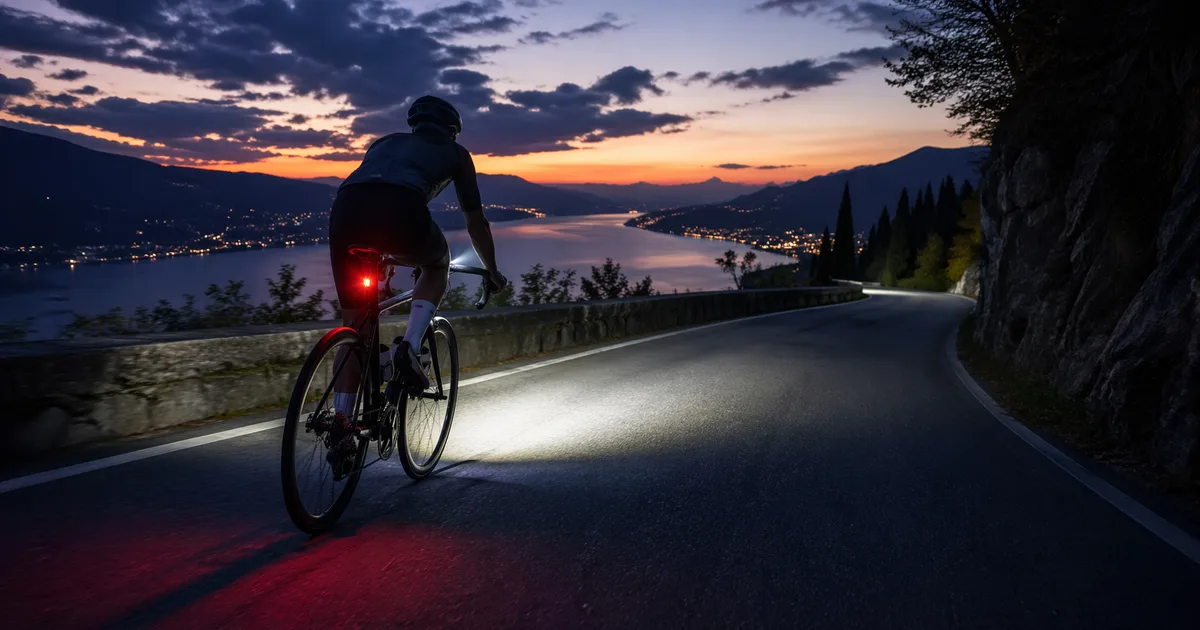
Darkness and reduced visibility call for front and rear lighting and conspicuity measures, but a lumen number by itself does not describe a useful setup. Beam pattern, mounting angle, runtime at the selected mode, weather exposure, speed, surrounding light, and local rules all matter. Aim the front beam so it helps you see without dazzling other road users, and confirm that bags or clothing do not block either light.
Review your local lighting requirements and the maker's runtime and environmental specifications. The bike lights directory and our bike lights guide can help you compare intended use without claiming that a light prevents a collision. Reflectors and reflective clothing can complement lights in darkness, not replace attention to positioning and conditions.
Clothing Selector and Layering System
Use the selector for a repeatable starting point. It considers air temperature, ambient wind, precipitation, expected duration, effort, and whether you tend to run cold or warm. Its five bands are BikeSize editorial categories, not medical thresholds. The result describes layer functions rather than named products, and it does not promise warmth, dryness, comfort, or safety.
What to wear for a winter ride
Enter the conditions you expect. This gives you a practical layering starting point, not a comfort or safety guarantee.
Ready when you are
Complete all six fields, then submit the form. Your entries stay in the form if anything needs fixing.
These are BikeSize editorial starting points, not a comfort or safety guarantee. The NWS wind-chill value is an exposed-skin index for a limited temperature and wind range. It is not a complete cycling comfort model.
Riding speed is not added to ambient wind. The index does not account for sun, clothing, wetness, physiology, or changing terrain.
Before riding, check the current local forecast, official warnings, road surface, visibility, and local lighting laws. Stop, get warm and dry, and seek appropriate help for numbness, confusion, loss of coordination, unusual fatigue, pale or waxy skin, or uncontrolled or stopped shivering.
Build layers that can change during the ride
A useful system separates jobs. A base layer moves moisture away from the skin, a removable middle layer adds insulation, and a vented outer layer manages wind or precipitation. You may not need all three in mild conditions. Start conservatively, vent before clothing becomes soaked, and keep protection available for descents, stops, or a drop in effort.
Hands must still operate brakes and controls. Feet need enough room to avoid constriction. Any cap, gaiter, or face covering must preserve helmet fit, retention, breathing, hearing, and vision. Do not size up a helmet to make room for a thick layer. Only use an under-helmet layer when the helmet manufacturer permits it and the fitted helmet remains secure.
For fit references, use the cycling gloves directory and our cycling gloves guide. Product size is only one check. Confirm circulation, dexterity, and complete control operation with the actual bike before riding.
Carry Fluids, Food, and a Stop Plan
Cold conditions can make bottles, valves, food, and packaging harder to use. Choose containers and food you can operate with your gloves, inspect them during the ride, and follow product instructions. Exact freezing time depends on the container, starting temperature, contents, exposure, and conditions, so do not rely on a universal duration claim.
Individual hydration and nutrition needs vary. Bring an amount suited to the route and your needs, and include planned opportunities to warm up and reassess. Long rides add value to dry spare clothing, communication, and a clear way to shorten the route if clothing gets wet or conditions deteriorate.
Recheck Fit and Controls
Different footwear, tights, gloves, and jackets can change how you contact the bike. Before entering traffic or a descent, confirm that you can turn your head, see clearly, operate every brake and shifter, release from pedals, and move without clothing catching on the bike. Test brakes at walking speed and stop if the lever feel, cable movement, pad contact, or rotor behavior is abnormal.
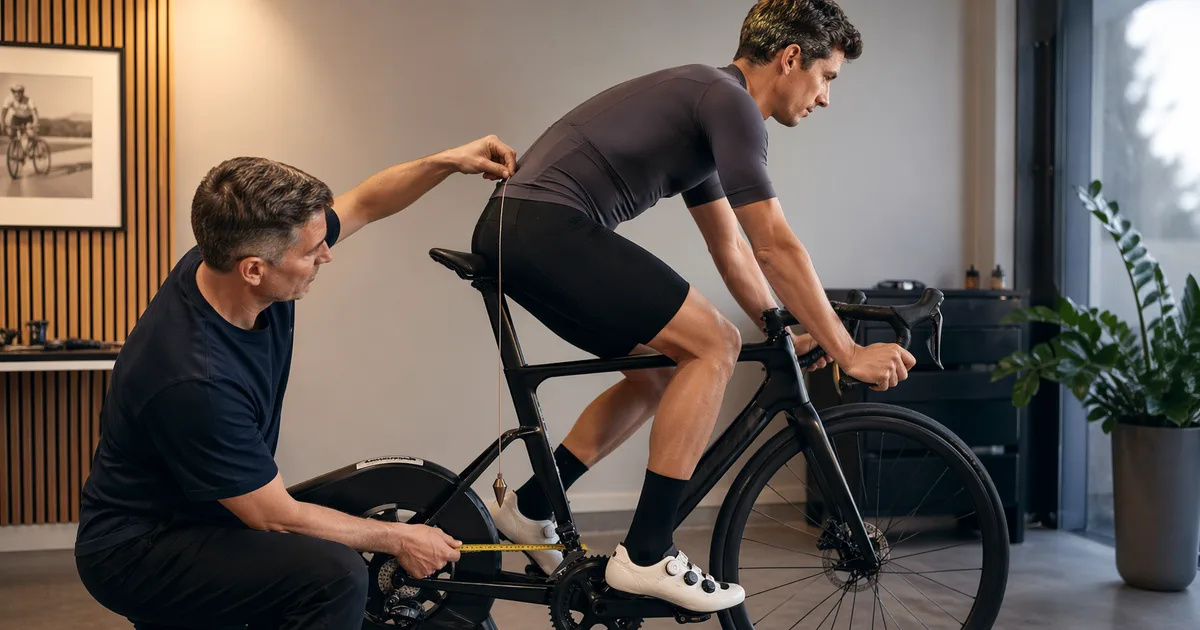
A fat bike or dedicated winter bike still follows its manufacturer's sizing and setup guidance. Tire volume does not create a universal reason to size down, and a standard mountain-bike calculator cannot account for every model's geometry. Compare the result with the brand chart, reach, stack and standover, and an actual test ride where possible.
Sources and Limitations
The selector's wind chill calculation follows the NOAA National Weather Service wind chill formula. NWS describes wind chill as an exposed-skin index with a defined temperature and wind domain. It does not include sun, clothing, wetness, individual physiology, changing terrain, or bicycle speed.
The functional layering and warning guidance also draws on CDC/NIOSH cold-stress guidance, the OSHA cold-stress guide, and British Cycling's winter clothing guide. Workplace and cycling guidance can inform preparation, but neither provides a personal medical clearance or proves that a generated layer list is suitable for a particular ride.
For riding in darkness, the US Consumer Product Safety Commission supports using front and rear lights, reflectors, and reflective clothing. Its older statistics are not used here, and its general guidance does not establish a lumen threshold or replace current local law.
Know when the selector no longer applies
Numbness, confusion, loss of coordination, unusual fatigue, pale or waxy skin, and uncontrolled or stopped shivering are not clothing inputs. Stop exposure, get warm and dry, and seek appropriate help.